


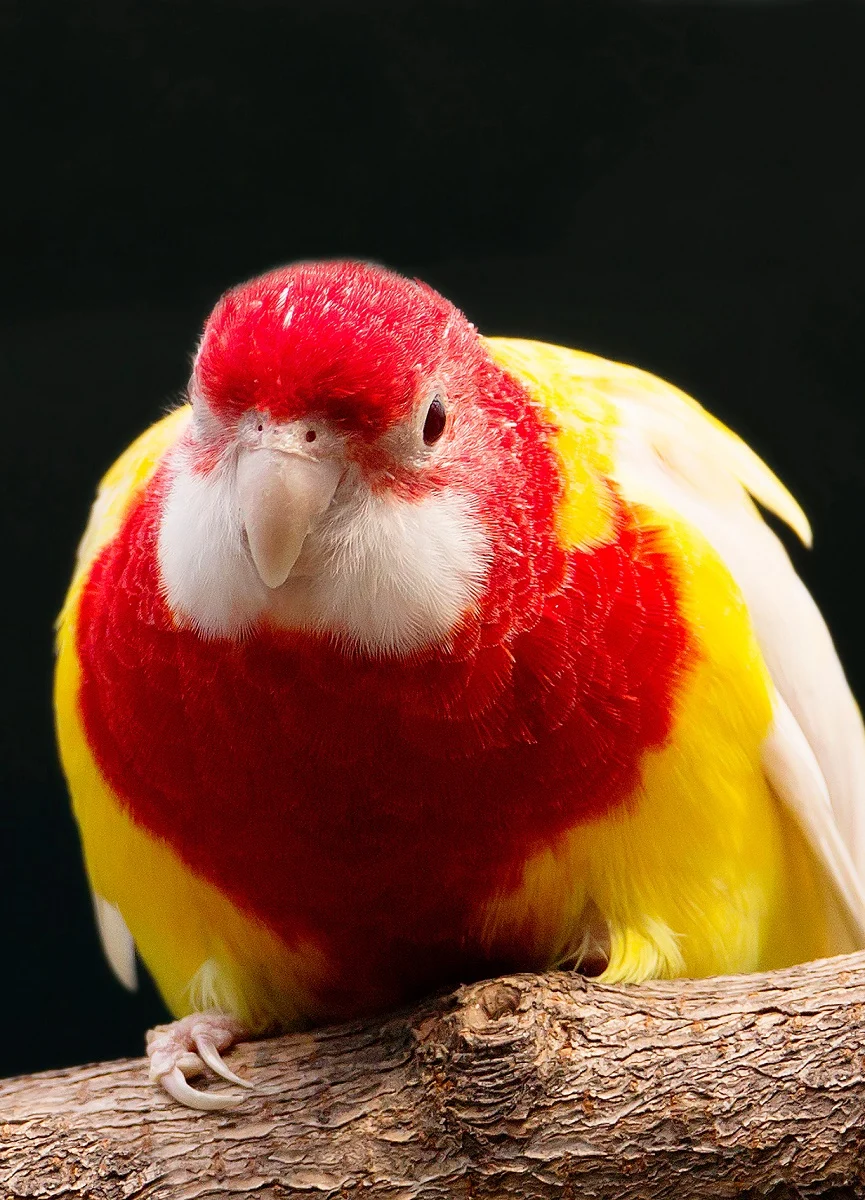
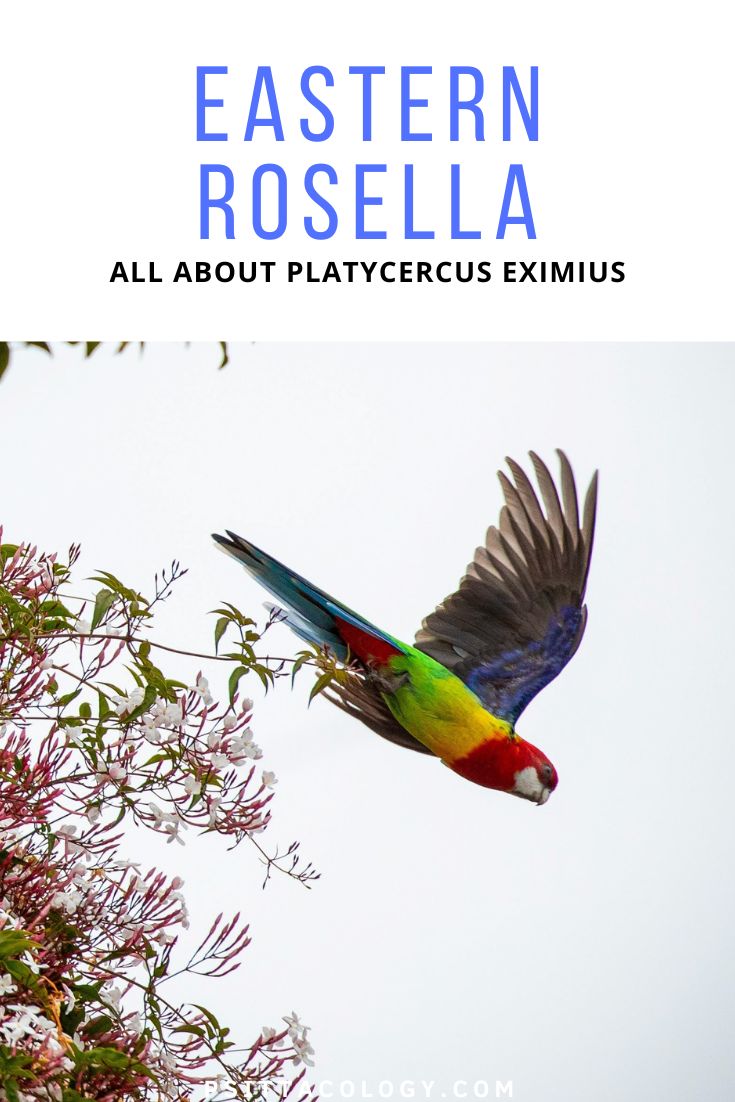
The eastern rosella, scientifically classified as Platycercus eximius, stands out even within a family of birds universally celebrated for their striking plumage, though its vivid coloration is frequently matched by its complex relationship with human agricultural communities across southeastern Australia and New Zealand. Spanning a moderate physical frame that reaches approximately 30 centimeters in length and averages around 100 grams in weight, this species is defined by a distinctive visual mosaic. Its anatomy features a brilliant red head and chest, contrasting crisp white cheeks, a yellow-green belly and undertail region, scalloped yellow-green and black upper wing feathers, a deep green back, blue wing undersides, and an elongated blue-green tail. This intricate palette has driven its popularity both in natural observation and within the international avicultural trade, where selectively bred mutations—such as the red-yellow-white "Rubino" morph devoid of blue, green, or black melanin—are regularly cultivated.
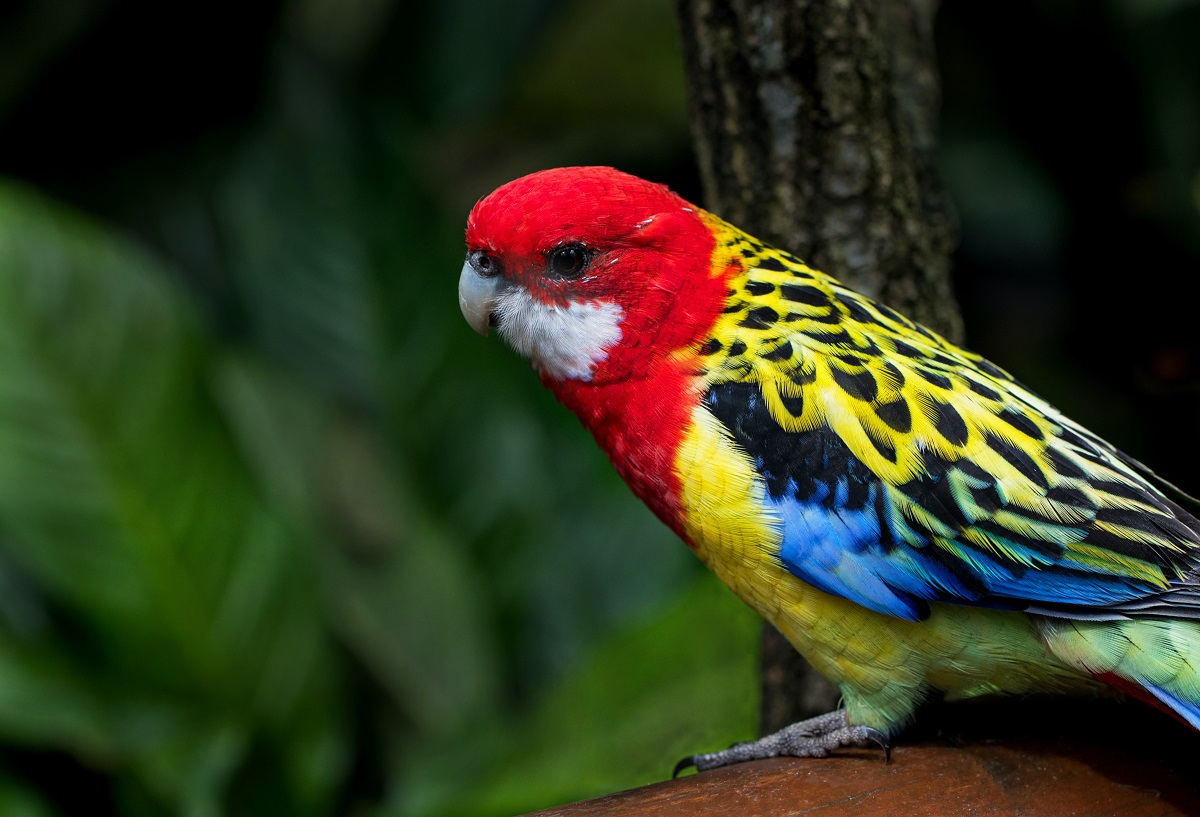
Taxonomically, the species is divided into three distinct geographic subspecies across its native range, each exhibiting localized variations in hue and patterning. Furthermore, the genus Platycercus is notable for its genetic fluidity, frequently producing natural hybrids where the territories of related species overlap. Field ornithologists regularly document hybrid specimens resulting from interbreeding between the eastern rosella and its close relatives, the crimson rosella (Platycercus elegans) and the pale-headed rosella (Platycercus adscitus). Visually distinguishing the biological sex of mature eastern rosellas relies heavily on subtle sexual dimorphism in plumage coloration and head width, though these characteristics remain largely indistinguishable until juveniles complete their initial post-fledging molt, which typically occurs between two and six months of age. During the juvenile phase, young birds display a duller overall color spectrum paired with a characteristic yellow beak that gradually transitions to an ivory-white shade as maturity approaches.
Geographically, the natural distribution of the eastern rosella is concentrated across eastern and southeastern mainland Australia, extending its range into the island state of Tasmania. Beyond its indigenous borders, the species maintains a substantial introduced presence in New Zealand. Historical records indicate that these trans-Tasman populations originated from a combination of accidental escapes—such as a documented 19th-century incident in Dunedin where a holding enclosure was breached—and deliberate introductions, including a notable 1910 release after a commercial bird shipment was denied entry by customs authorities. In terms of local habitat selection, wild populations demonstrate a strong preference for lightly wooded environments, open forests, eucalyptus groves, agricultural farmlands, and suburban parklands. They generally occupy terrain up to moderate altitudes of approximately 1,250 meters, maintaining a reliance on accessible surface water sources and hollow-bearing mature trees required for nesting and roosting.
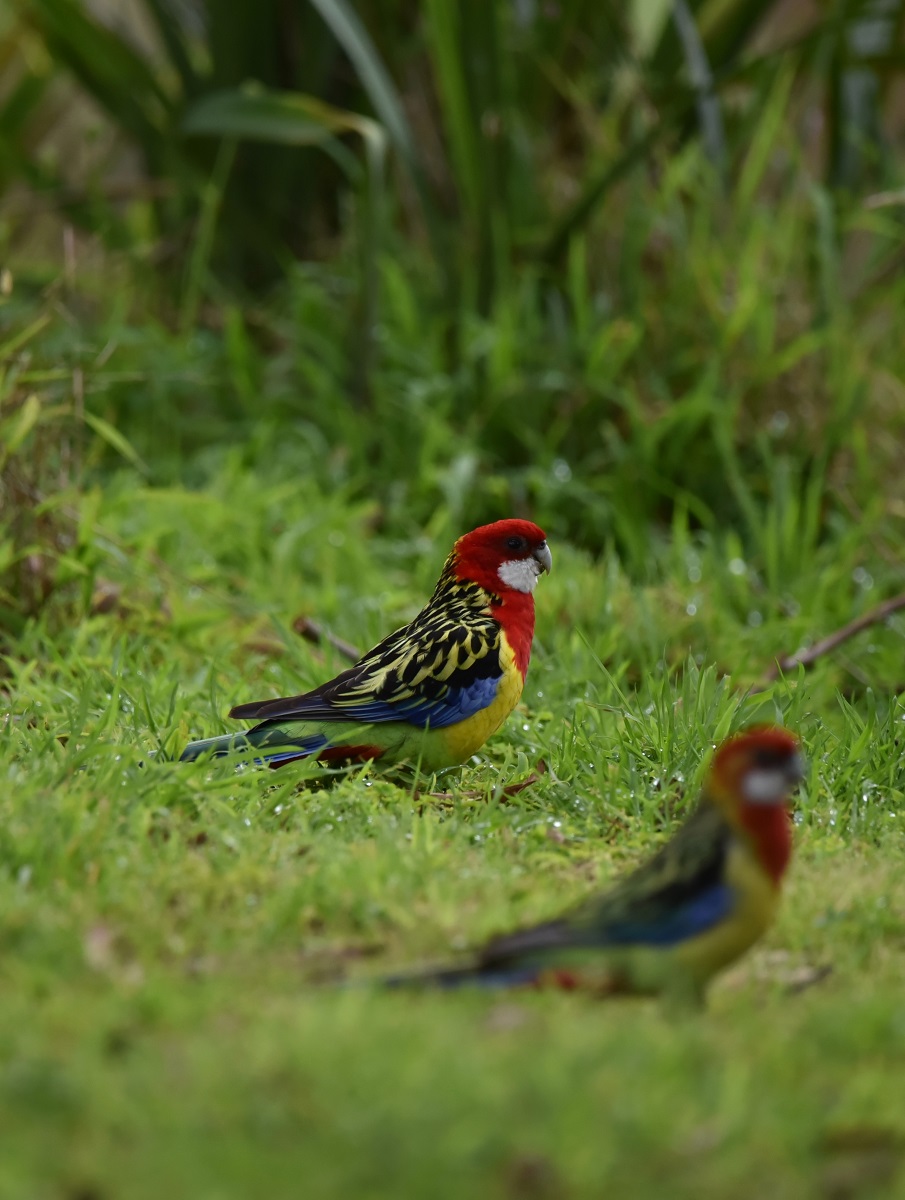
The ecological status of the eastern rosella remains stable, with the International Union for Conservation of Nature (IUCN) classifying the species as being of Least Concern. Population modeling and field surveys indicate a broad and expanding geographic range. Ironically, this demographic resilience is partly attributed to anthropogenic landscape modification. The widespread clearing of dense native forests for agricultural development has inadvertently expanded the bird’s feeding opportunities, granting ready access to cultivated cereal crops, maize, and pasture grasses.
This dietary adaptability, however, places the species at the center of ongoing rural conflicts. In the wild, eastern rosellas subsist primarily on native grass seeds—with a particular affinity for thistle seeds—supplemented by wild fruits, berries, flower buds, blossoms, and occasionally insects. Because these foraging preferences frequently extend into commercial orchards and grain fields, the species has historically been cast in the role of an agricultural pest. Fruit growers and cereal farmers in eastern Australia have long documented significant crop damage caused by feeding flocks. Consequently, while the eastern rosella is protected under baseline environmental legislation, regional agricultural departments maintain regulatory frameworks that permit licensed culling under strict conditions, requiring farmers to prove substantive economic loss and the exhaustion of non-lethal deterrents before lethal intervention is authorized.
Driven by these conflicting dynamics—valued as a striking component of native biodiversity yet managed as a localized agricultural hazard—the species has simultaneously secured a firm foothold in domestic aviculture. When maintained in captivity, the dietary requirements of the eastern rosella extend far beyond simple seed mixes. Avian veterinarians and nutritional specialists emphasize that a balanced captive diet must be anchored by high-quality formulated pellets, supplemented daily by fresh leafy greens and root vegetables, and complemented by seasonal fruits, sprouted seeds, whole grains, and occasional protein sources. Due to their active disposition and territorial tendencies, captive eastern rosellas are predominantly housed in outdoor aviaries rather than mixed-species indoor flights, where their territorial nature can generate aggression toward smaller companion birds such as budgerigars.
For owners housing the species indoors or in specialized enclosures, husbandry standards dictate a minimum cage length of one meter, paired with closely spaced bar configurations not exceeding 1.25 centimeters to ensure physical security. Because of their high cognitive capacity, eastern rosellas require substantial environmental enrichment, including foraging toys, safe woody branches for chewing, and regular flight opportunities to prevent stress-induced behaviors such as feather degradation. Acoustically, the species is considered moderately quiet relative to larger parrot genera, favoring soft whistles and melodic cheeps over disruptive flock calls, making them suitable for suburban living environments provided structural noise containment is adequate. While their vocal mimicry is generally limited to household sounds or occasional simple tunes acquired through intensive positive reinforcement training, their independent yet amiable personality continues to sustain their standing as a prominent subject of ornithological study and avicultural stewardship.

