


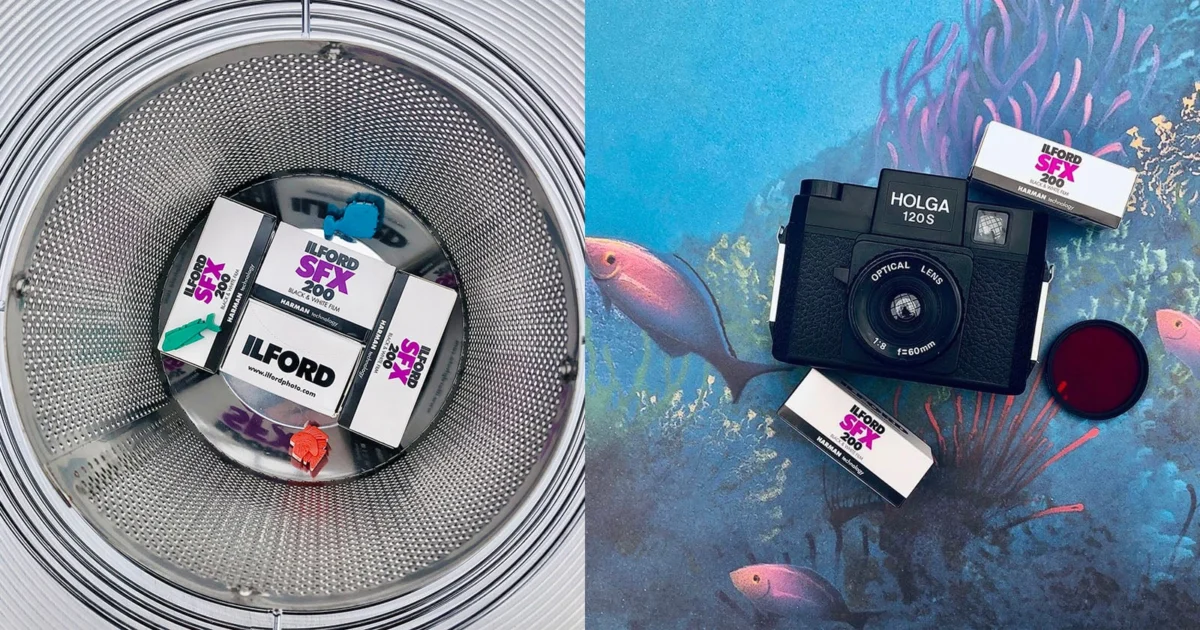
The enduring allure of analog photography has seen a resurgence in recent years, driven largely by a community of enthusiasts seeking the tactile, unpredictable, and distinct aesthetic qualities of traditional chemical film. Among the specialized emulsions currently available, Ilford SFX 200 stands out as a unique bridge between standard black-and-white photography and the surreal, high-contrast world of infrared imaging. While often considered a niche tool, its ability to render the visible spectrum with a distinct "near-infrared" character makes it a versatile asset in the modern film photographer’s arsenal.
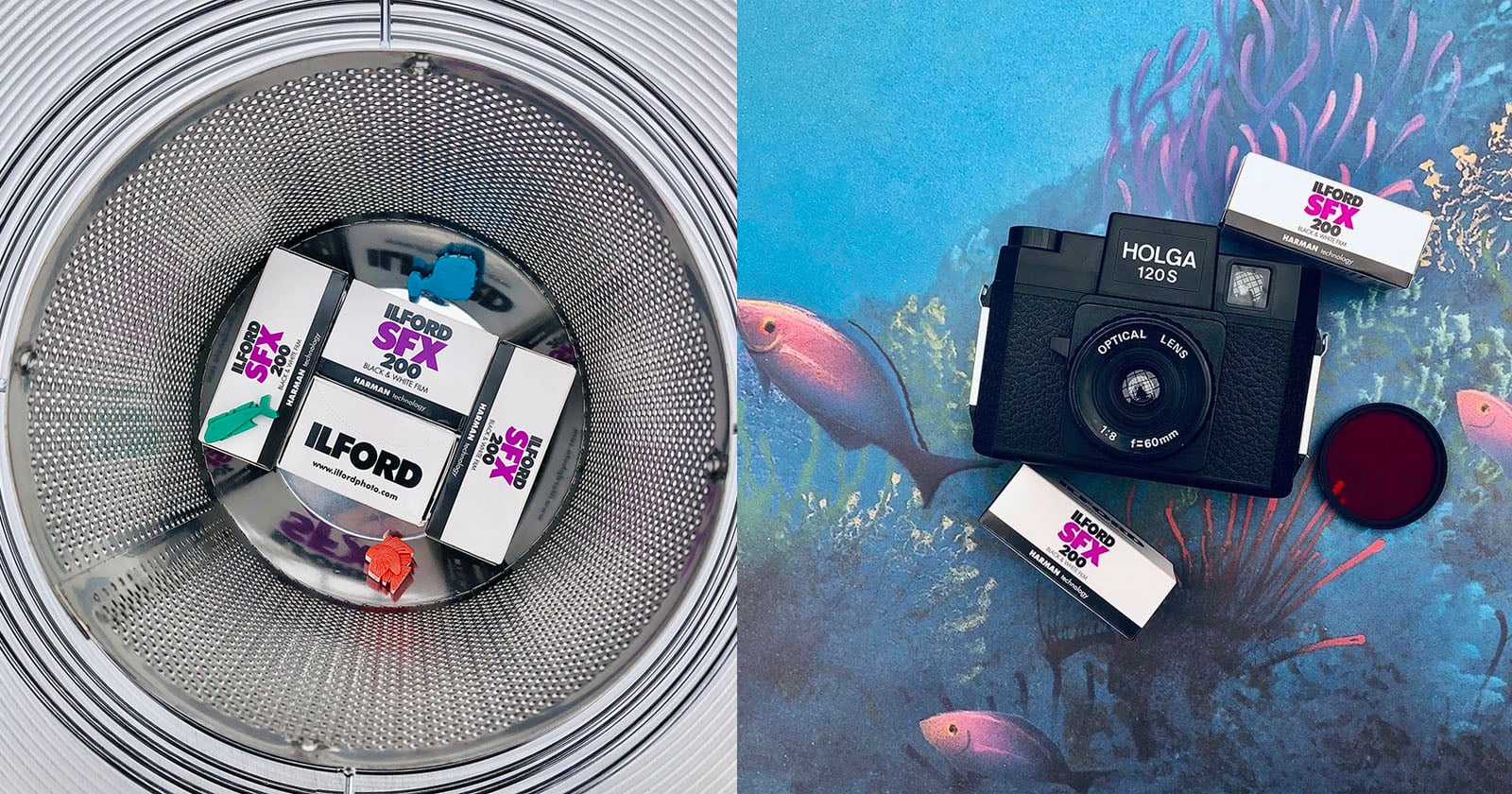
Historical Context and the Resilience of SFX
The history of Ilford SFX 200 is one of corporate resilience and market adaptation. Originally introduced as a high-performance, superpanchromatic film, SFX faced a significant hurdle in the early 2000s during a period of widespread upheaval in the analog industry. As digital photography began its rapid ascent, many manufacturers were forced to undergo drastic financial restructuring. During this period, the production of several niche film stocks, including SFX, was temporarily suspended.
However, as the "analog renaissance" began to take hold in the late 2000s and early 2010s, Ilford Photo—under its parent company, Harman Technology—identified a persistent demand for specialized emulsions. The revival of SFX 200 served as a testament to the company’s commitment to the analog community. Its return to the market was not merely a nostalgic gesture but a calculated response to photographers seeking artistic tools that digital sensors often struggle to replicate without heavy post-processing. Today, the availability of the film in both 35mm and 120 formats ensures its continued relevance for both street photographers and medium-format landscape artists.
Understanding Superpanchromatic Sensitivity
To understand the mechanics of Ilford SFX, one must first distinguish between standard panchromatic film and superpanchromatic emulsions. Standard panchromatic film is sensitized to the entire visible light spectrum (roughly 380nm to 700nm). Superpanchromatic films, such as SFX, extend this sensitivity into the near-infrared (NIR) range, typically reaching up to 740nm or 750nm.
This extended sensitivity is the technical foundation of the "infrared look." When the film is exposed without filters, it performs as a high-contrast, fine-grained black-and-white film. However, the introduction of a deep red or infrared-transmitting filter—such as the Wratten 25 (Red) or the more aggressive R72—blocks the shorter, visible wavelengths of light, forcing the emulsion to rely almost exclusively on the longer, near-infrared wavelengths.

The resulting images exhibit the hallmark characteristics of infrared photography: vegetation reflects NIR light, rendering trees and grass as ghostly, ethereal white, while blue skies absorb the light and appear near-black. This dramatic tonal inversion provides a level of contrast and separation that is difficult to achieve with standard digital conversion or standard film stocks.
Technical Guidelines for Optimal Results
Successful utilization of Ilford SFX requires a disciplined approach to exposure and filtration. Because the film’s sensitivity profile shifts depending on the light source, standardized metering can be deceptive.

1. Filtration Strategies:
- Red 25 (Medium Red): The most accessible starting point for photographers. It provides a noticeable increase in contrast and a subtle "infrared" effect without necessitating massive exposure compensation. It allows for handheld shooting and keeps the viewfinder bright enough for focus and composition.
- R72 (Infrared): For those seeking the full, surreal infrared aesthetic, the R72 filter is the industry standard. Because it is opaque to the visible eye, composing and focusing must be completed before the filter is mounted to the lens.
2. Exposure Compensation:
Metering for infrared film is a persistent challenge. TTL (Through-The-Lens) metering is often unreliable when using high-density infrared filters because the meter’s sensor is not calibrated for the infrared spectrum. A common industry practice involves metering the scene without the filter, then calculating the filter factor—typically adding 6 to 8 stops of light for an R72 filter. Bracketing is highly recommended to account for the varying levels of infrared light present in different environments, such as mid-day sun versus overcast conditions.

3. Focusing Adjustments:
Infrared light focuses at a slightly different focal plane than visible light. While this is less noticeable at smaller apertures (f/8 or f/11), photographers shooting wide open must adjust their focus. Many vintage manual focus lenses feature a small red dot or line on the barrel—an "infrared index"—to allow the photographer to shift the focus slightly to compensate for this variance.
Grain Structure and Tonal Characteristics
One of the most debated aspects of Ilford SFX 200 is its grain profile. The film is characterized by a prominent, gritty grain structure that is more aggressive than many standard ISO 400 emulsions. In the context of modern photography, this is often viewed as a stylistic choice.

The grit of SFX imparts a raw, journalistic texture that can enhance images of urban decay, architectural forms, or high-contrast landscapes. For photographers prioritizing "smooth" tonal transitions, SFX may require a specific development regimen or an adjustment in printing technique to mitigate the grain. Conversely, for those seeking a "punchy," dramatic aesthetic, the inherent grain of the film serves as a foundational element of its character, adding depth to the high-contrast shadows.
Implications for the Analog Market
The continued production and popularity of Ilford SFX 200 underscore a broader trend in the photographic industry: the move away from "perfection" and toward "character." While digital sensors offer immense resolution and dynamic range, they often require digital manipulation to simulate the physical properties of light interaction that SFX provides natively.

The implication for the market is clear: there remains a robust demand for films that provide a specific, specialized look. By maintaining production of SFX, Ilford preserves a segment of the market that values the unpredictability of light-spectrum manipulation. Furthermore, the compatibility of the film with both 35mm and 120 formats ensures that it remains accessible to a wide demographic, from students using basic SLR systems to professionals utilizing high-end medium format equipment.
Conclusion: A Tool for Creative Exploration
Ilford SFX 200 is more than just a standard black-and-white film; it is a creative tool that invites the photographer to engage with the physics of light. Whether utilized for its high-contrast, standard panchromatic qualities or pushed to its limit with deep infrared filtration, it offers a unique visual language.

As the analog industry continues to stabilize, the role of specialized films like SFX becomes increasingly significant. It serves as a reminder that photography is not merely the act of capturing a scene, but the act of interpreting it. For the photographer willing to experiment with filters, focus adjustments, and exposure bracketing, Ilford SFX provides a gateway to a world that remains hidden from the naked eye, offering a distinct aesthetic that bridges the gap between traditional silver-halide photography and experimental imaging. For those yet to explore the near-infrared spectrum, SFX 200 offers a compelling and technically rewarding entry point into the art of alternative-spectrum photography.

