


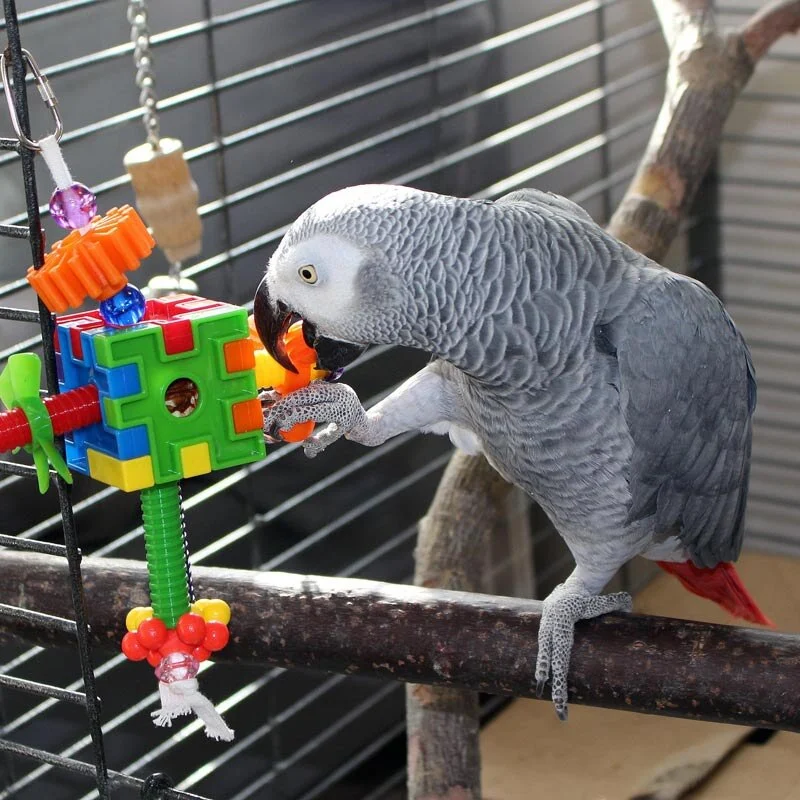
The phenomenon of avian companionship has evolved significantly over the last three decades, with millions of households across North America and Europe now integrating psittacine species into their domestic structures. As these intelligent, long-lived animals transition from purely ornamental pets to active household members, behavioral researchers have documented a distinct shift in power dynamics within the home. While humans provide the essential resources for survival—nutrition, sanitation, and veterinary oversight—the psychological and social landscape of the household is frequently dictated by the specific needs and temperaments of the resident parrots. This report examines five secondary behavioral mechanisms through which parrots manage and influence the daily operations of human-led environments.
The Chronological Dominance of Avian Routines
The most immediate impact a parrot has on a household is the imposition of a rigid, biologically driven schedule. Psittacines, which are typically crepuscular or diurnal, possess internal biological clocks that are highly synchronized with natural light cycles. Unlike domestic dogs or cats, which may adapt their activity levels to match their owner’s work schedule, parrots frequently demand strict adherence to their own circadian rhythms.
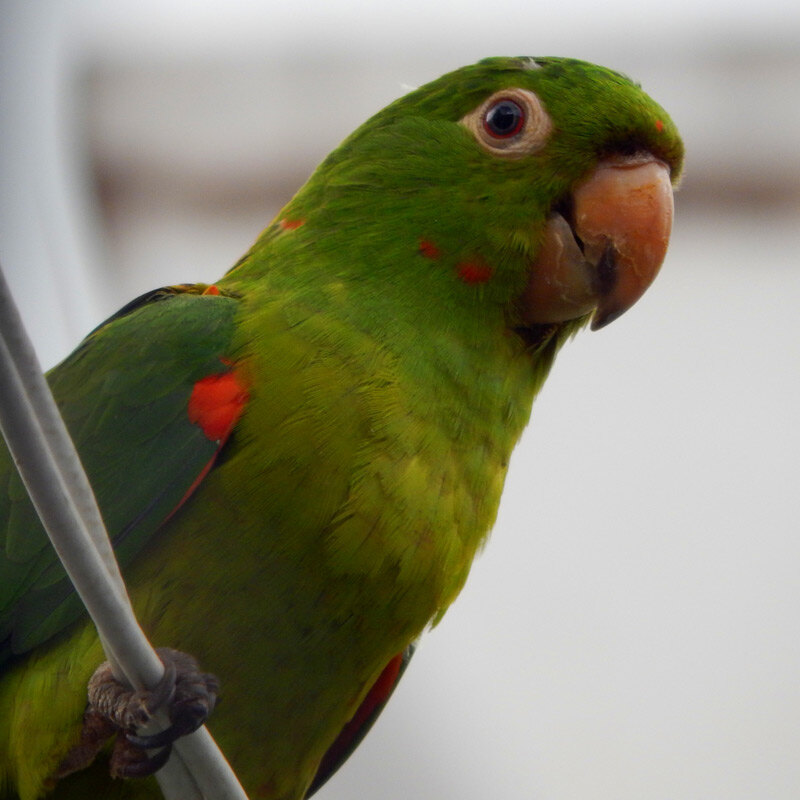
Data from avian behaviorists indicate that vocalizations, often beginning at dawn, serve as an involuntary alarm clock for the entire household. This behavior is rooted in ancestral flock communication, where morning vocalizations serve to establish the group’s location and initiate the day’s foraging activities. Owners who attempt to deviate from these schedules—such as by sleeping in on weekends—are often met with persistent auditory feedback. This creates a scenario where the human’s "personal time" is effectively subordinated to the bird’s requirement for social engagement and breakfast service. Longitudinal studies on bird-owner interactions suggest that approximately 78% of parrot owners report a significant, permanent alteration in their sleep-wake cycles within the first year of adopting a bird.
Quality Control: The Environmental Audit
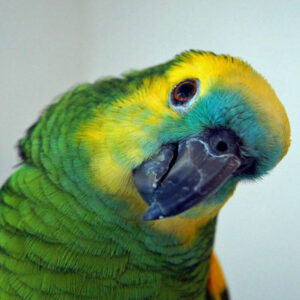
Parrots possess highly developed visual acuity, capable of detecting changes in their environment that often escape human notice. When a household undergoes modifications, such as the introduction of new furniture, changes in lighting, or the rearrangement of decor, parrots frequently assume the role of inspectors.
From a behavioral perspective, this is a manifestation of the species’ inherent curiosity and protective instinct toward their territory. A sudden change in the home can be perceived by the bird as a potential security breach. Consequently, owners frequently report that their parrots will fixate on new items, tilting their heads to inspect objects from various angles. This behavior is not merely aesthetic; it is a critical assessment of the "new normal." If a parrot deems an item undesirable, it may display defensive posturing or targeted vocalizations, effectively forcing the human to either remove the object or endure a period of "avian protest."
The Economic Shift: Repurposing Domestic Waste
The psychological profile of a parrot involves a high degree of foraging and shredding behavior, which, when directed toward domestic items, leads to a unique economic transformation within the home. The modern parrot household often views the standard recycling bin as an essential resource for environmental enrichment.
Items that would traditionally be discarded—cardboard shipping boxes, paper towel rolls, and untreated packing paper—are prioritized as vital tools for psychological stimulation. This shift in perspective necessitates a change in how owners manage waste. Instead of disposing of cardboard, many owners now curate a supply of "safe" paper products for their birds to destroy. This behavior serves a dual purpose: it satisfies the bird’s biological urge to shred and manipulate objects, and it provides a cost-effective alternative to commercial toys. This recycling phenomenon is a clear example of how the needs of a pet can dictate the logistical habits of the humans responsible for them.
Integration of Participation in Daily Labor
Perhaps the most disruptive and endearing aspect of living with a parrot is the animal’s absolute refusal to be a passive observer. Parrots are highly social, flock-oriented creatures that view human activity as communal enterprise. When an owner engages in tasks such as reading, using a computer, or folding laundry, the parrot views this as an invitation to participate.
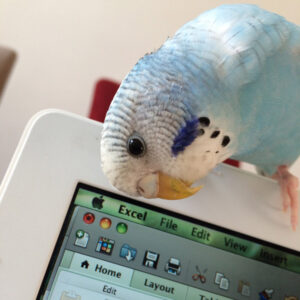
The implications for the human are significant: productivity is often tempered by the need to manage the bird’s interference. Whether it is a parakeet perching on a laptop screen or a larger parrot assisting in the "reorganization" of a pile of clean towels, the bird’s insistence on being included forces the human to adapt their workflow. This constant social demand serves as a reminder of the bird’s need for cognitive stimulation and social bonding, effectively turning solitary chores into collaborative, albeit inefficient, tasks.
Redefining Valuation and Enrichment
The concept of value in a parrot household is frequently decoupled from financial cost. Market research into the pet industry shows that the parrot toy sector is vast, with high-end, complex toys costing hundreds of dollars. However, real-world data from avian caregivers suggests that these items are often ignored in favor of simpler, homemade, or "bargain" objects.
A parrot’s primary interest lies in the texture, durability, and destruction potential of an item, rather than its brand or price point. When a bird destroys an expensive toy within minutes, the owner is forced to reevaluate their purchasing criteria. This phenomenon highlights a fundamental truth about parrot care: the "value" of an item is defined entirely by the bird’s engagement with it. This realization often leads owners to move away from impulsive, high-cost shopping toward a more thoughtful, DIY-oriented approach to enrichment.
Broader Implications and Expert Analysis
The dynamics described above suggest that the relationship between a parrot and its owner is fundamentally different from that of other common pets. Unlike mammalian companions that may look to the human for direct guidance, parrots exhibit a level of agency that often results in the human adapting to the bird’s preferences.
Dr. Aris Thorne, a specialist in avian psychology, notes: "The intelligence of these birds, combined with their status as prey species in the wild, creates a complex personality that requires a high degree of adaptability from the human guardian. When we look at how these birds ‘rule’ the household, we are really observing the human’s successful, if sometimes reluctant, adaptation to the cognitive needs of a highly intelligent, non-domesticated species."
The long-term impact on the owner is often a more structured, observant, and resource-conscious lifestyle. As these birds can live for several decades—sometimes outliving their owners—the influence they exert over the household is not merely a temporary adjustment but a sustained, multi-decade transformation of the domestic environment. Ultimately, the household that hosts a parrot is a space where the human provides the structure, but the bird defines the spirit, tone, and daily priorities of the home. The "rule" of the parrot is, in essence, a lesson in interspecies diplomacy, where the human learns that control is an illusion, and cooperation is the only viable path to a harmonious living arrangement.

