


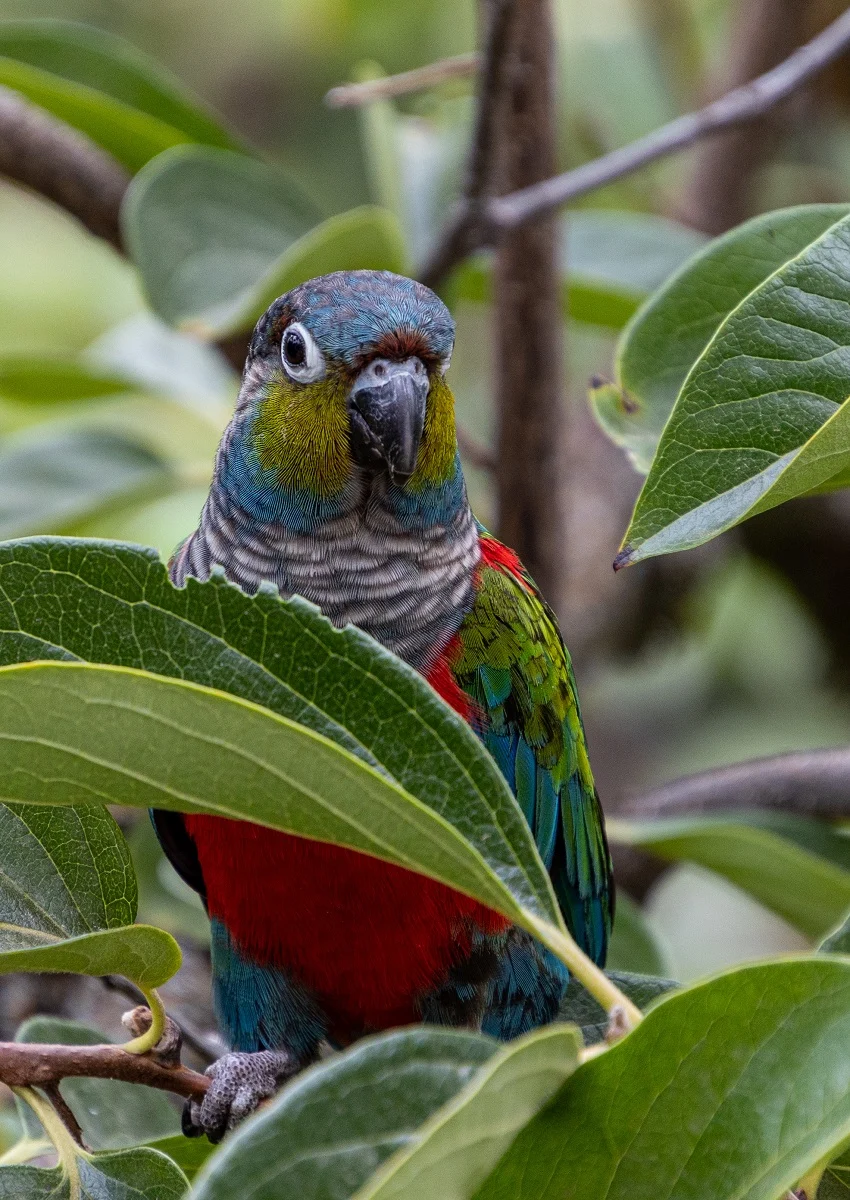
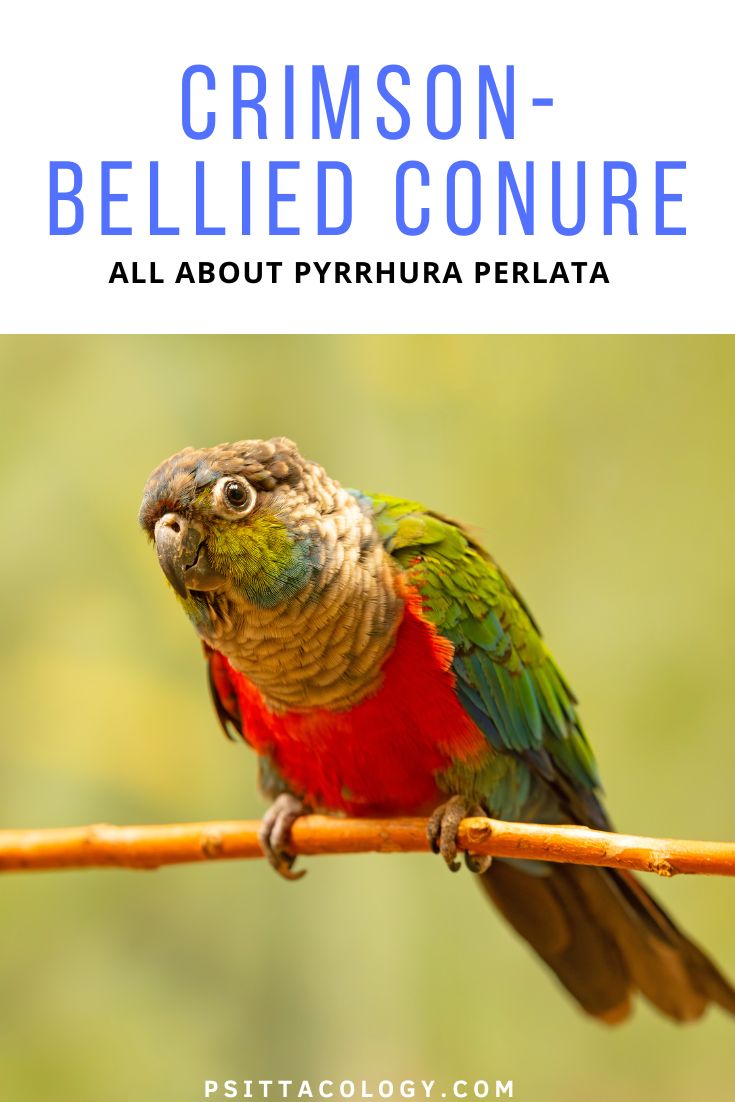
The crimson-bellied conure (Pyrrhura perlata), a vibrant and intelligent small parrot native to the rainforests of central South America, has increasingly captured the attention of avian researchers, conservationists, and prospective pet owners alike. Known scientifically and historically by several taxonomic classifications, this striking parakeet bridges the gap between exotic wildlife preservation and domestic avian companionship. As interest in exotic pets grows alongside heightened awareness of habitat preservation, understanding the biological, ecological, and domestic requirements of the crimson-bellied conure remains paramount for responsible ownership and species management.
Taxonomy, Physical Characteristics, and Identification
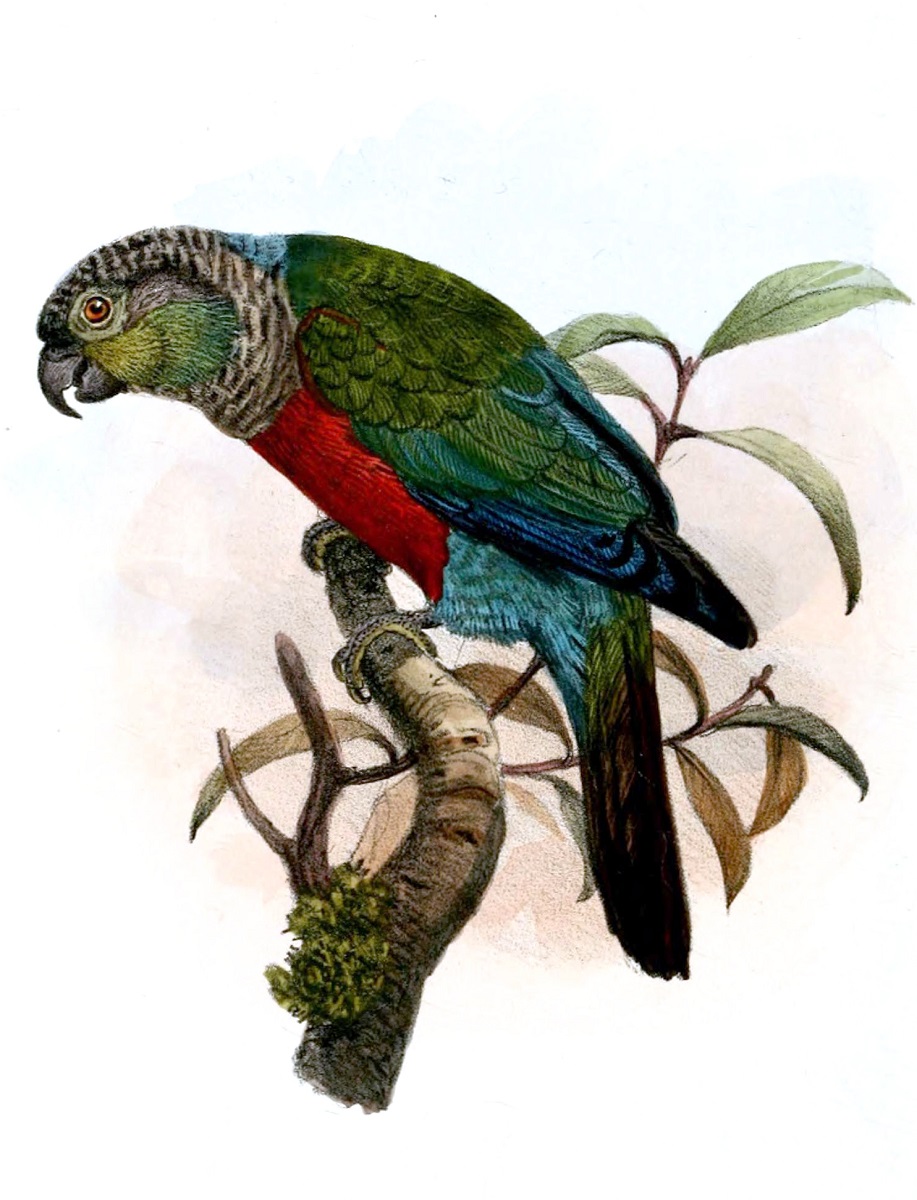
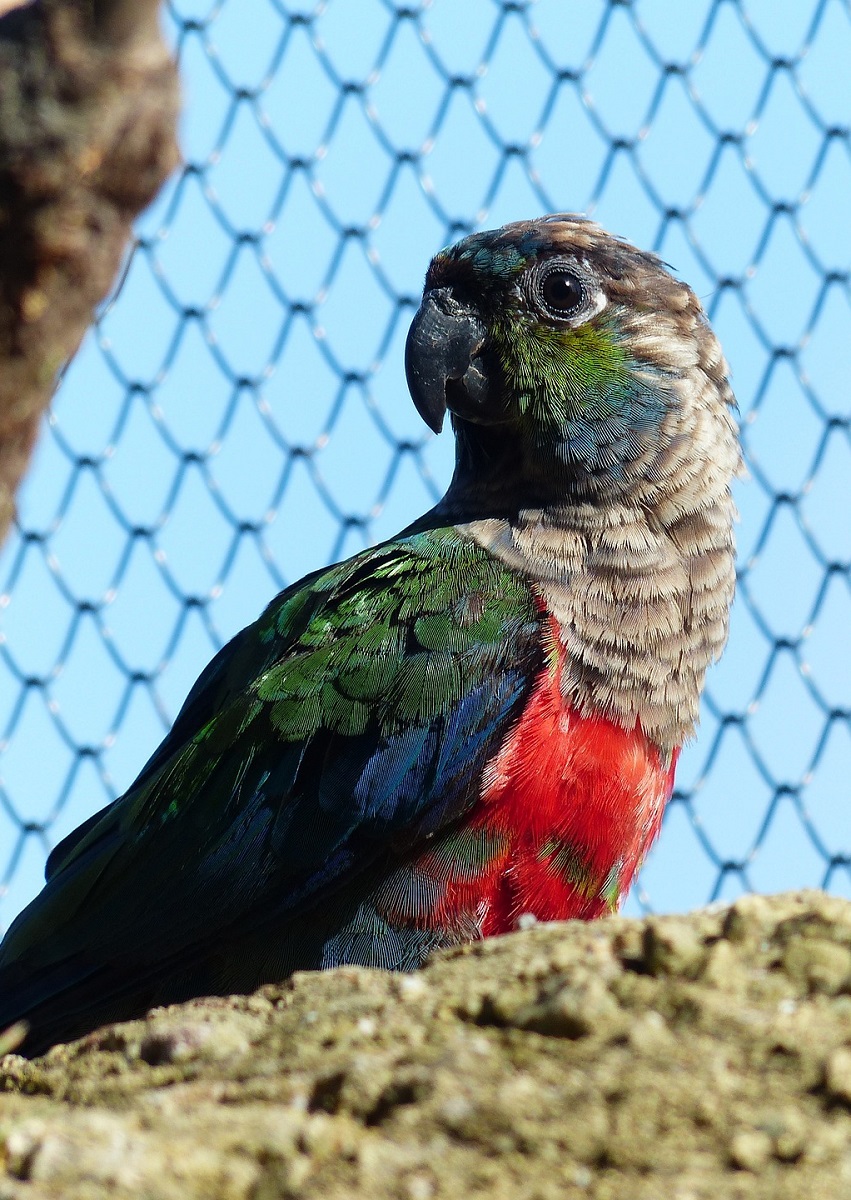
Classified under the order Psittaciformes and the family Psittacidae, Pyrrhura perlata belongs to a genus of small to medium-sized neotropical parrots commonly referred to as cheek-patch conures. Adult specimens typically reach a maximum length of approximately 10 inches (25 centimeters) and maintain a healthy weight of up to 90 grams. Featuring a distinctively long tail, white eye rings, and a dark black beak, the species is universally recognized by its brilliant plumage.
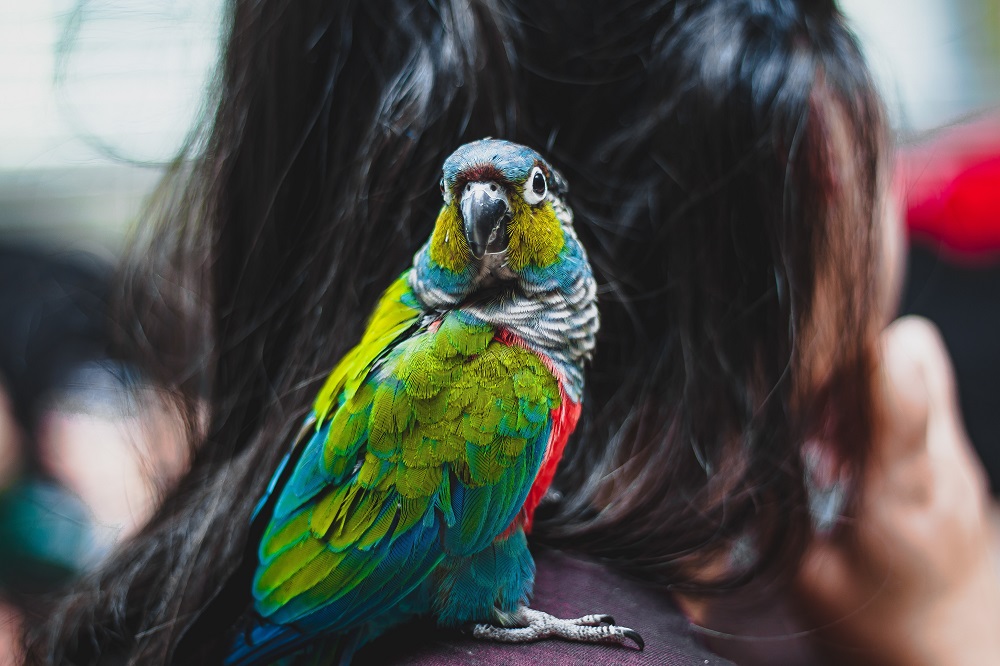
The most defining characteristic—its namesake crimson belly—contrasts sharply against greenish-blue upperparts, a scaly patterned chest, and bluish-green primary wing feathers. Avian experts note that juvenile crimson-bellied conures do not display their full coloration immediately upon hatching; the characteristic bright red belly can take up to a full year to develop completely. Furthermore, the species exhibits monomorphism, meaning that males and females share identical external appearances, making visual sexing impossible without DNA testing or surgical endoscopy.
Natural Habitat, Geographical Distribution, and Ecological Status
Endemic to central South America, the natural range of the crimson-bellied conure centers primarily within the Brazilian Amazon basin—notably concentrated in the state of Rondônia—and extends southward into the border regions of northern Bolivia. Within these regions, the species exhibits a preference for lush, undisturbed primary rainforests, specifically terra firme forests that remain largely unaffected by seasonal inundations. Additionally, these parakeets demonstrate a degree of ecological adaptability, occasionally utilizing secondary forests and forested edges.
In the wild, crimson-bellied conures are gregarious animals, typically traveling and foraging in tight-knit flocks ranging from a few individuals to larger family groups. They frequently associate with other closely related conure species, such as the painted conure, and rely heavily on natural tree cavities for nesting and roosting sites.
Conservation assessments conducted by the International Union for Conservation of Nature (IUCN) currently classify Pyrrhura perlata as a species of Least Concern. However, wildlife biologists and conservationists issue ongoing warnings regarding population trajectories. Regional populations are experiencing steady declines driven primarily by anthropogenic pressures, including widespread deforestation for agriculture and infrastructure within the Brazilian Amazon, alongside localized capture for the illegal pet trade.
Nutritional Requirements: Wild Versus Captive Diets
The dietary ecology of the crimson-bellied conure reflects the immense biodiversity of its native tropical ecosystem. Field observations indicate that wild specimens subsist primarily on an arboreal diet consisting of wild figs, seasonal fruits, blossoms, and tree catkins. A notable behavioral adaptation among wild populations is the routine visitation of Amazonian clay licks. By ingesting specific types of mineral-rich soil, these parrots neutralize plant toxins found in their diet and absorb vital micronutrients and minerals essential for physiological health.
Transitioning this complex nutritional profile to captivity requires careful planning by avian caretakers. Modern veterinary consensus—endorsed by specialized avian practitioners—strongly advises against traditional all-seed diets, which are notoriously deficient in essential vitamins and frequently precipitate severe health complications, including hepatic lipidosis (fatty liver disease) and general malnutrition.

Instead, avian nutritionists recommend a staple diet composed of high-quality formulated pellets, supplemented daily with a diverse array of fresh vegetables, regular portions of safe fruits, and complex carbohydrates such as cooked whole grains (quinoa and whole-wheat rice). Access to fresh, clean drinking water on a 24-hour basis is mandatory to support the high metabolic rates typical of small psittacines.
Housing, Environmental Enrichment, and Behavioral Health
Despite their modest physical dimensions—topping out at approximately 90 grams—crimson-bellied conures possess exceptionally high energy levels and inquisitive temperaments. Consequently, captive housing specifications must account for their need for physical movement. Avian welfare standards dictate that these birds require the largest enclosure feasible, establishing a horizontal width of at least 36 inches (90 centimeters) as a baseline minimum, provided the bird enjoys several hours of daily out-of-cage flight time. For households unable to facilitate free-roaming schedules, secure indoor aviaries are strongly recommended.
Enclosure furnishings must prioritize ergonomics and psychological stimulation. Traditional plastic or smooth wooden dowel perches are discouraged by avian veterinarians due to their contribution to pressure sores and bumblefoot; instead, enclosures should be outfitted with varied natural wood perches of differing diameters.
Mental enrichment remains a cornerstone of successful conure husbandry. Because these birds are highly intelligent, a lack of cognitive engagement frequently results in severe stress-related psychopathologies. Chronic boredom can manifest as excessive vocalization, stereotypic pacing, self-mutilation, severe feather-plucking, and stress-induced aggression. To mitigate these risks, caretakers utilize puzzle toys, foraging opportunities, and regular human interaction. Furthermore, because these parrots possess strong chewing instincts, any living space designated for out-of-cage time must be meticulously bird-proofed to eliminate toxic plants, exposed electrical wiring, and heavy metals.
Behavioral Profile, Vocalization, and Longevity in Captivity
Within aviculture, conures belonging to the genus Pyrrhura are celebrated for their affectionate, playful, and occasionally mischievous disposition. Often characterized by experienced owners as "loveable rogues," well-socialized crimson-bellied conures readily bond with human family members, frequently seeking physical contact such as shoulder-perching and head scratching. Their clownish antics balance a high degree of emotional sensitivity.
Regarding vocalization, crimson-bellied conures occupy a moderate position on the noise spectrum. While they are significantly quieter than larger parrot species such as macaws or cockatoos, they are by no means silent animals. Normal communication involves pleasant chattering and soft whistles, but they are entirely capable of sharp, piercing screams when experiencing excitement, fear, or demand for attention. Prospective owners are routinely advised to evaluate acoustic tolerance before acquisition, as vocalizations can carry considerable distance.
In terms of mimicry, Pyrrhura conures possess a limited capacity for human speech compared to African Greys or Amazon parrots. While rare individuals may learn to articulate a small vocabulary of words or phrases, most crimson-bellied conures instead specialize in mimicking common household noises, such as microwave timers, telephone rings, and running water.
Lifespan and Commitment Implications
The longevity of the crimson-bellied conure represents a significant biological and domestic commitment. When provided with optimal veterinary care, a nutritionally balanced diet, and a stimulating environment, these birds routinely achieve a lifespan exceeding 20 years in captivity. This extended longevity requires long-term planning by owners, ensuring that provisions for the bird’s care span decades, matching the commitment levels associated with larger companion animals.

