


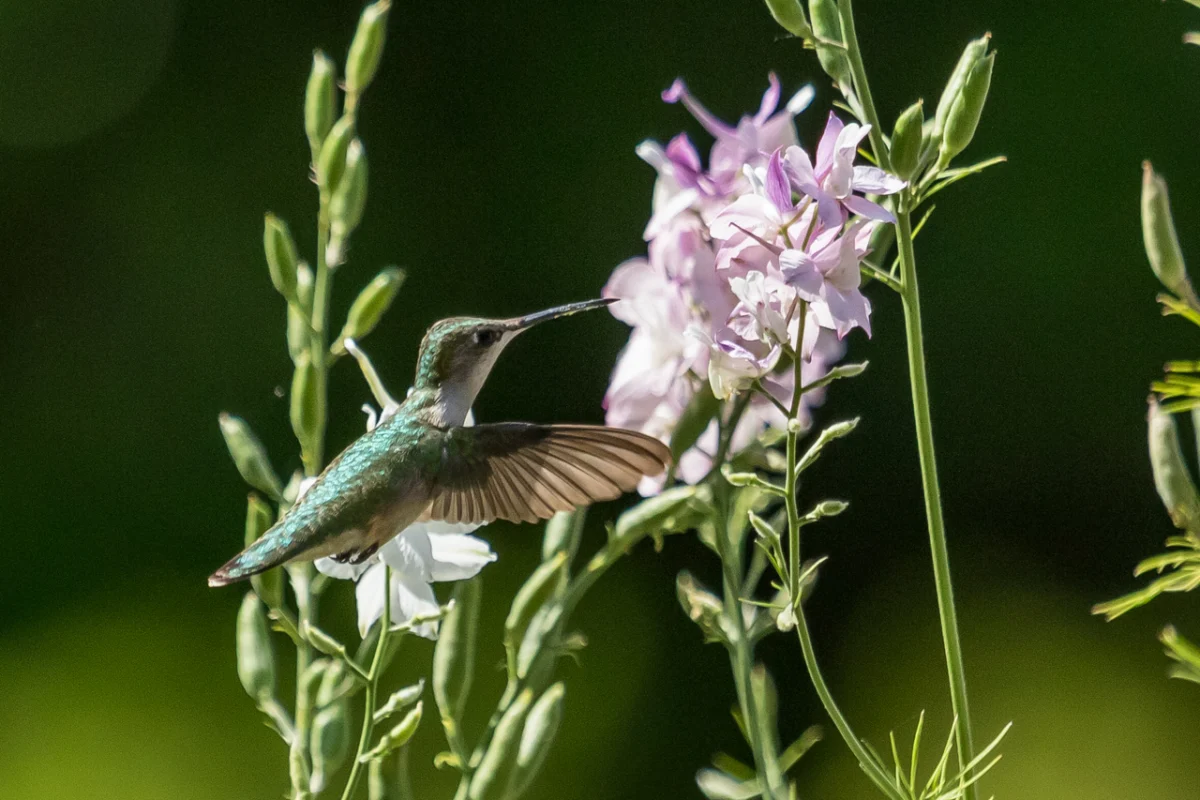
The Biological Marvel of the Ruby-throated Hummingbird
Despite their diminutive stature—weighing, on average, between 2.5 and 4 grams, roughly the weight of a common penny—these birds are capable of endurance feats that defy biological intuition. During the fall migration, a single individual may traverse distances exceeding 1,000 miles. For a bird of such small mass, this journey is not merely a matter of distance, but a complex physiological operation requiring precise metabolic regulation.
To prepare for this journey, hummingbirds enter a state of hyperphagia, a period of intensive feeding. They shift their diet to include not only nectar, which provides the necessary sugar for immediate energy, but also a significant intake of small insects and spiders. This high-protein, high-fat supplement is critical for building the fat reserves that will sustain them through long stretches of flight. Ornithologists note that these birds can nearly double their body weight in fat before departing, a survival strategy that provides the high-octane fuel required for trans-continental travel.
The Trans-Gulf Crossing: A High-Stakes Gamble
One of the most perilous segments of this migration occurs when the birds reach the Gulf Coast. Here, the hummingbird population diverges. A portion of the migratory cohort opts for a coastal route, hugging the shoreline of Texas and Mexico to minimize the distance spent over open water. However, a significant number of birds choose to fly directly across the Gulf of Mexico.
This direct path, spanning roughly 500 miles, represents a profound physiological gamble. The crossing typically requires between 18 and 22 hours of continuous flight. Because there are no opportunities for refueling or resting upon the surface of the water, the birds must possess sufficient energy stores to maintain their high-frequency wing beats—which can exceed 50 beats per second—throughout the entire duration of the flight. For researchers, this journey serves as a primary indicator of the health and sustainability of the species, as any disruption in stopover habitats or changes in weather patterns can lead to catastrophic losses during this specific leg of the journey.
Chronology of Migration
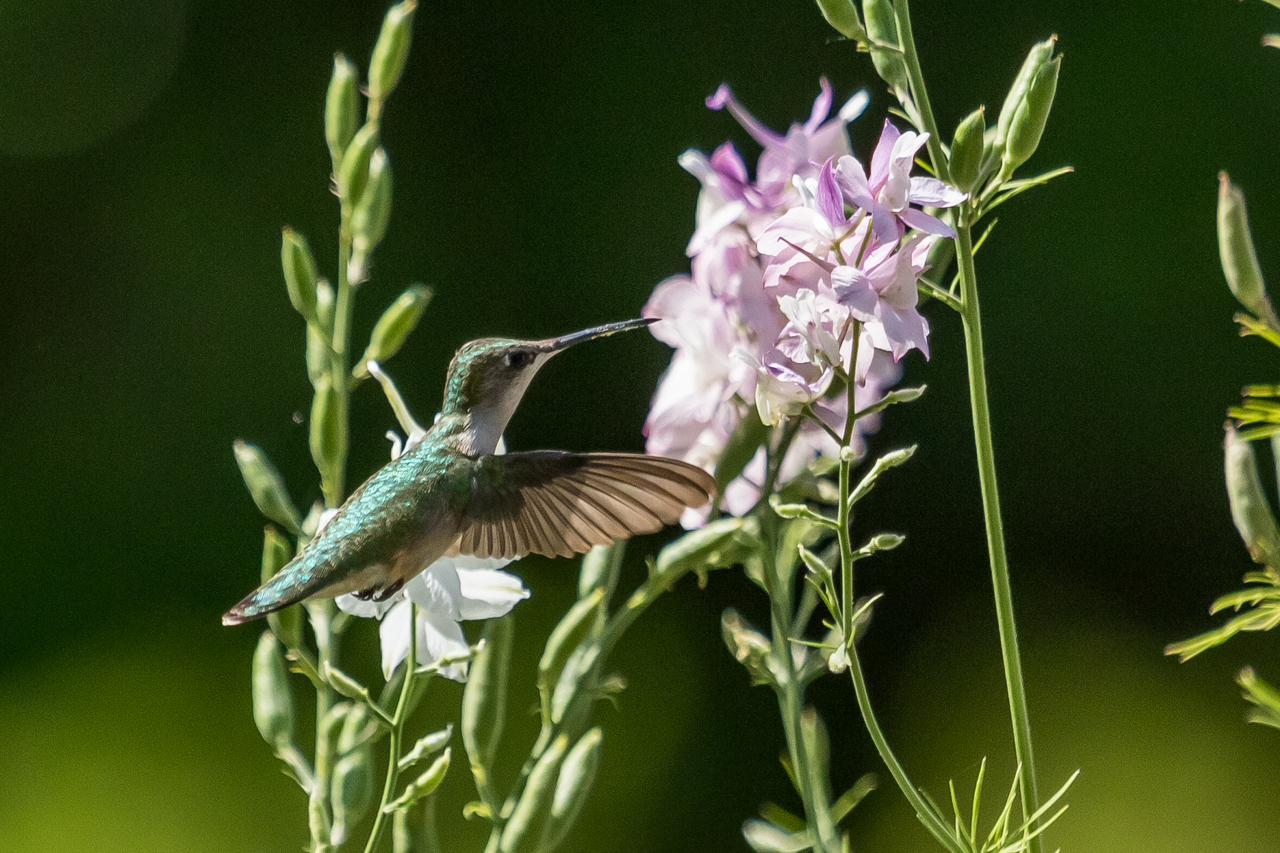
The timeline for this migration is highly predictable and synchronized with regional seasonal shifts. In the northernmost reaches of their breeding range, the exodus begins as early as mid-August. By September, the wave of migration reaches its peak intensity across the central and southern United States.
- Mid-August: Initial departure from southern Canada and the northern United States.
- Early to Mid-September: Peak activity across the mid-Atlantic and the American South as populations consolidate.
- Late September to Early October: The majority of the population enters the Gulf Coast region, where they stage for their final departure toward the tropics.
- Late October: Most Ruby-throated Hummingbirds have arrived in their wintering grounds in southern Mexico and parts of Central America.
Regional Significance and Observational Hubs
The Gulf Coast serves as a critical "staging ground" for these birds. Institutions such as the Gulf Coast Bird Observatory (GCBO) in Texas monitor these movements with scientific rigor. Data collected at such sites suggest that the preservation of native flowering plants and insect-rich environments is not merely an aesthetic preference for gardeners, but a vital conservation necessity for migrating wildlife.
The observatory’s annual Xtreme Hummingbird Xtravaganza, scheduled for September 12 and 19, is timed to align with the statistical peak of these migration waves. Such events provide a dual purpose: they offer the public a rare glimpse into the mechanics of avian migration while simultaneously facilitating citizen science initiatives. By banding birds and tracking arrivals and departures, these organizations can better understand the survival rates and migratory patterns of the species, which helps inform habitat protection policies at the federal and state levels.
Scientific Analysis and Environmental Implications
The migration of the Ruby-throated Hummingbird acts as a bio-indicator for the health of eastern North American ecosystems. Their reliance on specific nectar sources, such as trumpet creeper, jewelweed, and cardinal flower, underscores the importance of maintaining native plant corridors.
Environmental analysts have raised concerns regarding the "phenological mismatch" occurring due to shifting climate patterns. As global temperatures rise, the timing of peak nectar availability may no longer perfectly align with the birds’ arrival in certain regions. Furthermore, the loss of stopover habitats—woodland edges and meadows where birds can find insects and shelter—poses a tangible threat to the success of the migration.
Research from the Cornell Lab of Ornithology and various Audubon Society chapters suggests that suburban environments play an increasingly significant role in supporting these birds. As traditional wild habitats are fragmented by development, residential backyards have become essential "refueling stations." Experts advise that keeping hummingbird feeders clean and stocked, while also planting late-blooming native flora, can significantly aid these birds in successfully completing their journeys.
Observing the Migration in Your Own Backyard
For residents throughout the eastern and southern United States, the month of September offers a unique window to observe this phenomenon firsthand. Unlike the spring migration, which is often driven by the urgency of finding breeding territory, the fall migration is more protracted and relaxed.

Observers may notice an increase in territorial aggression at feeders, as birds compete for the high-energy resources needed to maintain their fat stores. This behavior is a natural part of the migratory preparation. When viewing these birds, it is important to remember that their stay in any given location is often transitory. A bird seen at a feeder today may be thousands of miles away within a week.
Looking Ahead: The Future of the Ruby-throated Hummingbird
As we look toward the conclusion of the 2026 fall migration, the importance of long-term monitoring becomes increasingly clear. While the Ruby-throated Hummingbird is currently classified as a species of least concern by the International Union for Conservation of Nature (IUCN), their reliance on international migratory routes means they are inherently vulnerable to environmental changes across multiple nations.
Efforts to track these birds via satellite tagging and light-level geolocators have provided unprecedented insight into their travel routes. Yet, much of the journey remains a mystery. The ability of a tiny creature to navigate thousands of miles with precision—often returning to the same garden year after year—remains one of the most compelling subjects in modern ornithology.
For the casual observer, the appearance of a hummingbird in late September is a reminder of the vast, interconnected natural world. These birds are not merely passing through a backyard; they are participating in a multi-generational cycle of survival. Whether they are successfully crossing the Gulf or navigating the dense foliage of the southern states, their journey serves as a testament to the resilience of nature in an increasingly urbanized landscape. By providing clean, reliable food sources and preserving natural habitats, the public contributes to the continued success of one of nature’s most extraordinary migrations.

