


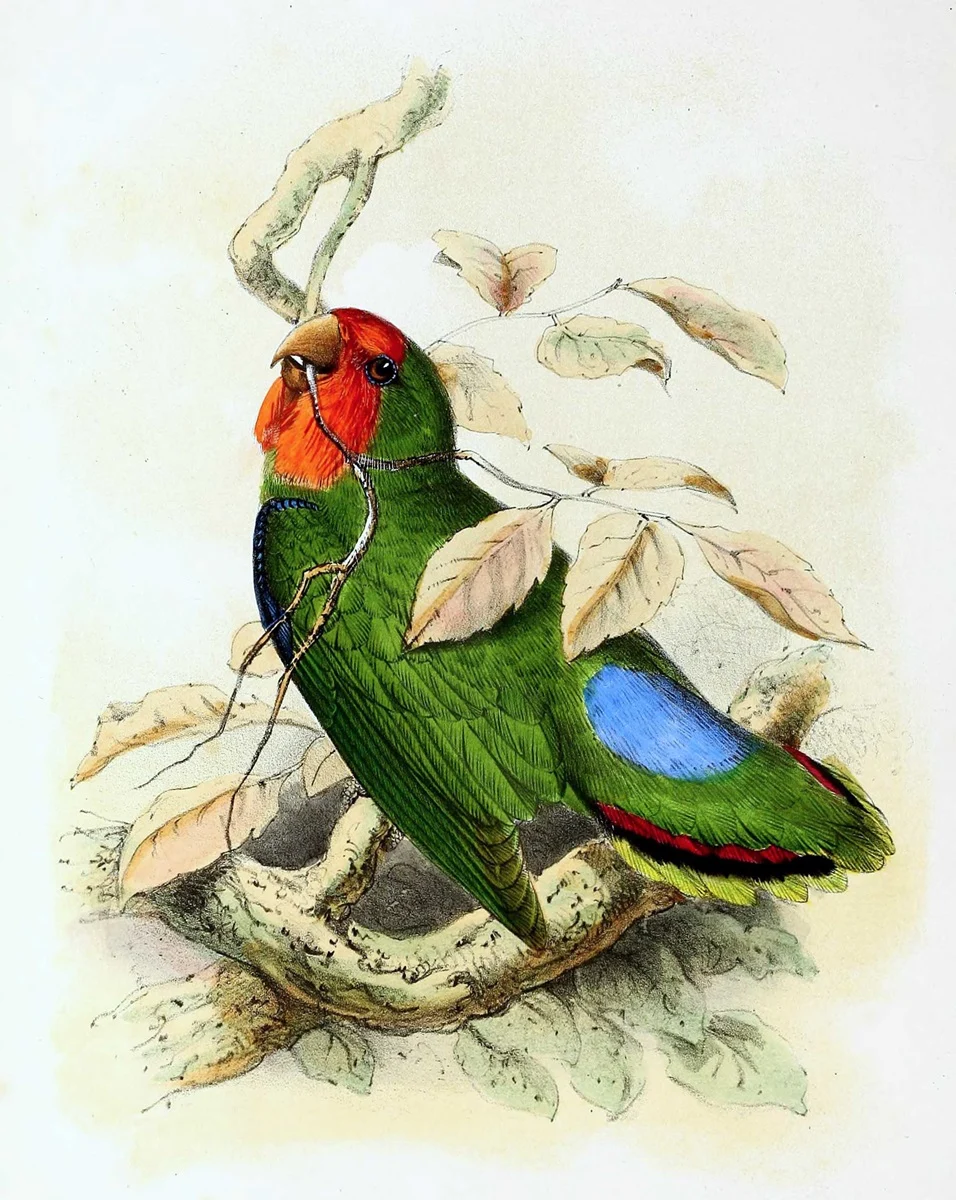
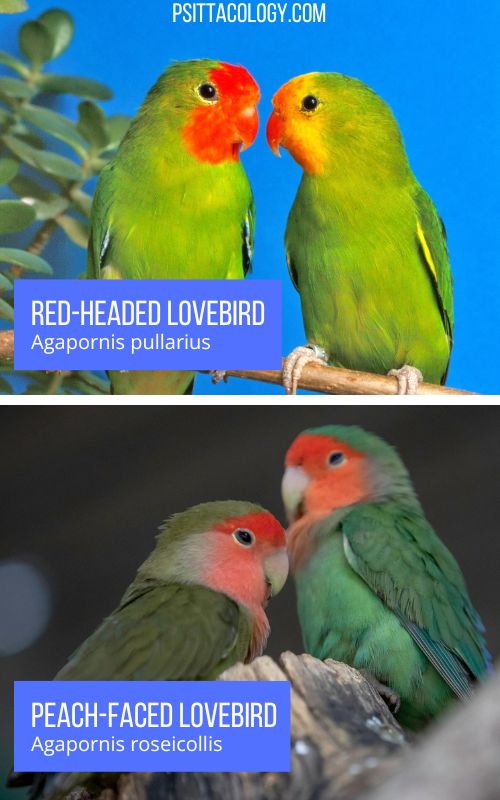
The red-headed lovebird, scientifically classified as Agapornis pullarius, remains one of the most enigmatic and least understood members of the Psittaculidae family, presenting unique challenges to both conservationists and experienced aviculturists. While its vibrant green plumage and striking scarlet face make it visually distinct, this African native is rarely encountered in domestic settings due to its notoriously delicate constitution and extreme sensitivity to environmental stressors. Measuring up to 15 centimeters in length and weighing a modest 45 grams, Agapornis pullarius shares morphological similarities with its more popular cousin, the peach-faced lovebird (Agapornis roseicollis), yet distinct physiological and behavioral traits set the two species apart. Understanding the ecological role, historical context, and specialized captive requirements of the red-headed lovebird provides critical insight into the broader challenges facing avian conservation and exotic pet trade regulation in West and Central Africa.
Geographic Range and Natural Habitat Dynamics
The natural distribution of Agapornis pullarius spans a broad yet patchy equatorial corridor across the African continent. Ranging westward from Guinea through the savannah ecosystems of Central Africa as far east as Ethiopia, the species occupies tropical lowland and mid-altitude savannahs up to 2,000 meters above sea level, though it predominantly inhabits lower elevations. Unlike nomadic parrot species that traverse vast continental distances in search of transient food sources, the red-headed lovebird is largely sedentary. It demonstrates a distinct ecological preference for savannah biomes punctuated by scattered tree cover, consciously avoiding dense primary rainforests where visibility and foraging patterns differ significantly.
Within these habitats, populations typically assemble in pairs or small, cohesive flocks consisting of a few dozen individuals. This localized stability, however, has not insulated the species from environmental pressures. Field ornithologists note that while the International Union for Conservation of Nature (IUCN) currently lists Agapornis pullarius as a species of Least Concern, local populations are experiencing localized declines. The species’ reliance on specific nesting substrates—primarily arboreal termitariums constructed by ants and termites—ties its survival directly to the health of broader savannah ecosystems.
Historical Context and the Global Avian Trade

The historical documentation of Agapornis pullarius dates back centuries, punctuated by scientific illustration and taxonomic classification that sought to map the biodiversity of sub-Saharan Africa. Renowned avian illustrator John Gerrard Keulemans captured the striking morphology of the red-headed lovebird in 1869, solidifying its place in ornithological literature. However, the species’ relationship with human commerce has historically been fraught with difficulty.
Unlike the Fischer’s lovebird or the peach-faced lovebird, which adapted exceptionally well to domestic breeding programs, the red-headed lovebird resisted widespread integration into aviculture. Historical trade data highlights a persistent demand for wild-caught specimens despite high mortality rates associated with transport and captivity. A comprehensive 2018 study tracking international wildlife exports documented that nearly 40,000 red-headed lovebirds had been legally exported from their native range since 1975. Prominent ornithologists Parr and Juniper observed in their landmark 2010 publication, Parrots: A Guide to Parrots of the World, that while abundance fluctuates due to natural behavioral habits, a genuine overall population decline has manifested across multiple regions throughout the 21st century, largely driven by the live bird trade and agricultural expansion.
Dietary Ecology and Agricultural Conflict
The ecological niche occupied by Agapornis pullarius is fundamentally defined by its specialized granivorous diet. In the wild, the red-headed lovebird relies heavily on grass seeds, utilizing its specialized beak morphology to efficiently dehusk wild and cultivated grains. This dietary preference frequently brings the species into direct conflict with local agrarian communities across its African range.
As agricultural frontiers expand into traditional savannah habitats, red-headed lovebirds frequently target cereal crops, particularly millet and sorghum. Consequently, farmers frequently view the species as an agricultural pest. When natural seed availability diminishes or agricultural crops present an accessible alternative, flocks congregate near farmlands, leading to localized culling and eradication efforts by landowners seeking to protect their yields. Beyond grains, the species supplements its nutritional intake with wild tropical fruits, including figs and guavas, which provide essential hydration and micronutrients during the dry seasons.
Captive Management, Husbandry, and Behavioral Challenges

Maintaining Agapornis pullarius in a captive environment requires a level of expertise possessed by only the most dedicated aviculturists. The primary barrier to successful keeping is the species’ acute predisposition to stress. Wild-caught specimens, in particular, are exceptionally high-strung; historical accounts document individuals suffering fatal stress responses—colloquially referred to as dropping dead—from sudden acoustic stimuli, such as a sharp, unexpected noise. Furthermore, when housed in multi-species aviaries alongside louder or more aggressive bird species, red-headed lovebirds frequently experience chronic anxiety that leads to self-neglect and cessation of feeding.
For experienced breeders who successfully acquire captive-bred specimens, specialized housing is non-negotiable. Indoor enclosures must measure a minimum of 30 inches (80 centimeters) in width, featuring tight bar spacing of approximately 0.5 inches (1.25 centimeters) to prevent escapes or injury. Enclosures must be enriched with natural wood perches, introduced gradually to avoid inducing panic.
Dietary management in captivity mirrors modern avian veterinary recommendations, moving beyond traditional dry seed mixes toward a balanced nutritional profile. Aviculturists increasingly supplement high-quality pelleted diets with sprouted seeds, fresh leafy greens, seasonal vegetables, and cooked grains. To support reproductive health, breeders introduce high-protein supplements, such as boiled eggs or mealworms, carefully calibrated to mimic the abundant protein sources available during natural seasonal cycles.
Reproductive Biology and the Breeding Conundrum
The reproductive cycle of Agapornis pullarius in the wild is meticulously synchronized with the arrival of the regional rainy season, a period when environmental conditions guarantee an abundance of food resources. The nesting behavior of the red-headed lovebird is one of the most remarkable adaptations within the genus Agapornis. Rather than utilizing standard tree cavities exclusively, pairs seek out active or abandoned arboreal termite nests (termitariums) or subterranean cavities created by animals such as woodpeckers.
The female assumes the arduous task of excavating a burrow directly into the hard matrix of the termitarium, subsequently reinforcing the interior chamber with fragments of grass leaves and plant fiber. Once the nest architecture is complete, the female typically deposits a clutch of up to six eggs.
Replicating this specialized breeding dynamic in captivity has proven exceptionally difficult, serving as a primary deterrent for commercial breeders. The combination of extreme nervousness and the physiological imperative to burrow into termitariums often results in abandoned clutches or failed incubation. Nevertheless, specialized aviculturists have achieved breakthrough successes by innovating artificial nesting environments, such as custom-molded cork nest boxes that simulate the density and thermal properties of natural termite mounds.
Implications for Conservation and Future Research
The trajectory of Agapornis pullarius underscores the complex balance between wildlife preservation, international trade regulation, and local agricultural realities. While the species maintains a stable macro-classification under current IUCN parameters, the cumulative pressures of habitat fragmentation, localized human-wildlife conflict, and historical export volumes point toward an urgent need for updated field censuses.
Conservation biologists emphasize that protecting the red-headed lovebird requires targeted habitat preservation within West and Central African savannahs, focusing specifically on the conservation of old-growth trees and indigenous ant and termite populations necessary for nesting. Simultaneously, stricter oversight of the international exotic pet trade and enhanced support for sustainable, captive-bred propagation programs remain critical to reducing reliance on wild-caught specimens. As global awareness of avian biodiversity expands, continued research into the behavioral ecology and psychological resilience of Agapornis pullarius will remain paramount to ensuring the long-term survival of this vibrant African parrot.

