


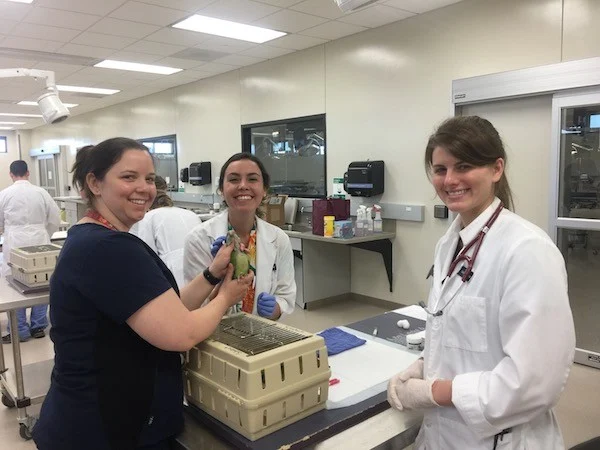
The landscape of veterinary medicine is undergoing a transformative shift, marked by an increasing emphasis on specialized care for non-traditional species, including avian, exotic, and wildlife populations. Over the past two decades, a robust network of academic institutions and industry experts has established a collaborative framework designed to elevate the standards of care for these unique patients. Through a series of symposiums, wet labs, and distance-learning initiatives, veterinary students across North America are gaining unprecedented access to clinical experts, helping to bridge the gap between general practice and specialized zoological medicine.
This academic engagement, supported significantly by the Lafeber Company and various professional organizations like the Association of Avian Veterinarians (AAV), has created a comprehensive educational pipeline. From the earliest recorded sessions in 2007—such as the American Eagle Foundation’s presentation at the University of Tennessee—to the virtual global reach of 2026, the evolution of these programs reflects a growing recognition that clinical excellence in exotic animal medicine is critical to modern veterinary practice.
A Chronology of Clinical Advancement
The progression of these educational events reveals a clear trend: the transition from localized, in-person demonstrations to sophisticated, high-reach distance learning. In the late 2000s and early 2010s, the focus was predominantly on institution-specific workshops. For example, the 2013 "Medicine of Aquatics, Amphibians & Reptiles" (MOAAR) symposium at Purdue University and the various annual Special Species Symposiums at Cornell and the University of Pennsylvania served as foundational pillars. These events provided students with hands-on experience, such as the 2014 emergency and critical care wet labs, which allowed participants to move beyond theoretical knowledge into the realm of tactile clinical skill.
By the mid-2010s, the integration of experts from major zoos and rehabilitation centers became standard. Notable interactions included Dr. Hayley Murphy’s 2013 and 2014 sessions on Great Ape heart health and zoo surgery at Tuskegee and the University of Georgia, respectively. These interactions highlighted the importance of conservation medicine, a field that has gained significant traction as climate change and habitat loss increase the frequency of human-wildlife encounters.
The arrival of the 2020s forced a necessary innovation in pedagogical delivery. The COVID-19 pandemic catalyzed a rapid adoption of remote learning, a pivot that inadvertently expanded the accessibility of elite-level veterinary education. Distance-learning events, such as Dr. Gregory Rich’s 2021 introduction to exotic animal medicine at Iowa State and Texas A&M, demonstrated that geographic barriers were no longer a limiting factor for specialized training. This shift has continued into 2026, with virtual presentations by experts like Dr. Rebecca Duerr and Dr. Amanda Fisher reaching audiences at Kansas State University and the University of Arizona, respectively.
The Pillars of Specialized Training
The curriculum covered in these sessions is as diverse as the species treated. Key areas of focus include:
- Avian Medicine and Nutrition: As evidenced by the frequent presentations on avian nutrition fundamentals by Kara Burns and avian surgery by various specialists, nutrition is increasingly viewed as the cornerstone of preventative health for captive birds.
- Wildlife Rehabilitation: The collaboration with organizations like the International Bird Rescue and the Alaska SeaLife Centre underscores the ethical and ecological responsibilities of the veterinary profession.
- Advanced Diagnostic Techniques: The technical depth of these sessions has increased significantly, with workshops covering ultrasound in birds, exotic animal ophthalmology, and advanced radiologic interpretation for sea turtles and other reptiles.
- Behavioral Medicine: Recognizing that behavioral issues are often precursors to physical illness, symposiums have increasingly incorporated lectures on parrot cognition and rabbit GI physiology.
Industry Impact and Professional Integration
The involvement of industry sponsors like Lafeber is not merely a matter of financial support; it represents an investment in the long-term viability of the exotic pet and zoological sectors. By funding symposiums, sponsoring bird walks, and providing educational grants, these stakeholders ensure that the next generation of veterinarians enters the workforce with the specialized competencies required to treat non-traditional species.
"The goal is to move beyond the ‘generalist’ mindset," notes one industry analyst. "When a student attends a wet lab on reptile anesthesia or rabbit dentistry, they are acquiring skills that are frequently underserviced in standard veterinary curricula. This creates a workforce that is more versatile and better equipped to handle the rising demand for exotic pet care in domestic settings."
The success of these programs is also measured by the engagement of student clubs. The Wildlife, Avian, Zoo & Exotic (WAZE) clubs and their equivalents across universities are the primary drivers of this educational ecosystem. By organizing these events, students demonstrate proactive professional development, fostering partnerships with the AAV and other professional bodies that persist long after graduation.
Implications for the Future of Veterinary Practice
The implications of this sustained academic outreach are far-reaching. First, it addresses the "exotic pet gap." As the popularity of exotic companion animals grows, so does the demand for veterinarians who are proficient in their care. The educational pipeline ensures that clinics are not left in a position where they must turn away patients due to a lack of specialized training.
Second, the emphasis on conservation and wildlife medicine—exemplified by the 2026 Wildlife Conservation Day at Cornell and the ongoing focus on avian medical problems—aligns the veterinary profession with the global "One Health" initiative. One Health recognizes that the health of people is connected to the health of animals and the environment. By training veterinarians in the pathology of oiled birds or the disease monitoring of shellfish, the profession is directly contributing to environmental stability.
Finally, the shift toward a "distance-learning" model has democratized education. Students in smaller or more remote veterinary programs now have the same access to world-class lecturers as those in major research hubs. This leveling of the playing field ensures that a uniform standard of care can eventually be expected across the profession, regardless of the clinician’s geographic location.
A Data-Driven Outlook
Quantitative data from the past decade of events suggests a consistent upward trajectory in the number of annual educational sessions. While 2013-2015 saw roughly 10-15 major sponsored events per year, the post-2020 era has seen this figure double, aided by the ease of virtual hosting. This proliferation of knowledge is expected to continue as AI-integrated diagnostic tools and telemedicine continue to change the way exotic medicine is practiced in the field.
Looking toward the remainder of 2026 and beyond, the focus is expected to remain on integration. The combination of clinical case discussions, ethical considerations in conservation, and the continued refinement of surgical techniques will remain the primary drivers of these academic partnerships.
Conclusion
The collaborative effort between veterinary schools, private practitioners, and industry stakeholders serves as a model for interdisciplinary professional development. By consistently providing high-quality, specialized educational content, the veterinary community is effectively future-proofing the profession. As the lines between wildlife, zoological, and companion animal medicine continue to blur, the knowledge disseminated through these hundreds of events will serve as the foundation upon which the next century of veterinary care is built. The commitment to academic rigor and clinical outreach ensures that the well-being of the planet’s diverse animal populations remains a central, prioritized mission of the veterinary field.

