


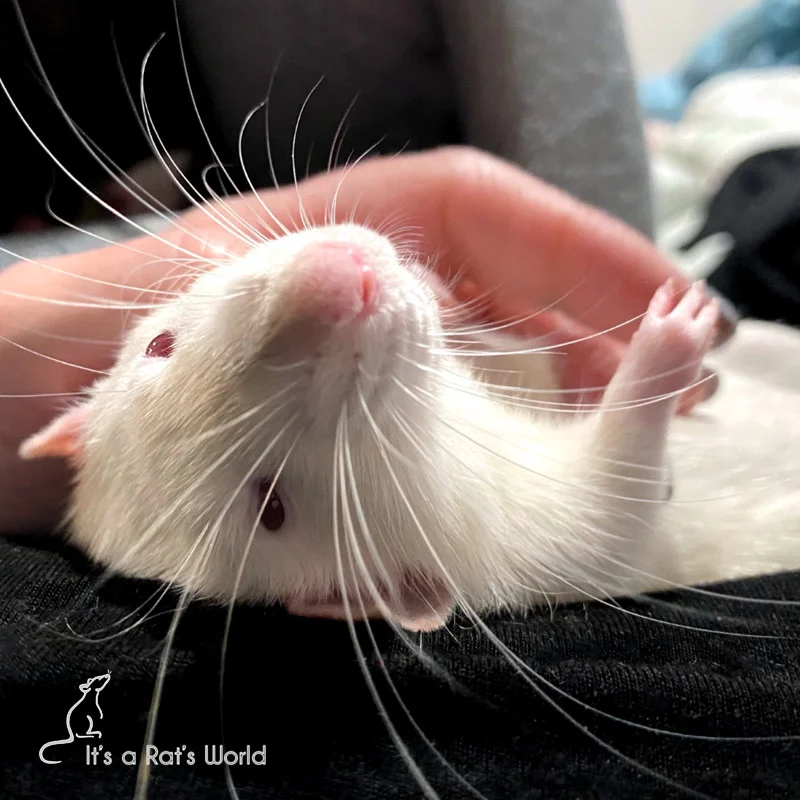
The decision to part ways with beloved pets is never easy, and for rat enthusiasts, this often presents a deeply emotional and challenging crossroads. While rats are celebrated for their intelligence, social nature, and the unique joy they bring as companions, life’s unpredictable turns can necessitate a reconsideration of this commitment. From unforeseen financial strains and health crises to the simple, yet profound, emotional toll of their short lifespans, owners may find themselves grappling with the possibility of rehoming. This article explores the multifaceted reasons behind such decisions, offering insights into responsible pet ownership, the emotional impact of loss, and the critical importance of safe and ethical rehoming practices.
Understanding the Commitment: More Than Just a Pet
Bringing any animal into one’s home is, by definition, a sacred commitment. For rat owners, this commitment involves understanding their specific needs: a social environment, appropriate housing, specialized veterinary care, and consistent interaction. Rats, often misunderstood, are highly social creatures that thrive in small groups and require mental stimulation. Their intelligence and capacity for forming strong bonds with their human caretakers make them particularly rewarding pets. However, the very qualities that make them cherished companions also amplify the emotional impact when circumstances change, forcing owners to confront difficult choices.
The Unforeseen Interruption: When Life Diverges from Plan
Life rarely unfolds precisely as anticipated. For many, the journey of rat ownership, once a source of immense happiness, can become untenable due to a confluence of external pressures. The author’s personal experience, detailed in the original account, highlights health-related issues as a primary catalyst for a prolonged hiatus from rat ownership. This is a common thread for many pet owners, as aging, chronic illness, or sudden health emergencies can significantly alter one’s capacity to provide the necessary care.
Beyond personal health, a spectrum of life events can render continued ownership unsustainable:
- Financial Hardship: The rising cost of living, coupled with the often-specialized and thus more expensive veterinary care required for exotic pets like rats, can create insurmountable financial burdens. Vet bills, particularly for unexpected illnesses or surgeries, can quickly escalate, forcing owners to make agonizing choices between their pets’ well-being and their own financial stability.
- Relocation and Housing Changes: Moving, especially to areas with strict pet policies or to accommodations that do not permit rodents, can necessitate rehoming. Similarly, changes in family structure, such as the arrival of a new baby or a severe allergy developing within the household, can create an immediate need for alternative arrangements.
- Caregiver Fatigue and Burnout: The cumulative emotional and physical toll of caring for pets, especially those with shorter lifespans and a propensity for health issues, can lead to burnout. For some, the recurring cycle of nurturing, bonding, and grieving can become overwhelming, leading to a desire for a break.
The Economic Realities of Rat Ownership
The financial commitment to rat ownership is often underestimated. While initial setup costs for a cage and accessories might be moderate, ongoing expenses are significant.
- Veterinary Care: Rats are prone to respiratory infections, tumors, and other health conditions. Access to a veterinarian specializing in exotic animals is crucial. Routine check-ups, diagnostic tests, medications, and emergency care can quickly accumulate. For instance, a typical emergency vet visit for a rodent can range from $150 to $300, with further costs for diagnostics and treatment. A single tumor removal surgery, a common procedure in older rats, can cost upwards of $500-$1000.
- Diet and Supplies: High-quality rat food, fresh fruits and vegetables, bedding, and enrichment items contribute to ongoing expenses. While not as significant as veterinary bills, these costs are still a consistent factor in a pet owner’s budget.
When these expenses become unmanageable, owners may find themselves in a position where they can no longer afford the quality of care their rats deserve. This financial strain can be a primary driver for rehoming, often leading to a period of savings and financial rebuilding before considering future pet ownership.
Health Considerations: For Owner and Pet Alike
The interconnectedness of human and animal health cannot be overstated. As the original article illustrates, the owner’s deteriorating health became a significant factor in their ability to continue caring for their rats. Chronic illnesses can limit mobility, energy levels, and the capacity to manage complex care routines, particularly for pets that require frequent medication or specialized handling.
Furthermore, the emotional well-being of the owner is intrinsically linked to their ability to provide a nurturing environment. The profound grief that accompanies the loss of a pet, especially one with a short lifespan, can be debilitating. For owners who have experienced multiple such losses, the prospect of forming new bonds and facing further heartbreak can be too much to bear. This emotional fatigue, often compounded by physical ailments, can create a situation where a break from pet ownership is not a luxury, but a necessity for the owner’s own recovery and well-being.
The Emotional Landscape: Grief, Loss, and Burnout
Rats, despite their size, occupy a significant space in the hearts of their owners. Their intelligence, playful antics, and affectionate nature foster deep emotional connections. The brevity of their lives, typically two to three years, means that owners often face repeated cycles of bonding and loss. For someone who has owned rats for an extended period, this can result in numerous "rat-shaped holes" in their heart, as described by the author.
The cumulative grief from these losses, coupled with the stress of managing aging or ill pets, can lead to profound burnout. This is not a sign of weakness but a natural response to sustained emotional investment and loss. Recognizing and acknowledging this emotional toll is a crucial step in making responsible decisions about future pet ownership. The experience of losing a beloved pet can be as profound as the loss of a human companion, and adequate time and space are needed to process this grief.
The Challenge of Singleton Rats and Rehoming
A cornerstone of responsible rat ownership is the understanding that they are social animals and should ideally live in groups. However, life events can sometimes lead to a single rat remaining. While the instinct might be to immediately find a new companion for the singleton, the author suggests that if a break from ownership is needed, it is acceptable to provide extra attention to the remaining rat rather than perpetuating the cycle of acquisition and loss. This allows the owner to prioritize their own needs while still ensuring the current rat receives sufficient care and companionship.
When rehoming becomes unavoidable, the process demands careful consideration and ethical practices. The original article strongly advises against releasing rats into the wild, as they are domesticated animals ill-equipped to survive predators, disease, and environmental challenges. Similarly, the author cautions against surrendering rats to general animal shelters that may not have specialized knowledge of rodent care or adequate resources to ensure their well-being, particularly in areas with high intake rates and limited adoption opportunities for less common pets.
Navigating the Rehoming Process Safely
For owners facing the necessity of rehoming, a structured and safe approach is paramount:
- Reputable Rat Rescues: The primary recommendation is to seek out established rat rescue organizations. These groups often have dedicated foster networks and a deep understanding of rat behavior and needs. They can vet potential adopters and ensure a smooth transition for the animals.
- Veterinary Referrals: Exotic veterinarians are often valuable resources for connecting owners with reputable rescues or individuals looking to adopt rats. They may have bulletin boards for "home needed" flyers or knowledge of local rescue initiatives.
- Online Communities: Social media platforms like Facebook and Reddit host numerous rat enthusiast groups where individuals seeking to rehome can connect with potential adopters or find recommendations for rescues. However, extreme caution is advised to vet any potential adopters thoroughly.
- Avoid Risky Platforms: Platforms like Craigslist, while offering a broad reach, lack the vetting processes of dedicated rescues and can expose rats to unsafe or exploitative situations. The risk of rats falling into the wrong hands or being used for nefarious purposes is significant.
- Responsible Surrender: If a dedicated rat rescue or a suitable private placement cannot be found, owners should inquire about no-kill shelters that have specific programs for small animals. However, this should be a last resort, as even no-kill shelters can face capacity issues.
The guiding principle in rehoming is to prioritize the rats’ welfare, ensuring they transition to a home where they will receive proper care, companionship, and a secure environment. This final act of responsibility is a testament to the owner’s enduring commitment to their pets.
Embracing a Life Without Rats: A Period of Healing and Reflection
The decision to take a break from rat ownership, or to rehome, is not a sign of diminished affection or a failure of commitment. It is, in many cases, an act of profound self-awareness and responsible stewardship. The author’s candid reflection on the two years spent without rats underscores the deep void left by their absence, but also the necessity of that period for healing and recovery.
The experience of loving and losing rats, and the subsequent emotional and physical toll, highlights the need for owners to prioritize their own well-being. This break allows for the processing of grief, the recovery from burnout, and the rebuilding of the capacity to provide the dedicated care that rats deserve. It is a testament to the strong bonds formed and the significant impact these small creatures have on our lives. Ultimately, acknowledging the challenges and making the difficult, yet necessary, decisions ensures that both the human and animal lives involved can move towards a healthier and more sustainable future, with the enduring hope that perhaps, one day, the joy of rat companionship can be revisited.

