


Pet rat ownership has undergone a significant paradigm shift over the past three decades. As domestic rats continue to gain popularity as "pocket pets," veterinary science and husbandry standards have evolved to replace the outdated, often harmful practices that characterized the 1990s. Despite this progress, many new owners continue to inadvertently repeat historical mistakes due to the proliferation of unreliable information on social media and the availability of improper supplies in commercial retail environments. Understanding the intersection of animal welfare and proper husbandry is essential for ensuring the health and longevity of these highly social and intelligent creatures.
The Evolution of Rat Husbandry
In the 1990s, the standard of care for domesticated rats was largely experimental. Common practices—such as housing rats in small, poorly ventilated aquariums and utilizing aromatic wood shavings—are now known to contribute to severe respiratory distress and premature mortality. Historically, rats were viewed as low-maintenance, disposable pets, a perspective that led to widespread neglect.

By the early 2000s, the rise of specialized rescue organizations and the emergence of academic-backed resources, such as the Rat Guide, began to standardize care. Today, veterinarians specializing in exotic pets emphasize that rats require complex environments that account for their social nature, high metabolic rates, and propensity for respiratory issues. Despite these advancements, the disconnect between modern scientific consensus and consumer-facing retail marketing remains a primary driver of preventable health crises in domestic rat populations.
1. The Perils of Misinformation and Digital Echo Chambers
The primary obstacle to modern rat welfare is the "information paradox." While the internet provides unprecedented access to data, it also serves as a platform for the rapid dissemination of anecdotal, outdated, or scientifically inaccurate advice. Pet store employees, often lacking specialized training in exotic animal care, may inadvertently provide guidance that contradicts current veterinary standards.
Experts emphasize that potential owners must verify sources against peer-reviewed veterinary literature. Platforms such as the Rat Guide are frequently cited as the gold standard, as they aggregate data from clinical studies and experienced practitioners. Furthermore, there is a growing concern regarding the use of Artificial Intelligence in pet care. AI models often synthesize information from a broad, unverified internet corpus, leading to the risk of "hallucinated" advice that can have fatal consequences for small animals. Owners are cautioned to prioritize guidance from licensed exotic veterinarians and long-standing, reputable rescue collectives over viral social media influencers.

2. Housing Infrastructure and Environmental Hazards
One of the most persistent issues in domestic rat care is the failure to provide adequate housing. Modern standards dictate that a cage must offer more than just vertical space; it must provide sufficient air circulation to mitigate the buildup of ammonia, a byproduct of urine that is particularly damaging to the delicate respiratory tracts of rats.
Research indicates that the ideal habitat is a multi-level wire-mesh enclosure, which facilitates natural climbing behaviors. A critical oversight is the presence of exposed wire floors, which have been clinically linked to pododermatitis, commonly known as "bumblefoot." Furthermore, the selection of bedding remains a significant environmental variable. Cedar and pine shavings contain phenols that have been proven to cause respiratory irritation. Alternatives such as dust-free paper bedding or fleece liners are recommended. Additionally, when using natural substrates like crushed walnut shells, owners must follow strict sanitation protocols—including freezing the material for up to 48 hours—to neutralize potential mite infestations.
3. Nutritional Mismanagement and Metabolic Health
Nutritional science for rodents has advanced significantly, yet overfeeding remains a common health challenge. Commercial lab blocks, designed to provide a balanced macro-nutrient profile, are frequently supplemented with "treats" that are high in fat, sugar, or sodium.

Clinical observations suggest that obesity in rats is often a precursor to secondary health issues, including heart disease and diabetes. While human-grade food can be offered in moderation, it should not constitute a significant portion of the diet. The recommended approach involves a high-quality staple diet formulated specifically for rat physiology, supplemented with measured portions of fresh vegetables. Failure to monitor caloric intake can drastically shorten a rat’s lifespan, which typically averages between two and three years.
4. Behavioral Needs: Socialization and Mental Stimulation
Rats are obligate social animals; they possess complex cognitive abilities and thrive in hierarchies within a "mischief" (a group of rats). The practice of keeping a single rat—a common mistake among novice owners—is now widely considered detrimental to the animal’s psychological well-being. Isolation can lead to self-mutilation, extreme lethargy, and stress-induced immune system suppression.
Beyond social interaction, rats require daily cognitive engagement. A sedentary life within a cage leads to rapid physical deterioration. Behavioral enrichment, such as foraging puzzles, tunnels, and designated "free-range" time in a secure environment, is essential. However, free-ranging must be approached with caution; common household dangers, including electrical wiring, toxic houseplants, and small gaps behind appliances, pose significant risks that owners must mitigate through rigorous "rat-proofing."

5. Financial Readiness and the Rising Cost of Care
The economic reality of exotic pet ownership is often underestimated. Between 2014 and 2024, the cost of veterinary care for small mammals increased by approximately 60%. This rise is attributed to the increased complexity of diagnostic procedures and the specialized training required for exotic veterinarians.
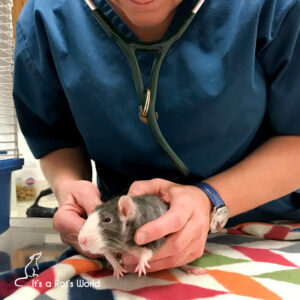
Respiratory infections, mammary tumors, and age-related mobility issues are near-certainties for domestic rats. Financial preparedness—ideally in the form of a dedicated emergency fund—is a prerequisite for responsible ownership. Prospective owners are encouraged to secure a relationship with an exotic-specialist veterinarian before the animal is even brought home. Relying on "on-call" emergency clinics that lack specific rodent expertise often leads to delayed treatment and poorer health outcomes.
6. The Necessity of Geriatric Care
As rats enter their senior phase—typically around 18 to 24 months—their requirements shift dramatically. Many owners fail to recognize the onset of geriatric decline, leading to accidents or nutritional deficiencies.

Key modifications for senior rats include:
- Accessibility: Lowering platforms and hammocks to prevent falls due to diminished balance.
- Dietary Support: Introducing softer, easily digestible foods for rats experiencing dental wear or difficulty chewing.
- Symptom Vigilance: Increased frequency of veterinary check-ups to manage chronic pain and respiratory conditions.
Recognizing the shift from "active adult" to "senior" status is a hallmark of an advanced owner. Proactive palliative care can extend the quality of life significantly, preventing unnecessary suffering during the final months of the animal’s life.
7. The Commitment Gap
Ultimately, the most common "mistake" is a lack of long-term commitment. Rats are highly intelligent and bond deeply with their owners, recognizing vocal patterns, scents, and daily routines. When these routines are ignored, the bond degrades, and the rat’s mental health suffers.
Data from animal welfare groups suggests that surrender rates for small mammals spike during the one-year mark, often coinciding with the onset of the animal’s first major health challenges. Responsible ownership requires a daily investment of time and attention, treating the rat as a core member of the household rather than an ornamental pet. By transitioning away from outdated myths and embracing evidence-based husbandry, owners can ensure that their rats lead lives defined by comfort, curiosity, and companionship. The investment of effort is substantial, but for the informed owner, the reward is a uniquely profound interspecies connection.

