


The conclusion of a intensive weeklong animal welfare relief initiative in Galax, Virginia, has highlighted both the persistent challenges of rural pet overpopulation and the tangible successes of collaborative rescue operations. Spearheaded by People for the Ethical Treatment of Animals (PETA) in close partnership with the Twin County Humane Society, the multi-day deployment resulted in more than 250 cats and dogs receiving critical veterinary services, including spay and neuter surgeries, essential vaccinations, and permanent microchip identification. Beyond these foundational health measures, the campaign targeted the welfare of tethered and neglected animals throughout Southwest Virginia, improving living conditions for dozens of outdoor dogs and successfully transitioning ten rescued canines into foster and adoptive pathways in Norfolk.
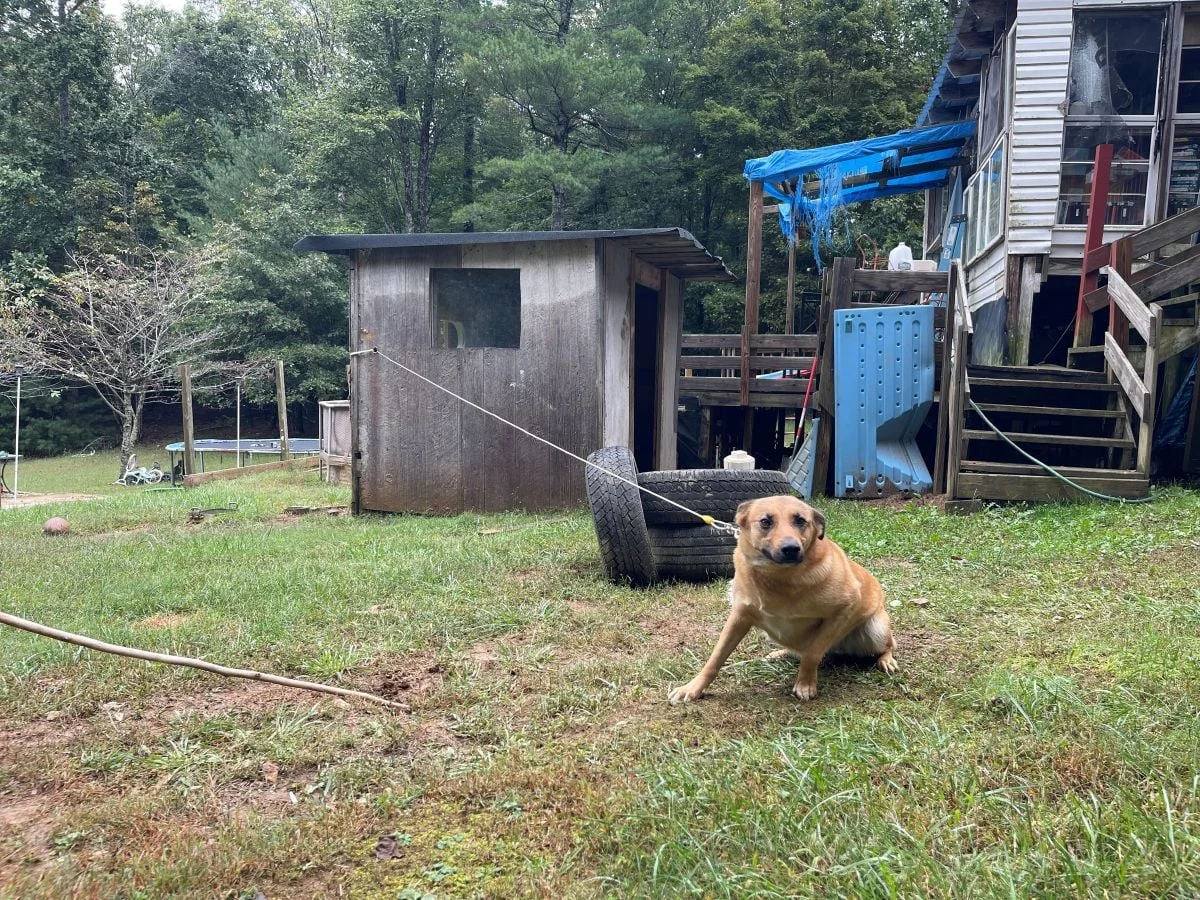
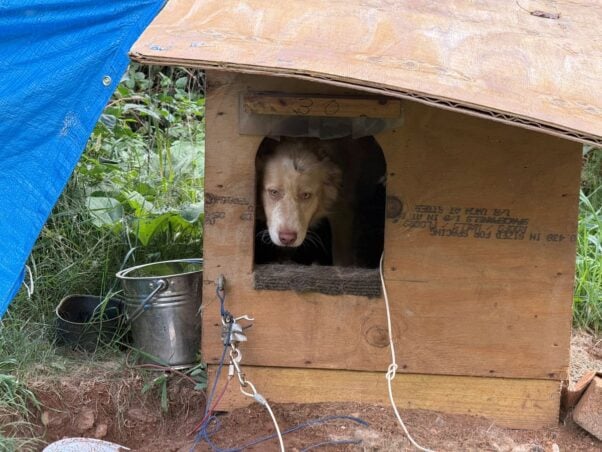
The comprehensive outreach effort addressed a complex spectrum of animal care deficits common in economically constrained rural regions. While stationary spay and neuter clinics handled high-volume surgeries to curb long-term overpopulation, dedicated fieldworkers canvassed neighborhoods alongside local animal control officers and humane society staff. These teams responded to direct community tips and distress calls regarding "backyard dogs"—animals frequently relegated to isolation on heavy chains with minimal protection from the elements.
Comprehensive Welfare Interventions in Southwest Virginia
During the rigorous canvassing operations, fieldworkers systematically upgraded the daily realities of neglected animals. Dozens of dogs received insulated, structurally sound doghouses to replace inadequate shelter, alongside critical preventative treatments such as flea and tick medications. To improve the physical well-being of these animals, volunteers performed routine maintenance, including nail trims and matted fur removals, which often alleviate chronic discomfort and pain.
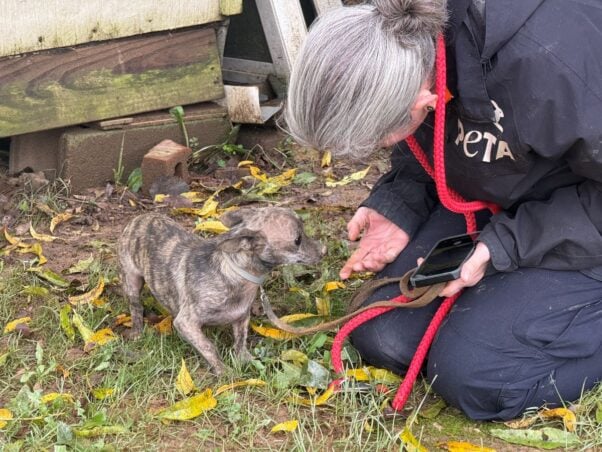
Furthermore, fieldworkers sought to enrich the psychological state of isolated animals. Dogs that had spent their entire lives on heavy restraints were fitted with lightweight tie-outs that reduced physical strain. Many of these animals were also provided with their first-ever toys, new collars, and intentional human affection designed to counteract the psychological toll of long-term isolation.
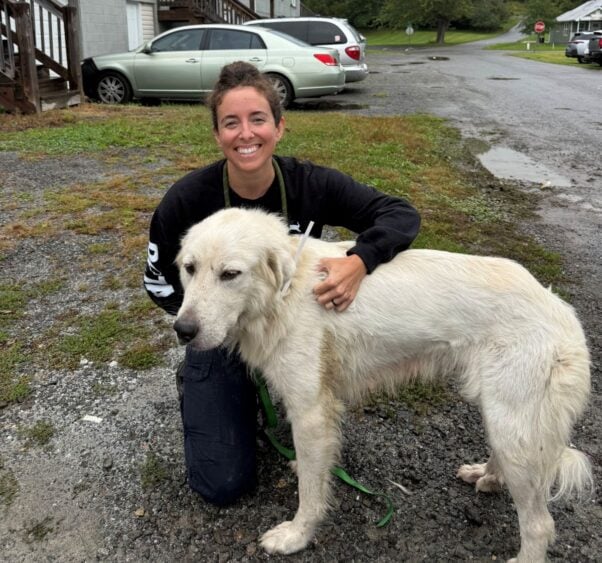
While temporary improvements are vital for outdoor animals, the overarching objective of the collaborative campaign remained the permanent cessation of chaining and the transition of animals into indoor environments. Through persistent dialogue and compassionate persuasion, PETA fieldworkers convinced owners of ten specific neglected dogs to surrender custody or allow the relocation of their animals into indoor homes. These ten dogs were subsequently transported to PETA’s headquarters in Norfolk, Virginia, where they entered the organization’s foster and adoption pipeline.
Detailed Profiles of the Rescued Canines
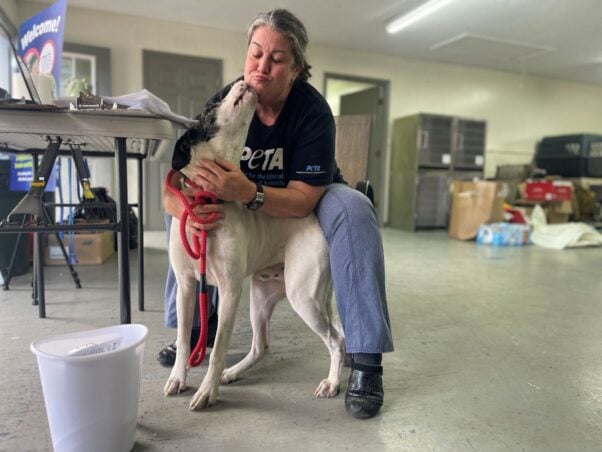
PETA has initiated an urgent placement campaign for the ten dogs rescued during the Galax initiative, seeking qualified adopters along the East Coast. The cohort reflects a diverse cross-section of breeds, ages, and backgrounds, each requiring specific home environments to ensure successful integration.
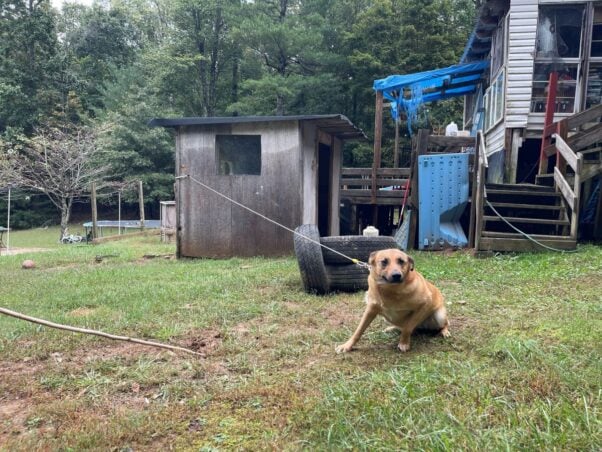
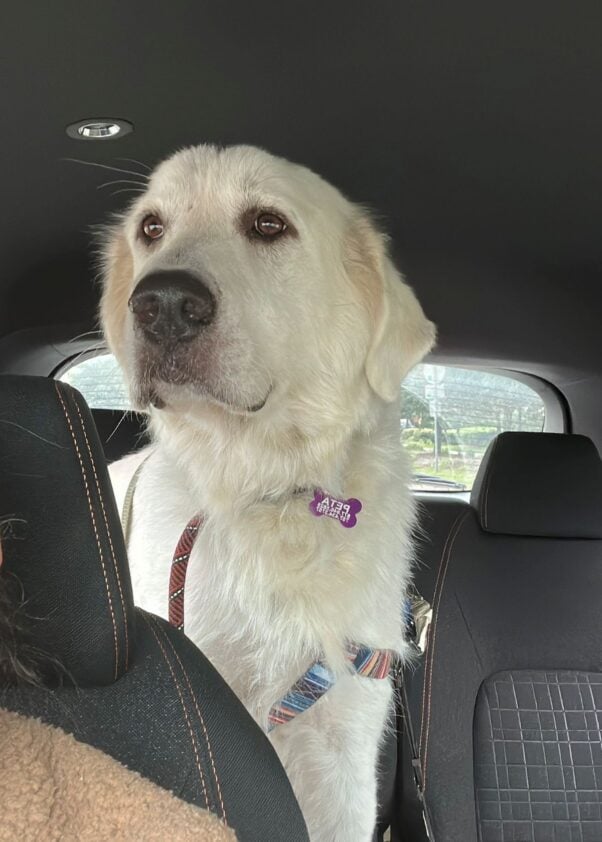
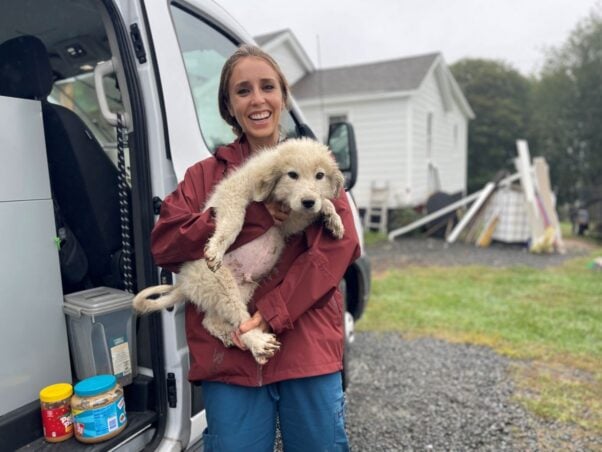
Among the cohort is Ursa, a three-year-old Great Pyrenees described by handlers as temperamentally suited for a balance of moderate outdoor exercise and indoor companionship. Joining her is Sunny, a twelve-week-old puppy whose stark white coat was only revealed after fieldworkers administered his first bath following rescue from an exposed environment.
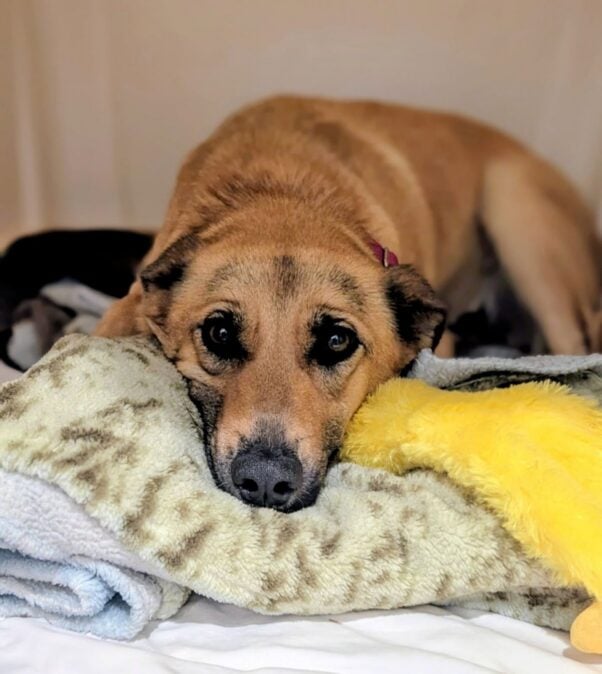
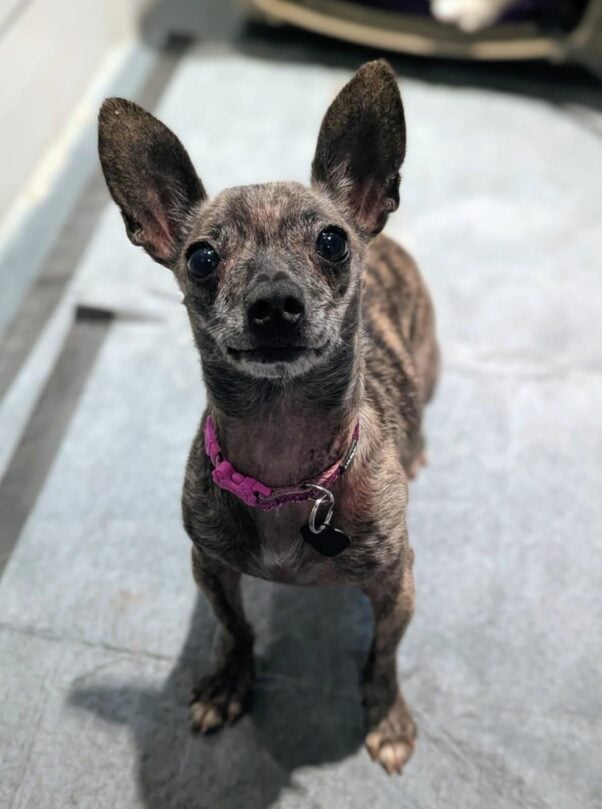
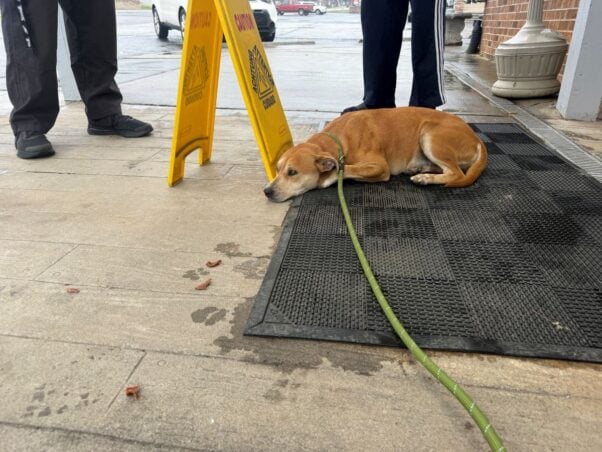
The rescue group also includes Pitzi, a two-year-old Chihuahua mix found tethered outside without proper shelter. Initially exhibiting signs of severe trauma and neglect with the assistance of a local animal control officer, Pitzi has since adapted positively to indoor life, displaying a strong affinity for human touch and a preferred lamb-shaped toy.
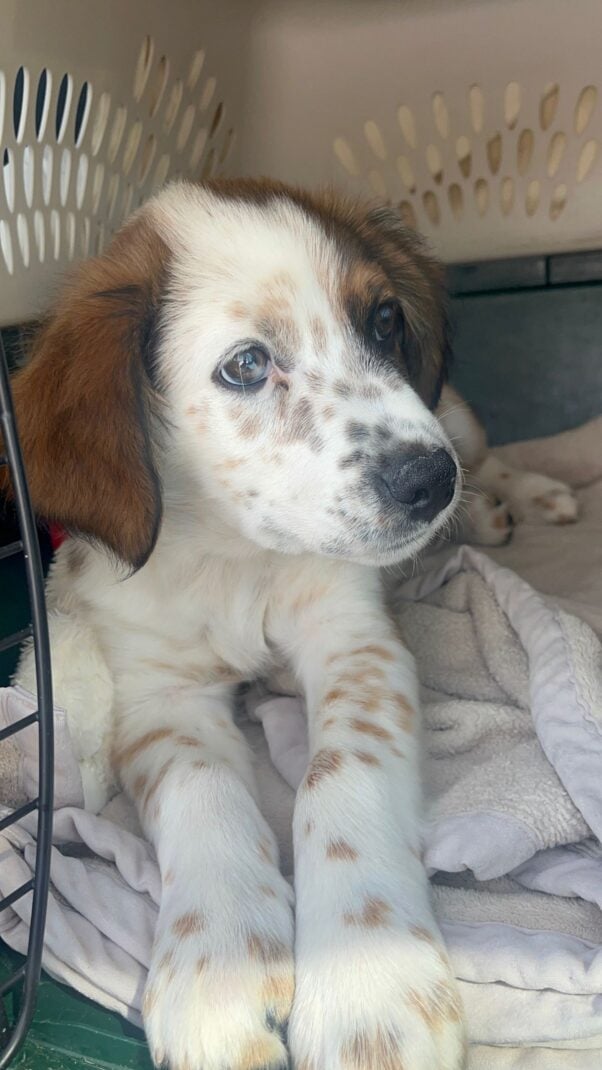
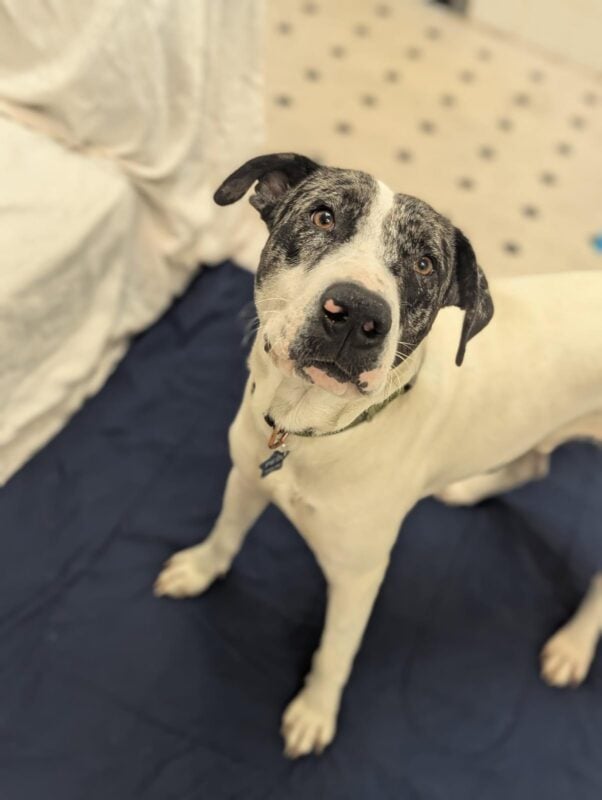
Younger large-breed mixes also comprise the group, including Baylor, a ten-month-old Catahoula and Great Dane mix, and Lexi, an eighteen-month-old shepherd mix. Both spent the formative months of their lives tied outdoors with minimal shelter. Following veterinary clearance, both dogs have adapted well to leash walking, fetch, and household living.
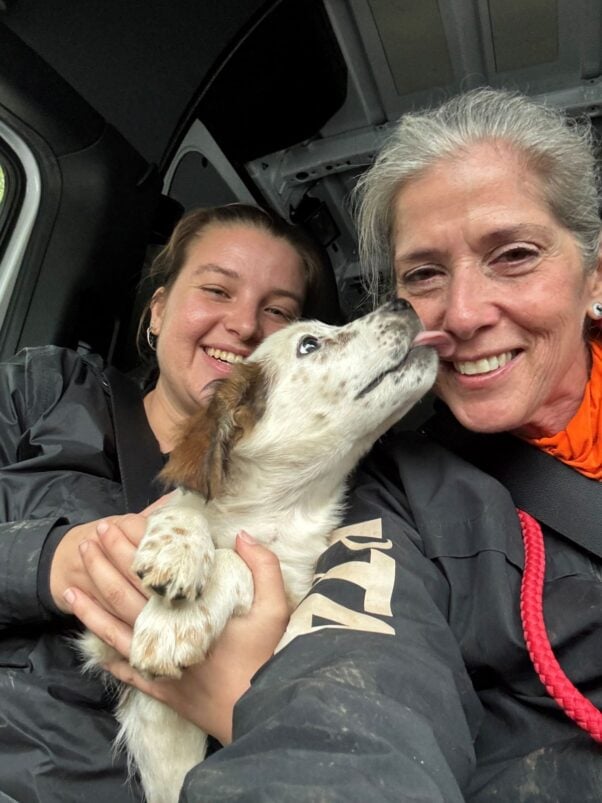
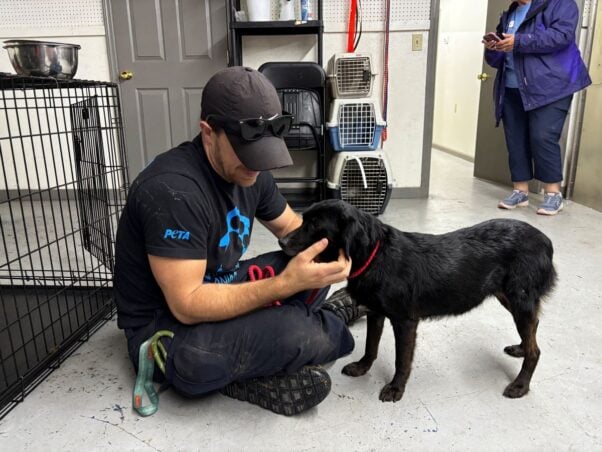
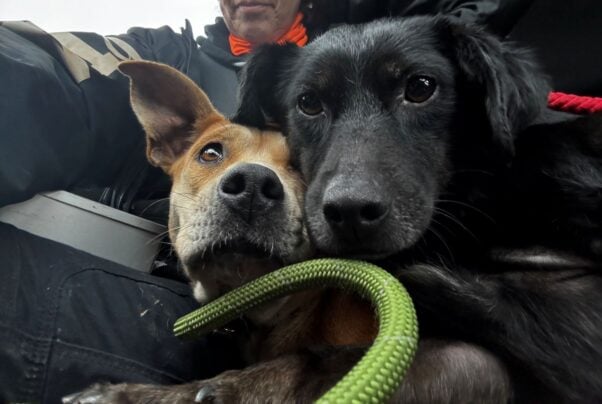
Additional placements include Levi, a three-month-old mixed-breed puppy relinquished after being acquired by an owner experiencing financial hardship and ill health, rendering them unable to provide proper nutrition or indoor housing. Due to his background, Levi requires an experienced, child-free adopter. Rachelle and Bee, two small-to-medium female dogs found abandoned together at a regional gas station, have demonstrated resilient social behaviors and are available for separate adoptions. Missy, a three-year-old Australian Shepherd and collie mix, was surrendered following spay and veterinary assistance provided to her former owner; she requires a cat-free home. Finally, Boopsie, a puggle previously kept on an outdoor tether, has transitioned into a companionable indoor dog following grooming and veterinary care.
Logistics and Adoption Protocols
To facilitate permanent placements, PETA has established a standardized adoption protocol for the Galax rescue group. Prospective adopters residing on or near the East Coast are required to submit an application via email to PETA’s adoption coordinator.
The adoption framework includes a mandatory home visit to verify the safety and suitability of the environment. Each placed animal is fully prepared for domestic life, having undergone spay or neuter surgery, microchipping, deworming, and the administration of comprehensive vaccinations. PETA fieldworkers manage the physical transport of the dogs to their new homes, and an adoption fee of $150 is applied to offset baseline veterinary care costs. Foster-to-adopt arrangements are also available for families evaluating long-term commitments.
Broader Implications for Rural Animal Welfare
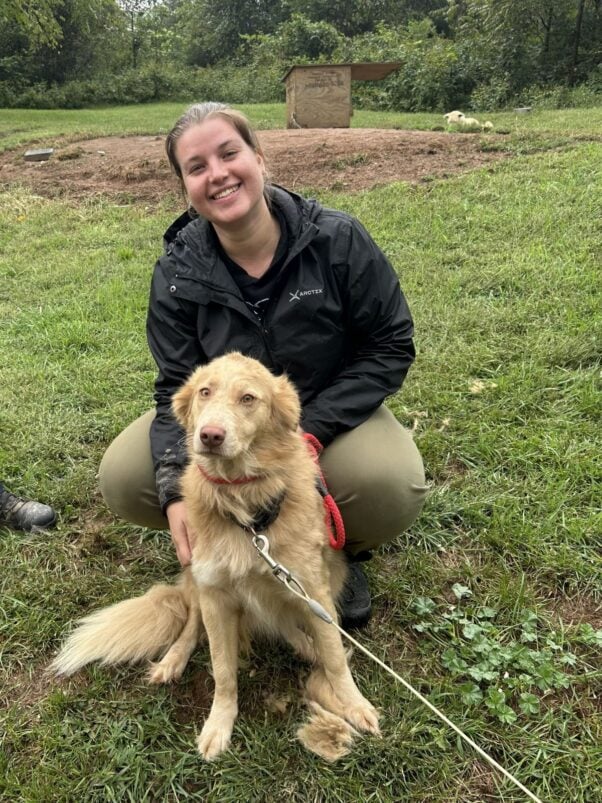
The Galax intervention underscores systemic challenges facing animal rescue organizations in rural jurisdictions. Limited municipal budgets, vast geographic expanses, and a lack of accessible veterinary infrastructure frequently contribute to elevated populations of unsterilized free-roaming animals and high rates of tethered outdoor pets.
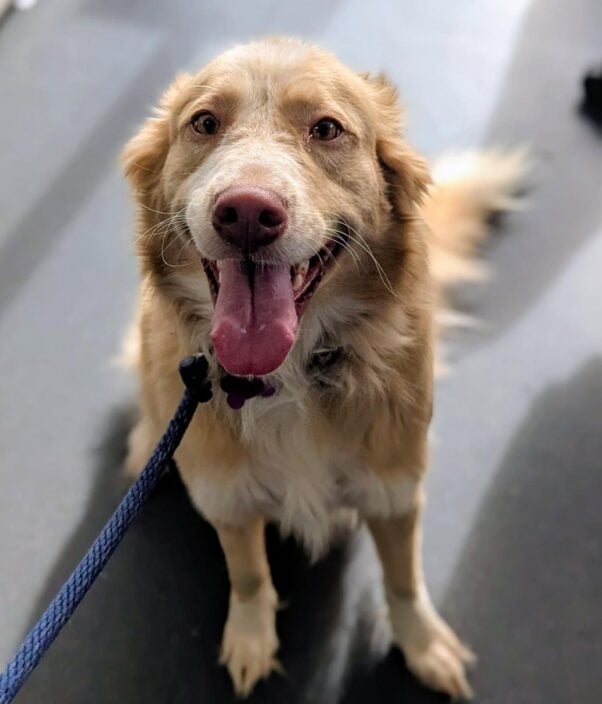
Organizations like the Twin County Humane Society and PETA frequently rely on targeted, weeklong relief deployments to bridge resource gaps in underserved counties. By combining high-volume spay and neuter clinics with direct field interventions, these campaigns achieve a dual objective: preventing future generations of homeless animals while immediately improving the welfare conditions of currently neglected pets.
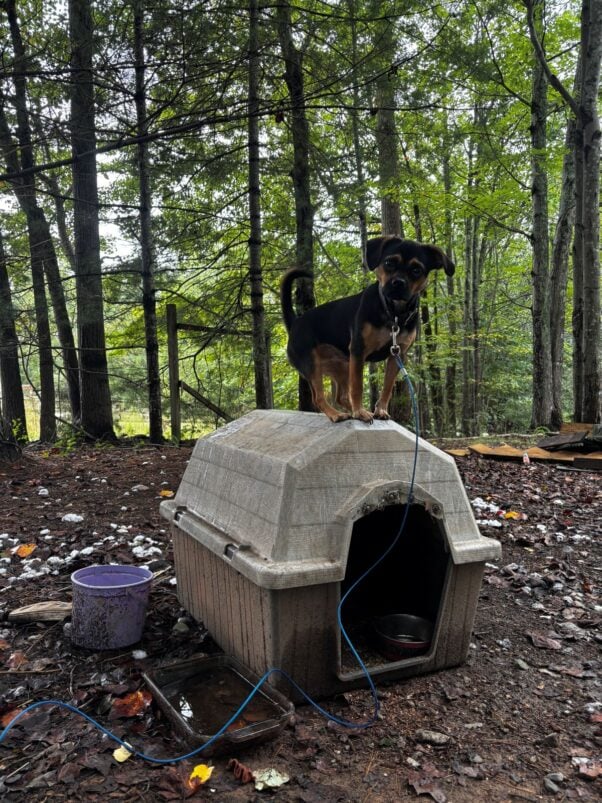
Public health and animal behavior experts emphasize that programs addressing tethering and outdoor isolation provide measurable community benefits. Beyond alleviating animal suffering, improving enclosure standards and ensuring rabies vaccinations through organized clinics enhance public safety and reduce animal control burdens on local municipalities. The success of the Galax initiative demonstrates the efficacy of inter-organizational cooperation in addressing entrenched regional animal welfare concerns, providing a model for future rural intervention strategies across the Mid-Atlantic region.

