



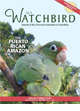
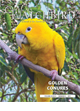
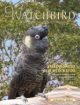
For more than four decades, the American Federation of Aviculture (AFA) has served as an indispensable cornerstone for bird breeders, avian veterinarians, conservationists, and enthusiasts worldwide. At the heart of this enduring educational mission is its flagship publication, Watchbird magazine. In a significant milestone for avicultural research and historical preservation, the complete foundational archive of Watchbird—spanning continuous volumes from its inception in 1974 through the mid-2010s—has been systematically cataloged and made digitally accessible. This monumental repository represents an unparalleled chronicle of modern aviculture, capturing the evolution of captive bird care, regulatory landscapes, veterinary breakthroughs, and conservation milestones across four distinct decades.
The availability of this extensive archive bridges a critical gap for contemporary researchers, hobbyists, and wildlife managers. Historically, accessing decades-old insights required maintaining physical print collections, which were vulnerable to degradation, loss, or restricted library access. By systematically organizing these historical volumes—ranging from Volume 1, No. 1 published in 1974 to the combined volumes of the mid-2010s—the AFA has transformed a decentralized print record into a searchable, centralized digital treasury. This initiative ensures that foundational knowledge regarding avian husbandry, captive propagation, and species management remains preserved for current and future generations of animal caretakers.
Chronological Evolution and Historical Scope
A retrospective examination of the Watchbird archive reveals the shifting paradigms of aviculture as it transformed from a localized hobby into a sophisticated, science-driven discipline. The publication’s chronology reflects broader socio-environmental trends, international wildlife policies, and advancements in avian medicine.
The Formative Years (1974–1980)
The mid-to-late 1970s marked the birth of modern organized aviculture in the United States, a period vividly documented in Volumes 1 through 7 of Watchbird. Founded to unite disparate bird clubs and establish ethical standards for breeding and keeping exotic birds, the early issues focused heavily on fundamental husbandry techniques, basic dietary requirements, and foundational aviary construction. During this era, articles frequently emphasized demystifying the care requirements of popular companion species and establishing baseline breeding protocols for hookbills and softbills. The tone of these early volumes was exploratory and community-driven, laying the groundwork for standardized professional practices.
Expansion, Regulation, and Medical Advancements (1981–1999)
As global trade in exotic species faced increasing scrutiny and regulatory frameworks evolved—most notably with the strict enforcement of the Convention on International Trade in Endangered Species (CITES) and the Wild Bird Conservation Act of 1992—Watchbird adapted its editorial focus accordingly. Volumes 8 through 26 document a critical transition period. The magazine increasingly featured legal compliance guides, international conservation partnerships, and advanced veterinary medicine. Readers witnessed the gradual shift away from reliance on wild-caught specimens toward sustainable captive-breeding programs. Furthermore, this era saw groundbreaking advancements in avian nutrition, diagnostic testing, and incubator technology, all of which were meticulously detailed across bi-monthly and quarterly editions.

The Turn of the Millennium and the Digital Age (2000–2015+)
Entering the 21st century, Volumes 27 through 42 reflect an avicultural community deeply invested in genetic management, closed-band registries, species survival plans, and habitat conservation. The late 2000s and early 2010s introduced complex discussions surrounding biosecurity, disease management (such as Avian Polyomavirus and Proventricular Dilatation Disease), and the ethics of exotic pet ownership. Throughout these decades, Watchbird served as an essential peer-reviewed bridge between academic ornithologists and private aviculturists, publishing field reports alongside practical breeding insights.

Quantitative Overview of the Archive
The sheer volume of material encapsulated within the digital repository underscores the depth of institutional knowledge preserved. The collection encompasses over four decades of continuous publication, featuring hundreds of individual editions distributed across specialized volumes and numbering systems.
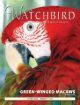
- Total Span: 1974 through 2015 (incorporating Volumes 1 to 42)
- Publication Frequency Variations: Ranging from bi-monthly issues in the 1970s, 1980s, and 1990s to quarterly and combined editions in later years.
- Content Diversity: Includes peer-reviewed scientific papers, field expedition reports, veterinary case studies, legislative updates, specialized breeding columns, and historical organizational records of the American Federation of Aviculture.
This vast corpus provides data points that are virtually impossible to find elsewhere in a unified format. For instance, historical records of captive breeding successes for rare psittacine species during the 1980s provide modern conservationists with a baseline for tracking genetic lineages and demographic trends in managed populations.
Official Responses and Perspectives from the Avicultural Community
Leadership within the American Federation of Aviculture and affiliated ecological organizations have consistently highlighted the educational imperative of preserving historical literature. Representatives emphasize that modern advancements in animal welfare do not occur in a vacuum; rather, they are built upon the empirical trials, successes, and occasional failures of veteran breeders and avian scientists who contributed to Watchbird over the last fifty years.

Avian veterinarians and academic researchers have similarly lauded the accessibility of the archive. In statements regarding the digitization of historical periodicals, wildlife experts note that older issues of Watchbird contain invaluable clinical observations regarding nutritional deficiencies, behavioral anomalies, and pathology that modern veterinary textbooks may overlook. By making these historical observations easily accessible, the AFA empowers a new generation of professionals to diagnose and treat exotic avian species with greater historical context.
Broader Impact and Future Implications
The preservation and open accessibility of the Watchbird archive carry profound implications for multiple sectors:
- Conservation and Species Recovery: As native habitats face unprecedented pressures, captive populations managed by experienced aviculturists occasionally serve as genetic arks for endangered species. Historical breeding data within Watchbird can inform current ex-situ conservation strategies.
- Veterinary Education: Veterinary students and practicing clinicians gain a historical perspective on the evolution of avian medicine, allowing for a more nuanced understanding of chronic conditions and husbandry-related illnesses.
- Regulatory Compliance and Ethics: By reviewing decades of regulatory discourse, contemporary bird keepers can better understand the historical context of laws governing exotic wildlife, fostering a culture of legal compliance, ethical responsibility, and sustainable stewardship.
Ultimately, the comprehensive cataloging of Watchbird stands as a testament to the dedication of the American Federation of Aviculture and its contributors. It transforms a transient archive of print magazines into an enduring digital monument of avian science, ensuring that the collective wisdom of fifty years of aviculture remains within arm’s reach of anyone dedicated to the study, care, and preservation of the world’s bird populations.

