


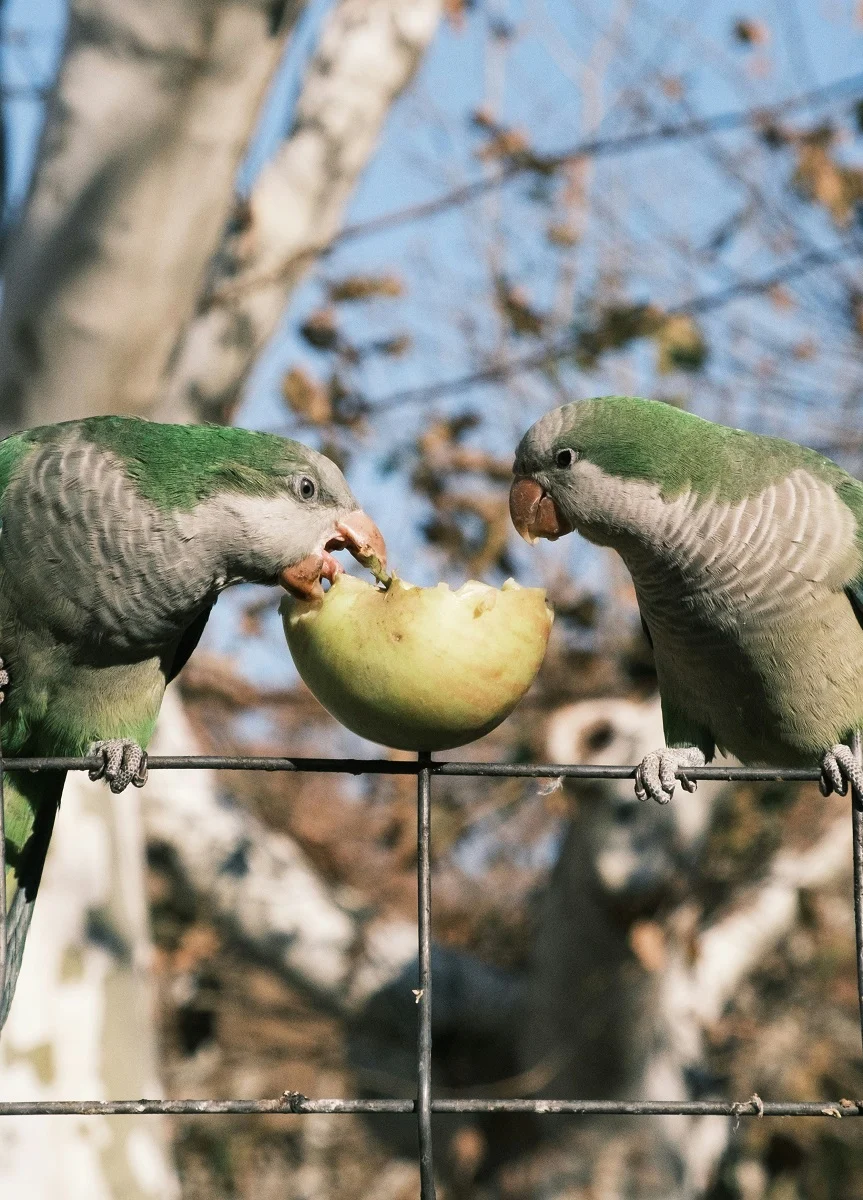
The Quaker parrot, scientifically classified as Myiopsitta monachus and commonly referred to as the monk parakeet, has experienced a surge in popularity among aviculturists and pet owners worldwide. Originating from the diverse landscapes of South America, these vibrant, highly intelligent birds are celebrated for their charming personalities, impressive vocal mimicry, and distinctive physical attributes. However, prospective owners must navigate a complex landscape of specialized care requirements, legal restrictions tied to their invasive potential, and long-term commitments that can span up to three decades. Understanding the biological, ecological, and domestic needs of the Quaker parrot is essential for ensuring the welfare of both the bird and its human companions.
Taxonomy, Physical Characteristics, and Morphological Diversity
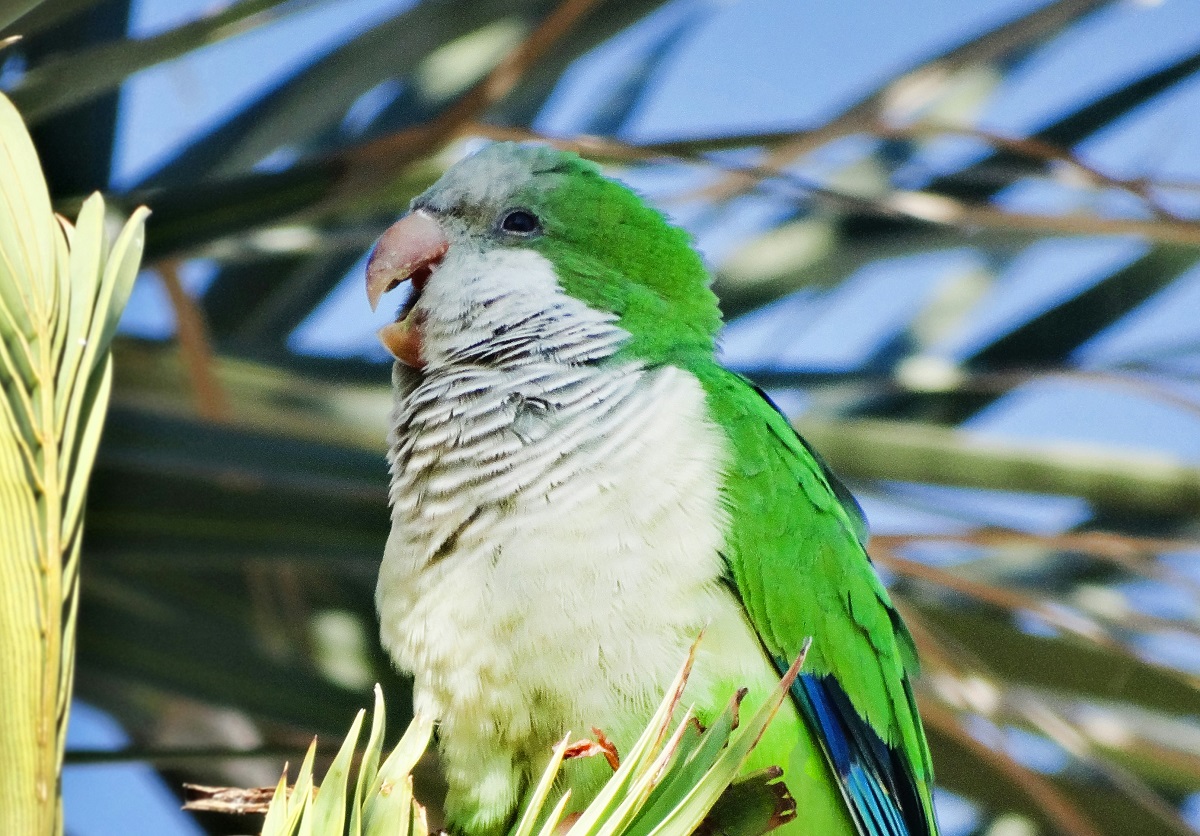
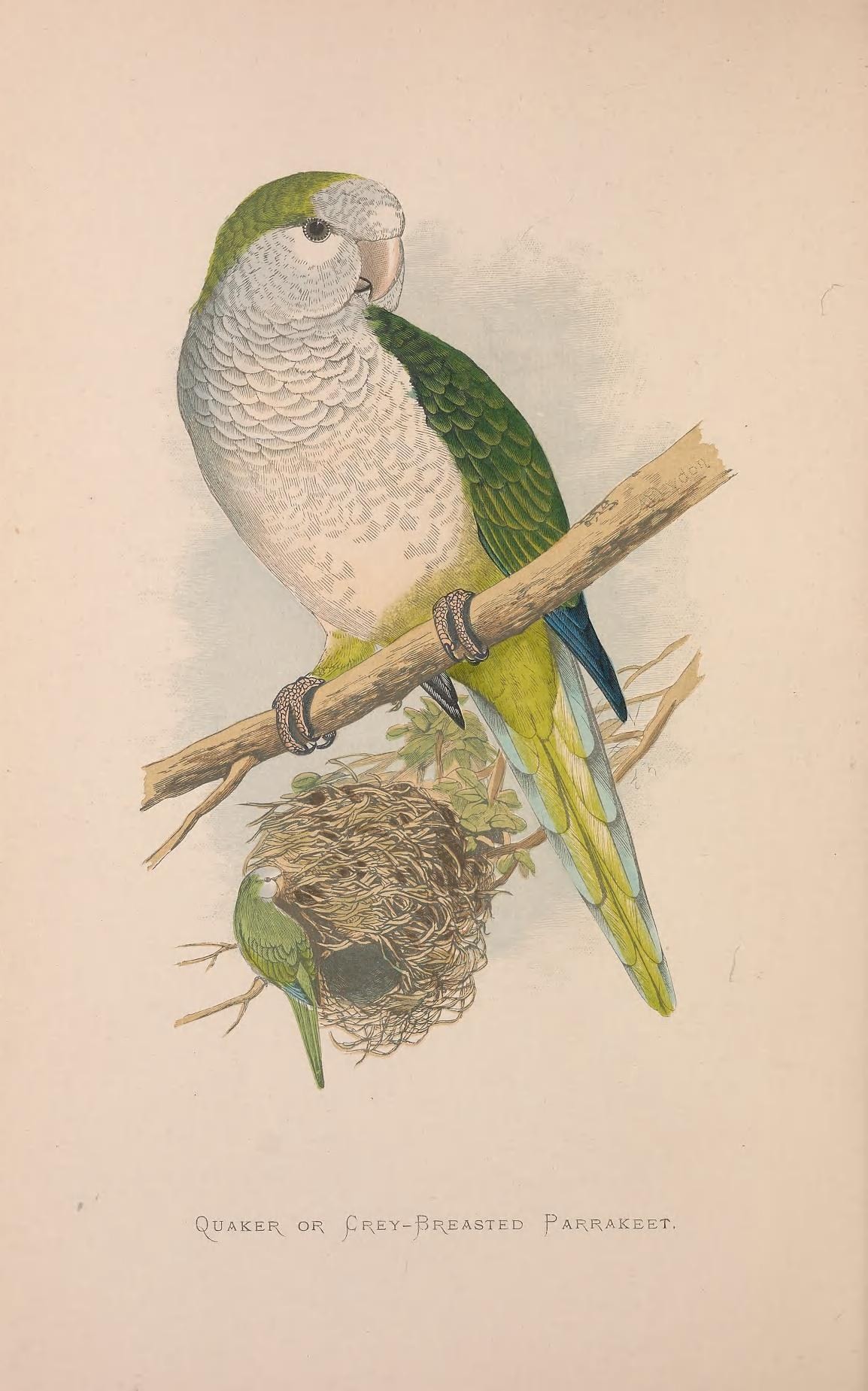
The monk parakeet belongs to the Psittacidae family and stands out as the sole member of the genus Myiopsitta that builds complex stick nests rather than utilizing tree cavities. Adult specimens typically reach lengths of up to 13 inches and maintain a healthy weight of approximately 140 grams. In their native wild habitat, their plumage features a distinctive mossy green back, a pale gray front, contrasting blue flight feathers, an elongated tail, and a characteristic skin-colored beak.
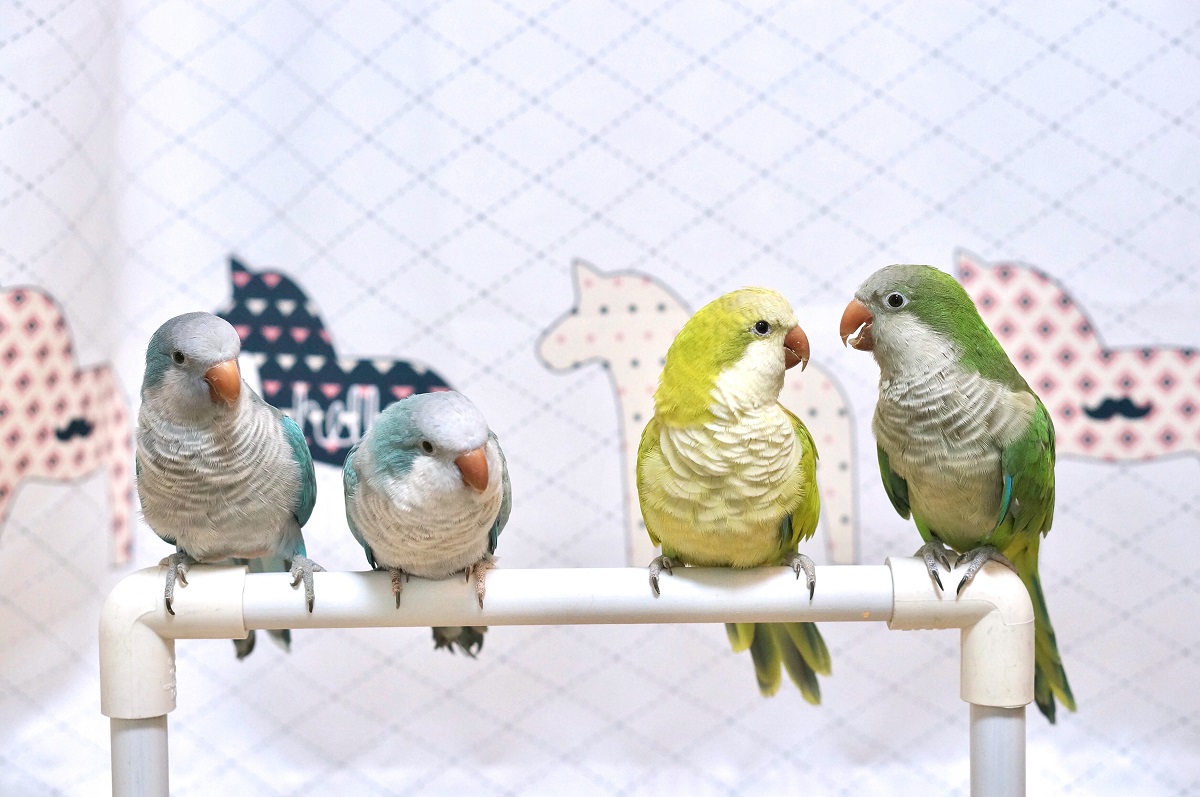
Through decades of selective breeding in captivity, aviculturists have successfully developed a wide array of color mutations, or morphs. Beyond the traditional wild-type green, owners and breeders can now find Quaker parrots exhibiting blue, yellow, gray, white, and cinnamon variations. Visually determining the sex of a Quaker parrot remains exceptionally difficult, as males and females display nearly identical physical traits, though females are marginally smaller. Consequently, avian veterinarians and breeders rely on DNA testing to confirm the biological sex of individual birds.
Natural Habitat, Geographic Range, and Conservation Status
The indigenous range of the Quaker parrot spans a broad swath of central and southern South America. Natural populations are primarily concentrated in southern Brazil, eastern Bolivia, Paraguay, Uruguay, and significant portions of Argentina. As a lowland adaptation, the species typically thrives at elevations below 3,300 feet, inhabiting open woodlands, palm forests, savannahs, and urbanized green spaces.
According to the International Union for Conservation of Nature (IUCN) Red List, Myiopsitta monachus is categorized as a species of Least Concern. Field assessments indicate that local populations are not only stable but may actually be benefiting indirectly from anthropogenic landscape modifications. The commercial planting of Eucalyptus forests for paper pulp production has expanded available nesting habitats, while the proliferation of agricultural expansion—specifically the large-scale cultivation of maize and cereal grains—has provided an abundant, reliable food source. Conversely, its sister species, the Bolivian grey-breasted parakeet (Myiopsitta luchsi), faces greater ecological pressures and is classified as Near Threatened.
Invasive Species Dynamics and Legal Ramifications
Despite their popularity in the pet trade, Quaker parrots possess significant ecological adaptability, which has enabled them to establish self-sustaining feral populations far outside their native range. Feral colonies are now documented in numerous countries, including various states across the United States and major metropolitan areas in Europe, such as Madrid and Valencia in Spain. These urban flocks often forage successfully alongside indigenous pigeon populations, adapting rapidly to municipal environments.
While the presence of wild parrot colonies captivates urban observers, ornithologists and agricultural authorities view them with serious concern. Large flocks can inflict substantial economic damage on agricultural crops, while their massive, communal stick nests—often constructed on utility poles—frequently cause electrical transformer failures and power outages. Consequently, these environmental and infrastructural risks have prompted several regional governments and U.S. states to enact strict legislative bans on the importation, sale, and ownership of Quaker parrots, requiring prospective owners to thoroughly research local exotic animal laws before acquisition.
Nutritional Requirements in the Wild and Captivity
Dietary management plays a pivotal role in the longevity and health of captive Quaker parrots. In their natural environment, these birds function primarily as opportunistic herbivores. Their wild diet consists largely of seeds, wild fruits, blossoms, and cactus stems, supplemented occasionally by insects and larvae. Their affinity for cultivated grains often brings them into direct conflict with farmers.
For captive specimens, modern avian veterinary consensus strongly advises against maintaining birds on a traditional, seed-heavy diet, which frequently leads to severe nutritional deficiencies, hepatic lipidosis, and shortened lifespans. Instead, a nutritionally complete diet should be anchored by a high-quality formulated pellet food designed to supply essential vitamins and minerals. This foundation must be supplemented regularly with fresh vegetables, leafy greens, limited amounts of fruit, and clean, accessible drinking water. Additionally, the provision of a mineral block supports beak maintenance and systemic mineral balance, while complete dietary variety wards off behavioral issues linked to nutritional boredom.
Housing, Environmental Enrichment, and Nest-Building Instincts
Proper housing is critical for preventing stress and physical ailments in captive Quaker parrots. Due to their active and inquisitive nature, these birds require a spacious enclosure. Avian specialists recommend a cage width of at least 30 inches, emphasizing horizontal dimensions over vertical height, as parrots predominantly utilize the upper tiers of their living space. If daily out-of-cage exploration is restricted, owners must invest in a large indoor aviary.
The interior of the enclosure should feature natural wood perches of varying diameters, durable toys, and securely anchored feeding dishes. Owners should also be mindful of the species’ innate architectural drives. Quaker parrots are prolific nest builders; leaving elongated items such as craft sticks, pens, or similar objects near the cage can trigger intense nest-construction behaviors. While nesting can occasionally induce hormonal territoriality, observing these birds construct elaborate communal structures highlights their remarkable cognitive abilities.
Intellectual stimulation remains paramount. As highly intelligent animals, Quaker parrots easily succumb to psychological distress, feather plucking, and excessive vocalization if under-stimulated. Providing foraging boxes, puzzle toys, and several hours of supervised out-of-cage interaction on a designated play gym helps mitigate behavioral problems. Furthermore, any room accessible to a free-roaming parrot must be meticulously "bird-proofed" to eliminate environmental hazards such as toxic houseplants, open water containers, and ceiling fans.
Temperament, Socialization, and Behavioral Challenges
Quaker parrots are renowned for their bold, boisterous, and intensely playful dispositions. When properly socialized from a young age, they exhibit clownish, affectionate behaviors that endear them to their human families. However, their high intelligence and strong social instincts can present distinct challenges.
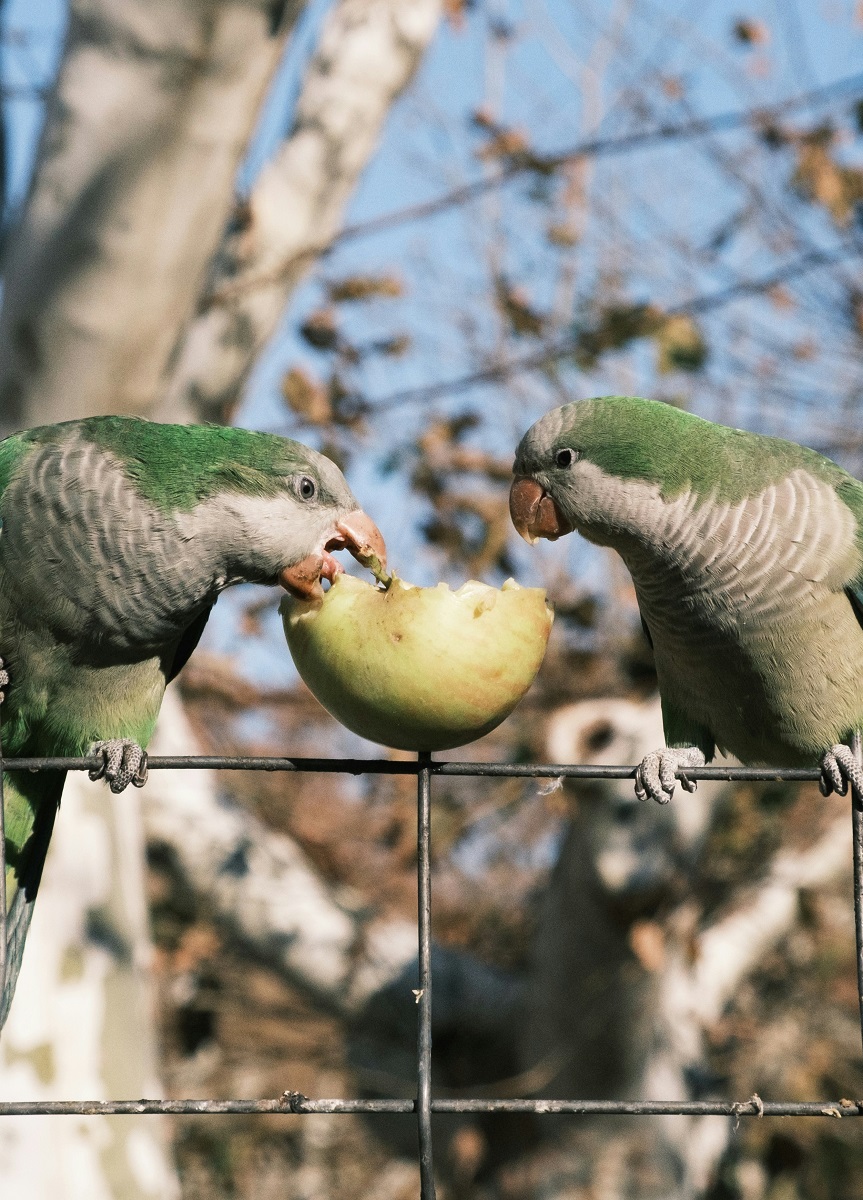
These birds frequently form intense bonds with a single primary caregiver, which can occasionally manifest as aggression or intolerance toward other household members. Moreover, Quaker parrots are notoriously territorial regarding their cages, often defending their living space vigorously during routine maintenance like feeding and cleaning. Understanding these territorial boundaries and employing positive reinforcement training techniques are crucial for maintaining a harmonious relationship between the bird and its household.
Vocalizations, Mimicry, and Communication Abilities
While not the loudest representatives of the parrot family, Quaker parrots possess a distinct vocal range that ranks moderate in volume. Their natural repertoire includes high-pitched squawks, sharp whistles, and distinct flock calls that can carry across considerable distances. A contented Quaker parrot will often produce a rhythmic "purring" sound or engage in mandible-grinding while resting.
Beyond natural vocalizations, monk parakeets are recognized as exceptional talkers within the avicultural community. Though their voices tend to have a high-pitched, squeaky quality, they demonstrate high motivation for vocal mimicry and can accumulate extensive vocabularies of words, phrases, and household sounds when subjected to consistent, patient repetition. Experts advise prospective owners to carefully evaluate the noise potential of the species—auditing recordings or visiting breeders beforehand—to ensure compatibility with their living environment. Through a combination of proper nutrition, environmental enrichment, and dedicated socialization, the Quaker parrot can prove to be a remarkably rewarding, long-lived companion for the right avian enthusiast.

