


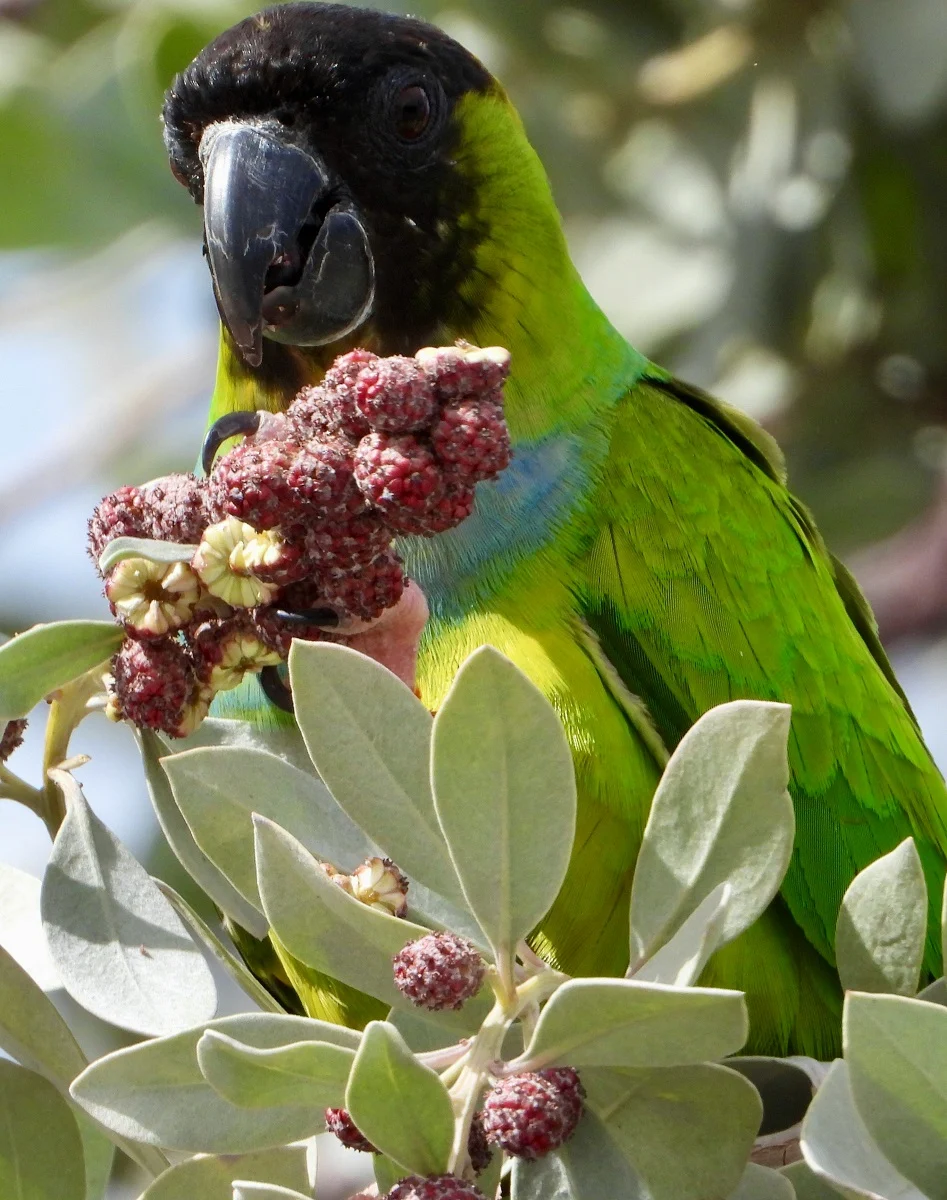
The nanday conure, scientifically classified as Aratinga nenday and frequently recognized by its striking black hood, represents one of the most vibrant yet demanding companion parrot species originating from the open lowlands of central South America. While these affectionate and highly intelligent birds have captured the interest of aviculturists globally, their specific behavioral traits—most notably an exceptionally high vocalization volume—require careful preparation and a specialized living environment from prospective owners.
Main Facts and Taxonomic Reclassification
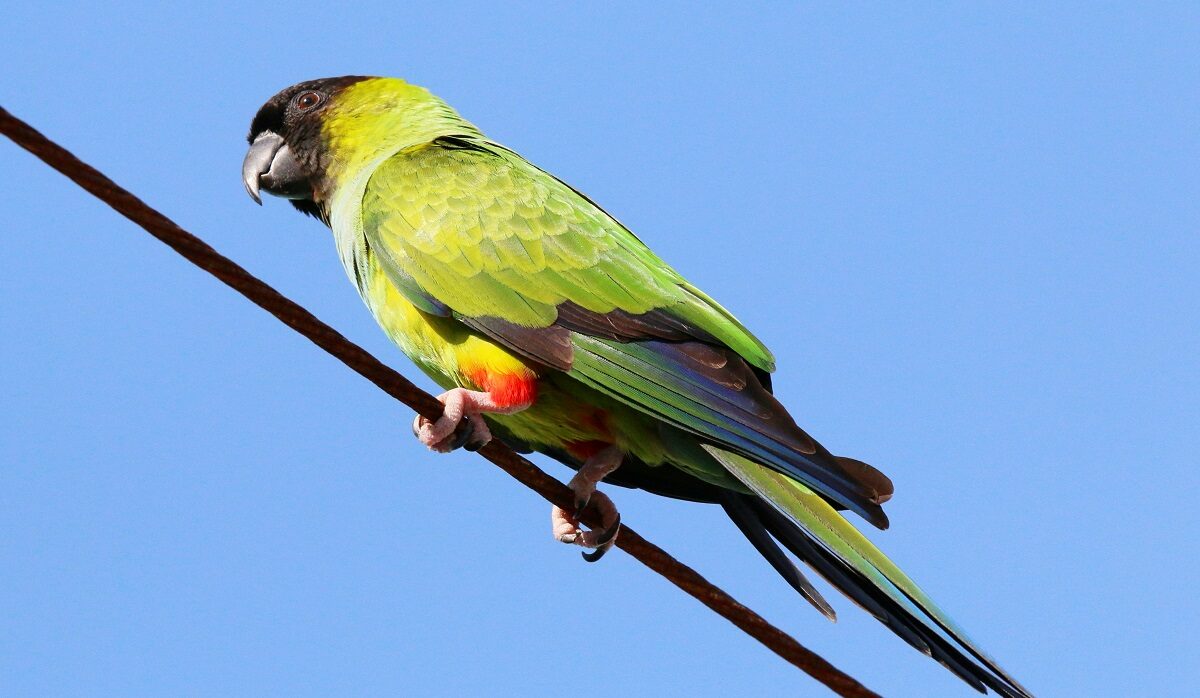
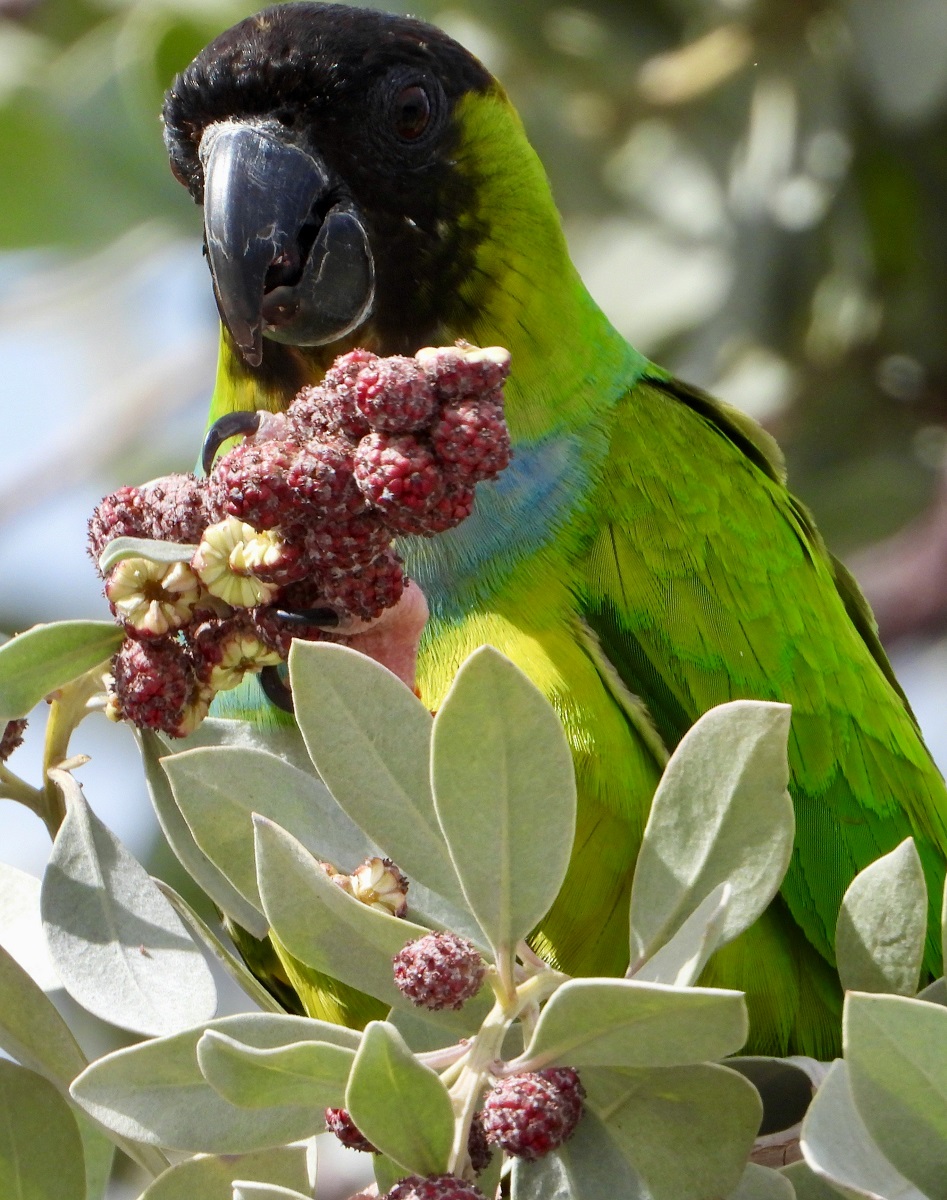
Averaging up to 12 inches (30 centimeters) in length and weighing approximately 140 grams, the nanday conure is categorized as a small-to-medium-sized parrot. Its defining physical characteristic is a stark black face and head, which transitions into an almost entirely bright green body. Additional features include a black beak, contrasting white eye rings, blue-green chest plumage, and vivid red feathers on the thighs.
Taxonomically, the species underwent a significant reclassification following a landmark phylogenetic study published in 2004. Researchers determined that the species did not warrant its own monotypic genus (Nandayus nenday) and instead formally reclassified it within the Aratinga genus, placing it alongside closely related South American parakeets such as the sun conure and the jenday conure. In the wild, these birds exhibit remarkable longevity, with lifespans extending up to 30 years under optimal conditions.
Chronology and Natural Habitat Distribution
Endemic to the central regions of South America, the natural range of the nanday conure forms a geographical band extending through central Paraguay, southern Brazil, eastern Bolivia, and northern Argentina. Historically inhabiting open lowlands, savanna edges, and dry forest habitats up to elevations of approximately 2,600 feet (800 meters), the species relies heavily on palm trees for roosting and nesting cavities.
The relationship between the nanday conure and its native ecosystem extends far beyond simple habitation. Ornithological research highlights the species’ role as an ecological pollinator. A notable 2002 study documented nanday conures feeding on the nectar of the Erythrina dominguezii tree in western Brazil, inadvertently facilitating cross-pollination. Furthermore, wild populations regularly visit regional clay licks, a behavioral adaptation that allows the birds to ingest essential micronutrients while neutralizing toxins derived from their natural diet of seeds, berries, wild fruits, and floral buds.
Global Status and Invasive Populations
According to the International Union for Conservation of Nature (IUCN) Red List, Aratinga nenday is categorized as a species of Least Concern. Interestingly, unlike many endangered psittacine species, wild population numbers appear to be stable or increasing. This demographic resilience is largely attributed to anthropogenic habitat alterations, specifically the conversion of dense forests into open cattle pastures, which has inadvertently expanded the species’ preferred foraging and nesting terrain.
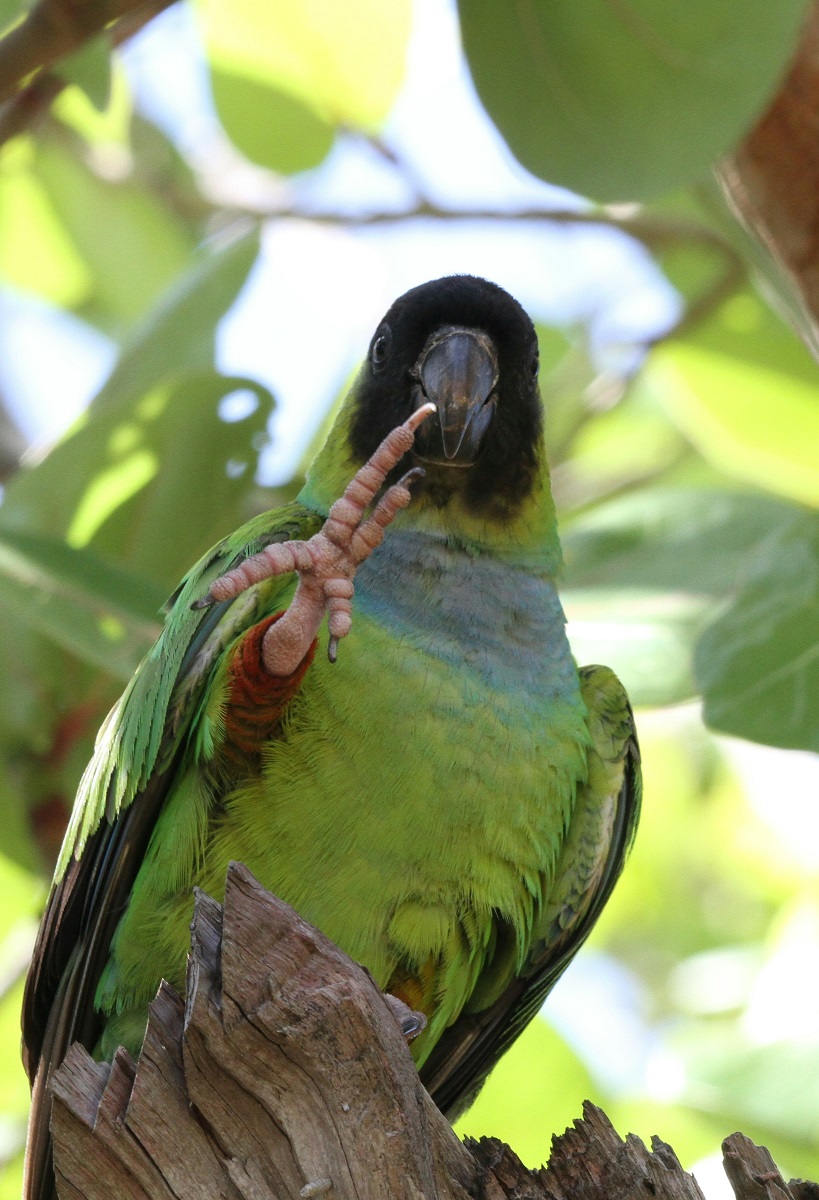
However, this adaptability has introduced complex ecological challenges outside of South America. As a result of the international pet trade and subsequent accidental or intentional releases, the nanday conure has established thriving feral populations across various global regions. Naturalized flocks are now documented in multiple international urban and suburban areas, including Spain and several U.S. states such as California and Florida. Ornithological surveys consistently rank the nanday conure among the most successful invasive parrot species in the United States. While these urban flocks demonstrate remarkable resilience in concrete and suburban landscapes, wildlife management authorities note that introduced populations can occasionally generate agricultural concerns and compete with native fauna for nesting cavities.
Captive Care, Diet, and Housing Requirements
For individuals considering a nanday conure as a household pet, understanding modern avian veterinary standards is critical for ensuring the animal’s well-being. Historically, pet parrots were maintained on seed-centric diets. However, contemporary avian veterinarians emphasize that exclusive seed diets frequently lead to malnutrition, hepatic lipidosis (fatty liver disease), and obesity.
Current nutritional guidelines recommend a base diet composed of high-quality formulated pelleted food, supplemented regularly with safe fresh produce, including dark leafy greens, peppers, broccoli, and various fruits. Additionally, safe whole grains, sprouted seeds, and occasional protein sources such as cooked eggs contribute to a balanced nutritional profile.
Housing infrastructure must account for the bird’s active nature and need for physical movement. Avian care specialists advise that while daily out-of-cage interaction is mandatory, a primary enclosure should measure at least 30 by 24 by 24 inches, prioritizing horizontal length over vertical height to encourage wing-stretching. For optimal welfare, enclosures should feature natural wood perches of varying diameters and a rotating assortment of foraging toys to prevent psychological stagnation.
Behavioral Enrichment and Social Dynamics
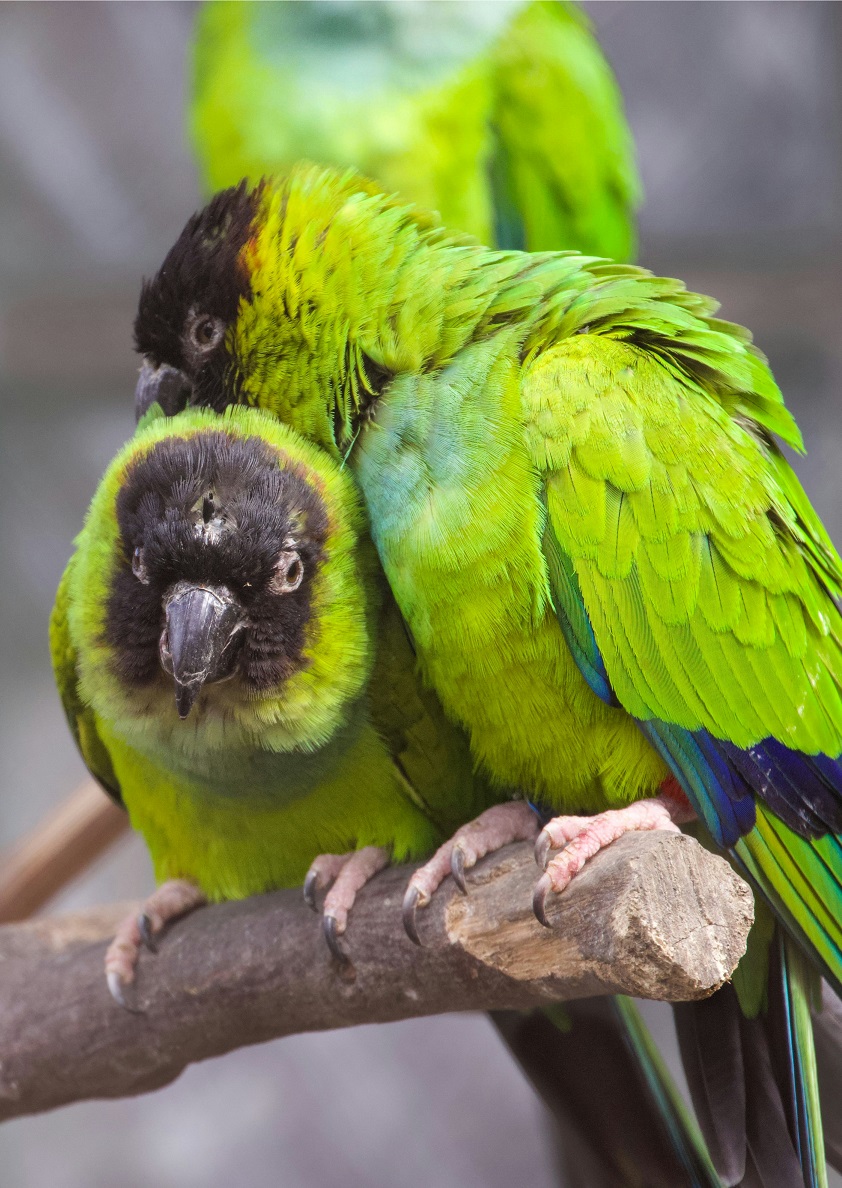
As highly intelligent and gregarious flock animals, nanday conures require substantial mental and social stimulation. In domestic settings, a lack of enrichment or prolonged social isolation frequently manifests in destructive behaviors, including excessive screaming, territorial aggression, and stress-induced feather-picking or self-mutilation.
Avian behaviorists strongly recommend that owners accommodate the species’ intense need for social interaction. For households where human family members are absent for standard working hours, acquiring a companion nanday conure can mitigate loneliness and anxiety. Furthermore, because psittacine respiratory systems are exceptionally delicate, environmental safety measures must be strictly enforced. Owners are advised to eliminate exposure to airborne toxins, including aerosol sprays, chemical cleaning fumes, tobacco smoke, nonstick polytetrafluoroethylene (PTFE) cookware emissions, and scented candles.
Acoustic Profile and Noise Considerations
The most prominent barrier to widespread pet ownership of the nanday conure is its vocalization capacity. Aratinga conures are widely recognized by avian specialists as among the loudest parrots relative to their body size.
While larger species such as macaws and cockatoos produce high decibel levels, historical and zoological literature, including studies cited in avian husbandry guides like Robin Deutsch’s Good Parrotkeeping, note that smaller conures can produce piercing vocalizations reaching exceptionally high decibel thresholds capable of causing auditory fatigue or discomfort in human handlers. Peak noise occurrences typically coincide with dawn and dusk chorus periods, environmental stressors, or moments of heightened excitement.
Consequently, housing a nanday conure in multi-family residential complexes, apartment buildings, or noise-sensitive environments is generally discouraged. Prospective owners are strongly advised to audition recorded vocalizations via ornithological databases such as Xeno-Canto or visit established breeders to evaluate firsthand the acoustic impact before committing to ownership.
Broader Impact and Implications of Ownership
The integration of exotic psittacines into domestic environments bridges wildlife biology and urban household management. The nanday conure exemplifies the complexities of modern pet ownership: an animal possessing high intelligence, a potential 30-year lifespan, and demanding social and acoustic requirements.
As conservation organizations monitor both native South American habitats and feral urban populations globally, the responsibility increasingly falls upon individual keepers to ensure high standards of husbandry. Meeting the rigorous physiological and psychological needs of Aratinga nenday prevents behavioral deterioration, mitigates the abandonment risks that contribute to invasive populations, and promotes a sustainable relationship between human households and these resilient South American parrots.

