


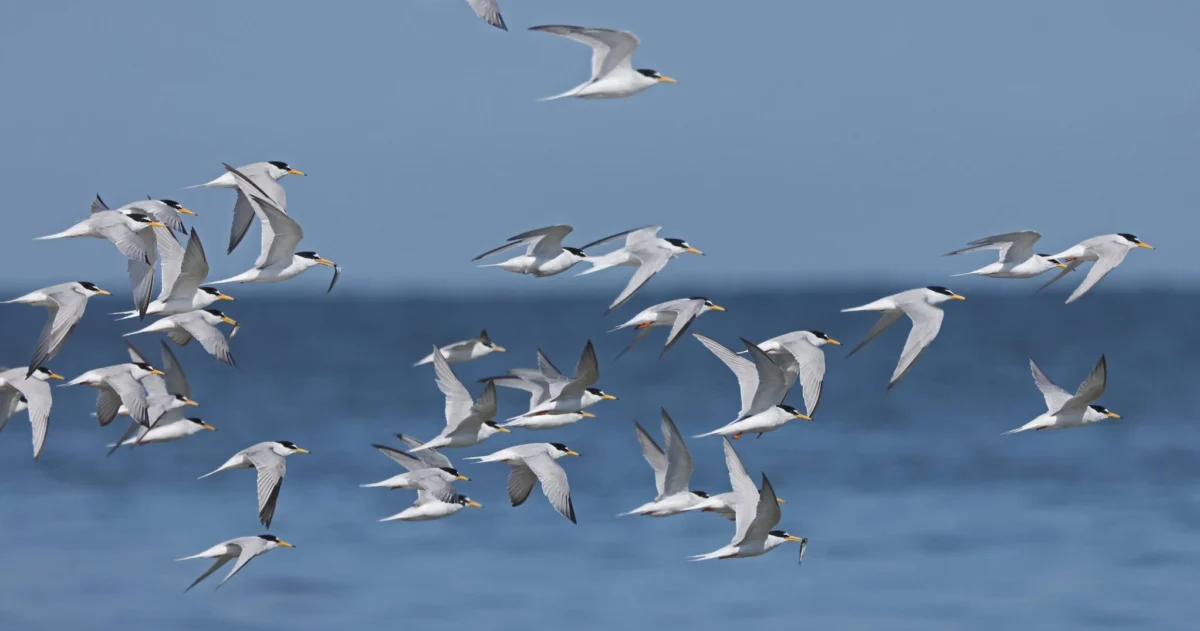
Conservation is rarely the exclusive domain of ivory-tower academics or high-level policy makers; it is increasingly a grassroots movement driven by a vast, decentralized network of volunteers. Across the globe, these citizen scientists serve as the eyes and ears of the ecological community, meticulously recording data on wildlife, meteorological patterns, water quality, and historical biodiversity shifts. In the realm of ornithology, this phenomenon has transformed the study of avian life, turning casual birdwatching into a rigorous and indispensable pillar of scientific research. By documenting bird observations, identifying migration patterns, and logging population fluctuations, these enthusiasts provide a scale of data collection that no single research institution could hope to replicate, fundamentally altering how we approach environmental protection.
The Magnitude of Participatory Research
The sheer volume of data generated by global birdwatching communities has reached a tipping point in the digital age. Modern platforms such as eBird, Observation.org, BirdTrack, and iNaturalist, supported by advanced identification software like Merlin Bird ID, have lowered the barriers to entry for participants. These digital ecosystems do more than just store logs; they function as massive, crowdsourced analytical engines. Observation.org, for instance, records roughly 35 million entries annually, contributed by a network of over 450,000 active users.
This democratization of science allows researchers to detect granular trends in bird population sizes and health. By analyzing long-term datasets, scientists can pinpoint the impacts of climate change, habitat fragmentation, and the spread of invasive species with unprecedented accuracy. This information serves as the bedrock for international policy, including the European Union’s Birds Directive reporting and the development of the IUCN Red List of Threatened Species. When conservation funding is allocated or protected status is designated for a specific habitat, the decision is increasingly likely to be underpinned by the contributions of these volunteer observers.
A Century of Observation: A Chronological Evolution
The integration of public observation into scientific record-keeping is not a new development, though its technological sophistication has evolved rapidly. The practice has deep historical roots, with one of the most significant milestones occurring in 1900. During that winter, the National Audubon Society launched the Christmas Bird Count (CBC). Originally conceived as a reaction to the traditional "side hunt," where participants competed to shoot the most birds, the CBC shifted the focus toward a peaceful census.
Over the last 124 years, the CBC has evolved into the world’s longest-running citizen science project. This sustained effort has created a historical baseline that is invaluable for modern climate studies. By comparing data from the early 20th century with contemporary findings, ornithologists have been able to map the northward shift of avian species, identify the timing of spring arrivals, and track the degradation of critical wintering grounds. This century-long timeline serves as a testament to the power of consistent, organized volunteerism.
Continental Efforts: The European Model
While the Christmas Bird Count remains a landmark in the Western Hemisphere, Europe has cultivated its own robust tradition of collaborative monitoring. The European Bird Census Council (EBCC) serves as a primary hub for this effort. Their work culminated in the publication of the European Breeding Bird Atlases in 1997 and 2020. The 2020 edition represented a monumental feat of coordination, involving over 120,000 fieldworkers across 48 countries. Together, they surveyed 11 million square kilometers and documented the status of 596 breeding species.
The EBCC’s commitment to data accessibility is exemplified by the EuroBirdPortal. This tool provides near real-time visualization of bird migration across the continent, utilizing hundreds of animated maps to show the weekly distribution of species. This initiative is supported by a coalition of 52 ornithological organizations and BirdLife Partners, highlighting a sophisticated infrastructure where volunteer input is seamlessly funneled into high-level cartographic research.
Case Studies: Institutional Collaboration
The impact of citizen science is most visible when large organizations integrate volunteer labor into long-term biological surveys. NABU, the German partner of BirdLife International, manages the White Stork Census, a decadal project that tracks the recovery and distribution of this iconic species. By counting breeding pairs and nesting chicks across Europe, the project provides essential data on the environmental health of wetlands and agricultural lands.
Similarly, the EuroBirdwatch initiative, coordinated annually in October, transforms the migration season into a synchronized international effort. In the most recent cycle, 28 BirdLife Partners organized nearly 1,000 events, drawing over 23,000 participants who collectively documented 4.8 million birds. This event is more than a data-collection exercise; it acts as a cultural bridge, connecting thousands of individuals with the complexities of avian migration and the urgent need for international habitat protection.
Data-Driven Implications for Conservation Policy
The objective, factual output of citizen science carries significant weight in the political arena. For instance, the data gathered by these volunteer networks are frequently used to challenge or support proposed land-use changes. When a proposed development site overlaps with a documented, high-density stopover point for migratory birds, the data stored in portals like eBird become critical evidence.
Moreover, the sheer breadth of this data allows for "big data" analytics that can predict how bird populations might react to future climate scenarios. By modeling the current range of species against projected temperature rises, researchers can preemptively identify which regions will require heightened protection or habitat restoration. The reliance on citizen-collected data has shifted conservation from a reactive posture—where action is taken only after a species reaches the brink of extinction—to a proactive model, where trends are spotted and addressed years, or even decades, in advance.
The Human Connection: Beyond the Numbers
While the scientific value of this movement is quantifiable, the sociological impact is equally significant. Citizen science provides a tangible connection between the general public and the natural world. It fosters a sense of stewardship among participants, turning a hobby into a meaningful contribution to environmental preservation. As participants learn to identify birds, they also learn about the ecological dependencies that sustain them, from the health of local insect populations to the preservation of specific native flora.
This engagement is critical. In an era where "nature deficit disorder" is increasingly recognized as a public health issue, the act of participating in a bird count provides an incentive for individuals to spend time outdoors, engage with their local ecosystems, and become vocal advocates for the environment. The result is a more informed citizenry, capable of understanding the complexities of biodiversity loss and more likely to support conservation-oriented legislation.
Future Prospects and Global Impact
As we observe World Migratory Bird Day, the importance of this citizen-led infrastructure is clearer than ever. The integration of artificial intelligence and machine learning into identification tools like Merlin Bird ID suggests that the accuracy of volunteer-submitted data will continue to climb. Furthermore, as these tools become more accessible to non-Western nations, the geographic scope of citizen science is expanding, filling critical data gaps in regions like Africa, Southeast Asia, and South America.
The success of these programs underscores a fundamental truth: science is not merely a profession, but a collective endeavor. The thousands of volunteers who spend their weekends in marshes, forests, and city parks are not just "watching birds." They are building a comprehensive, living database of our planet’s health. Every individual sighting—whether it is a common sparrow in a backyard or a rare raptor along a migration route—serves as a vital data point in the global effort to document and preserve the natural world. As we look toward the future, the continued collaboration between professional researchers and the global public will remain the most robust mechanism we possess to navigate the ongoing biodiversity crisis and ensure that the skies remain full for generations to come.

