


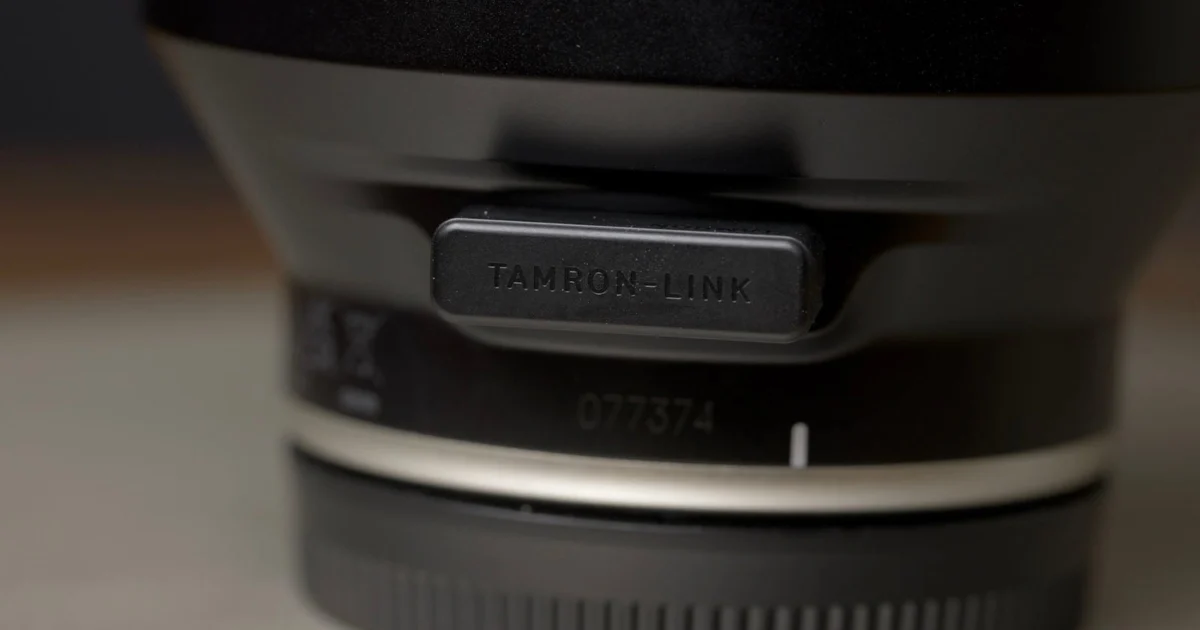
The landscape of modern optics has undergone a radical transformation over the past decade, shifting from traditional mechanical linkages to sophisticated electronic systems that allow for unprecedented levels of customization. Tamron, a leading third-party lens manufacturer, has positioned itself at the forefront of this evolution through the development of its Lens Utility App and the subsequent release of the Tamron Link, a dedicated hardware dongle designed to bridge the gap between physical optics and mobile software. By leveraging the electronic nature of contemporary "focus-by-wire" systems, Tamron has introduced features that were previously exclusive to high-end cinema rigs, such as automated focus pulling and precise aperture transitions, directly into its consumer-grade mirrorless lenses.
The Technological Shift: From Mechanical to Electronic Focus
To understand the significance of Tamron’s software innovations, it is necessary to examine the fundamental change in lens architecture that occurred during the industry-wide transition to mirrorless camera systems. For much of the 20th century, lens controls for focus and aperture were mechanical. When a photographer turned a focus ring, they were physically moving internal glass elements via a helical gear system. This provided tactile, repeatable feedback but limited the lens’s ability to interface with digital systems.
With the advent of modern autofocus and the drive for smaller, lighter lens designs, manufacturers moved toward "focus-by-wire" systems. In these designs, the focus ring is no longer physically connected to the lens elements. Instead, turning the ring sends an electronic signal to a motor, which then moves the glass. While this allowed for faster and more silent autofocus, many professional photographers and videographers initially criticized the technology for its "disconnected" feel and lack of repeatability. Tamron’s Lens Utility App addresses these criticisms by allowing users to reprogram these electronic signals, effectively reclaiming the precision of mechanical systems while adding the benefits of digital automation.
Chronology of Development and the Wireless Transition
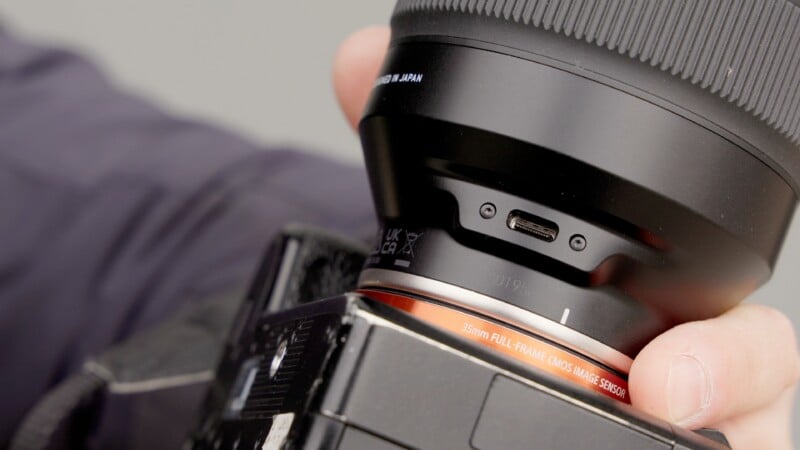
The development of Tamron’s digital ecosystem has followed a strategic timeline aimed at increasing accessibility for professional workflows. The journey began several years ago when Tamron started integrating USB-C ports directly into the barrels of its mirrorless lenses, situated near the lens mount. Initially, this port was intended for firmware updates, eliminating the need for separate lens docks or camera-mediated updates.
In 2021, Tamron launched the initial version of the Lens Utility App for desktop computers (Windows and macOS). This allowed users to connect their lenses via a USB-C cable to customize button functions and focus ring behavior. However, the requirement of a tethered computer limited the app’s utility in the field. Recognizing this limitation, Tamron expanded the software to the Android platform, enabling mobile customization.
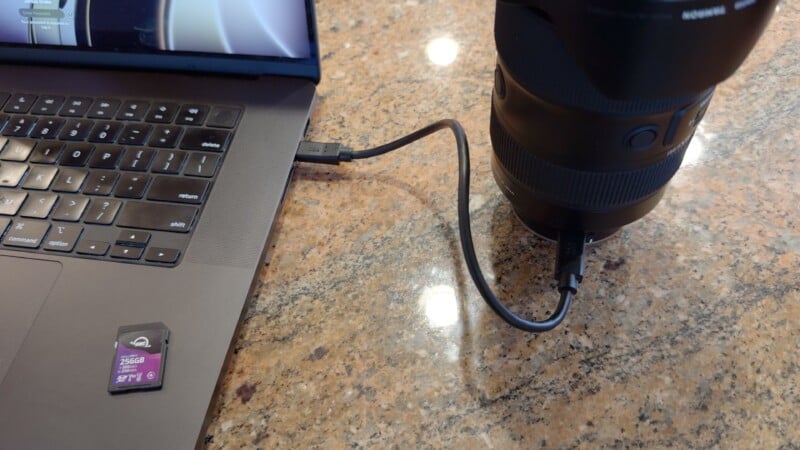
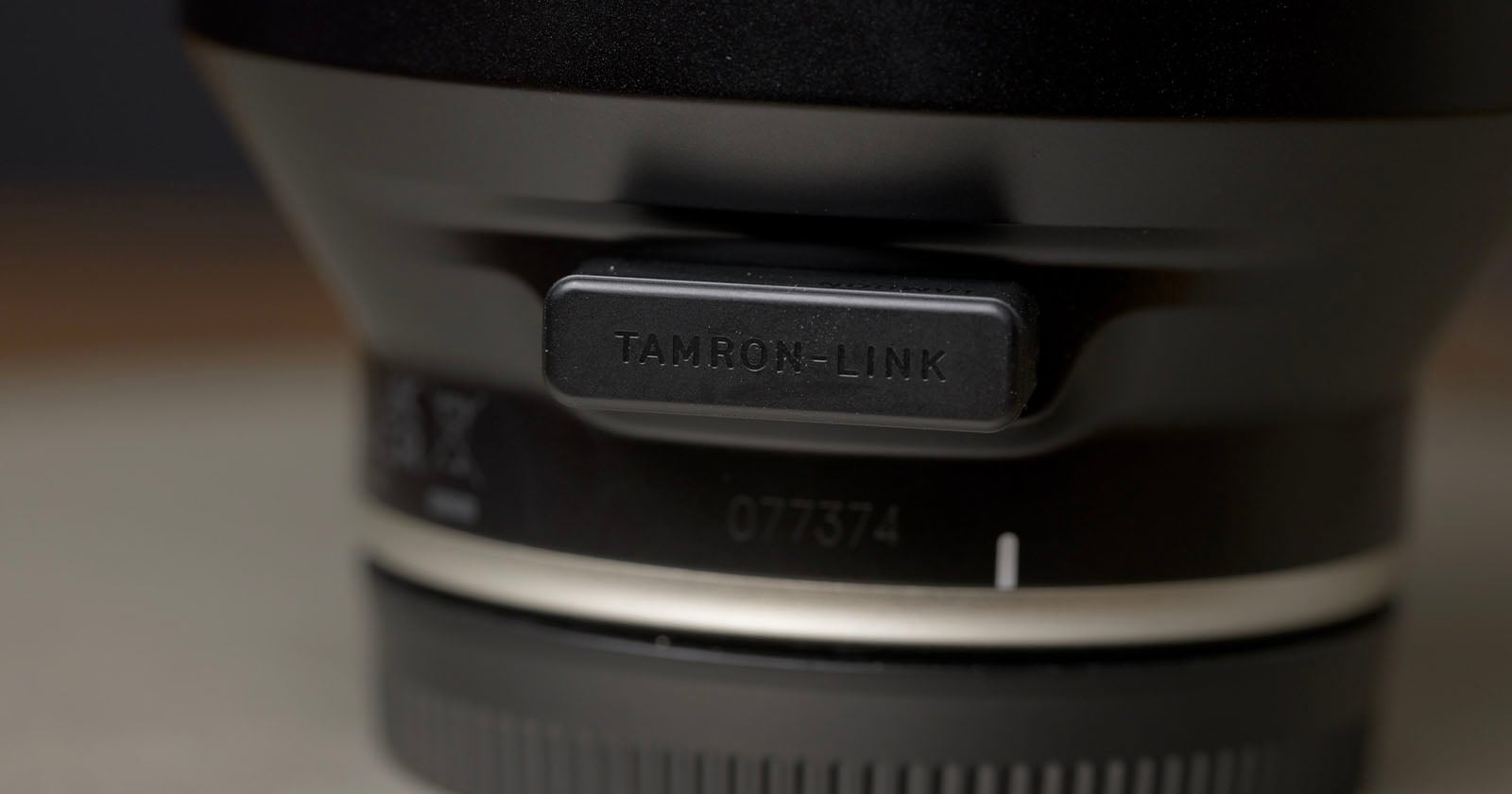
The most recent and significant milestone in this chronology occurred with the release of the Tamron Link and the expansion of the app to the iOS ecosystem. The Tamron Link is a $50 Bluetooth-enabled attachment that plugs into the lens’s USB-C port, facilitating a wireless connection between the lens and a smartphone. This development represents a shift from "initial setup" customization to "real-time" operational control, allowing photographers to adjust lens parameters wirelessly while the camera is mounted on a tripod, gimbal, or crane.
Technical Capabilities of the Lens Utility Ecosystem
The Tamron Lens Utility App provides a suite of features that significantly enhance the functionality of compatible E-mount and Z-mount lenses. These features are categorized into ergonomic customization and advanced creative control.
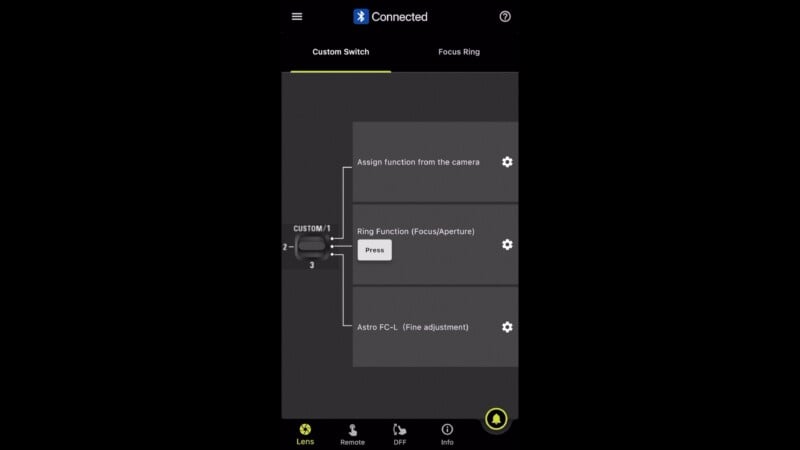
Ergonomic Customization
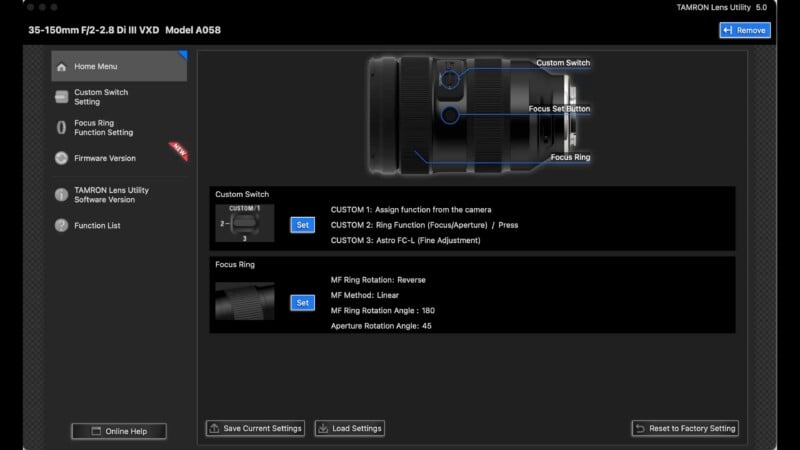
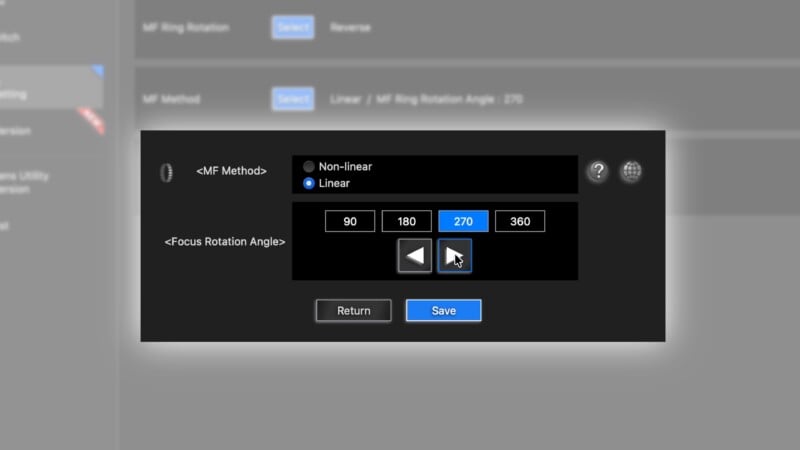
One of the primary benefits of the app is the ability to change the rotation direction of the focus ring. Historically, different manufacturers have utilized different standards; for instance, Nikon’s traditional focus direction is the opposite of Canon’s. Tamron users can now select their preferred direction, allowing for a consistent experience across multi-brand kits. Furthermore, the app allows users to switch between "Linear" and "Non-linear" focus responses. In the Linear setting, the focus distance changes in direct proportion to the angle of the ring’s rotation—a critical requirement for cinematographers who need to perform repeatable focus pulls.
Advanced Creative Features
The software introduces specialized modes such as "Astro Fine Tune." This feature is particularly valuable for astrophotographers, who often struggle to find the exact infinity focus point in total darkness. The app allows users to calibrate and save a precise infinity mark, which can then be recalled instantly with the press of a custom button on the lens barrel.
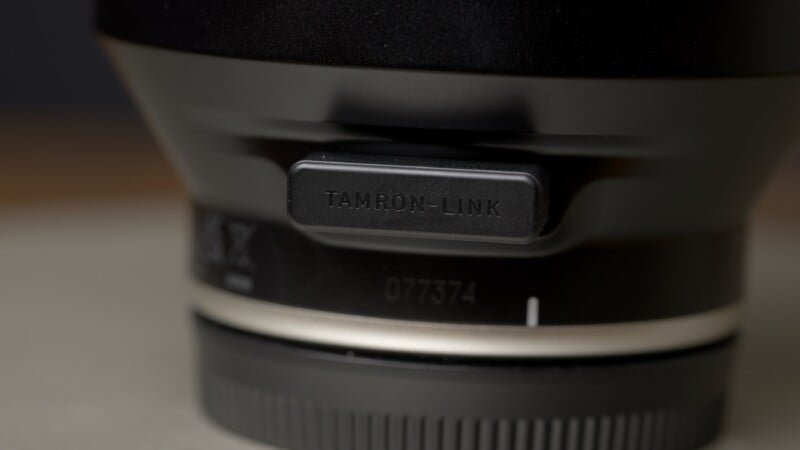
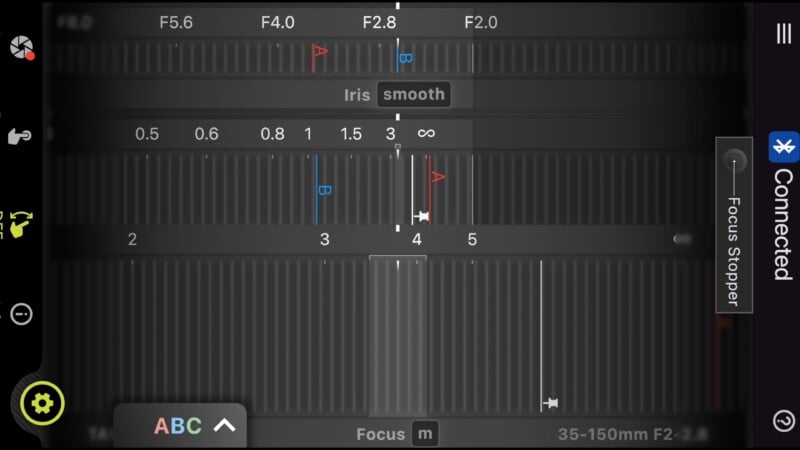
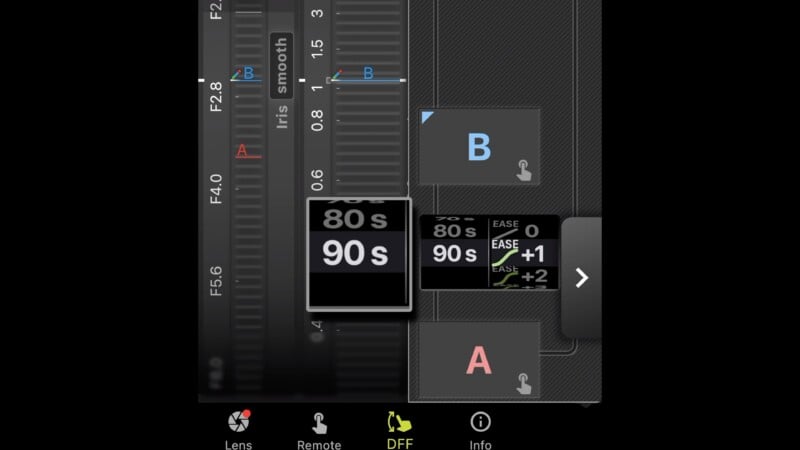
Perhaps the most innovative aspect of the app is the "A-B Focus" function. Users can set two distinct focus points (A and B) and trigger a smooth transition between them. The app allows for the customization of the transition speed, enabling focus pulls that can last anywhere from a fraction of a second to several minutes. A similar feature is available for aperture (iris) control, allowing for seamless exposure transitions during video recording.
Supporting Data and Market Context
The move toward software-defined hardware is a growing trend across the imaging industry, but Tamron’s implementation is unique in its depth. According to market data from CIPA (Camera & Imaging Products Association), the demand for hybrid cameras—those capable of high-end video and still photography—has seen a steady increase. This has created a vacuum for affordable tools that can replicate "Cine-lens" behavior.
Standard professional cinema lenses with mechanical follow-focus capabilities can cost upwards of $5,000 to $20,000. By comparison, Tamron’s software-based solution provides similar automation for the cost of a standard mirrorless lens and a $50 dongle. For instance, the ability to perform a 90-second automated focus pull during a timelapse is a feature that traditionally required bulky, expensive external motors and controllers. Tamron’s integration of this feature into the lens firmware represents a significant cost and weight saving for independent creators.
Industry Comparison and Limitations
While Tamron’s system is highly regarded for its innovation, it exists in a competitive landscape where first-party manufacturers (Sony, Canon, and Nikon) have traditionally held the advantage in hardware-software integration. However, first-party manufacturers have generally restricted their lens customization to the camera’s internal menus, which often lack the granular control found in the Tamron Lens Utility App.
Panasonic’s Lumix Sync app is perhaps the closest competitor, offering robust remote control and a live video feed. However, Tamron’s approach focuses specifically on the optics. The primary limitation of the Tamron Lens Utility App is its inability to control the camera body itself. Because the app communicates directly with the lens, it cannot trigger the camera’s shutter or provide a live-view image on the smartphone screen. Photographers performing complex timelapses must still use a separate intervalometer or the camera’s internal menu to synchronize the shutter with the lens’s automated focus transitions.
Additionally, the current iteration of the Tamron Link for iOS requires the Bluetooth dongle for all connections, as it does not currently support a direct cabled connection to iPhones. This introduces a dependency on wireless stability, which can be a concern in environments with high electromagnetic interference.
Broader Impact and Future Implications
The success of the Tamron Lens Utility App has broader implications for the future of the photography industry. It signals a move toward "Lens-as-a-Service" or software-augmented hardware, where the value of a lens is determined not just by its glass elements, but by the sophistication of its internal code.
Industry analysts suggest that if Tamron continues to gain market share through these digital features, first-party manufacturers may be forced to open their lens protocols or develop similar dedicated applications. There is also significant anticipation regarding the potential for "Power Zoom" (PZ) lenses to be integrated into this ecosystem. A software-controlled power zoom would allow for perfectly smooth, automated focal length changes, further blurring the line between consumer photography equipment and professional cinema gear.
For the end-user, the impact is one of democratization. Features that were once the province of large film crews—such as precise, slow-ramping focus pulls and perfectly calibrated infinity marks—are now accessible to solo creators. Tamron’s strategy of utilizing the USB-C port as a gateway to the lens’s "brain" has effectively future-proofed its current lineup, allowing for new features to be added via software updates without requiring the purchase of new hardware.
In conclusion, the Tamron Lens Utility App and the Tamron Link represent a pivotal moment in the history of optical design. By embracing the electronic nature of mirrorless systems rather than fighting against it, Tamron has created a toolset that enhances the creative potential of photographers and videographers alike. As the industry continues to move toward more integrated digital workflows, the precedent set by Tamron’s customization-first approach is likely to influence lens design for years to come.

