


The question of whether pet birds benefit from antioxidant supplementation during periods of increased physiological demand, such as molting, aging, hormonal cycles, routine changes, or restricted dietary variety, is a frequent topic of discussion among avian enthusiasts and veterinary professionals alike. The consensus emerging from current avian nutritional science suggests that while daily supplementation may not be universally necessary, targeted antioxidant support can indeed contribute significantly to maintaining normal cellular function and enhancing overall resilience in specific, higher-stress scenarios, forming a critical component of a comprehensive nutritional strategy. This article delves into the physiological basis of oxidative stress in birds, identifies key periods when additional antioxidant support becomes pertinent, and outlines a balanced, evidence-based approach to avian nutrition that prioritizes long-term wellness without resorting to unsubstantiated claims or excessive intervention.
Understanding Oxidative Stress in Avian Physiology
Oxidative stress is a ubiquitous biological phenomenon, an inherent byproduct of life itself. In birds, as in all aerobic organisms, fundamental metabolic processes such as respiration, digestion, and cellular energy production inevitably generate reactive oxygen species (ROS), commonly known as free radicals. These unstable molecules, possessing unpaired electrons, can cause damage to cellular components like DNA, proteins, and lipids if left unchecked. The body naturally produces antioxidants to neutralize these free radicals, maintaining a delicate balance known as redox homeostasis. However, when the production of free radicals overwhelms the body’s antioxidant defenses, oxidative stress ensues.
The Cellular Basis of Free Radicals and Antioxidants
At a microscopic level, free radicals are formed during various enzymatic reactions and cellular respiration in mitochondria, the powerhouses of the cell. Birds, characterized by their remarkably high metabolic rates, especially small species, exhibit an accelerated rate of energy turnover. This rapid metabolism, while enabling their vibrant activity and flight, also translates to a proportionally higher generation of metabolic byproducts, including free radicals. Antioxidants, both endogenous (produced by the body) and exogenous (obtained through diet), function by donating an electron to a free radical, stabilizing it and preventing it from causing cellular damage. Key dietary antioxidants include vitamins C and E, carotenoids (like beta-carotene), selenium, and a wide array of polyphenols and flavonoids found in plants. These compounds work synergistically, often regenerating each other, to bolster the body’s defense system.
Why Birds Have Unique Metabolic Needs
The unique physiology of birds, adapted for flight and high activity levels, predisposes them to particular metabolic challenges. Their high basal metabolic rate, efficient respiratory system, and often rapid growth and feather regeneration cycles demand a constant and robust supply of nutrients. In their natural habitats, wild birds consume a vast diversity of plant matter, insects, and other food sources rich in a broad spectrum of vitamins, minerals, and phytonutrients, including numerous antioxidants. This natural diet provides a continuous, varied influx of protective compounds, allowing them to efficiently manage the oxidative load associated with their energetic lifestyles.
However, the captive environment, even under the best care, often presents a different nutritional landscape. Limited foraging opportunities, reliance on commercially processed diets (even high-quality pellets), reduced exposure to natural sunlight, and environmental stressors can lead to a less diverse intake of antioxidant-rich compounds. This discrepancy between the wild avian diet and typical captive diets underscores why thoughtful consideration of antioxidant support becomes relevant for pet bird owners.
Identifying Periods of Increased Antioxidant Need
While a healthy bird on a balanced diet generally maintains adequate antioxidant defenses, certain physiological states and environmental factors can tip the scales, increasing oxidative load beyond what routine dietary intake can comfortably manage. Recognizing these periods is crucial for providing targeted, temporary support rather than indiscriminate, continuous supplementation.
Molting: A Demanding Process
Molting, the periodic shedding and replacement of feathers, is one of the most energetically and nutritionally demanding processes a bird undergoes. Feathers, primarily composed of keratin protein, require a substantial synthesis of amino acids, vitamins, and minerals. This intense metabolic activity elevates the production of free radicals. During a molt, a bird’s body is working overtime, diverting significant resources to feather growth. Studies in various avian species have shown that molting can indeed increase markers of oxidative stress. Providing additional antioxidant support during this time can help mitigate cellular damage, support efficient protein synthesis, and potentially contribute to the growth of healthier, more vibrant feathers.
Aging and Compromised Resilience
As birds age, their cellular machinery, including antioxidant defense systems, can become less efficient. Older birds may exhibit a reduced capacity to neutralize free radicals, making them more susceptible to the cumulative effects of oxidative damage. This can manifest as slower recovery from stress, decreased immune function, and a general decline in vitality. For geriatric birds or rescue birds that may have a history of nutritional deprivation or chronic stress, targeted antioxidant intervention can help support cellular integrity, enhance immune response, and improve overall quality of life by bolstering their natural defenses against age-related oxidative decline.
Hormonal Fluctuations and Environmental Stressors
Hormonal cycles, particularly those associated with breeding seasons, can place significant physiological demands on birds. The energy expenditure, behavioral changes, and reproductive processes involved all contribute to an increased metabolic workload. Similarly, environmental and emotional stressors — such as changes in routine, relocation, exposure to novel or noisy environments, social disruption (e.g., introduction of new pets, loss of a companion), or even prolonged periods of artificial lighting — trigger stress responses that can elevate cortisol levels and increase free radical production. The nervous system, fueled by a complex interplay of nutrients and plant compounds, is particularly sensitive to these shifts. During these periods, providing supplemental antioxidants can help the body cope more effectively with the increased physiological demand, supporting both physical condition and emotional stability.
Dietary Gaps in Captive Environments
Even with the best intentions, achieving a perfectly balanced and varied diet for pet birds can be challenging. Many birds develop preferences, leading to limited dietary variety. While high-quality pellets form a crucial base, they often benefit from supplementation with fresh, whole foods. However, if a bird consistently rejects certain fruits, vegetables, or seeds known for their antioxidant content, or if its diet leans heavily on less diverse processed options, nutritional gaps can emerge. These gaps mean the bird may not be receiving a broad enough spectrum of natural antioxidants to effectively manage its baseline oxidative load, let alone periods of elevated stress. In such cases, targeted supplementation can act as a bridge to ensure adequate intake of these protective compounds.
The Role of Dietary Antioxidants: Natural Sources vs. Supplementation
The foundation of any avian nutritional strategy should always be a high-quality, varied diet. Natural, plant-based foods are not only rich in antioxidants but also provide a complex matrix of other essential nutrients, fiber, and phytochemicals that work synergistically for optimal health.
Antioxidant-Rich Foods for Birds
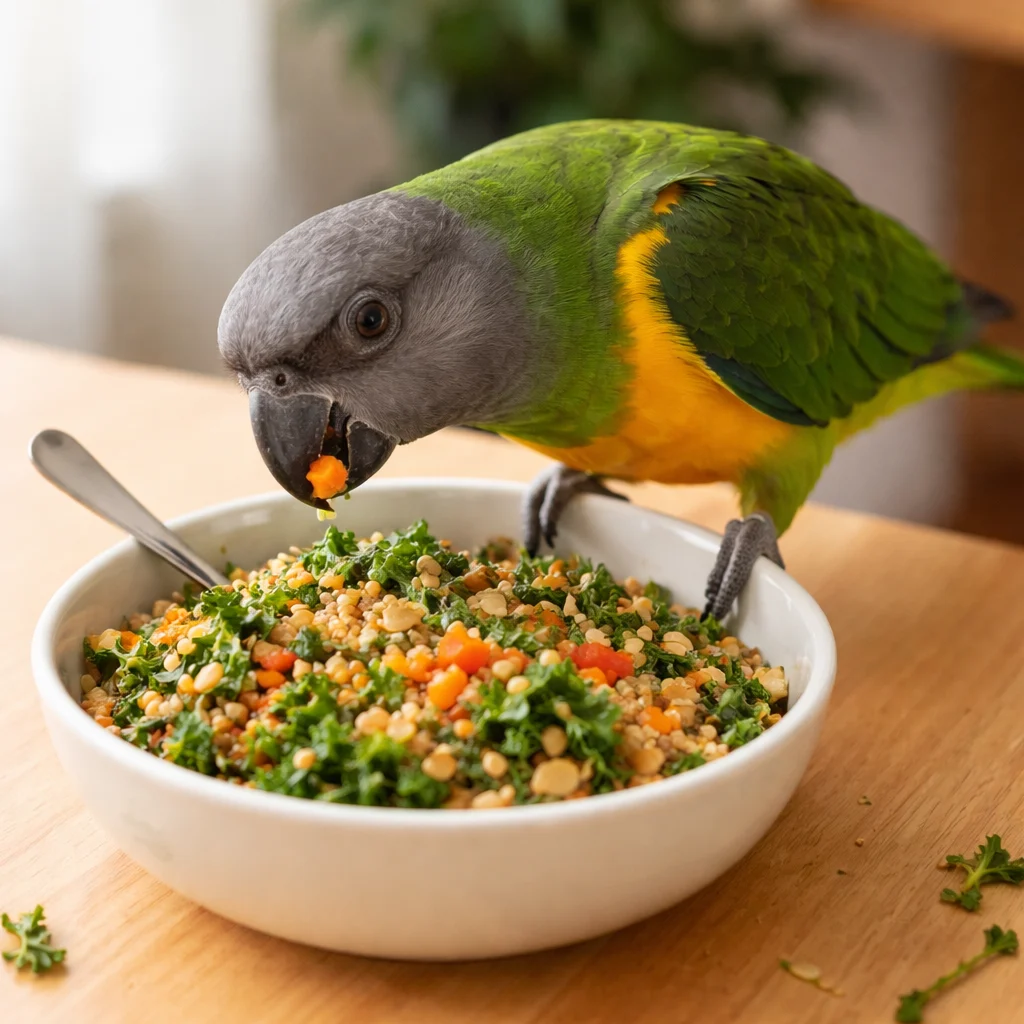
Incorporating a wide array of fresh fruits, vegetables, and seeds into a bird’s daily diet is the most effective way to ensure a consistent supply of natural antioxidants. Examples of excellent sources include:
- Berries: Blueberries, raspberries, strawberries, and cranberries are packed with anthocyanins, ellagic acid, and Vitamin C.
- Dark Leafy Greens: Kale, spinach, collard greens, and dandelion greens offer beta-carotene, Vitamin C, Vitamin E, and various flavonoids.
- Orange and Yellow Vegetables/Fruits: Carrots, sweet potatoes, bell peppers, and squash are rich in carotenoids.
- Other Fruits: Papaya, mango, and kiwi are high in Vitamin C.
- Seeds and Nuts (in moderation): Sunflower seeds (shelled, unsalted), almonds, and walnuts provide Vitamin E and selenium.
- Herbs and Spices: Turmeric (curcumin), ginger, and parsley contain powerful antioxidant compounds.
These foods should be offered daily as part of a balanced "chop" or mixed into pellets, ensuring variety to cover a broad spectrum of nutrients.
Navigating Supplementation: When and How
Supplementation should be considered a targeted intervention, not a daily panacea. It is most appropriate when a bird is experiencing one of the aforementioned stress periods, or when known dietary limitations exist. When considering supplements, prioritize those derived from natural, plant-based sources with transparent ingredient lists. Avoid products with excessive synthetic additives or fillers.
Antioxidant supplements for birds often come in liquid, powder, or treat forms. They can be added to drinking water, sprinkled over fresh foods, or mixed into soft mashes. It is crucial to start with a small dose and observe the bird for any changes in appetite, droppings, energy levels, or behavior. This cautious approach helps determine efficacy and prevents over-supplementation, which can sometimes lead to imbalances. Rotating different types of plant-based nutritional supports over time can act as a form of "nutritional insurance," helping to cover potential gaps and provide a broader spectrum of beneficial compounds without relying too heavily on any single product.
Expert Perspectives and Best Practices
The integration of antioxidant support into avian care is a topic frequently addressed by professionals in the field, who advocate for a thoughtful, evidence-based approach.
Views from Avian Veterinary Professionals
Avian veterinarians consistently emphasize that no supplement can compensate for a fundamentally poor diet or inadequate husbandry. Dr. Sarah Miller, an avian veterinarian with two decades of experience, notes, "Our primary focus remains on a species-appropriate, highly varied diet as the cornerstone of avian health. However, in specific cases—like chronic illness, recovery from trauma, or the intense demands of molting in older birds—we often see tangible benefits from judiciously applied antioxidant support. It’s about providing the body with extra tools when its natural reserves are under strain, not a ‘fix-all’ solution." Vets typically recommend a thorough dietary assessment and a physical examination before suggesting any supplementation, ensuring that underlying health issues are not masked by nutritional interventions. They also caution against self-diagnosis and blanket supplementation, highlighting the importance of professional guidance.
Insights from Avian Nutritionists
Avian nutritionists generally concur that the emphasis should be on whole foods first. Dr. Alex Chen, an avian nutritionist specializing in companion bird diets, states, "The beauty of whole plant foods lies in their complex interplay of nutrients. A blueberry isn’t just Vitamin C; it’s a symphony of anthocyanins, fiber, and other compounds that work together. Supplements can isolate these components, which is useful for targeted support, but they rarely replicate the holistic benefit of whole foods." Nutritionists also advise owners to understand the context of their bird’s life. A young, healthy bird on an excellent diet with minimal stress likely needs less supplemental intervention than an elderly bird with chronic conditions or a rescue bird adjusting to a new home. The goal is to build a "protective buffer" or "nutritional armor" through consistent, quality nutrition.
Avoiding Common Pitfalls in Avian Care
In the enthusiasm to provide the best for their pets, bird owners can sometimes fall into common traps:
- Changing Too Much at Once: Simultaneously altering diet, lighting, routines, and introducing multiple supplements makes it impossible to identify which changes are beneficial or detrimental. A systematic, one-change-at-a-time approach allows for clear observation and assessment.
- Following Advice Without Context: Online forums and social media groups are invaluable for shared experiences, but individual birds have unique needs. What works for one bird’s specific situation may be unnecessary or even harmful for another. Critical thinking and consultation with professionals are paramount.
- Over-reliance on Processed Supplements: While some supplements are beneficial, a diet heavily reliant on highly processed options, especially those with long lists of synthetic ingredients, can be less effective than simple, whole-food-based nutrition. Quality ingredients matter.
The Broader Implications for Pet Bird Welfare
The informed use of antioxidant support has significant implications for the long-term health and welfare of companion birds, extending beyond individual instances of stress.
Long-Term Health and Quality of Life
By strategically supporting a bird’s natural defenses against oxidative stress, owners can contribute to a longer, healthier, and more vibrant life for their avian companions. Reduced cellular damage over time can help delay the onset of age-related diseases, maintain cognitive function, and support a robust immune system. This proactive approach to nutrition is a key component of preventative care, enhancing a bird’s overall quality of life and potentially reducing the frequency and severity of veterinary interventions for stress-related conditions.
Educating Bird Owners and Industry Standards
The growing understanding of oxidative stress in avian health underscores the need for continuous education for pet bird owners. Reputable avian product manufacturers and educators play a crucial role in providing accurate, science-backed information about nutritional needs and the judicious use of supplements. As consumer demand for natural and effective pet care solutions grows, the industry is increasingly moving towards developing supplements that are plant-based, well-researched, and formulated specifically for avian physiology, moving away from generic, one-size-fits-all approaches. This evolution signifies a positive trend towards more sophisticated and species-specific nutritional support for companion birds.
Conclusion: A Holistic Approach to Avian Wellness
Ultimately, supporting a bird’s health is a journey of consistent, thoughtful choices rather than a quest for perfection or quick fixes. A robust, varied, and species-appropriate diet forms the bedrock of avian wellness, providing the vast majority of necessary nutrients and natural antioxidant defenses. However, during predictable periods of elevated physiological demand—such as molting, aging, hormonal shifts, or environmental stress—or when dietary limitations are evident, targeted, plant-based antioxidant support can serve as a valuable tool. This support should be integrated carefully, observed closely, and always complement, rather than replace, fundamental good nutrition, consistent routines, environmental enrichment, and appropriate veterinary care. By embracing a holistic and informed approach, pet bird owners can empower their feathered companions to not just survive, but truly thrive throughout their lives.

