


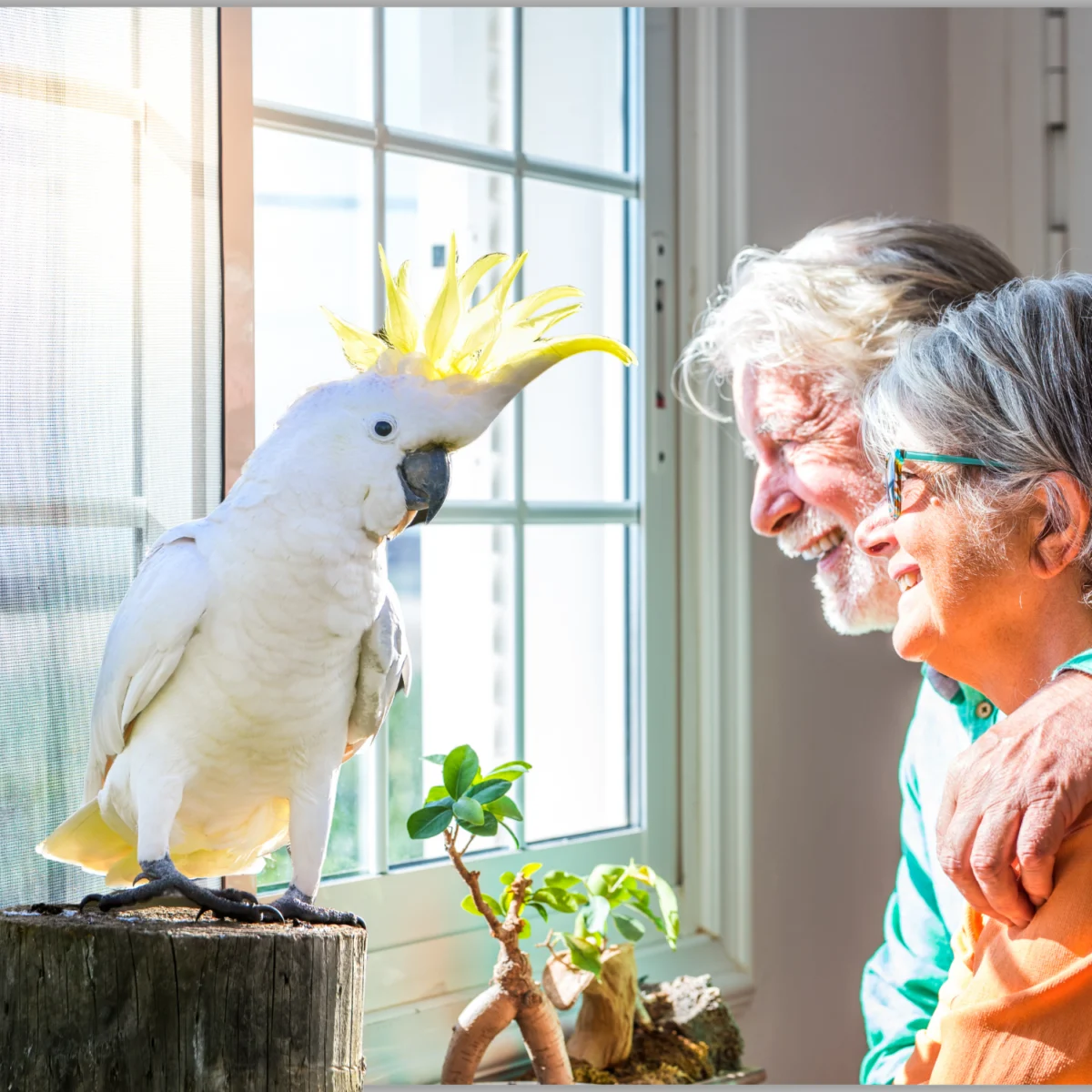
Parrots, renowned for their vibrant plumage and remarkable intelligence, are unique among companion animals due to their extraordinary longevity. Some species can live for 30, 50, or even upwards of 80 years, creating a profound, multi-decade commitment for their human caregivers. This exceptional lifespan transforms parrot ownership into a serious responsibility, demanding meticulous care, significant financial investment, and thoughtful long-term planning, often extending beyond the owner’s own lifetime. Whether a new guardian welcomes a young parrot into their home or takes on the rewarding challenge of caring for a senior bird, a comprehensive understanding of the factors influencing avian longevity is paramount to ensuring the best possible life for these intelligent creatures. This guide delves into the specifics of parrot lifespans, explores the multifaceted aspects of supporting them through every stage of life, and addresses the critical need for planning their future, including scenarios where they may outlive their primary caregivers. It also examines the distinct joys and challenges associated with adopting senior parrots, offering insights to aid in making informed decisions for these feathered companions.
The Spectrum of Parrot Lifespans: A Species-Specific Overview
The notion that all parrots share a similar lifespan is a common misconception. In reality, the longevity of a parrot is heavily dependent on its species, with a notable correlation between size and lifespan. Smaller species, such as budgerigars (budgies), typically have a shorter life expectancy, while larger macaws and African Grey parrots can easily live for many decades. This variability underscores the importance of species-specific research for prospective owners.
The following data illustrates the significant differences in average lifespans across various parrot species, both in their natural habitats and under human care:
| Parrot Species | Average Lifespan (Wild) | Average Lifespan (Captivity) |
|---|---|---|
| Budgie Parakeet | 5-8 years | 7-15 years |
| Lovebirds | 10-15 years | 15-20 years |
| Quaker Parrot | 15-20 years | 20-30 years |
| Ringneck Parrot | 20-30 years | 25-35 years |
| Cockatiel | 10-15 years | 15-25 years |
| Senegal Parrot | 20-30 years | 25-40 years |
| Conure | 10-20 years | 20-30 years |
| Eclectus Parrot | 30-50 years | 40-50 years |
| Amazon Parrot | 30-50 years | 40-60 years |
| Grey Parrot (African) | 40-60 years | 50-80 years |
| Macaw | 50-80 years | 60-100 years |
It is crucial to note that captive lifespans often exceed those in the wild due to protection from predators, consistent food supply, and veterinary intervention. However, this extended lifespan also places a greater burden of responsibility on human caregivers to replicate the complex environmental and social stimulation found in natural habitats.
Pillars of Longevity: Key Factors Influencing Parrot Lifespan
A parrot’s ability to reach its maximum genetic lifespan is profoundly shaped by a combination of inherent traits and environmental provisions. Understanding these critical factors is fundamental to proactive care.
Genetics and Species-Specific Predispositions
The genetic blueprint of a parrot species is the primary determinant of its inherent longevity potential. Large parrots, such as macaws and African Greys, possess genetic mechanisms that support extended cellular repair, slower metabolic rates relative to their body size, and robust immune systems, allowing them to live for many decades. This is a common biological principle across many animal taxa, where larger body size often correlates with greater longevity. Conversely, smaller species like budgies and lovebirds have faster metabolisms and different evolutionary pressures that result in shorter natural lifespans. While exceptional care can optimize the lifespan within a species’ genetic range, it cannot fundamentally alter these innate biological limits. A meticulously cared-for budgie may thrive beyond its average, but it will not achieve the longevity of a well-cared-for macaw, illustrating the foundational role of genetics.
Optimal Diet and Comprehensive Nutrition
Nutrition stands as a cornerstone of parrot health and longevity. A balanced diet, meticulously crafted to provide essential vitamins, minerals, proteins, and healthy fats, directly supports organ function, bolsters the immune system, and maintains overall vitality. Diets composed primarily of seeds, a common mistake in parrot ownership, are notoriously deficient in vital nutrients and often high in fat. Such diets predispose birds to severe health issues, including obesity, hypovitaminosis A, calcium deficiency, and debilitating conditions like fatty liver disease, all of which significantly shorten lifespan.
A recommended diet typically centers around high-quality formulated pellets, which provide a balanced nutritional foundation. This should be supplemented daily with a wide variety of fresh vegetables (e.g., dark leafy greens, bell peppers, carrots, broccoli), controlled portions of fruits (e.g., berries, apples, melon), and occasional healthy fats (e.g., small amounts of nuts like almonds or walnuts). Specialized supplements, when recommended by an avian veterinarian, can address specific deficiencies. Proper nutrition not only prevents illness but actively fosters longevity by equipping the bird’s physiological systems with the necessary resources to thrive and resist disease.
Proactive Veterinary Care and Disease Prevention
Regular veterinary care from an experienced avian veterinarian is non-negotiable for extending a parrot’s lifespan. Parrots are masters of disguise, instinctively concealing signs of illness as a survival mechanism. This innate behavior means that by the time overt symptoms appear, the underlying condition is often advanced and more challenging to treat. Routine annual wellness exams, including comprehensive physical assessments, bloodwork, fecal analyses, and weight monitoring, are crucial for detecting subtle health issues in their nascent stages, allowing for timely and effective intervention.
An avian veterinarian can provide expert guidance on species-specific nutritional needs, behavioral management, and crucial preventive care protocols, such as vaccinations where applicable. Early diagnosis and treatment of infections, organ dysfunction, or nutritional imbalances can dramatically alter a bird’s prognosis and significantly extend its life. This proactive approach to veterinary medicine shifts the focus from merely treating illness to actively preserving long-term health and well-being, acknowledging the complex physiology of avian species.
Enhancing Longevity: Strategies for a Thriving Parrot Life
Beyond the foundational aspects of genetics, diet, and veterinary care, the quality of a parrot’s daily life, encompassing its mental, social, and physical environment, plays an equally vital role in its longevity and overall welfare.
Mental and Social Stimulation: Nurturing the Avian Mind
Parrots are highly intelligent and sentient beings that thrive on mental challenges and rich social interaction. In their natural habitats, they engage in complex foraging behaviors, problem-solving to access food, intricate social hierarchies, and constant communication within their flocks. In a captive environment, the absence of such stimulation can lead to severe psychological distress, manifesting as boredom, anxiety, and destructive behaviors. These can include feather plucking (a common stress response that can lead to skin infections), excessive screaming, aggression, or even self-mutilation, all of which can compromise health and shorten lifespan.
To mitigate these risks, caregivers must provide a dynamic and enriching environment. This includes a diverse array of engaging toys, such as foraging puzzles that require problem-solving to retrieve treats, shreddable materials like cardboard or untreated wood for natural chewing instincts, and interactive play items. Regular rotation of toys prevents habituation and maintains novelty. Structured training sessions, even for simple tricks or recall, offer significant cognitive engagement and strengthen the bond between bird and owner. Social interaction is equally critical. Daily one-on-one time with the caregiver, supervised interactions with other compatible birds, or simply being included as an active participant in daily household activities can prevent isolation and keep a parrot mentally sharp and emotionally fulfilled. A stimulated and socially integrated parrot is inherently healthier and happier.
Physical Exercise: Maintaining Avian Vigor
Regular physical activity is indispensable for a parrot’s physical health and longevity. In the wild, parrots are highly active, flying vast distances, climbing extensively, and foraging for hours, which maintains strong muscles, cardiovascular health, and agile bodies. In captivity, a sedentary lifestyle, often exacerbated by overly small cages, leads to significant health problems. These include obesity, which predisposes birds to heart disease and diabetes; muscle atrophy, particularly in flight muscles; and joint issues, especially arthritis in older birds. All these conditions can substantially shorten a bird’s lifespan.
Encouraging flight is paramount. This can be achieved through supervised free flight in a safe, bird-proofed indoor space or controlled flight training sessions. For birds unable to fly, providing climbing gyms, a variety of swings, and interactive floor play encourages movement. Even simple activities like flapping exercises while perched, supervised exploration outside the cage, or playing with foot toys can help maintain muscle tone and energy expenditure. Perch diversity is also crucial; offering perches of different diameters, textures (natural branches, rope perches), and materials promotes foot health, prevents pressure sores (pododermatitis), and encourages natural foot exercises. A physically active parrot not only boasts better physiological health but also exhibits fewer stress-related behaviors, contributing to overall well-being and a longer, more vibrant life.
The Daily Wellness Checklist: Proactive Observation
Incorporating a brief daily wellness check into the routine is a simple yet powerful strategy for early detection of health issues, thereby extending a parrot’s lifespan. Due to their instinct to hide illness, even subtle changes in behavior, appetite, or droppings can be the first indicators of a developing problem. Taking a few minutes each day to observe your bird can make a critical difference:
- Appetite and Water Intake: Note any significant changes. A sudden decrease or increase can be a red flag.
- Droppings: Observe consistency, color, and volume. Diarrhea, unusual colors, or undigested food warrant immediate attention.
- Feather Condition: Look for ruffled feathers, feather plucking, or dullness.
- Nostrils and Eyes: Ensure they are clear and free from discharge.
- Posture and Demeanor: A bird that is lethargic, hunched, or unusually quiet may be ill.
- Breathing: Listen for any clicking, wheezing, or labored breathing.
- Foot and Leg Health: Check for sores, swelling, or lameness.
Regularly performing these checks helps caregivers establish a baseline for their bird’s normal state, enabling quick identification of deviations that may signal health concerns. For a more structured approach, a detailed daily, weekly, and monthly bird care plan can be invaluable.
Navigating the Golden Years: Signs of Aging and Senior Bird Care
As parrots advance into their senior years, their physiological needs and behaviors undergo predictable changes, necessitating adjustments in care to ensure their comfort and dignity.
Recognizing the Signs of Aging
The aging process in parrots often mirrors that of other long-lived animals. A common indicator is a noticeable decrease in energy levels; senior birds may nap more frequently, move with less agility, and take longer to climb or fly. Feather condition can also change, potentially becoming duller, with slower and less complete molting cycles, or even localized feather loss. Brittle nails and beak overgrowth are frequent occurrences, requiring more diligent and frequent grooming.
Sensory declines are also common. Vision and hearing may diminish, making navigation more challenging. Older birds might be less responsive to visual cues, exhibit hesitation when stepping up due to altered depth perception, or startle more easily if they cannot hear approaching sounds. Arthritis is a prevalent condition in aging parrots, leading to stiffness, reduced mobility, and difficulty perching comfortably. Adjusting their environment becomes critical: providing softer perches (e.g., rope perches, platform perches), lowering food and water bowls to easily accessible levels, and ensuring adequate, consistent lighting can significantly enhance their comfort and maintain their independence in their twilight years.
Specialized Care for Senior Parrots
Caring for a senior parrot requires thoughtful modifications to their routine and environment. Given their reduced activity levels, caregivers should ensure easy access to perches, food bowls, and toys. Soft rope or platform perches are particularly beneficial for arthritic feet, alleviating pressure and preventing discomfort. Ramps or ladders can aid birds with mobility issues in navigating their enclosure.
Nutrition becomes even more critical for senior birds. Their ability to absorb nutrients may diminish, necessitating a high-quality, easily digestible diet. This should include an abundance of fresh vegetables, and possibly specialized senior bird pellets. Supplements rich in omega-3 fatty acids can support aging joints and cognitive function, while antioxidants help combat cellular aging. Hydration is equally important, as older birds may be more prone to dehydration; multiple water sources or increased intake of moisture-rich foods can be beneficial. Regular, gentle exercise tailored to their abilities, such as short periods of supervised out-of-cage time or light stretching, can help maintain muscle tone and joint flexibility.
A comprehensive senior bird care checklist includes:
- Regular Avian Vet Check-ups: Increased frequency (e.g., semi-annual) to monitor age-related conditions.
- Dietary Adjustments: Easily digestible foods, joint and cognitive supplements, adequate hydration.
- Environmental Modifications: Lowered perches, soft perches, ramps, easy access to food/water.
- Temperature Regulation: Senior birds may be more susceptible to cold; consider supplemental heating.
- Gentle Grooming: More frequent nail and beak trims due to brittleness or overgrowth.
- Pain Management: Discuss options with your vet for arthritis or chronic pain.
- Mental Stimulation: Continue offering puzzles and interaction, adapting them to slower reflexes.
- Observation: Heightened vigilance for subtle changes in health or behavior.
With these thoughtful adjustments, caregivers can ensure their senior parrots enjoy their golden years with comfort, dignity, and continued companionship.
Planning for the Future: A Lifelong Commitment
The extraordinary longevity of parrots necessitates a profound level of future planning, a responsibility often overlooked by prospective owners.
The Imperative of Estate Planning for Companion Birds
A significant and often emotionally challenging reality of parrot ownership is that many long-lived species will outlive their human caregivers. This fact underscores the critical importance of estate planning for companion birds. Without a clear, legally binding plan, a parrot’s future care can become uncertain, potentially leading to abandonment, placement in unsuitable homes, or prolonged stays in rescue facilities. Establishing a plan ensures the continued well-being, stability, and quality of life for these intelligent and emotionally complex animals.
Structuring a Comprehensive Care Plan
Effective future planning for a parrot involves several key components. Identifying a trusted individual or organization willing and capable of providing lifelong care is paramount. This designated caregiver should ideally be familiar with the bird, its specific needs, and the commitment involved. Legally, this can be formalized through a last will and testament, specifying the parrot’s care arrangements and potentially allocating funds for its maintenance. A more robust option is establishing a pet trust, a legal instrument that provides for the care of an animal after the owner’s death or incapacitation. A pet trust can outline detailed instructions regarding diet, veterinary care, living conditions, and even specific enrichment activities, ensuring that the bird’s established routine and preferences are maintained. It can also designate a trustee to oversee the funds and ensure the caregiver adheres to the trust’s provisions. Discussions with potential caregivers and legal professionals specializing in pet trusts are highly recommended to create a comprehensive and enforceable plan.
Adoption vs. Buying: A Conscientious Decision
The decision to acquire a parrot, whether through adoption or purchase, carries significant ethical and practical implications, particularly given their extended lifespans.
Considering Age and Long-Term Commitment
When choosing between adopting an older parrot or purchasing a young bird, an individual’s own age and long-term life plans must be carefully considered. Species like macaws and African Greys, with their potential 50- to 100-year lifespans, frequently outlive their human companions. For older individuals or those uncertain about committing to a multi-decade responsibility, adopting a senior parrot from a rescue organization offers a wonderfully rewarding alternative. Many older birds are in desperate need of loving homes, having often been surrendered due to changing family circumstances or the passing of their previous owners. They frequently come with established personalities, known habits, and some level of training, potentially making the transition smoother than raising a neonate.
Conversely, baby parrots demand intensive care, consistent training, and immense patience to develop into well-adjusted companions. They navigate challenging developmental stages, including hormonal adolescence, which can be demanding for even experienced owners. Choosing a young bird necessitates a profound, lifelong commitment and, crucially, a robust long-term care plan, including the legal designation of a guardian who can assume care if the bird outlives its initial owner. Regardless of whether one adopts or buys, prioritizing the parrot’s future well-being and establishing a comprehensive care strategy should always be integral to the decision-making process.
Essential Considerations Before Adopting
Bringing a parrot into one’s home is a decision that requires extensive forethought and commitment. Given their lifespans—ranging from 15 to over 80 years, depending on the species—it represents a multi-decade obligation for daily care, social interaction, and significant financial investment. Prospective owners must honestly assess their capacity to meet these demands for the entirety of the bird’s life, considering potential changes in their own circumstances five, ten, or even twenty years into the future.
Parrots are not low-maintenance pets. Their complex needs include daily interaction, consistent mental challenges through enrichment, and a stable, stimulating environment to ensure their happiness and health. Many adopted parrots, particularly those from rescue situations, may carry "baggage" from past experiences, such as trauma, trust issues, or ingrained undesirable behaviors. However, with consistent patience, dedicated training, and unwavering love, these birds can transform into incredibly devoted and enriching companions. The financial aspects are also substantial, encompassing costs for specialized veterinary care (which can be expensive), high-quality food, a suitably large cage, and a continuous supply of enrichment toys and accessories. A thorough review of one’s budget is essential to ensure these ongoing expenses can be comfortably managed.
The paramount consideration remains the bird’s future beyond the owner’s lifetime. For parrots with long lifespans, establishing a contingency plan is not merely advisable but ethically imperative. This involves identifying a trusted individual or organization willing to assume care or legally incorporating the parrot into estate planning, such as through a pet trust. Adoption offers a noble opportunity to provide a second chance to a deserving bird, but a comprehensive assessment of one’s readiness—emotionally, financially, and logistically—is crucial to ensure a successful and mutually beneficial lifelong partnership.
Conclusion: A Commitment to Longevity and Well-being
A parrot’s lifespan is not solely determined by its genetic inheritance; it is a direct reflection of the comprehensive care, meticulous nutrition, and profound love it receives throughout its life. From providing consistent mental stimulation and opportunities for physical exercise to ensuring a balanced diet and regular veterinary oversight, every thoughtful choice made by a caregiver accumulates, contributing significantly to years of robust health and vibrant existence. Recognizing the unique challenges and rewards associated with these long-lived companions, a holistic approach to avian wellness is essential for supporting their longevity, maintaining feather health, and fostering overall well-being. Investing in quality products, informed by avian science, and committing to ongoing education are key components of helping parrots thrive for decades, ensuring they enjoy a life rich in comfort, dignity, and companionship.
References:
Diane Burroughs, LCSW, is a licensed psychotherapist specializing in avian anxiety disorders, nervous bird behaviors, and overall bird care. Her work has been featured in the Journal of Avian Medicine and Surgery and presented at Exoticscon. Diane also mediates the Feather Plucking Help group on Facebook.
TAGS: #ParrotLongevity #ParrotLifespan #AverageLifespanOfAParrot

