


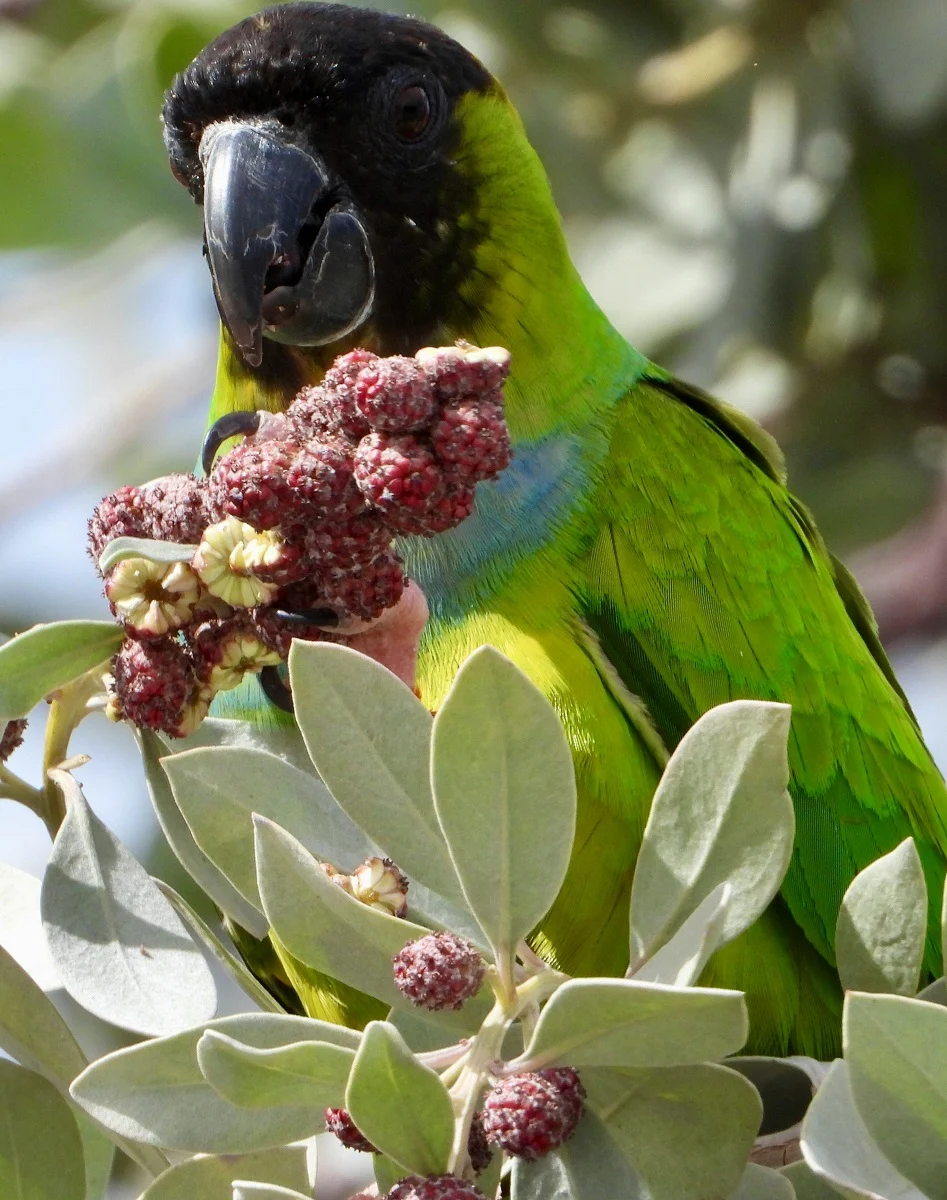
The Nanday Conure (Aratinga nenday), also widely recognized as the black-hooded conure, presents a captivating profile for prospective pet owners: a friendly, playful, and intelligent South American parrot, yet one that demands an exceptionally high tolerance for noise. These vibrant birds, capable of forming deep bonds with their human companions, require a nuanced understanding of their specific needs, ranging from their intricate dietary requirements to their profound social instincts and significant vocal capabilities, which can reach ear-damaging decibel levels.
Taxonomy and Distinctive Appearance
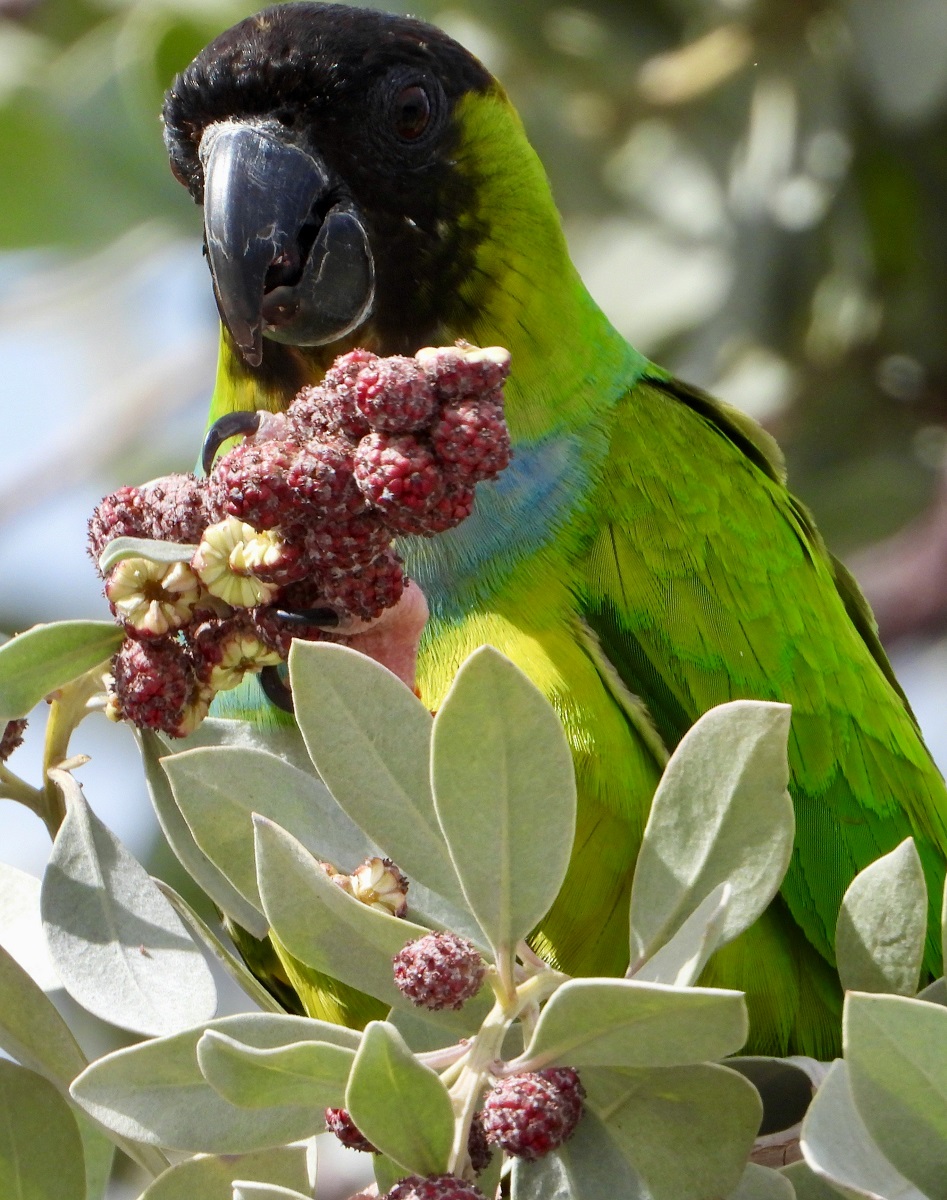
Nanday Conures are medium-sized parrots, typically reaching up to 12 inches (30 cm) in length and weighing around 140 grams. Their striking appearance is dominated by a glossy, stark black head, which gives rise to their alternative common name, the black-hooded conure. This dark hood sharply contrasts with an otherwise predominantly bright green body, creating an eye-catching visual. Further distinguishing features include a black beak, prominent white eye rings, blue-green chest feathers, and bright red thighs. Their plumage is generally uniform, with little sexual dimorphism, making it difficult to differentiate males from females based solely on visual cues.
Historically, the Nanday Conure was classified under its own genus, Nandayus nenday. However, a significant taxonomic revision occurred following a 2004 study by Ribas and Miyaki, published in Molecular Phylogenetics and Evolution. This research, utilizing molecular systematics, demonstrated that Nandayus nenday did not warrant its own genus but instead belonged within Aratinga. This reclassification placed it alongside closely related species such as the Sun Conure (Aratinga solstitialis) and the Jenday Conure (Aratinga jandaya), underscoring shared evolutionary lineage and genetic similarities. This scientific update highlights the dynamic nature of avian classification and provides deeper insight into the species’ evolutionary history within the broader parrot family. With appropriate care, Nanday Conures are known for their impressive longevity, often living for up to 30 years, a testament to their robust nature and the commitment required from their owners.
Natural Range and Habitat Dynamics
The native range of the Nanday Conure spans a narrow band across central South America. This geographical distribution includes significant portions of Paraguay, extending into southern Brazil, eastern Bolivia, and northern Argentina. Within this expansive territory, the species thrives in open lowlands, typically at altitudes up to approximately 2,600 feet (800 meters). Their preferred habitats are often characterized by former forests that have been converted into cattle pastures, suggesting an adaptability to human-altered landscapes. These areas are commonly dotted with various palm species, which Nanday Conures utilize extensively for nesting purposes. The natural environment can vary from swampy, wetland conditions to quite dry regions, demonstrating the species’ resilience across diverse ecological niches.
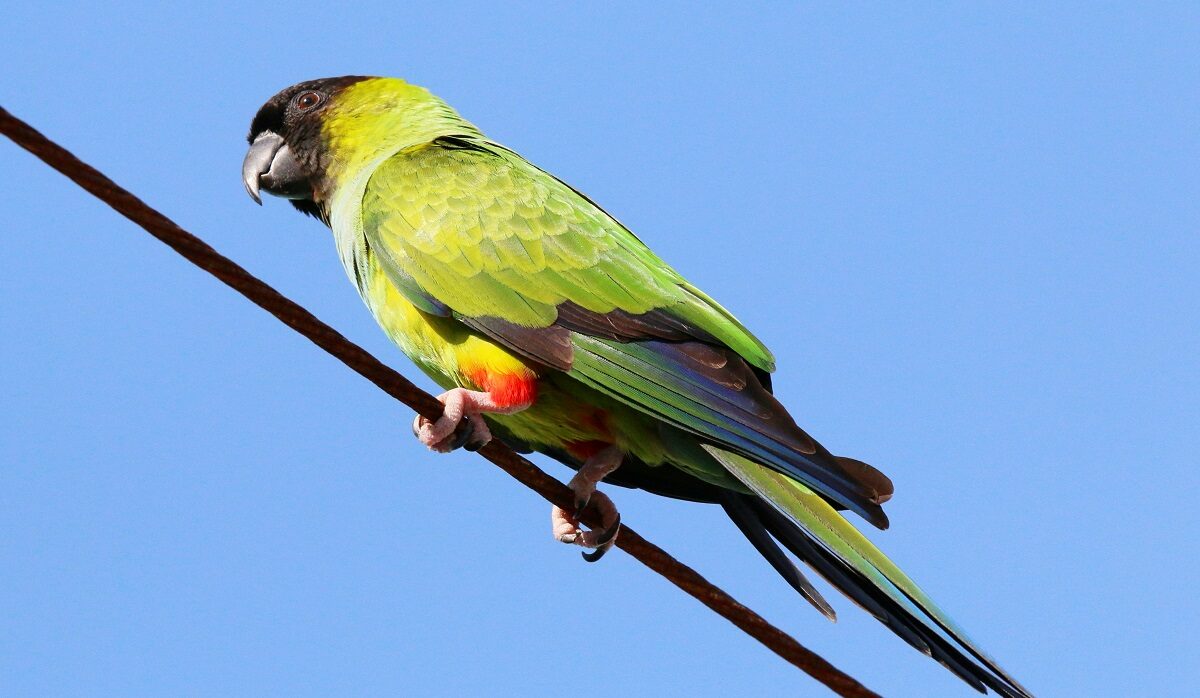
An intriguing aspect of the Nanday Conure’s population dynamics is its current conservation status. The International Union for Conservation of Nature (IUCN) Red List classifies Aratinga nenday (note the "e" in the scientific name as opposed to the "a" in the common name) as a species of Least Concern. Remarkably, the IUCN notes that the wild population size appears to be increasing. This counterintuitive trend for a wild bird population is attributed, in part, to habitat changes resulting from human activities. As native forests are cleared for agriculture and livestock, the creation of open lowlands and pastures, interspersed with palms, inadvertently provides new suitable habitats and food sources for these adaptable parrots. This anthropogenic alteration of landscapes, while often detrimental to many species, has, in this specific instance, facilitated the expansion of the Nanday Conure’s native populations, presenting a complex interplay between human development and wildlife ecology.
Ecological Role and the Challenge of Invasive Populations
Beyond its native range, the Nanday Conure has become a notable example of an invasive species in several countries. This phenomenon typically occurs when captive-bred or pet birds are either intentionally released or escape and manage to establish breeding populations in non-native environments. Thriving flocks of Nanday Conures are now found in diverse locations, including parts of Spain, various regions of California, Florida, and other urban and suburban areas globally. A 2019 study by Uehling, Tallant, and Pruett-Jones on the status of naturalized parrots in the United States identified the Nanday Conure as one of the top three most successful invasive parrot species in the country.
The implications of these invasive populations are significant and often detrimental to local ecosystems. Non-native parrots can compete with indigenous bird species for vital resources such as food and nesting sites, potentially disrupting delicate ecological balances. They may also introduce diseases to native wildlife, further endangering vulnerable populations. Furthermore, large flocks of invasive parrots can cause agricultural damage, particularly to fruit and nut crops, leading to economic losses for local farmers. For example, in Florida, Nanday Conures are known to forage in citrus groves, and their noisy presence and droppings can be a nuisance in urban parks and residential areas. This situation highlights a broader concern among conservationists and wildlife management agencies regarding the ecological footprint of the pet trade and the responsible ownership of exotic animals. The adaptability that allows them to thrive in human-modified landscapes in their native range also contributes to their success as invaders, presenting a dual challenge for both conservation efforts and urban wildlife management.
Dietary Needs: From Wild Foraging to Captive Nutrition
The diet of the Nanday Conure is a critical factor influencing its health and longevity, whether in the wild or in captivity. In their natural habitat, these conures exhibit a highly varied and opportunistic feeding strategy. Their primary diet consists of wild fruits, prominently featuring those from the Copernicia palm species. They also consume a wide array of seeds, berries, flowers, and flower buds. This diverse intake ensures a broad spectrum of nutrients essential for their active lifestyle. A fascinating aspect of their wild diet, highlighted by a 2002 study by Ragusa-Netto, is their role as pollinators. The Nanday Conure has been observed drinking nectar from the flowers of the beautiful flowering Erythrina dominguezii tree, inadvertently spreading pollen in the process and contributing to the plant’s reproductive cycle.
Like many other South American parrot species, Nanday Conures engage in geophagy, the practice of consuming soil from clay licks. This behavior, observed in various regions, is thought to serve multiple crucial functions. It is hypothesized to help the birds obtain necessary micronutrients, such as minerals and trace elements, that may be scarce in their regular diet. Additionally, consuming clay is believed to aid in neutralizing toxins present in some of the fruits and seeds they consume, acting as a natural detoxifier.
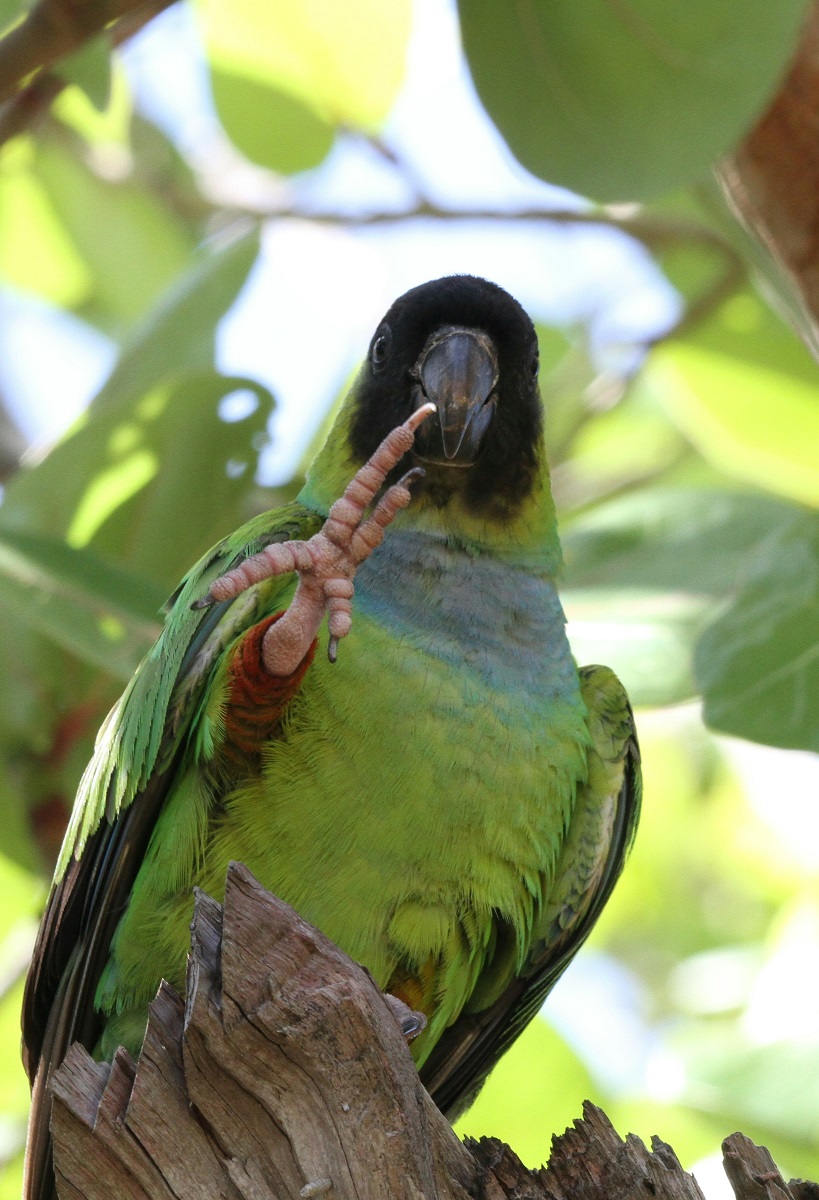
In captivity, replicating this varied and nutrient-rich diet is paramount for the health of a pet Nanday Conure. Modern avian veterinary science, including recommendations from experts like Dr. Daisy (Psittacology’s own avian veterinarian), strongly advocates for a base diet of high-quality, commercially formulated pellet food. This approach marks a significant shift from older practices where seed mixes were the primary offering. Seed-based diets, while seemingly natural, are often deficient in essential vitamins and minerals and high in fat, leading to common issues such as malnutrition, vitamin deficiencies (particularly Vitamin A), and obesity in captive parrots.
To supplement the pellet base and provide crucial variety and additional nutrients, a daily offering of fresh fruits and vegetables is indispensable. Safe and healthy options for parrots include grapes, leafy greens (kale, spinach, romaine lettuce), apples (seeds removed), bell peppers, broccoli, carrots, and various other seasonal produce. It is vital to research parrot-safe foods, as some common human foods can be toxic to birds. Furthermore, owners can offer small amounts of sprouted seeds, cooked whole grains like pasta and brown rice, and even occasional protein sources such as small pieces of boiled egg or cooked lean chicken. A well-balanced and diverse diet is the cornerstone of preventing disease and promoting a long, healthy life for a captive Nanday Conure.
Housing and Environmental Enrichment: Creating a Thriving Home
Providing an appropriate living environment is fundamental to the well-being of a Nanday Conure. These active birds require ample space to thrive, both physically and mentally. For owners not planning to allow their bird to roam freely for significant periods daily, a full-sized aviary is the ideal choice, with a recommended length of at least 10 feet (3 meters) to allow for flight and exercise. Even with daily out-of-cage time, a spacious cage is crucial. A minimum size of 30 x 24 x 24 inches (75 x 60 x 60 cm) is suggested, though larger is always preferable. Crucially, cage length is more important than height, as parrots tend to move horizontally and need space to stretch their wings fully without touching the cage bars.
Within the cage, the interior setup is equally vital. It should contain a variety of natural wood perches of different diameters and textures to promote foot health and prevent pressure sores. Platforms can also offer resting spots and diversify the cage landscape. A diverse array of conure toys is essential to prevent boredom and provide mental stimulation. These can include shreddable toys, foraging toys, puzzle toys, and swings. Regular rotation of toys helps maintain novelty and engagement. At least two food bowls (one for pellets, one for fresh produce) and a constant source of clean, fresh water are necessary. Many parrots also enjoy bathing, so a shallow water dish or a bird bath can be provided.
Beyond the immediate cage environment, owners must be acutely aware of household safety hazards. Parrots possess highly sensitive respiratory systems, making them exceptionally vulnerable to airborne chemicals and fumes. It is imperative to avoid smoking, using aerosol sprays (e.g., air fresheners, hairsprays), burning scented candles, or using nonstick cookware (which can release toxic fumes when overheated, even slightly) in the vicinity of a bird. These substances can cause severe respiratory distress or even be fatal. Ensuring proper ventilation and creating a "parrot-proofed" space free from toxic plants, open water sources, exposed electrical cords, and other dangers is a continuous responsibility for every bird owner. Knowledge of basic parrot emergency care is also highly recommended, as curious and fragile parrots can be prone to accidents.
Social Dynamics, Temperament, and the Need for Enrichment
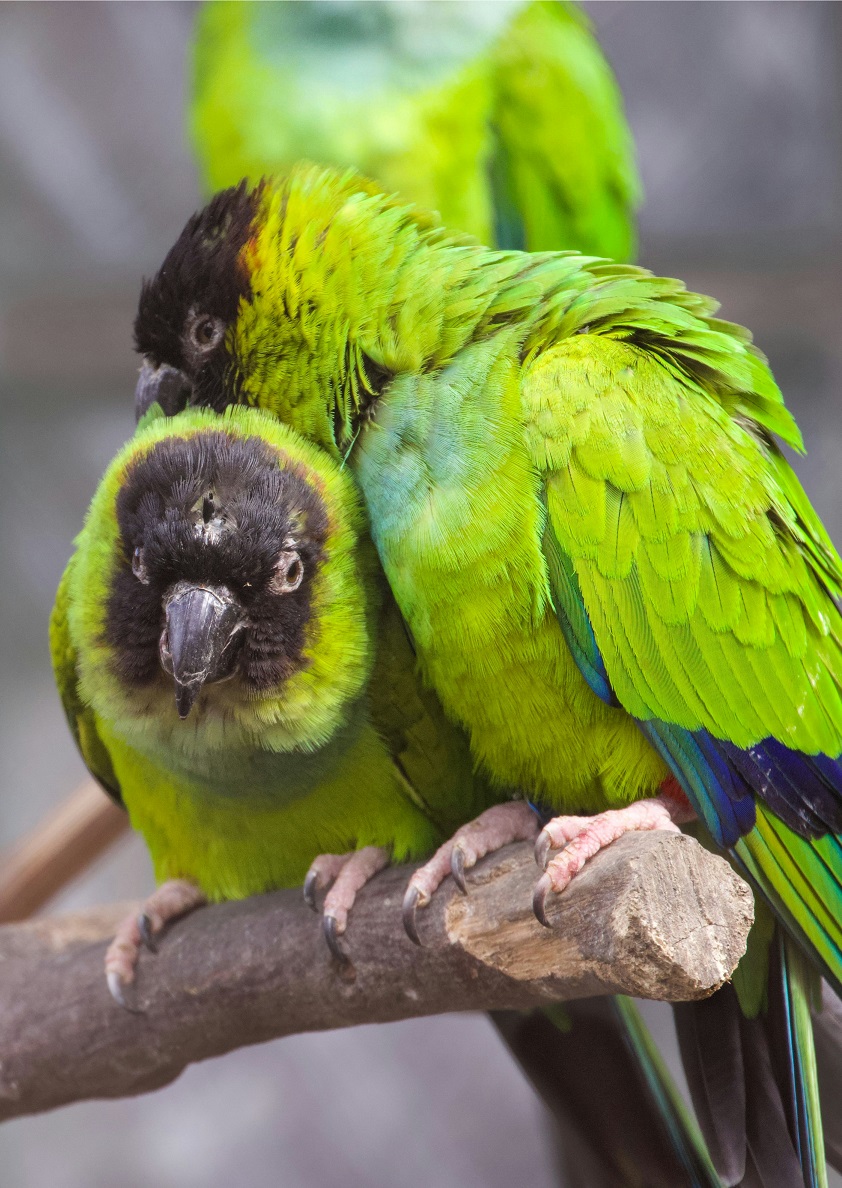
Nanday Conures, like most parrot species, are highly intelligent and intensely social creatures. This combination makes enrichment a non-negotiable aspect of their care. A lack of mental stimulation and social interaction can lead to severe behavioral problems, including obesity, aggression, destructive behaviors, and even depression, which can manifest as feather picking or self-mutilation.
The social aspect is arguably the most challenging and critical element of Nanday Conure ownership. These birds thrive on attention and interaction, forming strong bonds with their human "flock." If left alone for extended periods without adequate social engagement, a Nanday Conure can become overly needy, exhibiting undesirable behaviors such as incessant screaming when their owner leaves the room, or displaying jealousy towards perceived "competitors" for attention, whether another pet or even a family member.
To mitigate boredom and stress, owners must dedicate substantial daily time to interacting with their bird. This includes playtime, training sessions, talking, and simply being present. For individuals with regular 9-to-5 work schedules, providing a second Nanday Conure for companionship can be an excellent solution. A pair of conures can provide mutual stimulation and reduce reliance solely on human interaction, though this does not negate the need for human bonding.
Beyond direct social interaction, a variety of enrichment activities should be incorporated into their daily routine:
- Foraging Toys: These encourage natural foraging behaviors, making the bird "work" for its food, which provides mental stimulation.
- Shreddable Toys: Parrots have an innate need to chew and destroy. Providing safe, shreddable toys made of paper, wood, or natural fibers satisfies this instinct and prevents boredom.
- Training: Teaching simple commands, tricks, or even target training provides mental exercise and strengthens the bond between bird and owner.
- Bathing Opportunities: Many Nanday Conures enjoy misting with water or bathing in a shallow dish, which is beneficial for feather health and provides a fun activity.
- Supervised Out-of-Cage Time: Allowing the bird to explore a safe, parrot-proofed room for several hours daily is crucial for exercise and mental stimulation.
- Music and Auditory Stimulation: Playing soft music or bird-friendly sounds can provide background stimulation when the owner is busy.
In terms of temperament, Aratinga conures, including the Nanday, are generally appreciated for their friendly and outgoing dispositions. Unlike some Pyrrhura genus conures, a well-socialized Nanday is less prone to nipping. They tend to be accepting of new people and can integrate well into a family environment. An ideal day for a Nanday Conure would likely involve engaging with noise-making toys, interactive training or talking sessions with their human family, receiving plenty of head scratches, and perhaps a comfortable nap on their owner’s shoulder, all interspersed with foraging and flight opportunities.
The Defining Characteristic: Nanday Conure Vocalizations and Noise Levels
Any discussion of the Nanday Conure is incomplete without a frank assessment of its vocalizations. Prospective owners must understand that these birds are incredibly, unequivocally LOUD. This is not merely an exaggeration but a scientifically documented trait that profoundly impacts their suitability as pets. Conures of the genus Aratinga are widely considered among the noisiest parrots, and Nandays are a prime example.
To underscore this point, consider the data: while a macaw might scream at 105 decibels and a Moluccan cockatoo at 135 decibels, the relatively small Nanday Conure has been recorded reaching astounding peaks as high as 155 decibels. This level of sound is not just loud; it can be physically damaging. As noted in Robin Deutsch’s 2009 book, Good Parrotkeeping, "Screams this high can injure your eardrums." To put 155 decibels into perspective, it is comparable to the sound of a jet engine at takeoff from 100 feet away, or a shotgun blast. Such intensity is a critical consideration for any potential owner.
Nanday Conures are typically most vocal and noisy during dawn and dusk, mirroring their natural flock calls in the wild as they greet the day or settle down for the night. They also tend to become particularly boisterous when excited, startled, or seeking attention. Their repertoire includes piercing flock calls, whistles, chirps, and an impressive ability to imitate common household noises, which can range from charming to incredibly irritating depending on the sound and frequency.
Given these formidable noise levels, it is absolutely imperative for anyone considering a Nanday Conure to conduct thorough due diligence. Listening to recordings of their calls, readily available on platforms like xeno-canto (a global database of bird sounds), is a vital first step. Even better, prospective owners should endeavor to visit someone who owns a Nanday Conure, such as a reputable breeder, to experience the full extent of their vocalizations firsthand. Furthermore, an honest assessment of one’s living situation is crucial. These conures are generally not suitable for apartment dwellers or those living in close proximity to neighbors, as their calls can easily penetrate walls and cause significant disturbance.
While not renowned for their mimicry to the extent of an African Grey Parrot, some Nanday Conures do exhibit a capacity for speech. They may pick up various sounds and phrases from their environment, producing what might be described as "baby babble" or recognizable short words and their names. Owners can encourage this by repeating simple tunes, words, or phrases. However, it’s important to manage expectations; not all Nandays will be interested in imitating human speech, and their "talking" will likely be less clear and extensive than some other parrot species. Their primary mode of communication remains their loud, characteristic calls.
In conclusion, the Nanday Conure is a highly rewarding pet for individuals prepared to meet its specific needs. Its vibrant personality, intelligence, and affectionate nature make it a captivating companion. However, its exceptional longevity, demanding social requirements, and particularly its intense vocalizations necessitate a profound commitment and a living situation that can accommodate its boisterous nature. Understanding these critical aspects ensures that a Nanday Conure can truly thrive and become a cherished, if undeniably loud, member of the family.

