


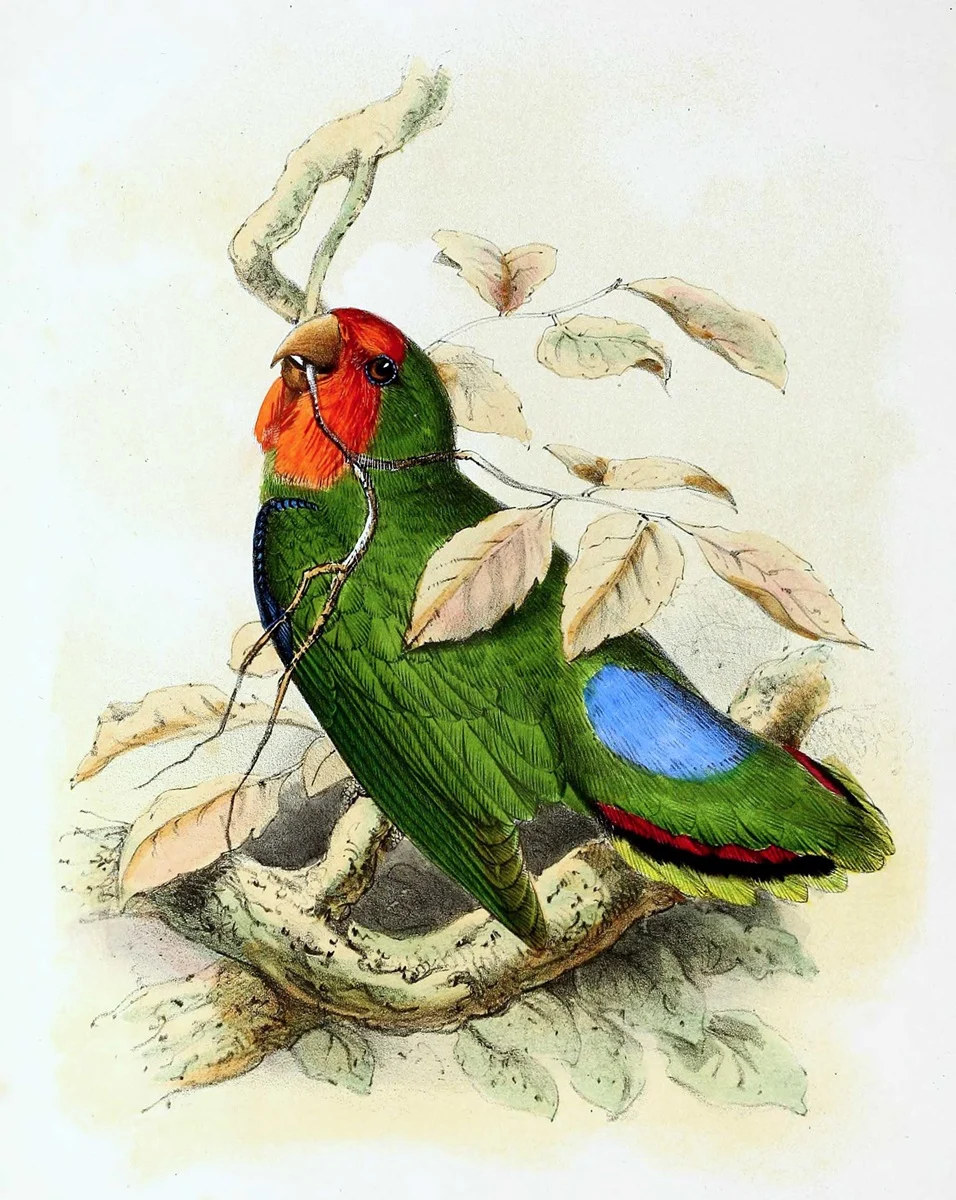
The Agapornis pullarius, more commonly known as the Red-headed Lovebird or Red-faced Lovebird, stands as a unique and often enigmatic species within the beloved Agapornis genus. Unlike its more widely recognized cousins, such as the Peach-faced or Fischer’s Lovebirds, which have become staples in global aviculture, Agapornis pullarius remains a rare sight in captivity. This scarcity is primarily attributed to its highly stress-prone nature, making it a challenging species for even the most experienced parrot enthusiasts to manage. This comprehensive overview delves into the intricate details of this fascinating parrot, covering its natural history, ecological role, conservation status, and the complexities associated with its limited presence in human care.
Classification and Discovery
The genus Agapornis, meaning "love bird" in Greek, encompasses nine species of small parrots native to Africa, renowned for their strong pair bonds and often vibrant plumage. Agapornis pullarius was scientifically described by Carolus Linnaeus in 1758, establishing its place within ornithological records. The species is characterized by its distinctive sexual dimorphism, a feature not universally present across all lovebird species. This taxonomic distinction highlights its unique evolutionary path within the genus. Two primary subspecies are generally recognized: Agapornis pullarius pullarius, the nominate race, and Agapornis pullarius ugandae, though further research sometimes proposes additional regional variations based on subtle morphological differences and geographical isolation. These distinctions, while minor to the casual observer, are crucial for conservationists and aviculturists in understanding genetic diversity and population management.
Natural Habitat and Geographical Distribution
The Red-headed Lovebird’s natural range spans a significant, albeit patchy, band across West to Central Africa, extending from countries like Guinea in the west through to Ethiopia in the east. This distribution covers a diverse array of sub-Saharan landscapes, specifically favoring tropical lowland savannahs. Unlike species that thrive in dense, primary rainforests, Agapornis pullarius exhibits a preference for open woodlands and savannahs dotted with scattered trees, which provide both roosting sites and foraging opportunities, yet allow for easy flight and visibility. They are typically observed at altitudes up to 2,000 meters (approximately 6,550 feet), though their presence is more common in lower elevations.
The species is largely sedentary within its preferred habitat, displaying limited nomadic behavior unless environmental factors, such as food scarcity or severe weather, necessitate temporary displacement. Red-headed Lovebirds are typically seen in pairs or small flocks, usually comprising up to a few dozen individuals. These social groupings are vital for foraging efficiency and defense against predators. Their reliance on specific habitat types makes them particularly vulnerable to environmental changes and habitat fragmentation. The presence of suitable trees for nesting and roosting, often in conjunction with termite mounds, is a critical factor influencing their localized abundance.
Distinctive Appearance and Sexual Dimorphism

The Red-headed Lovebird is undeniably a visually striking parrot, small in stature but bold in coloration. The dominant body plumage is a vibrant, almost emerald green, providing excellent camouflage amidst tropical foliage. This vivid green is dramatically contrasted by a brilliant scarlet red that covers the entirety of the face, extending from the forehead down to the throat, and encompassing the beak. A subtle yet noticeable dash of blue often adorns the lower back, while the tail feathers exhibit a small band of red, adding another layer of complexity to its aesthetic.
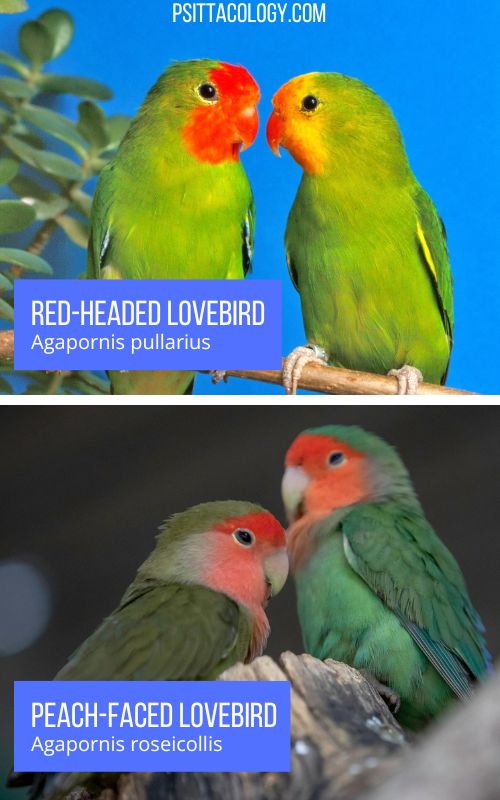
A key distinguishing feature, and one of the most reliable methods for sexing this species visually, lies in its pronounced sexual dimorphism. Males boast a far brighter, more intense scarlet-red facial mask and a richer red beak. In contrast, the female’s facial coloration tends to be duller, often leaning towards an orange-red hue rather than a deep scarlet, and her beak is typically a paler orange-red. This difference, while subtle, is consistently present and allows for easy differentiation by experienced observers. When compared to the more commonly encountered Peach-faced Lovebird (Agapornis roseicollis), Agapornis pullarius shares a similar overall body shape and size. However, the most immediate identifier remains the beak color: A. pullarius possesses a distinct red beak, while A. roseicollis has a beige or horn-colored beak. This detail is crucial for identification, particularly for those unfamiliar with the subtle nuances between lovebird species.
Dietary Habits: Wild and Captive
In their natural environment, Red-headed Lovebirds are primarily granivorous, exhibiting a strong preference for grass seeds. This dietary inclination places them in direct competition with agricultural interests, as they readily exploit cultivated crops such as millet, sorghum, and maize. Consequently, they are often perceived as agricultural pests by local farmers, leading to conflicts that unfortunately contribute to population decline through culling efforts. Beyond grass seeds, their diet is supplemented with various wild fruits, including figs and guava, when available. They may also consume berries, blossoms, and occasionally small insects, especially during breeding season to provide additional protein.
In aviculture, replicating this natural diet while ensuring complete nutrition is paramount. Traditionally, captive Red-headed Lovebirds have been fed dry or sprouted seeds. However, modern avian veterinary science increasingly advocates for a high-quality pelleted diet as the cornerstone of a parrot’s nutrition. Pellets are formulated to provide a balanced array of vitamins, minerals, and macronutrients, addressing the common deficiencies associated with seed-only diets. This should be supplemented with a diverse range of fresh vegetables, particularly leafy greens, and a moderate amount of fresh fruits. Cooked grains, legumes, and select foraged weeds can further enrich their diet. During breeding periods or times of stress, an increase in protein through sources like boiled egg or mealworms is highly beneficial, supporting reproductive health and overall vigor.
Conservation Status and Threats
The International Union for Conservation of Nature (IUCN) Red List currently classifies Agapornis pullarius as a species of "Least Concern." However, this classification often masks underlying vulnerabilities, as the IUCN itself notes that the species is "locally uncommon" across much of its natural range, and its population is believed to be decreasing. This paradoxical situation highlights the limitations of broad conservation categories when faced with specific regional threats and declining trends.
Several factors contribute to the ongoing decline of Red-headed Lovebird populations:

- Habitat Destruction: Extensive deforestation for agriculture, logging, and urbanization across West and Central Africa directly impacts the savannah and open woodland habitats favored by A. pullarius. As these ecosystems are converted or degraded, the birds lose crucial foraging grounds and nesting sites, leading to fragmented populations and reduced breeding success.
- Conflict with Farmers: As previously mentioned, the lovebirds’ propensity to feed on agricultural crops results in them being targeted by farmers. This human-wildlife conflict often leads to lethal control measures, further exacerbating population pressures.
- Capture for the Pet Trade: Despite its stress-prone nature, Agapornis pullarius has historically been, and continues to be, a target for the international pet trade. A 2018 study alarmingly revealed that nearly 40,000 Red-headed Lovebirds were exported since 1975, a substantial number for a species noted as locally uncommon. This trade, often involving illegal trapping and smuggling, removes individuals from wild populations, disrupting social structures and reproductive potential. The inherent stress of capture and transport means a high mortality rate for wild-caught birds, making the trade particularly unsustainable and ethically problematic.
- Climate Change: While not explicitly detailed in the original source, broader environmental changes due to climate change, such as altered rainfall patterns and increased frequency of extreme weather events, could also impact food availability and breeding success, adding another layer of threat to the species.
The observations by Parr & Juniper (2010) in "Parrots: A Guide to Parrots of the World" further underscore these concerns: "Abundance also varies owing to nomadic habits, but a genuine overall decline appears to have occurred in many areas this century. Trapped for live bird trade with large numbers in captivity outside range." This statement corroborates the declining trend and emphasizes the dual pressures of habitat degradation and the pet trade. The species is listed on CITES Appendix II, meaning international trade is regulated to prevent over-exploitation, but enforcement challenges persist, particularly for wild-caught specimens.
Aviculture: A Specialized and Challenging Endeavor
The Red-headed Lovebird’s presence in aviculture is notably sparse compared to other lovebird species. It is predominantly kept by a select group of highly dedicated and experienced parrot enthusiasts and specialized breeders, primarily as an aviary bird rather than a household pet. The species’ extreme nervousness, susceptibility to stress, and discerning nature present significant hurdles for successful captive management. Wild-caught individuals are particularly fragile; a sudden loud noise, an unfamiliar presence, or even the proximity of boisterous cage mates can trigger profound stress responses, leading to refusal to eat, self-mutilation, or even sudden death. This delicate disposition makes the Red-headed Lovebird unsuitable for typical pet ownership, as it rarely acclimates to human interaction and thrives best in a quiet, stable environment with minimal direct handling. The adage "look, but don’t touch" truly applies to this species in captivity.
Housing Requirements: For those experienced enthusiasts who manage to acquire captive-bred Red-headed Lovebirds – a crucial distinction given the ethical concerns surrounding wild-caught birds – appropriate housing is paramount. A spacious, heated aviary is ideal, preferably one that allows for solitary housing or keeping a single compatible pair, minimizing external stressors. If kept indoors, a substantial cage is required, measuring at least 80cm (30 inches) wide, with a narrow bar spacing of around 1.25cm (0.5 inches) to prevent escape. The cage should be furnished with a variety of natural wood perches of varying diameters to promote foot health, along with foraging toys and water/food bowls. The placement of the cage is critical; it should be in a quiet room, away from high traffic areas, loud noises, and sudden movements.
Reproduction and Breeding Difficulties in Captivity
Red-headed Lovebirds in the wild time their breeding efforts to coincide with the rainy season, a period of abundant food resources crucial for raising offspring. Their nesting habits are particularly distinctive and contribute significantly to the challenges of captive breeding. Unlike many parrots that readily accept traditional nest boxes, Agapornis pullarius primarily utilizes arboreal (tree-dwelling) termite or ant nests. The female meticulously burrows into these complex structures, excavating a chamber and reinforcing it with carefully selected plant materials, such as grass leaves. Occasionally, they may also nest in ground-level termite mounds or natural tree hollows, but the preference for insect-built structures remains strong.
The inherent nervousness of the species, combined with its specialized nesting requirements, makes breeding Red-headed Lovebirds in captivity notoriously difficult. Standard wooden nest boxes are often rejected. Dedicated breeders, however, have made progress by experimenting with innovative solutions. Nest boxes crafted from cork, for example, have shown promising results. Cork offers a texture and density that can mimic the natural burrowing experience of a termite mound, providing the necessary sense of security and a substrate for the female to excavate. The thermal insulation properties of cork may also contribute to a more stable microclimate within the nest, further enhancing breeding success. Even with these specialized provisions, successful breeding remains an infrequent achievement, demanding extraordinary patience, observation, and an unwavering commitment to minimizing stress factors in the breeding environment.
Enrichment and Noise Level
Like all parrots, Red-headed Lovebirds are intelligent creatures that require significant mental and physical stimulation to prevent boredom and associated stress-related behaviors. Given their heightened sensitivity, enrichment must be introduced gradually and thoughtfully. Abrupt changes or the introduction of overly novel or frightening items can induce severe stress.
Essential enrichment items include:
- Chew Toys: Providing a continuous supply of natural wood branches, untreated pine, or bird-safe destructible toys allows them to satisfy their natural urge to chew, keeping their beaks healthy and minds engaged.
- Foraging Opportunities: Hiding food in puzzle toys or within natural substrates encourages their natural foraging instincts, turning mealtime into a stimulating activity.
- Bathing Opportunities: A shallow dish of fresh water or a misting with a spray bottle provides opportunities for bathing, essential for feather health and hygiene.
- Natural Elements: Incorporating natural branches, dried grasses, and safe plants into their enclosure can create a more naturalistic and enriching environment.
Regarding noise, Agapornis pullarius is considered relatively quiet for a parrot species. Their calls, while distinctively shrill, are generally not as loud or persistent as those of many larger parrot species or even some other lovebirds. However, like all psittacines, they are capable of becoming vocal, particularly when alarmed, stressed, or communicating within their flock. Recordings available on platforms like Xeno-Canto provide valuable insights into their vocalizations in their natural habitat.
Broader Implications and Future Outlook
The Red-headed Lovebird serves as a compelling case study in the complexities of avian conservation and responsible aviculture. Its "Least Concern" status belies a precarious existence in the wild, threatened by a confluence of habitat loss, human-wildlife conflict, and unsustainable trade. The species’ unique biological and behavioral traits, particularly its extreme sensitivity to stress and specialized nesting habits, create significant challenges for both in situ conservation and ex situ breeding programs.
For conservation efforts, a multi-faceted approach is essential. This includes protecting and restoring their savannah habitats, mitigating conflict with farmers through education and alternative crop protection methods, and rigorously enforcing CITES regulations to curb the illegal pet trade. Public awareness campaigns can also help to shift demand away from wild-caught birds towards ethically sourced, captive-bred individuals, where available.
In aviculture, the rarity and specialized needs of Agapornis pullarius necessitate a cautious and ethical approach. Breeding programs for this species are not undertaken for commercial gain but rather for the preservation of genetic diversity and the potential future reintroduction of populations if conditions allow. Such programs require substantial resources, expertise, and a deep commitment to the birds’ welfare, prioritizing their psychological and physiological needs above all else. The successful breeding efforts by dedicated individuals, often involving innovative techniques like cork nest boxes, represent vital contributions to our understanding and potential safeguarding of this species.
The Red-headed Lovebird, with its stunning appearance and enigmatic nature, reminds us that conservation extends beyond charismatic megafauna to encompass even the smallest, most delicate members of the avian world. Its future hinges on a concerted effort to address the threats it faces in the wild and to foster responsible, ethical practices among those who choose to study or keep this remarkable African parrot.

