


One day, your sweet, cuddly bird is nuzzling your neck. The next? They’re dive-bombing your head, shredding everything in sight, or regurgitating on your favorite hoodie like it’s a love letter. This dramatic shift is often a clear indicator: bird hormones. Hormone season is a natural, albeit challenging, period for many companion parrots, leading to intense behavioral changes that can perplex even experienced bird owners. While these hormonal surges are a normal part of avian biology, understanding their triggers and manifestations is crucial for maintaining a harmonious household and ensuring the well-being of your feathered companion. The good news is that managing hormone season effectively is entirely possible, often without resorting to drastic measures. This comprehensive guide aims to demystify avian hormonal cycles, providing owners with the knowledge and actionable strategies needed to navigate this period with minimal drama and maximum success.
Recognizing the Signs: Is Your Bird Hormonal?
Birds do not come equipped with a "hormone warning light," but their behavior often tells a vivid story. A bird experiencing a hormonal surge may exhibit a range of behaviors, from subtle shifts in temperament to unmistakable displays of breeding instinct. These changes are rooted in their natural reproductive drives, which, in a captive environment, can become misdirected or amplified. Understanding these indicators is the first step toward effective management.
Behavioral Manifestations
Common hormonal behaviors are diverse and vary in intensity by individual and species. Owners might observe:
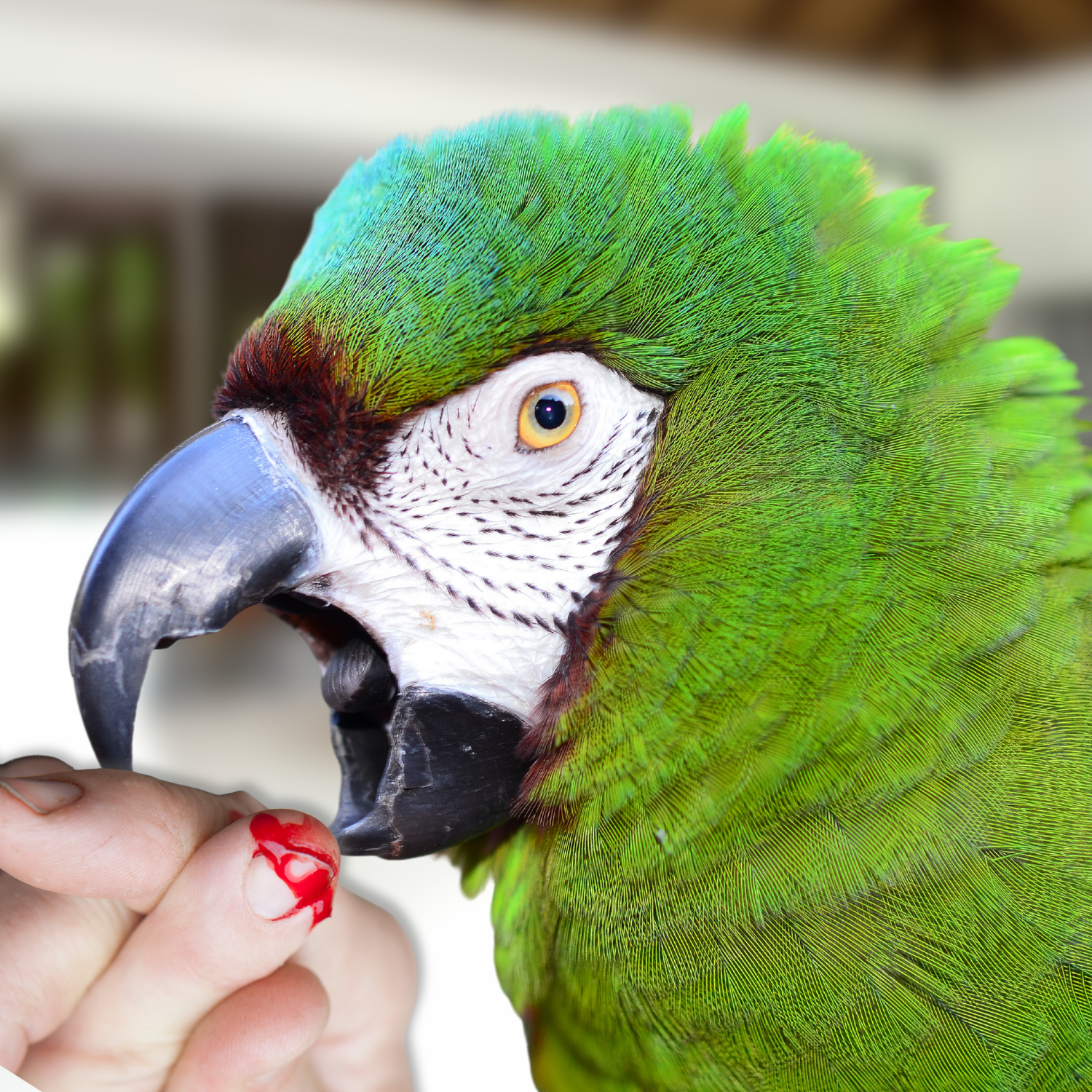
- Territoriality and Aggression: A bird that was once amenable to handling may suddenly become defensive of its cage, a favorite toy, a specific person, or even a dark corner. This can escalate to biting, lunging, or screaming, especially when perceived threats to their "nest" or "mate" (often the owner) are present. In the wild, this aggression serves to protect eggs and chicks, but in a home, it creates significant stress.
- Excessive Cuddling and Regurgitation: While a cuddly bird seems endearing, excessive physical contact, particularly stroking the back or under the wings, can be misinterpreted by the bird as courtship. Regurgitation, a natural act of feeding a mate or chick, when directed at an owner or object, is a clear sign of intense hormonal attachment.
- Nesting Behaviors: This includes obsessive shredding of paper, wood, or fabric, burrowing into dark, enclosed spaces (like under furniture, in cabinets, or even within blankets), and collecting materials. These actions are instinctual preparations for nesting.
- Increased Vocalization: Hormonal birds may become more vocal, emitting loud contact calls, mating calls, or generally increased squawking. This serves to attract mates or warn off rivals in their natural habitat.
- Masturbation: It is not uncommon for birds to rub their vent area against objects or a person. This is a natural, though sometimes disconcerting, outlet for sexual energy.
It is important to note that every bird is an individual; some may display only one or two of these behaviors, while others enter a full-blown "hormone mode." If these behaviors become excessive, persistent, or disruptive, it signals a need for intervention to manage the underlying hormonal triggers.
The Link to Feather Plucking
One of the most concerning manifestations of chronic hormonal stress is feather plucking. This self-mutilating behavior, where a bird pulls out its own feathers, can be devastating for the bird’s health and appearance. While plucking can have multiple causes (environmental, nutritional, medical), hormonal imbalances are a significant contributor. A bird stressed by unmet breeding urges, chronic egg-laying, or inappropriate stimulation may resort to plucking as an outlet for its frustration and discomfort. The link between hormones and feather plucking underscores the critical importance of proactive management, as this behavior can be incredibly difficult to stop once it becomes ingrained.
The Perils of Encouraging Hormonal Behavior in Companion Birds
While encouraging hormonal behavior is a necessary practice for bird breeders to ensure successful reproduction, for pet birds, excessive hormonal activity can lead to a cascade of unwanted behaviors and serious health risks. The distinction between the needs of a breeding bird and a companion animal is paramount. In the wild, these behaviors are adaptive, ensuring species survival; in a domestic setting, they often become maladaptive and detrimental.
Behavioral Risks and Owner Strain
A bird experiencing heightened hormones may become intensely territorial, exhibiting aggression toward family members, other pets, or even inanimate objects it perceives as part of its "nest" or "mate." This can manifest as biting, lunging, and incessant screaming, making the bird difficult to interact with and creating a stressful environment for the entire household. Many owners, unknowingly reinforcing these behaviors through inappropriate petting or providing nesting opportunities, find themselves with an unpredictable pet that lashes out without warning. The resulting breakdown in the human-animal bond can lead to frustration, fear, and in unfortunate cases, rehoming. The goal for a companion bird is a balanced, stable temperament, not one driven by unfulfilled reproductive instincts.
Significant Health Complications for Female Birds
Beyond behavioral challenges, unchecked hormonal surges pose substantial physiological risks, particularly for female birds. Chronic egg-laying is one of the most serious concerns. Each egg laid depletes the bird’s calcium reserves, leading to a heightened risk of conditions such as:
- Hypocalcemia: A severe deficiency of calcium, which can cause tremors, seizures, and metabolic bone disease.
- Egg Binding: The inability to pass an egg, which is a life-threatening emergency requiring immediate veterinary intervention. It can lead to oviduct rupture, infection, and death.
- Prolapse of the Oviduct or Cloaca: Where internal reproductive tissue protrudes externally, making the bird vulnerable to infection, trauma, and further complications.
- Reproductive Organ Disorders: Frequent hormonal activity can increase the likelihood of ovarian cysts, oviductal infections, and even reproductive cancers.
- Internal Laying: Eggs forming internally without being laid, leading to peritonitis and severe illness.
These conditions not only cause immense pain and suffering for the bird but also necessitate expensive emergency veterinary care. Some birds also develop hormonal plucking, tearing out their own feathers, sometimes to line a perceived nest, adding another layer of stress and potential infection. By taking proactive steps to prevent excessive hormones, owners safeguard their bird’s long-term health and ensure a more stable, stress-free existence.
Species-Specific Hormonal Tendencies
Understanding the natural history and breeding behaviors of different parrot species can provide valuable insight into their hormonal patterns in captivity. While general principles apply, specific adaptations mean some species present unique challenges.
African Greys: Monogamy and Parental Roles
African Grey parrots are known for their monogamous bonds and typically mate for life. In their natural habitat, they nest in tree cavities and generally breed during the dry season (August to January). The female incubates the eggs for approximately 30 days and broods the chicks, while the male diligently hunts for food, feeding both his mate and their offspring. Chicks fledge around 12 weeks but remain dependent on parents for up to three years. In captivity, this strong pair-bonding instinct can be misdirected towards an owner, leading to intense attachment and territoriality during their natural breeding period.
Cockatoos: Lifelong Bonds and Shared Rearing
Cockatoos also form strong, monogamous, lifelong pair bonds. They utilize large tree hollows for nesting, with breeding seasons varying by species, often occurring in spring or summer. Both parents share incubation duties (25-30 days) and guard the nest, with fledging times ranging from 8 to 12 weeks. Their deep emotional capacity and strong bonding instincts can make them prone to extreme separation anxiety and over-attachment to owners, which can be amplified during hormonal periods, leading to demanding behaviors and aggression if their perceived "mate" (owner) interacts with others.
Eclectus Parrots: A Unique Challenge with Polyandry
Eclectus parrots present a particularly interesting and challenging case. They are polyandrous, meaning a single female mates with multiple males. They nest in deep tree hollows, which are often guarded year-round. Their breeding season typically runs from April to December, with some populations breeding almost continuously, making hormone management a year-round challenge for owners. The female guards the nest, incubates the eggs for 26 days, and broods the chicks, while several males hunt and bring food. This constant reproductive readiness and intense nesting drive mean Eclectus females can be particularly prone to chronic egg-laying and territorial aggression, demanding vigilant environmental management.
Green Cheek Conures and Macaws: Dedicated Partners
Green Cheek Conures are monogamous and mate for life, nesting in tree hollows. Their breeding season typically occurs in late summer (February-March in the Southern Hemisphere). Chicks hatch after 22-25 days and fledge at 7-8 weeks. Macaws, like African Greys and Cockatoos, are also monogamous and mate for life, nesting in tree cavities or cliffs. They breed during the dry to early wet season (October-April), with chicks hatching after 26-28 days and fledging around 12-13 weeks. Both species exhibit dedicated parental roles, with the male often providing food while the female incubates and broods. In captivity, these strong bonding instincts translate to intense devotion to an owner, but also potential for jealousy or aggression if their "mate" is perceived to be shared.
Proactive Management: Simple Changes for Hormonal Harmony
Effectively managing hormone season in pet birds begins with implementing small, consistent adjustments to their daily routine, environment, and interactions. These proactive measures can significantly reduce the intensity and duration of hormonal behaviors, fostering a more balanced and stress-free life for both bird and owner.
Optimizing Light Cycles and Sleep
One of the most potent environmental triggers for hormonal activity is light exposure. In nature, increasing daylight hours signal the onset of breeding season. In captivity, artificial light can disrupt a bird’s natural circadian rhythm.
- DO: Provide 10-12 hours of uninterrupted darkness every night. This means a quiet, dark sleeping area, preferably covered with a breathable cage cover, free from ambient light from TVs, streetlights, or other rooms.
- DON’T: Allow birds to stay up late or expose them to excessive artificial light. An inconsistent light cycle can trick a bird’s body into believing it’s perpetually breeding season.
Dietary Adjustments to Discourage Breeding Instincts
Diet plays a significant role in influencing a bird’s hormonal state. High-fat, high-sugar, or warm, mushy foods can signal abundant resources, encouraging breeding.
- DO: Feed a balanced diet primarily composed of high-quality pellets, fresh vegetables, and limited, controlled portions of fruit and nuts. Emphasize cool, crunchy vegetables.
- DON’T: Overfeed high-fat or high-protein foods, which can fuel hormonal production. Avoid offering warm, mushy foods by hand, as this mimics regurgitation and reinforces a breeding bond.
Modifying the Environment to Prevent Nesting Triggers
Birds are instinctively driven to find and create nesting sites. Certain elements in a home environment can inadvertently trigger this behavior.
- DO: Remove cozy hideouts, such as snuggle huts, tents, dark corners under furniture, or enclosed spaces. These mimic natural nesting cavities. Provide shreddable toys for play rather than nesting.
- DON’T: Give birds access to spaces or items that encourage breeding behavior, such as cardboard boxes, piles of blankets, or dark crevices where they can burrow.
Rethinking Physical Interaction
The way owners interact physically with their birds can have a profound impact on hormonal responses.
- DO: Limit excessive petting to the head and feet only. These are generally neutral areas.
- DON’T: Stroke their back, under wings, or tail. These areas are erogenous zones for birds, and petting them can be misinterpreted as courtship or mating behavior, strongly triggering hormonal responses.
The Power of Enrichment and Mental Stimulation
Boredom can exacerbate hormonal behaviors, as birds may channel their energy into destructive or repetitive hormonal actions.
- DO: Provide new toys, puzzles, and foraging opportunities regularly. Teach "on cue" behaviors that engage their minds, such as foraging, problem-solving, and trick training.
- DON’T: Ignore enrichment needs, leading to boredom-driven hormonal surges. Allow excessive shredding or nesting-like behaviors to go unchecked without redirection.
By consistently applying these guidelines, owners can significantly shorten the duration and intensity of hormone season, helping their bird return to a calm, affectionate state much sooner.
Advanced Strategies: Supporting Chronically Hormonal Birds
For birds experiencing chronic, unmanageable hormonal behaviors, a more intensive, multi-layered approach may be necessary. This can involve medical intervention, surgical options, and a dedicated focus on advanced training and environmental modification.
Medication Therapy: When and Why
Medication should never be the first step in managing hormonal behavior but rather a carefully considered option after environmental and behavioral changes have been thoroughly implemented without sufficient success.
Recognizing When Hormones Are Out of Control
While seasonal hormonal shifts are normal, some birds become trapped in a constant hormonal cycle. This can lead to severe health risks and intractable behavioral issues, including:
- Severe Aggression: Persistent lunging, biting, and territorial displays that make the bird unsafe to handle.
- Chronic Egg-Laying: Frequent egg production that dangerously depletes calcium and significantly increases the risk of life-threatening egg binding and other reproductive disorders.
- Excessive Nesting Behavior: Obsessive guarding of spaces, relentless tearing of materials, or burrowing that consumes the bird’s life.
- Over-Attachment and Obsessive Regurgitation: Constant regurgitation directed at a person, toy, or object, indicating an unhealthy, unfulfilled breeding bond.
- Self-Mutilation: Feather plucking or other stress-related behaviors that cause physical harm.
Understanding Common Hormone Medications
When these severe symptoms are present, and environmental changes have failed, an avian veterinarian may suggest hormone medication. The goal is to temporarily suppress reproductive hormones, providing a window for behavioral modification.
- Lupron for Birds (Leuprolide Acetate): This is a gonadotropin-releasing hormone (GnRH) agonist. It works by initially stimulating, then down-regulating, the pituitary gland’s release of hormones that control the reproductive system. This effectively "shuts down" the reproductive cycle.
- Mechanism: Suppresses the production of luteinizing hormone (LH) and follicle-stimulating hormone (FSH).
- Administration: Typically given as an injection, with effects lasting several weeks to months.
- Considerations: Temporary, requires repeat injections, may have side effects, and is often used in conjunction with other management strategies.
- Deslorelin Implants: Another GnRH agonist, Deslorelin is delivered via a subcutaneous implant that slowly releases the medication over an extended period.
- Mechanism: Similar to Lupron, it suppresses reproductive hormone production.
- Administration: A small implant inserted under the skin, offering longer-lasting effects (months to over a year) compared to Lupron injections.
- Considerations: Longer duration, but still temporary. The implant needs to be replaced as it degrades. Requires veterinary expertise for insertion and monitoring.
These medications are not cures but tools to manage symptoms, allowing owners to implement lasting behavioral and environmental changes during a calmer period.
Hysterectomy: A Last Resort for Severe Cases
In extreme cases where hormonal behaviors lead to serious, life-threatening health risks, particularly for female birds, a veterinarian may recommend a hysterectomy (more accurately, a salpingohysterectomy). This major surgical procedure involves removing the oviduct and sometimes the uterus, thereby preventing egg production and significantly reducing hormone-driven behaviors.
A hysterectomy is typically considered for female birds suffering from chronic egg-laying that is unresponsive to medical management, recurrent egg binding, severe reproductive infections, or reproductive tumors. These conditions can be fatal, leading to severe calcium depletion, internal damage, and complications like peritonitis or prolapse. By surgically removing the reproductive organs, the immediate and long-term risks associated with these issues are drastically reduced, improving the bird’s overall health and quality of life. Due to its invasive nature, a hysterectomy requires a highly skilled avian veterinarian, thorough pre-surgical evaluation, and meticulous post-operative care, including pain management and supportive therapy. While extreme, it can be a life-saving option for birds facing intractable reproductive health crises.
The Role of Positive Reinforcement Training
Training on cue, utilizing positive reinforcement, is a cornerstone of managing hormonal behaviors. It involves teaching your bird to respond to specific commands with predictable, desired actions, much like training a dog. The key is to make learning a rewarding experience, associating cues with praise, favorite treats, or engaging games. This strengthens the human-animal bond and provides valuable tools for redirection.
Shifting Focus Through Specific Cues
When a bird is highly hormonal, direct physical contact, such as asking for a "step up," can be risky and result in a bite, especially if the bird is territorial or overstimulated. Instead, focus on training behaviors that channel their energy in a positive direction and avoid triggering defensiveness or reinforcing hormonal actions. Effective cues include:
- "Fly to perch": Directs the bird away from a perceived nesting site or territorial area.
- "Target": Encourages the bird to touch a specific object with its beak, engaging its mind and body.
- "Spin" or "Wave": Simple tricks that provide mental and physical activity.
- "Go to your foraging toy": Redirects attention to a stimulating, non-hormonal activity.
The strategy is to teach these behaviors before the bird becomes hormonal. Then, when hormonal behaviors emerge, owners can simply redirect their bird with a practiced cue and offer a generous reward. As avian behaviorist Diane Burroughs emphasizes, "Having a variety of active, trained behaviors gives you more ways to redirect your bird’s focus and prevent hormonal outbursts." This proactive training builds trust and keeps the bird mentally stimulated, making them more engaged and responsive even during challenging periods.

The Synergistic Approach: Combining Strategies
Managing chronic hormonal behavior in birds is most effective when a multi-layered approach is adopted. While medication can provide temporary relief from severe symptoms, it is rarely a standalone solution. For long-term success, medication must be paired with consistent training and environmental management. A bird that receives medication but continues to be exposed to hormonal triggers—such as inappropriate petting, access to nesting materials, or extended daylight hours—will likely see its hormonal issues return once the medication wears off.
Training becomes particularly powerful when used in conjunction with medication. The calmer periods induced by medication offer an ideal opportunity to reinforce positive behaviors and teach new cues. When hormone levels naturally rise again, these well-practiced behaviors provide a reliable and safe way to redirect the bird’s excess energy, preventing frustration and aggression. Relying on movement-based commands rather than direct physical contact during hormonal episodes ensures interactions remain positive and safe for both parties.
Environmental management completes this holistic strategy by systematically reducing hormonal triggers in the bird’s daily life. A consistent sleep schedule, removal of dark, enclosed spaces, and a continuous supply of stimulating foraging activities are essential. When medication, training, and environmental modifications are integrated, birds have the best chance of breaking free from chronic hormonal cycles, leading to a happier, healthier, and better-adjusted life.
Conclusion: A Commitment to Avian Well-being
The journey of living with a companion bird is immensely rewarding, but it comes with the responsibility of understanding and addressing their complex biological needs. Hormonal seasons are a natural part of a parrot’s life, yet in captivity, they can become a source of stress, aggression, and significant health risks. Proactive management, rooted in a deep understanding of avian biology and behavior, is the most effective way to foster a balanced and harmonious relationship.
By meticulously managing light cycles, adjusting diets, modifying environmental triggers, refining physical interactions, and engaging birds in enriching activities, owners can prevent many of the negative consequences of hormonal surges. For those birds experiencing chronic or severe hormonal issues, medical intervention and, in rare cases, surgery, offer vital support when combined with comprehensive behavioral and environmental strategies. Ultimately, the choice to make these adjustments reflects a profound commitment to the health, happiness, and long-term well-being of your feathered companion. Ask yourself: "Am I willing to make these changes for the health of my bird, to help my chronically hormonal bird experience normal hormone cycles?" The answer will guide you toward a more peaceful coexistence.
No statements on this site have been evaluated by the Food and Drug Administration (FDA). My products are not intended to diagnose, treat, cure or prevent any disease. BirdSupplies.com, Inc. assumes no responsibility for the improper use of and self-diagnosis and/or treatment using these products.
Related Posts:
How To Tell If Your Bird Is Hormonal
What Causes Hormonal Behavior In Bird’s?
How Do Hormonal Bird’s Present When Examined
Getting Ready For Parrot Hormone Season
Why Is My Bird Hiding Under Furniture
8 Foods That Increase Hormones In Birds
8 Foods To Feed A Bird To Balance Hormones
References:
Mans, C., & Pilny, A. (2013). Use of GnRH-agonists for medical management of reproductive disorders in birds. Veterinary Clinics of North America: Exotic Animal Practice, 16(2), 293–307. https://doi.org/10.1016/j.cvex.2013.03.004
Millam,JR,& Roudybush, TE, Grasu, CR: Influence of environmental manipulation and nest box access on reproductive activity in captive cockatiels (Nymphicus hollandicus). Zoo Biol 7:25-34, 1988
Millam, JR, Finney, HL.: Leuprolide acetate reversibly prevents egg laying in cockatiels (Nymphicus hollandicus). Zoo Biol 13:149-155, 1994
Mitchell, MA. Leuprolide Acetate. Seminars in Avian and Exotic Pet Medicine, Vol 14, No 2 (April), 2005; pp 153-155.Vincent, M. (2023, September 15). How to control bird hormones. Bird Vet Melbourne. https://worksforbirds.com.au/how-to-control-bird-hormones/
Diane Burroughs, LCSW is a licensed psychotherapist trained in ABA therapy techniques. She specializes in avian anxiety disorders and is certified in Nutrition For Mental Health. Diane has written a number of bird behavior books and she offers behavior consultations. She’s developed a range of UnRuffledRx Science-backed Parrot Wellness Supplies.
Diane’s products have been featured in the Journal of Avian Medicine and Surgery and at Exoticscon, a conference for exotic pet veterinarians. Her bird collars & supplements are stocked in avian vet clinics and bird stores throughout the US. With over 30 years in the field of behavior, Diane has created thousands of successful individualized behavior plans that help pets thrive.
TAGS: #BirdHormonalBehavior #BirdHormonalSeason #LupronForBirds
SHARING IS CARING! PLEASE SHARE ON YOUR FAVORITE SOCIAL MEDIA NOW!

