


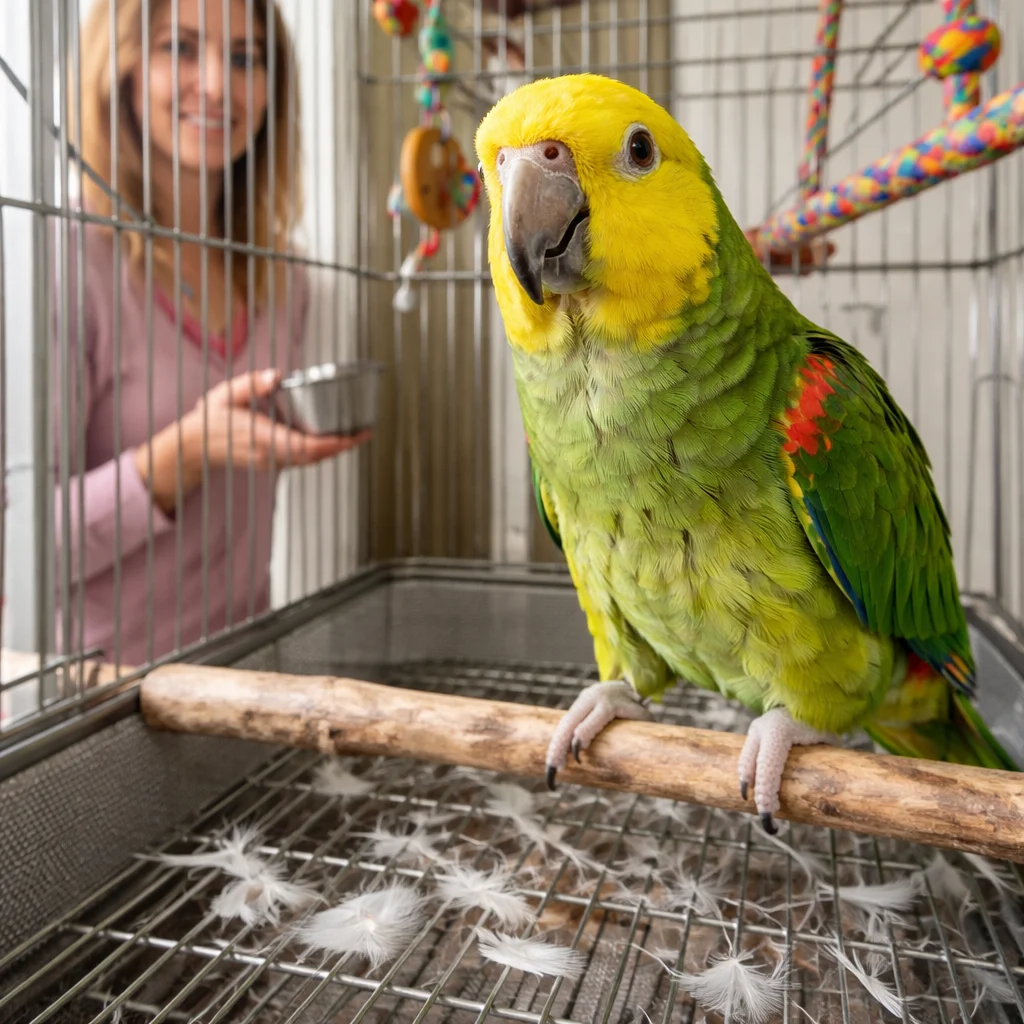
The sight of a scattered carpet of feathers beneath a bird’s cage can trigger immediate alarm for any avian caregiver. What often appears as a sudden, distressing event—a "pillow explosion" of plumage—necessitates a swift and accurate assessment to distinguish between a natural biological process and a potentially serious behavioral or medical issue. While the initial instinct might be to panic and immediately consult a veterinarian, a systematic "feather forensics" approach can often provide clarity within minutes, determining if the bird is undergoing a healthy molt or exhibiting signs of feather plucking. Understanding this critical distinction is paramount for ensuring the well-being and longevity of companion birds.
Understanding the Natural Phenomenon: Avian Molting
Molting is a fundamental biological process for all birds, representing the periodic shedding of old or damaged feathers and their replacement with new ones. This cyclical renewal is essential for maintaining optimal flight, insulation, waterproofing, and camouflage. The timing and intensity of molting can vary significantly depending on the species, age, environmental factors such as light cycles and temperature, and the bird’s overall health and nutritional status. For most companion parrots, molting typically occurs once or twice a year, though some species may have more frequent or continuous molts.
During a normal molt, the bird’s body undergoes significant physiological changes. Hormonal shifts trigger the loosening of old feathers, which are then pushed out by the growth of new ones. These emerging feathers, known as "pin feathers" or "blood feathers," are encased in a waxy keratin sheath and have a live blood supply running through their shaft to nourish the developing feather. As the new feather matures, the blood supply recedes, and the waxy sheath is preened off by the bird, often resulting in white, flaky dander around the cage. The process is energy-intensive, and birds may exhibit reduced activity, increased sleep, and sometimes a temporary change in temperament, becoming more irritable or "cranky-pants" as new feathers emerge. A healthy molt sees feathers shed evenly across the body, leading to a gradual replacement of plumage without leaving bare patches.
The Alarming Reality: Identifying Feather Plucking
In stark contrast to molting, feather plucking, or feather destructive behavior (FDB), is a complex and often debilitating condition where a bird systematically damages or removes its own feathers. This can range from excessive preening that breaks feather barbs to outright plucking of feathers, sometimes even leading to self-mutilation of the skin. Studies suggest that FDB affects a significant portion of captive parrot populations, with prevalence rates estimated between 10% and 15% across various species, making it one of the most common behavioral problems observed in avian veterinary practices. The immediate concern with plucking is not only the loss of plumage but also the underlying causes, which can be medical, environmental, nutritional, or psychological.
The initial distinction between molting and plucking can often be made through a simple "feather shaft test." When examining a fallen feather:
- If it’s a Molt: The quill, the part of the feather that was embedded in the skin, will appear smooth, clear, and slightly pointed. It indicates a natural shedding process, as if the feather simply slid out. The presence of white dander (waxy flakes from new pin feathers) further supports this diagnosis.
- If it’s Plucking: The feather will show signs of damage, appearing "chewed," jagged, bent, or snapped off mid-shaft. If the quill remains in the skin but the feather vane is missing, or if the tip of the quill is bloody and ragged, it strongly suggests the bird has actively pulled or damaged the feather. Unlike molting, plucking often results in localized feather loss, creating bare or sparsely feathered patches.
Delving Deeper: The "Peace of Mind" Diagnostic Protocol
Beyond the initial shaft test, two further steps can provide greater certainty and peace of mind for avian caregivers:
- The "Mist & Part" Test: Dry feathers can conceal the true condition of a bird’s skin and emerging plumage. Lightly misting the bird with water or a veterinarian-approved aloe vera spray can help reveal the underlying skin. Once damp, gently part the feathers to inspect the skin. The presence of numerous "spikes" or developing pin feathers pushing through the skin is a definitive sign of molting. Conversely, bare, red, irritated, or broken skin without new feather growth points towards plucking or excessive preening.
- The "Hot Spot" Species Check: Feather plucking often manifests in predictable patterns depending on the bird’s species and their physical capabilities. While any area can technically be affected, common "hot spots" provide clues:
- African Greys: Frequently target feathers under their wings or on the inner thighs. Their intelligence and sensitivity can make them particularly prone to stress-induced plucking.
- Cockatiels: Often focus on the shoulders or the center of the chest. Their smaller size and less complex social needs sometimes mask early signs of distress.
- Cockatoos: Exhibit plucking on the chest, belly, and even the head. Their highly social nature and strong need for interaction mean that isolation or lack of stimulation can quickly lead to self-destructive behaviors. Cockatoos are uniquely adept at using their feet to reach and pluck feathers in areas their beaks cannot directly access, such as the back of the head or neck.
- The Rule of Thumb: During a normal molt, even head feathers, when shed, are quickly replaced by visible pin feathers, leading to a "spiky" appearance rather than raw, bare, or scratched skin.
Beyond the Surface: Multifaceted Causes of Feather Plucking
Identifying plucking is only the first step; understanding its root cause is crucial for effective intervention. Feather destructive behavior is rarely simple and often stems from a combination of factors:
- Medical Conditions: A thorough veterinary examination is essential to rule out underlying physiological issues. These can include:
- Infections: Bacterial, fungal, or viral infections can cause skin irritation, leading to scratching and feather damage.
- Parasites: Mites or lice, though less common in well-cared-for indoor birds, can cause intense itching.
- Allergies: Environmental allergens (dust, pollen, cleaning products) or food allergies can trigger skin reactions.
- Organ Disease: Liver or kidney disease can cause skin and feather abnormalities, leading to discomfort.
- Nutritional Deficiencies: A diet lacking essential vitamins (especially Vitamin A), minerals, or amino acids can lead to poor feather quality, dry skin, and chronic itching. For instance, a diet composed solely of seeds is notoriously deficient and a common contributor to FDB.
- Pain: Arthritis, tumors, or injuries can cause a bird to pluck at the area of discomfort.
- Heavy Metal Toxicity: Exposure to lead or zinc can manifest in various symptoms, including feather abnormalities and plucking.
- Environmental Factors: The captive environment often fails to replicate the complexity and stimulation of a bird’s natural habitat.
- Lack of Enrichment: Boredom is a primary driver of plucking. In the wild, birds spend hours foraging, flying, and socializing. A barren cage with few toys or opportunities for mental engagement can lead to repetitive, self-soothing behaviors like plucking.
- Cage Size and Placement: An inadequate cage size restricts movement and exercise, while poor placement (e.g., in a high-traffic area with no retreat, or near drafts) can cause chronic stress.
- Low Humidity: Many parrot species originate from tropical or subtropical regions with high humidity. Dry indoor air can lead to dry, itchy skin, prompting excessive preening and plucking.
- Inadequate Lighting: Lack of full-spectrum lighting (UV-A and UV-B) can disrupt natural cycles and impact mood, vitamin D synthesis, and hormonal balance, all of which can influence feather health and behavior.
- Exposure to Irritants: Smoke, strong perfumes, cleaning chemicals, or aerosol sprays can irritate a bird’s respiratory system and skin.
- Psychological and Behavioral Issues: Birds are highly intelligent and emotional creatures, and their mental state profoundly affects their physical health.
- Stress and Anxiety: Changes in routine, new pets, household conflict, loneliness, or perceived threats can induce chronic stress, which may manifest as plucking.
- Separation Anxiety: Many parrots form strong bonds with their human caregivers. Prolonged absences or perceived neglect can lead to anxiety and self-soothing behaviors.
- Learned Behavior: If plucking attracts attention (even negative attention), the behavior can become reinforced.
- Hormonal Imbalances: Hormonal fluctuations, particularly during breeding season, can increase irritability and drive preening behaviors to an extreme.
- Lack of Socialization: Birds are flock animals. Insufficient social interaction or improper handling can lead to maladaptive coping mechanisms.
The Critical Role of Blood Feathers
While conducting "feather forensics," particular attention must be paid to blood feathers. These new, developing feathers contain a live artery and vein. If a blood feather is broken or damaged, it can bleed profusely, posing a significant risk to the bird’s health. In severe cases, a broken blood feather may require immediate intervention to stop the bleeding, sometimes involving the extraction of the feather by an avian veterinarian. Owners should be cautious when handling birds during a molt to avoid accidentally breaking these delicate new feathers.
Expert Perspectives and Veterinary Intervention
According to leading avian veterinarians and behaviorists like Diane Burroughs, founder of UnRuffledRx® and a specialist in avian feather plucking, a "behavior-first" approach is often crucial, especially after medical causes have been ruled out. "Many cases of feather plucking have complex origins that require a holistic understanding of the bird’s environment, diet, and psychological state," states Burroughs, whose 30 years of experience as a licensed psychotherapist and ABA-trained behavior specialist inform her protocols.
When a bird is suspected of plucking, a comprehensive veterinary visit is imperative. The avian vet will typically perform:
- Physical Examination: To assess overall health, skin condition, and feather quality.
- Blood Tests: To check for infections, organ dysfunction, nutritional deficiencies, and heavy metal toxicity.
- Feather and Skin Biopsies: To examine feather structure, identify parasites, or rule out skin diseases.
- Fecal Analysis: To detect internal parasites or imbalances.
- Behavioral Assessment: The vet or a certified avian behaviorist will discuss the bird’s daily routine, diet, cage setup, and social interactions to identify potential stressors or triggers.
Treatment for plucking is multi-faceted and tailored to the identified cause:
- Medical Treatment: Addressing underlying infections, parasites, or organ issues.
- Nutritional Adjustments: Transitioning to a high-quality pelleted diet supplemented with fresh fruits, vegetables, and species-appropriate proteins. Specific supplements, such as Omega-3 fatty acids, can also improve skin and feather health.
- Environmental Enrichment: Providing a stimulating environment with a variety of toys (chew, forage, shredding), perches of different textures and diameters, regular bathing opportunities, and appropriate cage size.
- Behavioral Modification: Implementing strategies to reduce stress, increase positive reinforcement, and address undesirable behaviors. This may include increasing social interaction, establishing a consistent routine, and encouraging natural foraging behaviors.
- Pharmacological Interventions: In some severe cases of anxiety-induced plucking, veterinarians may prescribe anti-anxiety medications, though these are typically used as a temporary aid in conjunction with environmental and behavioral changes.
Proactive Care and Prevention: Supporting Healthy Plumage
Prevention is always preferable to treatment. Avian caregivers can significantly reduce the risk of plucking and support healthy molting through proactive measures:
- Optimal Nutrition: Provide a balanced diet consisting primarily of high-quality pellets, supplemented daily with fresh vegetables, some fruits, and occasional healthy seeds. Avoid seed-only diets.
- Environmental Stimulation: Ensure the bird’s cage is appropriately sized and filled with a rotation of engaging toys. Encourage foraging opportunities by hiding treats. Provide regular out-of-cage time for interaction and exploration in a safe environment.
- Appropriate Lighting: Offer access to natural sunlight (without going through window glass, which filters UV rays) or provide full-spectrum avian lighting for 10-12 hours daily.
- Humidity Control: Use a humidifier, offer daily misting with plain water, or provide shallow bathing dishes to help maintain skin hydration, especially in dry climates.
- Consistent Routine: Birds thrive on predictability. Maintain a consistent schedule for feeding, sleep, and interaction.
- Regular Veterinary Check-ups: Annual wellness exams can catch potential health issues before they escalate.
- Positive Reinforcement: Build a trusting relationship with the bird through positive interactions and training, avoiding punishment, which can exacerbate stress.
- Grooming: Ensure the bird has access to water for bathing or receives regular misting to keep feathers clean and encourage preening.
Broader Implications and Owner Responsibility
The implications of feather plucking extend beyond mere aesthetics. Severe plucking can lead to chronic skin infections, pain, compromised insulation (increasing susceptibility to hypothermia), and even an inability to fly, significantly impacting the bird’s quality of life and welfare. For owners, dealing with plucking can be emotionally and financially taxing, often requiring long-term commitment to behavioral therapy, environmental modifications, and potentially ongoing veterinary care.
Ultimately, being an avian caregiver requires vigilance, patience, and a deep understanding of these complex creatures. The ability to distinguish between a healthy molt and the onset of feather plucking is a fundamental skill that empowers owners to act quickly and appropriately, ensuring their feathered companions lead healthy, enriched lives. By understanding the biology of molting and the myriad factors contributing to plucking, caregivers can provide environments that foster both physical health and psychological well-being, allowing their birds to truly thrive.

