


The University of Louisiana at Lafayette’s New Iberia Research Center (NIRC), the largest primate testing facility in the United States, has become the subject of intense national scrutiny following the release of whistleblower footage by People for the Ethical Treatment of Animals (PETA). The internal video and accompanying reports suggest a pervasive culture of neglect, systemic violations of federal animal welfare standards, and the confinement of more than 12,000 primates in conditions described as "feces-stained squalor." The exposé highlights not only the day-to-day living conditions of the animals—including rhesus macaques, long-tailed macaques, pig-tailed macaques, and African green monkeys—but also the invasive and often fatal experiments conducted behind closed doors, largely funded by American taxpayers through federal grants.
Visual Evidence of Systemic Neglect
The footage, reportedly captured recently by an insider at the facility, provides a rare glimpse into the internal operations of a high-security research site. According to the documentation, primates are kept in barren, metal cages that are often barely larger than the animals themselves. In many instances, the video depicts monkeys housed in solitary confinement within closet-sized rooms, a practice known to cause severe psychological distress in social species. The footage reveals thick layers of urine, feces, and rotting food accumulating beneath the cages, suggesting a failure to maintain basic hygiene standards.
The physical manifestations of this environment are evident in the animals’ appearances. Many of the macaques shown in the video suffer from extensive hair loss, a condition often linked to chronic stress and repetitive stereotypic behaviors common in captive laboratory primates. In one particularly harrowing segment, the footage documents a force-breeding setup where male rhesus macaques are given access to trapped females who have no means of escape. One female was observed with visible wounds on her head and significant patches of missing hair, indicating trauma.
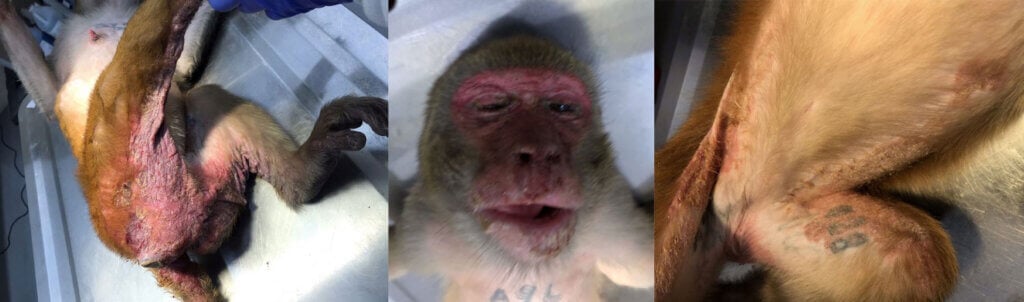
The report also highlights the case of a rhesus macaque named "Helen," who reportedly suffered from chronic and severe skin irritation for years. According to records obtained through public records requests by the organization Rise for Animals, Helen’s condition was never successfully resolved, eventually deteriorating to the point where facility staff determined euthanasia was the only option.
The Scope of Invasive Research at NIRC
While the whistleblower footage focuses on the living conditions, the broader implications of the NIRC’s operations involve the nature of the experiments conducted on the 12,000 primates housed there. The facility functions as a breeding hub and a contract research organization, selling animals to other laboratories while conducting its own internal studies.
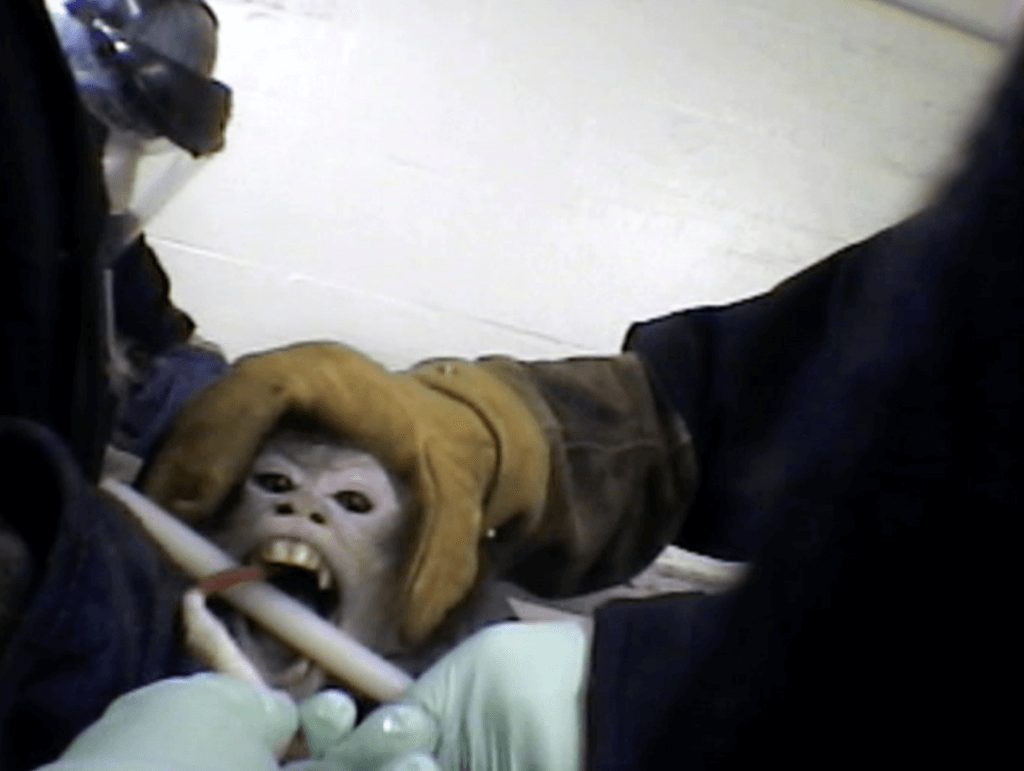
Taxpayer-funded research at the center involves infecting primates with various pathogens, including respiratory syncytial virus (RSV) and simian immunodeficiency virus (SIV), the latter of which is used as a surrogate for human HIV research. These protocols often involve traumatic cycles of repeated anesthesia, frequent blood draws, and highly invasive procedures. Documentation indicates that viruses are sometimes administered via rectal or vaginal routes, or through tubes inserted down the animals’ throats or noses.
Beyond infection, the primates are subjected to invasive biopsies of sensitive tissues, including the rectum, vagina, and cervix. In some studies, experimenters flush fluids into the animals’ lungs before suctioning the material back out for analysis. Other procedures involve the injection of radioactive substances to track physiological changes. At the conclusion of many of these studies, the animals are killed and dissected for post-mortem analysis.
A Chronology of Regulatory Violations
The New Iberia Research Center has a long and documented history of violating the federal Animal Welfare Act (AWA), the primary law governing the treatment of animals in research. Since 2007, the U.S. Department of Agriculture (USDA) has leveled more than $158,000 in fines against the laboratory for various infractions.
A significant recent incident involved the deaths of 19 monkeys. According to USDA citations, these animals were left outside for several days during a period of extreme cold, with temperatures dropping as low as 2 degrees Fahrenheit. The primates were provided with nothing but plastic barrels for shelter. Subsequent necropsies revealed that 13 of the 19 monkeys were already suffering from underlying health conditions that made them even more vulnerable to the freezing temperatures.
Other documented failures include:
- Infrastructure Failures: Infant monkeys have reportedly died of dehydration following the failure of automated watering systems.
- Electrocution: Faulty electrical infrastructure has led to the accidental electrocution of primates within their enclosures.
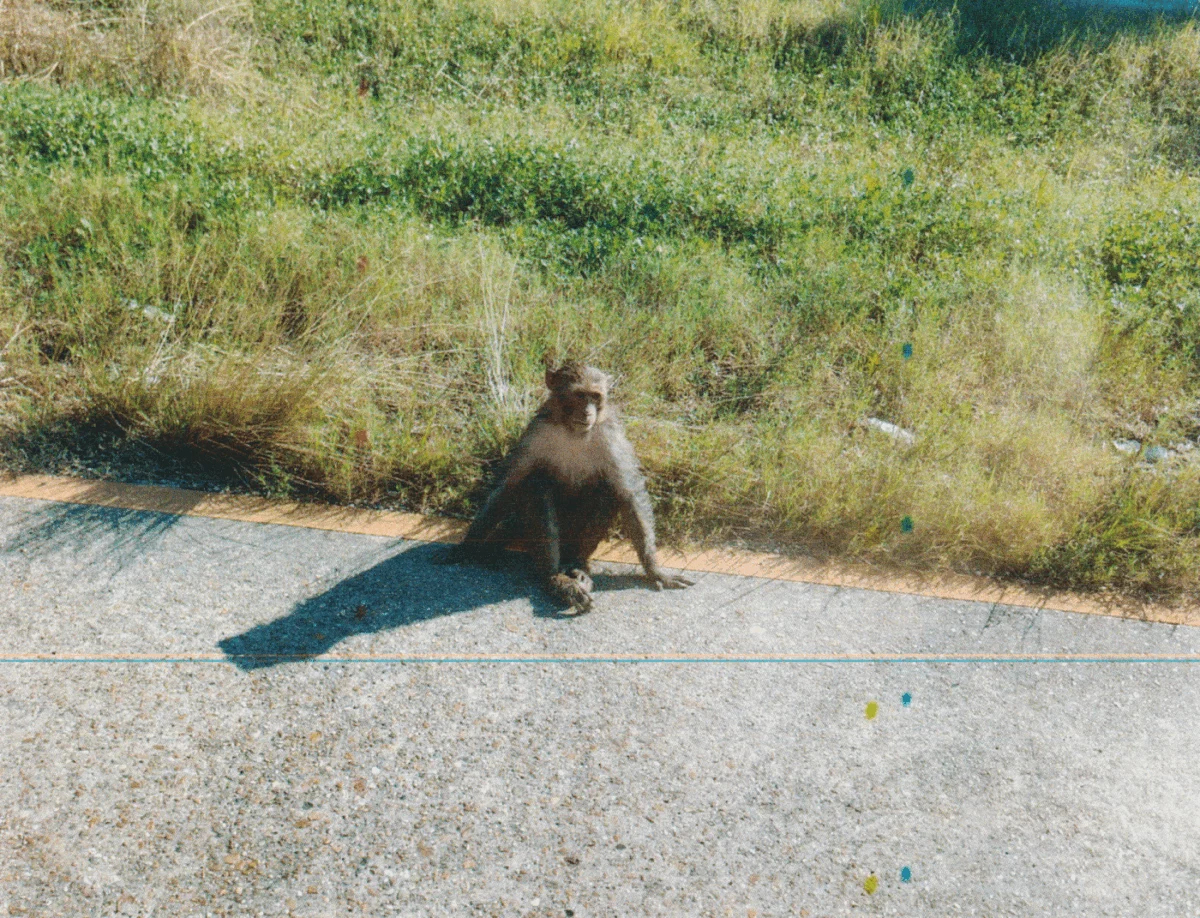
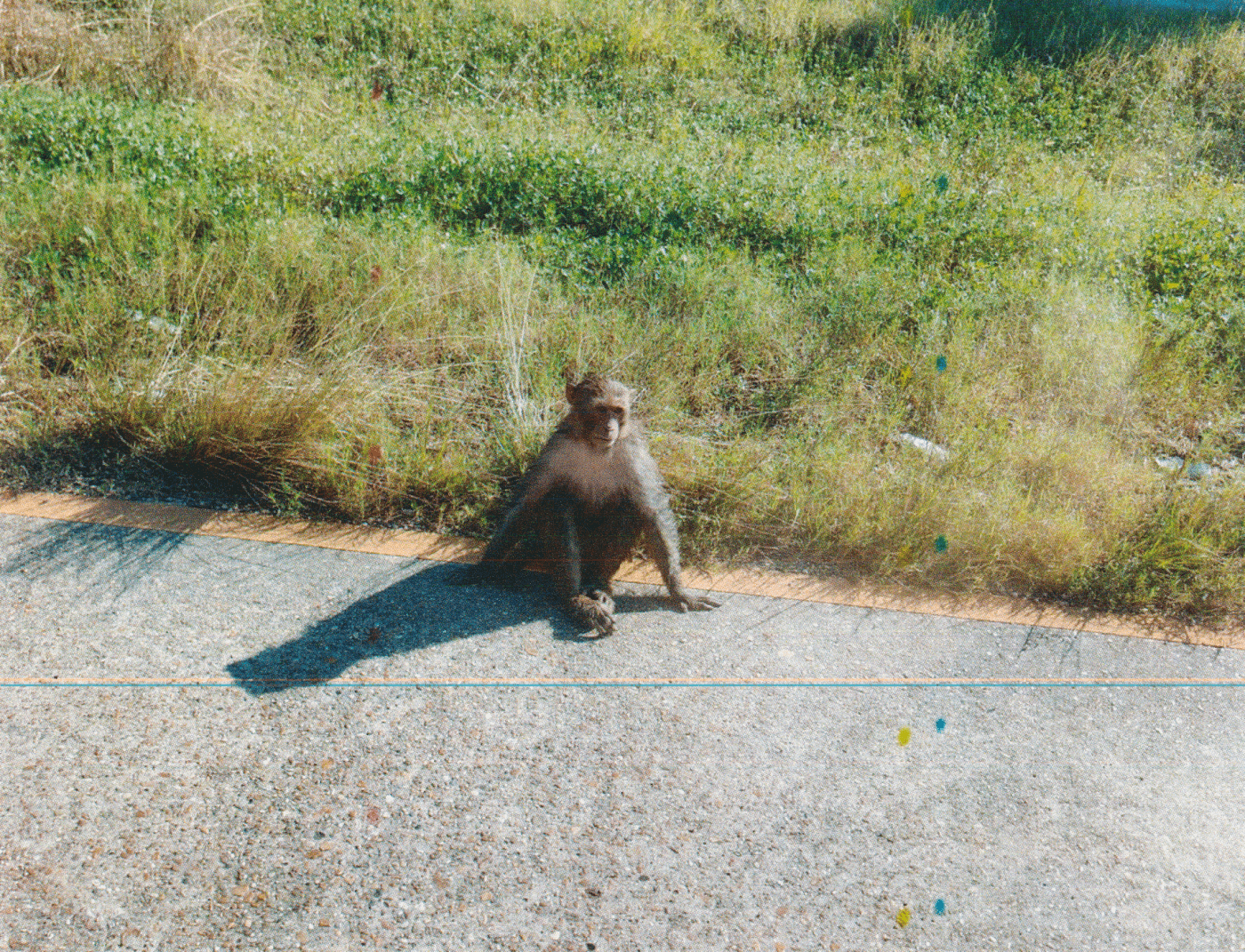
- Escapes: Records show multiple instances of monkeys escaping from broken or poorly maintained cages. In one case, a five-year-old rhesus macaque identified as "A13X040" escaped the facility and fled into nearby woods. He was found on a public roadway two days later and returned to the facility.
- Inadequate Oversight: Necropsy reports have uncovered instances where infant monkeys died and their remains were mutilated by other stressed animals in the enclosure. In some cases, decomposition was so advanced by the time staff retrieved the bodies that a cause of death could not be determined.
The Economic and Institutional Context
The New Iberia Research Center is an affiliate of the University of Louisiana at Lafayette, and its operations are deeply integrated into the federal research economy. The facility receives millions of dollars in funding from the National Institutes of Health (NIH). Critics argue that the recurring nature of the violations suggests that the fines imposed by the USDA are viewed merely as a "cost of doing business" rather than a deterrent for future negligence.
A second whistleblower has alleged that many of the facility’s failures are the direct result of deliberate cost-cutting measures by the center’s leadership. According to this testimony, staff are frequently required to use improvised "quick fixes" on aging equipment rather than receiving the necessary funds for proper maintenance or replacement. This systemic underfunding of infrastructure reportedly creates a precarious environment where any extreme weather event or mechanical failure can lead to mass animal casualties.
Broader Implications for Primate Research
The controversy surrounding NIRC mirrors a larger national debate regarding the ethics and scientific utility of primate experimentation. Proponents of such research argue that non-human primates are essential for understanding complex human diseases and developing vaccines. However, an increasing number of scientists and ethicists are questioning the validity of these models, pointing to the high failure rate of translating results from primates to humans.
The conditions revealed at NIRC also raise questions about the quality of the data produced at the facility. Chronic stress, as evidenced by the hair loss and self-mutilation seen in the whistleblower footage, can significantly alter an animal’s physiological and immunological responses. If the baseline health of the research subjects is compromised by poor housing and sanitation, the scientific reliability of the experiments conducted on them is called into debate.
Furthermore, the "Helen" case and the reports of untreated tumors highlight potential gaps in veterinary oversight. Under the Animal Welfare Act, research facilities are required to provide adequate veterinary care and ensure that animals do not suffer unnecessary pain or distress. The documentation of a monkey remaining on a study for months while a tumor grew until her health collapsed suggests a conflict between experimental goals and animal welfare requirements.
Current Status and Calls for Action
In response to the whistleblower’s evidence, PETA has filed formal complaints with the USDA, urging a comprehensive investigation into the apparent violations of the Animal Welfare Act. The organization is also calling on the National Institutes of Health to cease the renewal of grants and contracts with the New Iberia Research Center, arguing that the facility has demonstrated a persistent inability to meet federal standards.
As of this report, the University of Louisiana at Lafayette has not issued a detailed rebuttal to the specific allegations contained in the latest footage, though research institutions typically defend their operations by emphasizing their compliance with institutional animal care and use committees (IACUC) and their contributions to medical science.
The situation at NIRC underscores the ongoing tension between the perceived needs of the biomedical research industry and the growing public demand for transparency and humane treatment of laboratory animals. With more than 18,000 individuals already reportedly taking action via petitions to the NIH, the pressure on federal regulators to intervene at the nation’s largest primate facility continues to mount. The outcome of the USDA’s investigation will likely have significant implications for how large-scale primate centers are monitored and funded in the future.

