


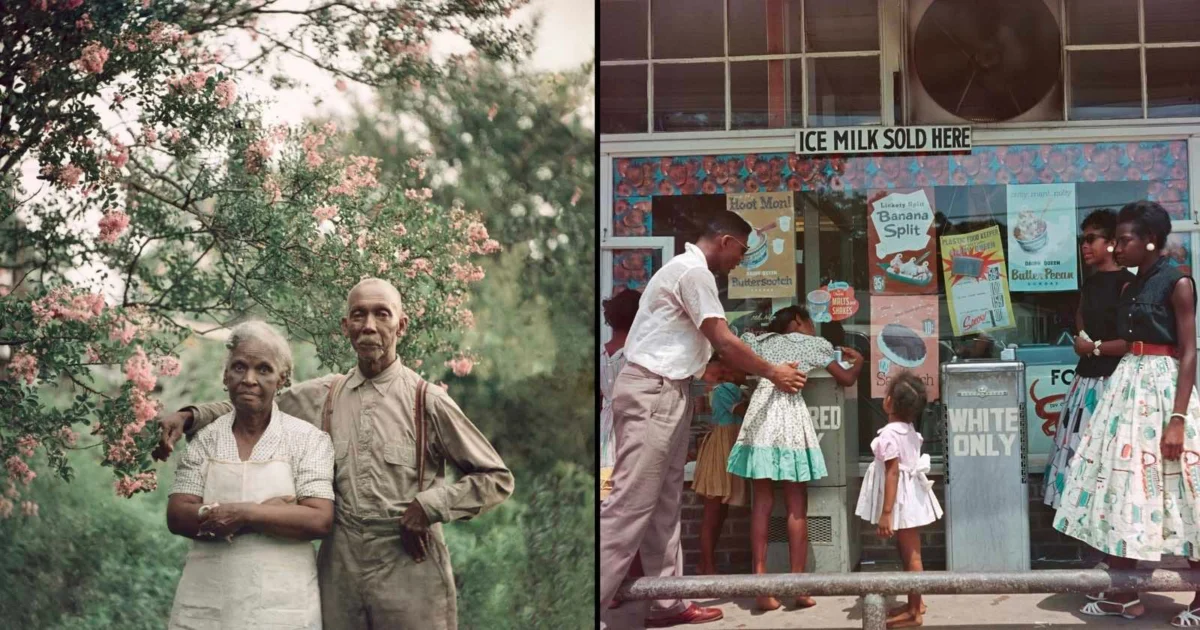
Jackson Fine Art, in a prestigious collaboration with The Gordon Parks Foundation, has unveiled a comprehensive exhibition titled Gordon Parks: The South in Color, which serves as a definitive commemoration of the 70th anniversary of one of the most influential photo essays in American history. On view in Atlanta through June 13, the exhibition features over thirty seminal works from Parks’ "Segregation Story" series, originally commissioned by Life magazine and published in the summer of 1956. This curated selection brings together iconic masterpieces and previously lesser-known photographs, offering a profound exploration of the Jim Crow South through the lens of a man who famously viewed his camera as a "weapon" against social injustice.
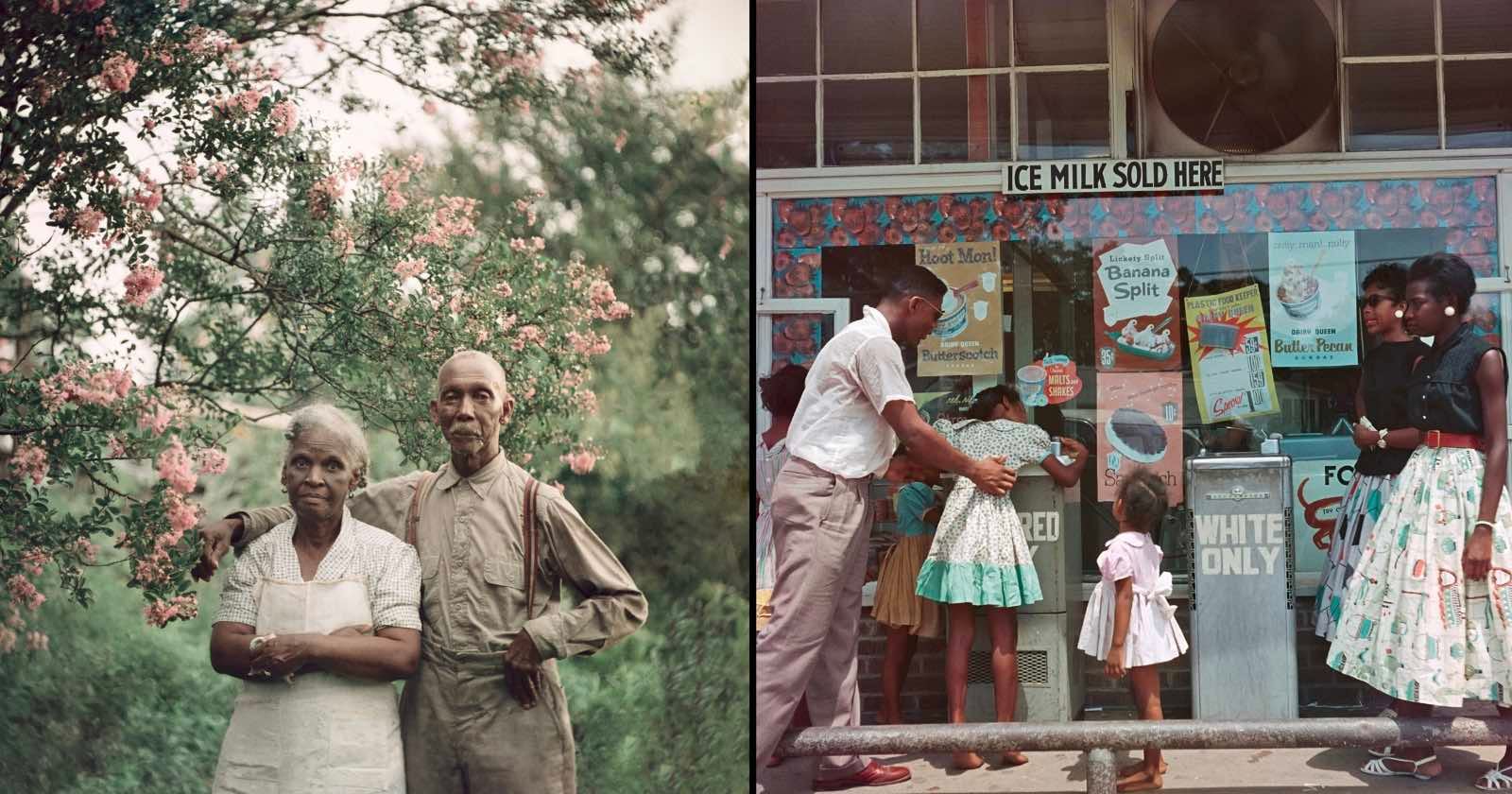
The exhibition is curated by the acclaimed contemporary artist and photographer Dawoud Bey, whose involvement is part of a year-long initiative exploring Gordon Parks’ enduring influence on modern Black artists and writers. Bey’s curatorial framework is deeply rooted in his 2022 essay, "The South in Color," which appeared in the expanded edition of the book Gordon Parks: Segregation Story. By focusing on the formal qualities of Parks’ work—his use of color, composition, and light—Bey argues that these images should be celebrated not only for their historical and political importance but also for their sophisticated artistic merit.
The Historical Context of the 1956 Life Magazine Assignment
In 1956, the United States was at a volatile crossroads. The Supreme Court’s 1954 Brown v. Board of Education decision had theoretically ended legal segregation in schools, but the reality on the ground in the Deep South remained one of rigid, often violent, racial separation. In late 1955, the Montgomery Bus Boycott had begun, signaling a new era of organized resistance. It was against this backdrop that Life magazine, then the most influential pictorial publication in the world, sent Gordon Parks to Alabama.
Parks was the first Black photographer on staff at Life, a position that gave him unprecedented access to mainstream American households while simultaneously placing him in significant personal danger when working in the South. His assignment was to document the everyday realities of African American life under the "separate but equal" doctrine. While many news organizations of the era focused on the dramatic flashpoints of the Civil Rights Movement—protests, arrests, and confrontations—Parks chose a more intimate, and perhaps more radical, approach. He sought to document the quiet dignity of Black families as they navigated a system designed to dehumanize them.
The Technical Innovation of Color Photography
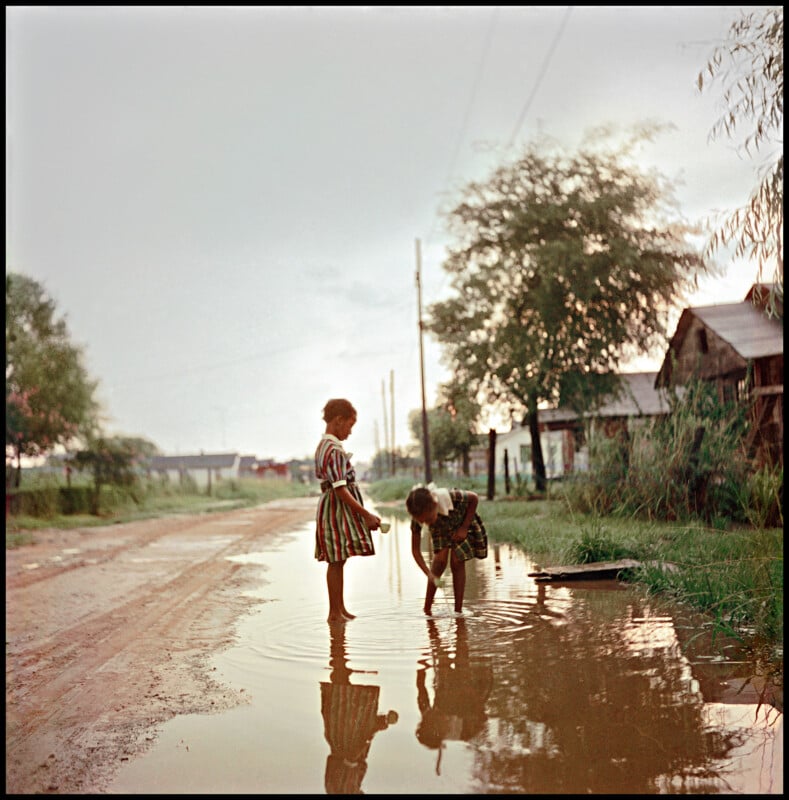
One of the most striking aspects of the "Segregation Story" was Parks’ decision to shoot in color. In the 1950s, color photography was largely reserved for advertising, fashion, and travelogues. Serious photojournalism and social documentary were almost exclusively practiced in black and white, which was seen as more "honest" and "gritty." By choosing color, Parks bridged the gap between the viewer and the subject, making the scenes feel immediate and contemporary rather than relegated to the distant past.
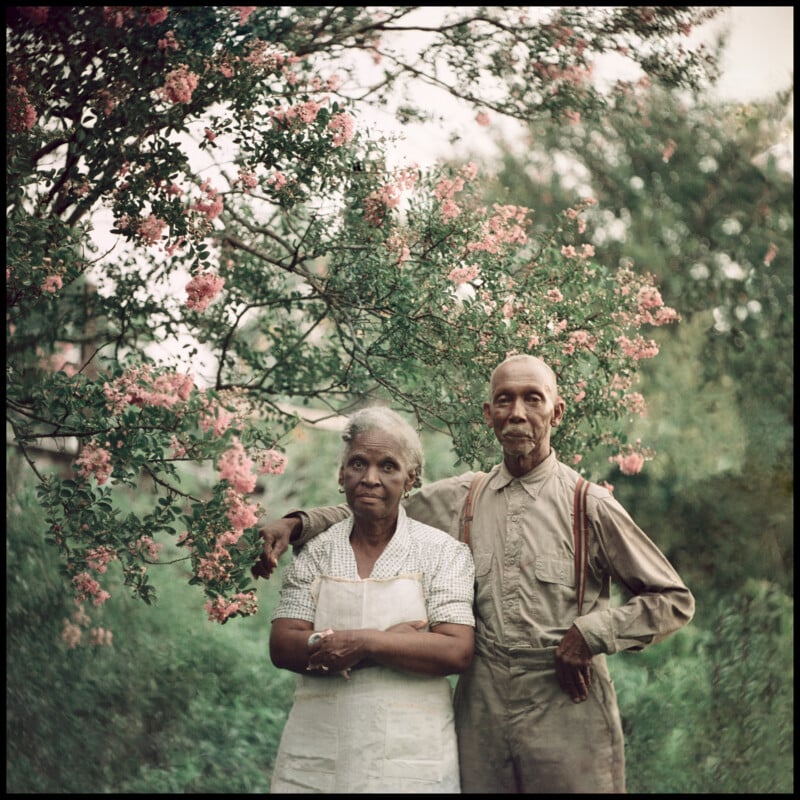
Parks utilized a handheld twin-lens Rolleiflex camera for much of this series. The square-format composition of the Rolleiflex required a deliberate and thoughtful approach to framing. The resulting images possess a stillness and a formal elegance that elevate the subjects. The vibrant reds of a Cadillac, the lush greens of the Alabama landscape, and the soft pastels of Sunday dresses work together to create a visual narrative that is as aesthetically rich as it is politically charged. Dawoud Bey notes that these deliberate choices of material and tool lend a "sense of lives fully and expressively lived" to a population that was then under constant siege.
The Families of the Segregation Story
The heart of the exhibition lies in Parks’ focus on the Thornton, Causey, and Tanner families. By centering his narrative on a multi-generational extended family living in and around Mobile and Shady Grove, Alabama, Parks allowed Life’s predominantly white readership to see Black Americans not as abstract political symbols, but as mothers, fathers, and children.
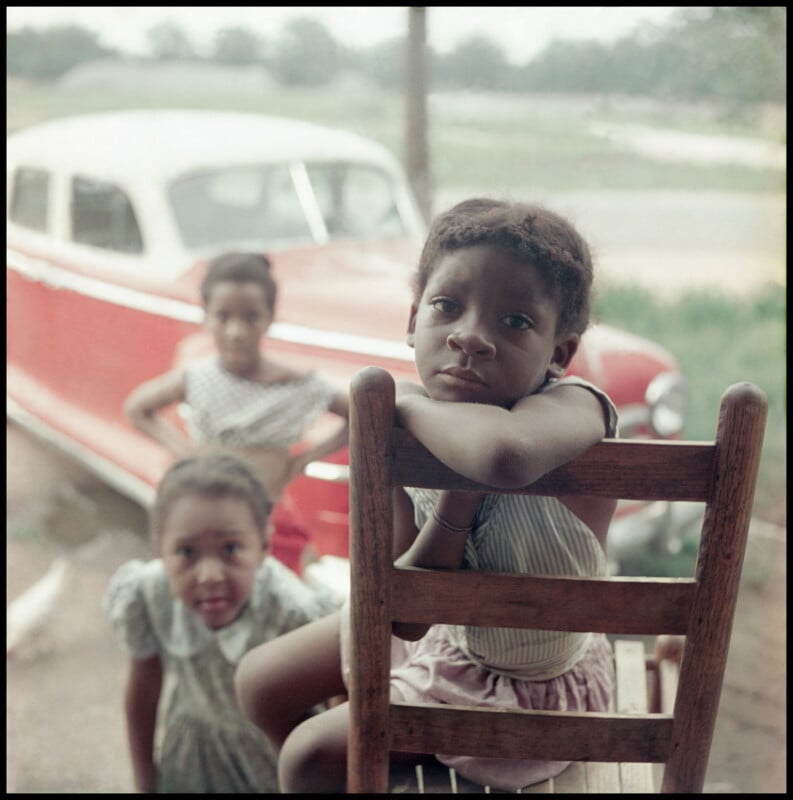
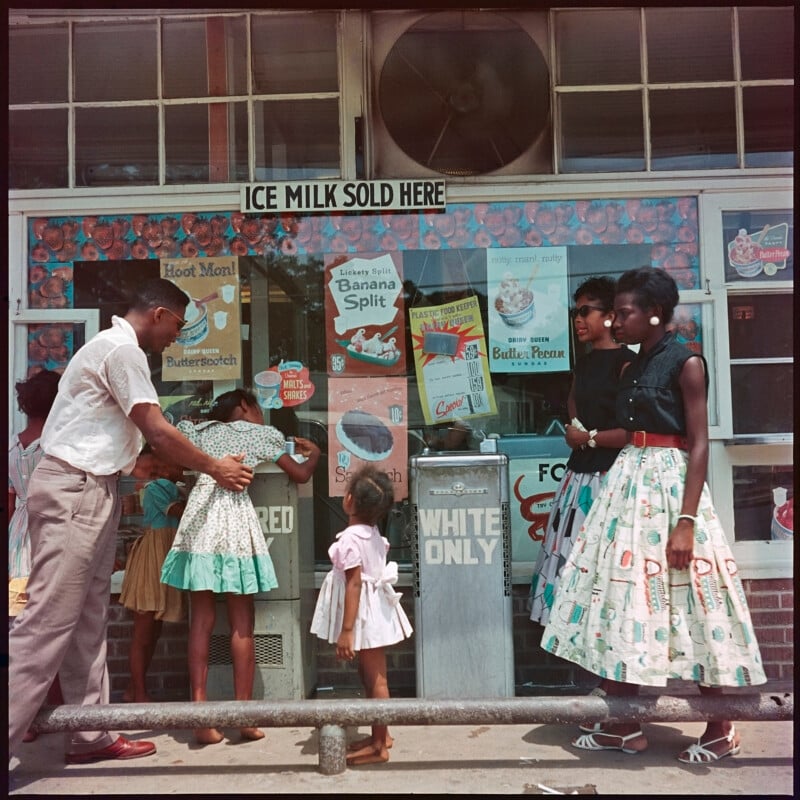
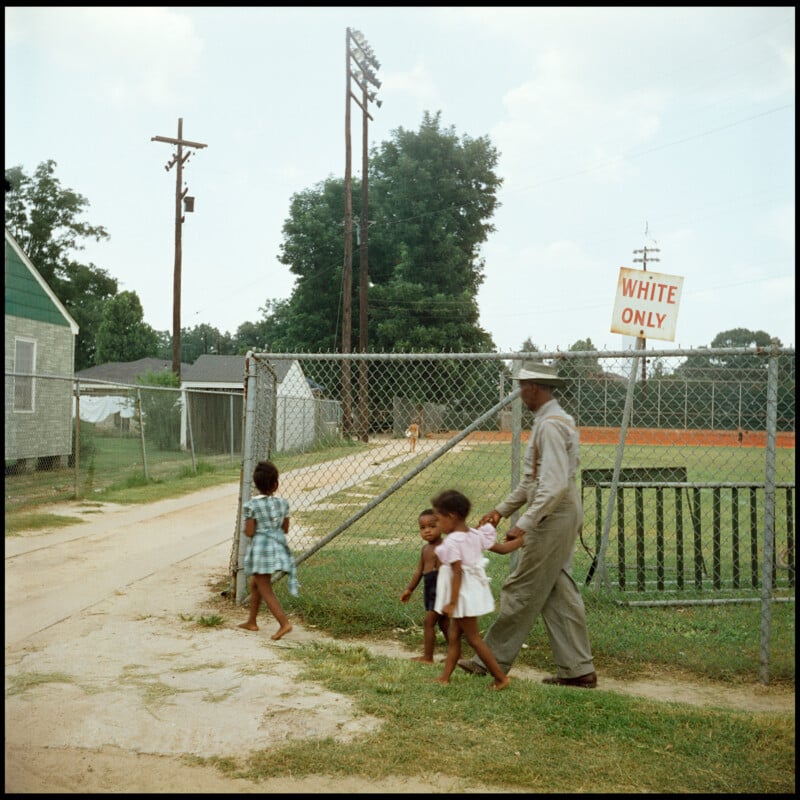
Among the works on display is the iconic At Segregated Drinking Fountain, Mobile, Alabama, 1956. The image depicts a group of children and a man standing outside an ice cream shop, their eyes turned toward a window that bears a "WHITE ONLY" sign. Another significant work, Untitled, Shady Grove, Alabama, 1956, shows three young girls in their Sunday best, standing near a red and white car. These images do not rely on depictions of overt violence to make their point; instead, they highlight the pervasive, atmospheric nature of segregation—how it dictated where one could drink, where one could sit, and how one could move through the world.
The risks taken by the subjects of these photographs cannot be overstated. After the Life photo essay was published in September 1956, the Causey family faced immediate and severe repercussions. Willie Causey, a woodcutter, was boycotted by white customers, and the family was eventually forced to flee Alabama for their safety. This historical footnote serves as a sobering reminder of the courage required to participate in Parks’ "weaponized" photography.
Chronology of Gordon Parks and the Civil Rights Era
To understand the weight of the current exhibition at Jackson Fine Art, one must view it within the timeline of Parks’ life and the broader movement:
- 1912: Gordon Parks is born in Fort Scott, Kansas, the youngest of 15 children.
- 1942: Parks wins a fellowship with the Farm Security Administration (FSA) and creates the famous American Gothic, Washington, D.C.
- 1948: Parks becomes the first African American photographer and writer for Life magazine.
- 1954: Brown v. Board of Education declares state laws establishing separate public schools for black and white students to be unconstitutional.
- 1956 (Summer): Parks travels to Alabama to shoot the "Segregation Story" in color.
- 1956 (September 24): Life magazine publishes the photo essay titled "The Restraints: Open and Hidden."
- 1960s: Parks continues to document the Civil Rights Movement, including profiles of Malcolm X and the Black Panther Party.
- 1971: Parks directs the film Shaft, becoming a pioneer of the Blaxploitation genre and one of the first major Black film directors in Hollywood.
- 2006: Gordon Parks passes away at the age of 93, leaving behind a legacy as a photographer, filmmaker, musician, and writer.
- 2012: The Gordon Parks Foundation discovers a hidden cache of color transparencies from the 1956 assignment, leading to a renewed interest in his color work.
- 2024: Jackson Fine Art hosts "The South in Color," celebrating 70 years since the inception of this pivotal project.
Curatorial Analysis and Artistic Implications
Dawoud Bey’s curation emphasizes the "quality of their making." This is a critical distinction in the study of Gordon Parks. For decades, Parks was viewed primarily through the lens of sociology or journalism. While those aspects remain vital, Bey’s perspective invites the viewer to look at Parks as a master of the medium—a contemporary of figures like William Eggleston or Stephen Shore, but one who was using color for social documentation decades before it became fashionable in the fine art world.
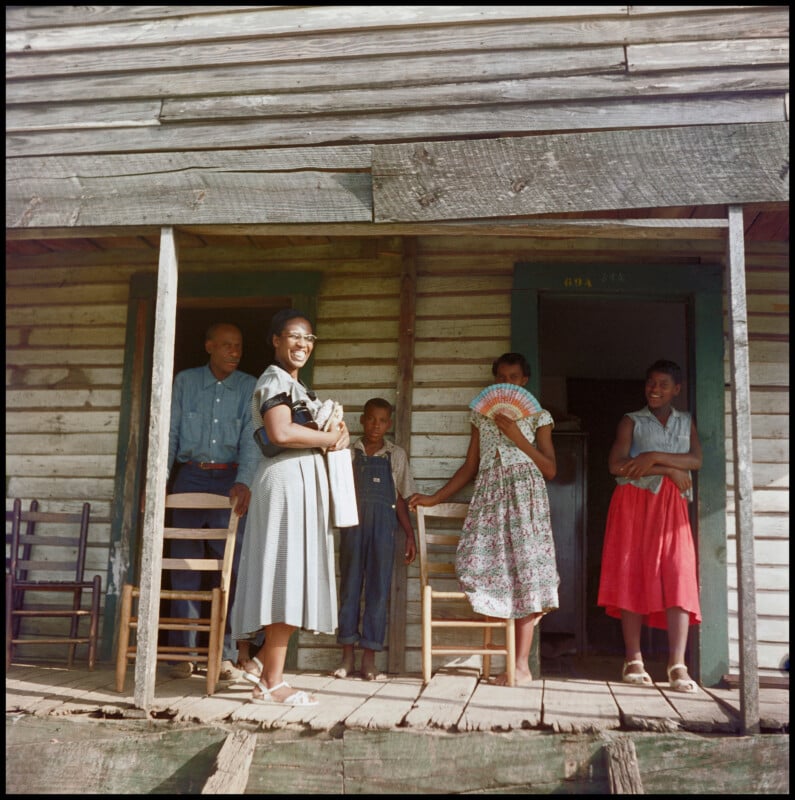
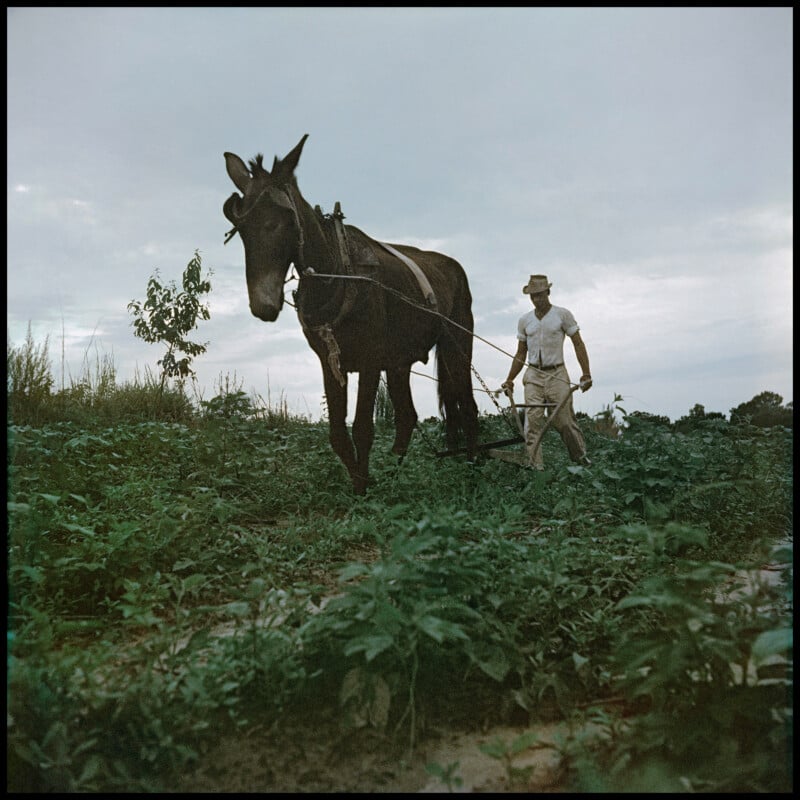
The exhibition at Jackson Fine Art highlights the contrast between the "restraints" mentioned in the original Life title and the boundless humanity of the subjects. The photographs show families on rustic porches, children playing in puddles, and men working the fields with mules. There is a profound sense of "ordinariness" that, in the context of 1956 Alabama, was an act of defiance. By documenting the beauty of Black life, Parks was arguing for its inherent value and right to equality.
Broader Impact and Legacy
The partnership between Jackson Fine Art and The Gordon Parks Foundation ensures that Parks’ work remains a living part of the cultural conversation. Peter W. Kunhardt, Jr., Executive Director of The Gordon Parks Foundation, has frequently noted that Parks’ work continues to provide a roadmap for contemporary artists who seek to combine social activism with high art.
The influence of the "Segregation Story" can be seen in the works of modern photographers like Bey himself, as well as Carrie Mae Weems and Latoya Ruby Frazier. These artists continue Parks’ tradition of using the camera to interrogate the American experience, focusing on the intersections of race, class, and place.
Furthermore, the exhibition serves as a critical educational tool. As debates over the teaching of American history and the legacy of systemic racism continue to permeate the public sphere, Parks’ photographs provide an undeniable primary source. They are visual evidence of a time that is within living memory for many, yet feels worlds away in its overt cruelty.
Conclusion
Gordon Parks: The South in Color is more than a retrospective; it is an invitation to witness the resilience of the human spirit. By presenting these images in the heart of the South—Atlanta—Jackson Fine Art provides a space for reflection on how far the region has come and how much of Parks’ vision remains relevant today. The exhibition underscores the fact that Gordon Parks did not just take pictures; he composed a visual manifesto that challenged the conscience of a nation. As visitors walk through the gallery, they are confronted with the reality that while the "White Only" signs have been taken down, the quest for the dignity and equality Parks so masterfully captured remains a continuous journey. Through June 13, the public has the opportunity to engage with these vibrant, haunting, and ultimately hopeful images that changed the course of American photography.

