


The Evolution of Light: From Generalism to Precision Dosing
The discourse surrounding captive lighting has historically been dominated by the term "full-spectrum lighting," a marketing phrase often used to describe bulbs that attempt to mimic the sun’s output of ultraviolet, visible, and infrared light. However, Dr. Mitchell’s research focuses specifically on the UVB spectrum—wavelengths between 280 and 315 nanometers. This specific range is the primary catalyst for the photosynthetic conversion of 7-dehydrocholesterol into pre-vitamin D3 in the skin.
Vitamin D3 is not merely a nutrient but a vital hormone. Its role in calcium metabolism is well-documented; it ensures the development of robust skeletal structures and prevents metabolic bone disease. Beyond bone health, newer data suggests that appropriate Vitamin D3 levels are intrinsically linked to reproductive success and immune function in reptiles. The biological pathway is complex: once synthesized in the skin through UVB exposure or ingested via diet, the hormone is transported to the liver for hydroxylation into 25-hydroxyvitamin D3, and finally to the kidneys, where it becomes 1,25-dihydroxyvitamin D3, the active form that regulates calcium absorption.
A Chronology of Research: Expanding the Taxonomical Reach
The understanding of UVB requirements has expanded significantly over the last 30 years. In the 1990s, research was largely confined to herbivorous reptiles like green iguanas. By the mid-2000s, studies began to confirm that even carnivorous and crepuscular species utilized UVB. A pivotal 2006 study by Stanford highlighted the effects of UVB on psittacine birds (parrots), while a 2008 study by Acierno and Mitchell demonstrated that corn snakes—species previously thought to fulfill all Vitamin D needs through their diet—showed a marked increase in plasma 25-hydroxyvitamin D3 when exposed to UVB.
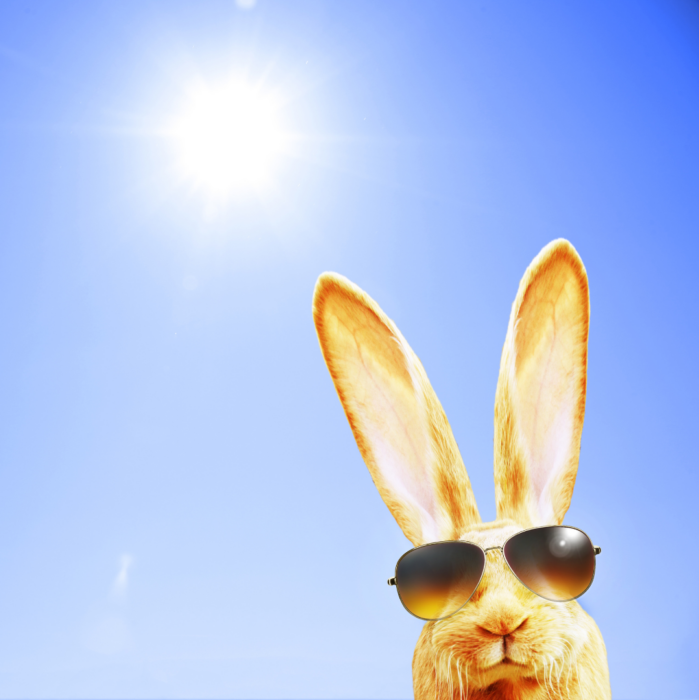
The timeline of evidence reached a new milestone in the mid-2010s with research into exotic companion mammals. Studies conducted between 2014 and 2015 at LSU and other institutions confirmed that domestic rabbits, guinea pigs, and chinchillas all benefited from artificial UVB exposure. Most recently, in 2024 and 2025, research has delved into the "rise and fall" of Vitamin D levels. A 2025 study on blue-tongued skinks (Tiliqua scincoides) provided groundbreaking data on how long Vitamin D levels remain elevated after the light source is removed, revealing that it can take four to seven months for levels to return to baseline, depending on the intensity of the initial exposure.
Supporting Data: Measuring the "Dose"
One of the most significant contributions of recent research is the quantification of "dosing." For years, keepers provided 12 hours of continuous UVB exposure to match the day-night cycle. However, Dr. Mitchell’s clinical recommendations now suggest that a "less is more" approach may be safer and equally effective.
Key data points from recent studies include:
- Optimal Intensity: For many species, such as the leopard gecko, an ideal range of 5 to 30 microwatts per square centimeter ($mu W/cm^2$) is sufficient to stimulate hormone production.
- The Two-Hour Rule: Research on blue-tongued skinks and leopard geckos suggests that two hours of UVB exposure per day can produce the same circulating Vitamin D concentrations as 12 hours of exposure.
- Baseline Decay: In blue-tongued skinks, Vitamin D levels remained significantly elevated for months after UVB withdrawal, suggesting the body has a robust storage and regulation mechanism.
- Commercial Variability: Not all bulbs are equal. Compact fluorescent, linear fluorescent, and mercury vapor bulbs all produce different intensities. Dr. Mitchell’s testing specifically highlighted the Fluker’s 23-watt 5.0 bulb as a consistent performer for the levels required in his studies.
Technical Husbandry: Barriers and Measurement
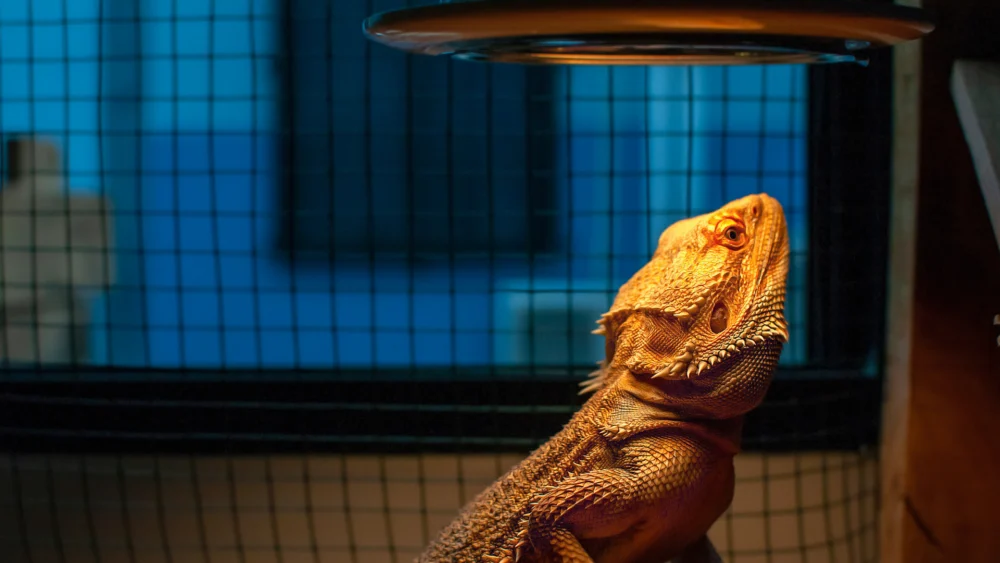
The implementation of UVB protocols requires a technical understanding of the environment. A common mistake in captive management is placing lights behind glass or plexiglass. Most standard glass filters out nearly 100% of UVB radiation, rendering the bulb useless for Vitamin D synthesis. While some specialized plastics allow for UV penetration, Dr. Mitchell recommends using wire mesh tops. Although mesh can diffract and reduce the intensity of the light, the "whomping doses" of 10,000 microwatts once thought necessary are now viewed as overkill; therefore, the reduction caused by the mesh is often acceptable.
Furthermore, the distance between the animal and the bulb is a critical variable. As the distance increases, the intensity of UVB drops following the inverse square law. This necessitates the use of a radiometer or photometer—tools that allow keepers to measure the actual output of the bulb at the animal’s basking level. Dr. Mitchell emphasizes that owners should treat UVB as a pharmaceutical: "I really want us to start thinking about vitamin D dosing like we do for antibiotics or anesthetics," he noted, suggesting that we move toward prescribing specific microwatt exposures rather than just "leaving the light on."
Official Responses and Clinical Implications
The veterinary community has reacted to these findings with a mixture of caution and interest. Traditionally, the "Ferguson Zones"—a system that categorizes reptiles into four zones based on their natural sun-basking behavior—have been the gold standard. While Dr. Mitchell acknowledges the value of these zones, he argues that they are based on how an animal thermoregulates in the wild, which may not perfectly align with the physiological "dose" needed for Vitamin D synthesis in a restricted captive environment.
The clinical implications of these findings are profound for animal welfare. For instance, in rabbits and guinea pigs, Vitamin D deficiency is often a hidden factor in severe dental disease and abscesses. By providing regulated UVB, veterinarians may be able to improve bone remodeling and healing in these patients. Conversely, the "dosing" approach addresses the rising concern of adverse effects. Over-exposure has been linked to photokeratitis (an inflammatory condition of the cornea) and potential skin cancers in species like bearded dragons. By limiting exposure to two hours, keepers can provide the benefits of the hormone while significantly reducing the window for radiation damage.
Broader Impact and Future Directions
The reach of this research is now extending into aquatic and wildlife rehabilitation sectors. Recent studies on Atlantic salmon and rainbow trout have shown that UVB (and even certain blue light spectrums) can stimulate Vitamin D3 production in fish, challenging the long-held belief that fish only obtain the hormone through their diet. In wildlife rehabilitation, particularly with nestling birds like black-crowned night herons, the preference remains natural sunlight. However, when indoor housing is required, the "dosing" concept provides a safer framework for preventing rickets and other metabolic issues in growing fledglings.
As the industry moves forward, the call for evidence-based husbandry continues to grow. Dr. Mitchell’s work underscores a fundamental truth in exotic medicine: our understanding of "natural" is constantly being refined by data. The transition from 12-hour exposure to a targeted 2-hour dose represents a sophisticated evolution in care that prioritizes internal biochemistry over external mimicry.
The future of exotic pet care likely involves even more species-specific data. While the ball python remains the only species currently studied that did not show a significant response to UVB, researchers suggest this may be a result of study design rather than biological independence from the sun. For now, the consensus among experts is clear: provide UVB to almost all species, measure the output with precision, and limit the duration to avoid the "sunburn" that gives this update its name. By treating light as a medical necessity rather than a decorative accessory, the veterinary community is setting a new standard for the longevity and health of animals in captivity.

