


Birds are among the most ubiquitous wild animals encountered by humans on a daily basis. From the cheerful chirping in the morning to the flash of color in a backyard tree, these feathered creatures are an integral part of our shared environment. Yet, many individuals observe these common sights and sounds without a second thought, unaware of the specific species or their prevalence. This guide aims to bridge that gap, introducing readers to the 20 most likely birds they will encounter across the United States, regardless of whether they reside in bustling cities, quiet suburbs, or quaint small towns. Recognizing these familiar avian neighbors can transform casual observation into a deeper appreciation for the natural world that surrounds us.

The Foundation of Backyard Birdwatching
The journey into birdwatching often begins not with a dedicated expedition, but with a growing awareness of the creatures that inhabit our immediate surroundings. These common birds, the ones that hop across lawns, perch on fences, and call from nearby trees, form the bedrock of this burgeoning interest. For many, the American Robin is the first bird that truly captures their attention. Its distinctive behavior of hopping across lawns, pausing to tilt its head in search of earthworms, makes it an easy subject to follow with the eye. The robin’s bright orange breast and upright posture further aid in its identification against various backdrops. They are a frequent sight in yards, parks, and along sidewalks, demonstrating a remarkable comfort with human proximity. Their predictable feeding habits and active nature make them memorable for beginners, highlighting how frequently they appear and their tendency to forage on the ground.
Iconic Species that Capture Attention
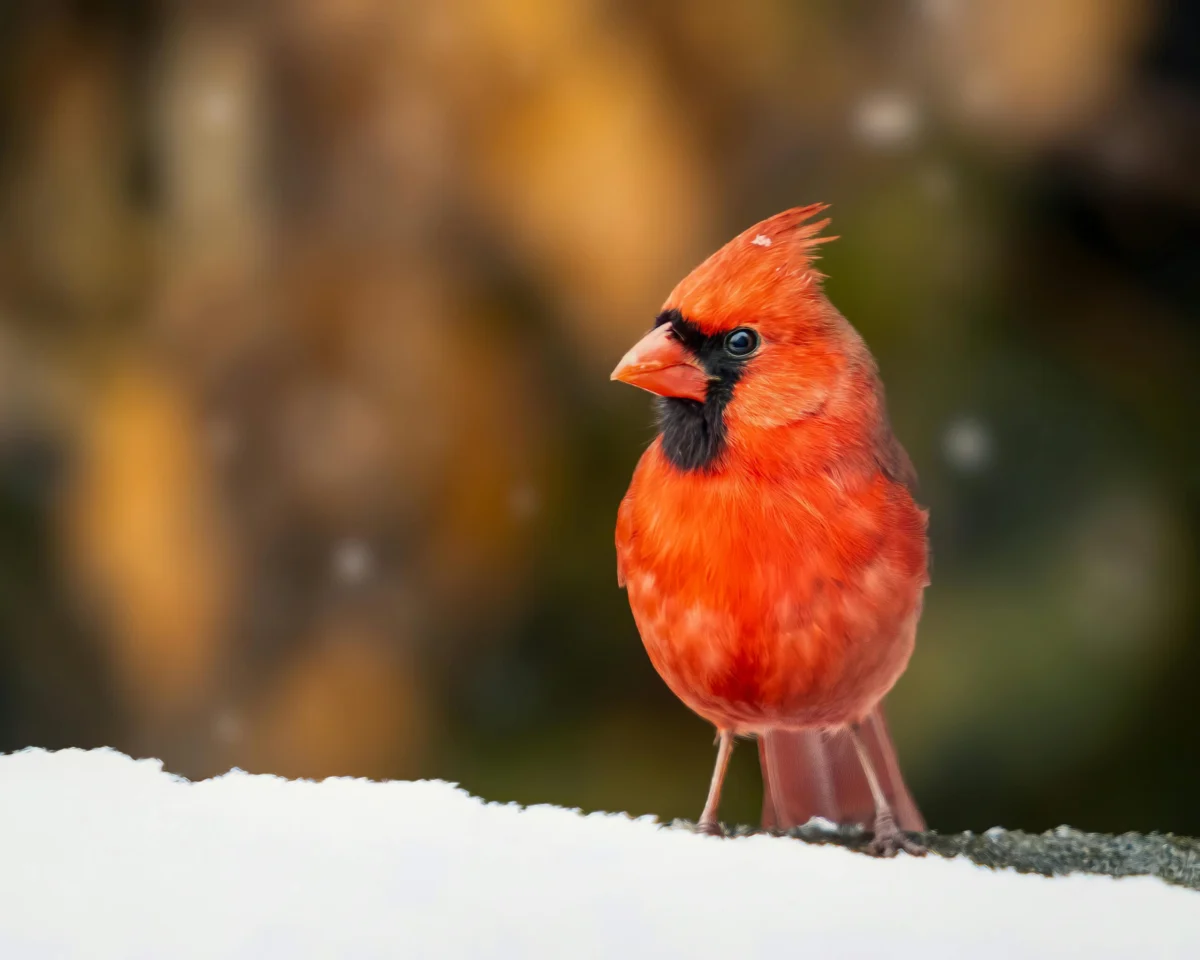
Beyond the ubiquitous robin, several other species possess characteristics that make them readily identifiable and memorable. The Northern Cardinal, for instance, is impossible to overlook, particularly the males with their vibrant red plumage. Whether perched in a shrub, visiting a feeder, or flitting through low branches, their vivid color is unmistakable. Cardinals are often found in yards with dense vegetation or bird feeders and tend to remain visible longer than many smaller, more skittish birds. Their deliberate movements and distinctive calls contribute to their easy recognition.

Another familiar sight is the Mourning Dove, often noted for its gentle presence. Larger than many backyard birds, they walk with a calm demeanor across the ground, their soft, mournful call a familiar sound to many. Mourning Doves are frequently observed on lawns, driveways, and fences, and their relaxed behavior makes them easy to spot.
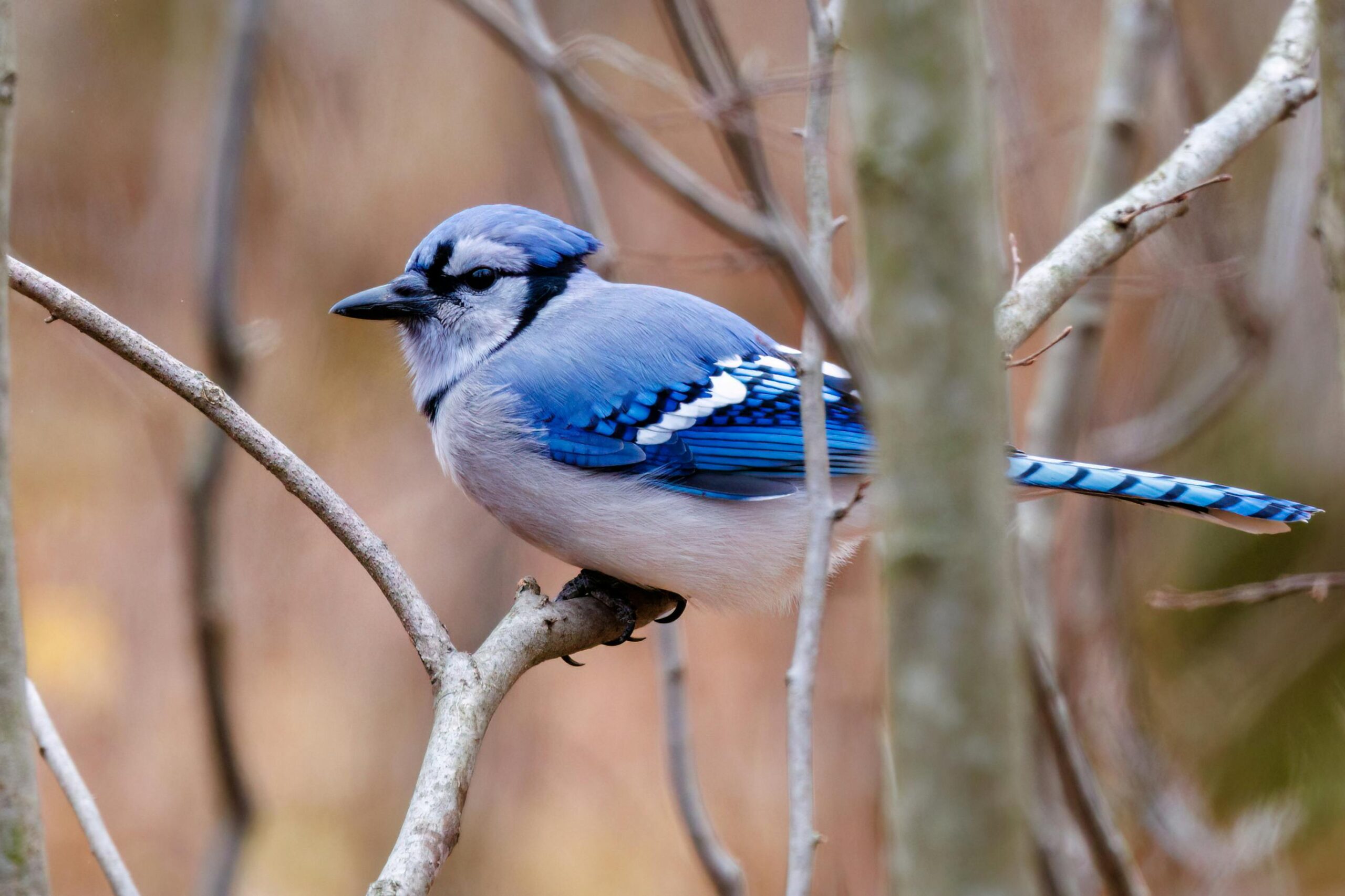
The Blue Jay is another bird that commands attention, not just for its striking blue and black markings but also for its loud, assertive calls. These intelligent birds are often heard before they are seen, their calls echoing through neighborhoods. They are commonly observed flying between trees, visiting feeders, or perching high above open areas, exhibiting a confident presence that distinguishes them from smaller species.

Similarly, the American Crow, a large and uniformly black bird, is a common and recognizable presence. Their loud caws and social gatherings in open areas or on rooftops make them noticeable. Crows are known for their intelligence and expressive interactions, making them engaging subjects for observation.
Small Wonders and Feathered Jewels
While larger birds like cardinals and crows are easily spotted, smaller avian species also play a significant role in our daily encounters. The House Sparrow, though often overlooked due to its commonality and tendency to blend into urban environments, is a constant presence. These small birds are frequently seen hopping along sidewalks or gathering in small groups near buildings and outdoor seating areas. Learning to identify them helps in distinguishing background movement from more intentional observations.

The European Starling, often seen in flocks, is characterized by its rapid movements across lawns and rooftops. Their dark feathers can appear glossy or speckled depending on the light. Starlings are abundant in urban and suburban areas and are easily recognizable once their characteristic flocking behavior is observed.
Small but spirited, the Black-Capped Chickadee is a delight to observe. Active, curious, and frequent visitors to feeders, their distinctive black and white markings make them relatively easy to identify. Their boldness and constant activity make them memorable.
The Downy Woodpecker, the smallest woodpecker in North America, is often the first woodpecker species people learn to identify. Its black and white patterned plumage and its habit of climbing tree trunks or visiting feeders make it a common sight. The characteristic tapping sound often precedes spotting the bird itself.
The American Goldfinch, particularly the males in their vibrant yellow summer plumage, are easily spotted. While their winter coloration is more muted, their presence at feeders and in small, undulating flocks in open yards makes them a favorite.

The Tufted Titmouse, a small gray bird with a distinctive crest, is another frequent visitor to feeders. They often travel in mixed flocks with chickadees, moving quickly between trees. Their unique crest and energetic behavior make them easily identifiable.
The Song Sparrow, a small brown bird, is often found near shrubs and low vegetation. They spend considerable time on the ground, hopping in and out of view, and are common in yards and gardens. Their presence is often noted by the movement near bushes.

The Northern Mockingbird is renowned for its vocal abilities. These birds sing loudly and frequently, often from prominent perches like rooftops or fences, and their songs can be heard day and night. Their bold and vocal nature makes them stand out.
The Red-Winged Blackbird, especially the males with their striking red and yellow shoulder patches, is a common sight near open areas and wetlands. They are often seen perched on fences or flying low over fields, their distinctive markings and loud calls making them memorable.

The Common Grackle, larger than many expect, is often seen in noisy groups in parking lots, lawns, and open spaces. Their glossy feathers, which shimmer in the light, help them stand out once noticed. While sometimes confused with starlings, their size and distinct behavior differentiate them.
The House Wren, another small bird with a surprisingly powerful voice, is often heard before it is seen. Its loud song emanating from shrubs or small trees is a common sound in yards with dense vegetation or nesting boxes.

Finally, the Eastern Bluebird is often spotted perched in open areas. Its bright blue and rusty orange coloring makes it a beautiful and easily recognizable sight, often found on fence posts or wires in open yards and fields. Its calm presence further aids in identification.
The Broader Impact of Urban Wildlife
The prevalence of these common birds in our daily lives underscores a critical aspect of urban ecology: the ability of wildlife to adapt and thrive alongside human populations. These species, through evolutionary processes and opportunistic adaptation, have found niches within our built environments, utilizing backyards, parks, and even parking lots for food, shelter, and breeding. The persistence of these birds is not merely an aesthetic benefit; it provides tangible ecological services. They act as natural pest controllers, consuming insects that can damage gardens and spread disease. They also play a role in seed dispersal, contributing to the health and diversity of local flora.

Why Understanding These Birds Matters
The act of recognizing these common birds is more than just a casual pastime; it is the genesis of a deeper connection with the natural world. As individuals begin to identify these familiar species, they develop a foundational understanding of avian diversity. This awareness then allows for the easier differentiation of less common birds, the detection of seasonal shifts in bird populations, and a heightened appreciation for the dynamism of the environment. The simple act of "paying attention," as many birdwatchers describe it, transforms the mundane into the extraordinary.
The ubiquity of these 20 species across diverse landscapes—from the concrete canyons of cities to the sprawling lawns of suburbs and the open fields of rural areas—highlights their resilience and adaptability. Scientific data from ornithological surveys consistently demonstrates the widespread distribution of these birds, often ranking them among the most numerous species recorded in urban and suburban breeding bird atlases. For instance, the American Robin is frequently cited as one of the most abundant bird species in North America, with population estimates reaching into the hundreds of millions. Similarly, the House Sparrow and European Starling, while introduced species, have established vast populations due to their successful adaptation to human-modified habitats.

The implications of this widespread avian presence extend beyond mere observation. It fosters a sense of shared stewardship for our local ecosystems. When people can identify the birds in their yards, they are more likely to take actions that benefit them, such as planting native species that provide food and shelter, reducing pesticide use, or supporting conservation initiatives. This growing awareness can also influence local policy, advocating for green spaces and wildlife-friendly urban planning.
In essence, the birds that share our daily lives are not just background characters; they are vital components of our environment and potential gateways to a deeper understanding and appreciation of the natural world. By learning to identify and understand these common avian neighbors, we not only enrich our own lives but also contribute to the broader effort of conservation and ecological awareness. The journey begins with a single chirp, a fleeting glimpse of color, and the simple, profound act of noticing.

