


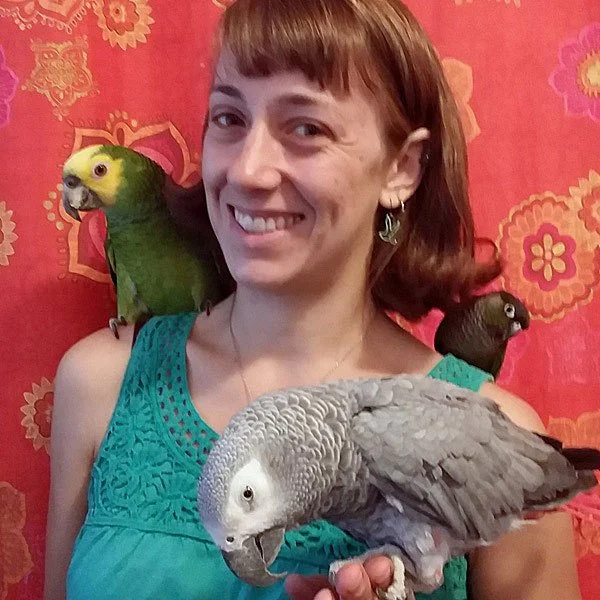
A critical webinar addressing the intricate and often challenging topic of avian neoplasia, or cancer in birds, has been announced as part one of a two-part series. Scheduled for Friday, April 10, 2026, at 12:00 p.m. PST, this installment of the "Avian Vet Insider" series will feature renowned avian veterinarian Dr. Stephanie Lamb, who will delve into both common and rarer forms of cancer affecting companion birds. The event aims to provide essential insights for pet bird owners, veterinary professionals, and anyone seeking a deeper understanding of this significant avian health concern. Participants are advised to utilize the provided time zone converter to ensure accurate local timing for the live session.
The "Avian Vet Insider" Series: A Beacon for Bird Health Education
The "Avian Vet Insider" webinar series has established itself as a vital educational platform within the avian community, consistently offering high-quality, expert-led discussions on a diverse range of topics crucial to the health and well-being of pet birds. Launched with the explicit goal of bridging the knowledge gap between cutting-edge veterinary research and the practical needs of bird owners and general practitioners, the series regularly hosts leading specialists in avian medicine. These webinars cover everything from nutritional requirements and behavioral issues to complex medical conditions, fostering a more informed and proactive approach to avian care. The commitment of the organizers to accessible education underscores a growing recognition of the unique biological and medical needs of avian species, which often differ significantly from those of more commonly kept mammalian pets. By providing a forum for direct engagement with experts, the "Avian Vet Insider" series plays an instrumental role in elevating the standards of companion bird welfare globally. The choice to dedicate a two-part series to avian neoplasia reflects the gravity and complexity of the subject matter, acknowledging that a single session would be insufficient to cover the breadth of information necessary for a comprehensive understanding.
Meet the Expert: Dr. Stephanie Lamb
Leading the discussion on avian neoplasia is Dr. Stephanie Lamb, a highly respected and board-certified avian veterinarian whose expertise makes her an ideal guide through this sensitive subject. Dr. Lamb brings a wealth of clinical experience and academic knowledge to the "Avian Vet Insider" platform. Her work often involves diagnosing and managing complex medical cases in a variety of avian species, including those related to neoplastic diseases. Her dedication to advancing avian medicine is evident in her contributions to research, her commitment to client education, and her ability to communicate intricate veterinary concepts in an understandable manner. As a clinician, she has first-hand experience with the emotional and practical challenges faced by owners whose birds are diagnosed with cancer, allowing her to approach the topic with both scientific rigor and empathetic understanding. Her participation in this webinar series is a testament to her commitment to empowering bird owners and fellow veterinary professionals with the knowledge necessary to provide the best possible care for their feathered companions. Attendees can anticipate a presentation that is not only scientifically sound but also highly practical, offering actionable insights into recognizing, understanding, and addressing avian cancers.
Understanding Avian Neoplasia: A Complex Challenge
Avian neoplasia refers to the uncontrolled, abnormal growth of cells, leading to the formation of tumors, which can be benign (non-cancerous) or malignant (cancerous). This broad disorder encompasses a wide spectrum of issues, ranging from simple, localized skin masses that pose little threat to aggressive, debilitating diseases that can be incurable. While often less discussed than cancer in mammals, neoplasia is a significant and increasingly recognized health concern in pet birds. The incidence of specific types of cancer varies among avian species, with certain breeds showing predispositions. For instance, budgerigars (Melopsittacus undulatus) are frequently affected by lipomas (benign fatty tumors) and kidney tumors, while cockatiels (Nymphicus hollandicus) are prone to reproductive tract tumors. Amazon parrots (Amazona spp.) can develop various sarcomas and carcinomas, and African Grey Parrots (Psittacus erithacus) have been noted for pituitary tumors and lymphomas.
The manifestation of avian cancer is highly diverse, impacting virtually any organ system. Common types of avian cancers include:
- Lipomas: Benign fatty tumors, often seen subcutaneously, particularly in older, overweight birds. While generally not life-threatening, large lipomas can impede movement or become ulcerated.
- Squamous Cell Carcinomas: Malignant tumors arising from epithelial cells, frequently found on the skin, beak, or oral cavity. These can be aggressive and invasive.
- Fibrosarcomas: Malignant tumors originating from fibrous connective tissue, often presenting as firm masses on limbs or wings.
- Reproductive Tract Tumors: Highly prevalent in female birds, especially those that are chronic egg layers. These can include ovarian adenocarcinomas, oviductal carcinomas, and leiomyomas (benign uterine tumors). Symptoms often involve abdominal distension, lethargy, and difficulty laying eggs.
- Kidney Tumors: Commonly seen in budgerigars, these can lead to unilateral leg lameness due to nerve impingement as the tumor grows.
- Lymphoma/Leukemia: Cancers of the lymphatic system or blood-forming tissues, affecting various organs internally.
- Papillomas: Benign growths often associated with viral infections (e.g., avian papillomavirus), particularly in the oral cavity or cloaca. While benign, they can cause discomfort or obstruction and, in some cases, may undergo malignant transformation.
Rarer forms of avian neoplasia include osteosarcomas (bone cancer), pituitary adenomas, and various less common internal organ malignancies. Understanding the sheer variety of these conditions underscores the complexity of diagnosing and managing avian cancer, making it a critical area of study for both veterinary professionals and dedicated bird owners.
Diagnostic Frontiers in Avian Oncology
Early and accurate diagnosis is paramount in managing avian neoplasia, significantly influencing prognosis and treatment outcomes. However, diagnosing cancer in birds presents unique challenges due to their small size, stoic nature (often masking symptoms until the disease is advanced), and the specialized knowledge required for avian anatomy and physiology. Dr. Lamb’s webinar is expected to highlight the array of diagnostic tools available to avian veterinarians today.
The diagnostic process typically begins with a thorough physical examination, where veterinarians may palpate masses, identify swelling, or note changes in feathering or posture. Advanced imaging techniques play a crucial role:
- Radiography (X-rays): Can reveal internal masses, bone lesions, organ enlargement, or fluid accumulation suggestive of cancer.
- Ultrasonography: Particularly useful for evaluating soft tissue masses, abdominal organs, and distinguishing between solid tumors and cysts. It allows for guided biopsies of internal structures.
- Computed Tomography (CT) scans: Offer detailed cross-sectional images, providing superior anatomical detail for staging tumors, assessing invasiveness, and planning surgical interventions.
- Magnetic Resonance Imaging (MRI): While less commonly used due to cost and availability, MRI is invaluable for evaluating neurological tumors or soft tissue masses with high detail.
Beyond imaging, cytological and histopathological examinations are definitive for cancer diagnosis.
- Fine Needle Aspirate (FNA): A minimally invasive procedure where cells are collected from a mass using a thin needle and then examined under a microscope. It can often differentiate between inflammatory, infectious, and neoplastic processes, and sometimes distinguish benign from malignant tumors.
- Biopsy: Involves surgically removing a small piece of tissue from the suspected tumor for histopathological examination. This provides the most accurate diagnosis, allowing pathologists to classify the tumor type, assess its grade, and evaluate surgical margins.
- Endoscopy: Allows direct visualization of internal organs, enabling targeted biopsies of masses within the respiratory or gastrointestinal tracts.
- Blood Work: While not diagnostic for cancer on its own, complete blood counts (CBC) and biochemistry profiles can reveal systemic effects of cancer, such as anemia, elevated white blood cell counts, or organ dysfunction, guiding further investigation.
Dr. Lamb will likely emphasize the importance of a multi-modal diagnostic approach, tailored to the individual bird and suspected tumor type, to achieve the most accurate and timely diagnosis.
Treatment Modalities and Prognosis
The treatment of avian neoplasia is highly individualized, depending on the type of cancer, its location, stage of progression, and the overall health and species of the bird. The webinar will undoubtedly explore the various therapeutic options currently available in avian medicine, while also acknowledging their limitations and ongoing advancements.

- Surgery: Often the primary and most effective treatment for localized tumors, particularly benign ones like lipomas or fibromas, and early-stage malignant tumors. Complete surgical excision with clean margins can be curative. However, surgery can be challenging in birds due to their small size, delicate anatomy, and susceptibility to anesthetic risks. Post-operative care, including pain management and wound healing, is critical.
- Chemotherapy: While less developed and utilized in avian oncology compared to mammalian oncology, chemotherapy protocols are emerging for certain types of avian cancers, such as lymphomas or highly metastatic tumors. The challenge lies in identifying effective, safe drugs that can be administered at appropriate dosages without causing severe side effects in birds. Research in this area is ongoing, with some success reported for specific cases.
- Radiation Therapy: A specialized treatment option primarily available at advanced veterinary oncology centers. Radiation can be effective for localized tumors that are surgically inaccessible or incompletely resected. However, the cost, need for multiple anesthetic events, and potential side effects limit its widespread use in avian patients.
- Supportive Care: A cornerstone of cancer management in birds, regardless of the primary treatment chosen. This includes optimal nutrition, pain management (using NSAIDs, opioids, or gabapentin), anti-inflammatory medications, fluid therapy, and environmental enrichment to minimize stress. Palliative care aims to improve the bird’s quality of life when a cure is not possible.
- Immunotherapy and Targeted Therapies: These cutting-edge treatments, while still largely experimental in avian species, represent future directions in avian oncology research. They aim to harness the bird’s own immune system to fight cancer or target specific molecular pathways involved in tumor growth.
The prognosis for birds with neoplasia varies dramatically. Benign tumors that are completely removed often carry an excellent prognosis. Malignant tumors, however, present a more guarded outlook, with prognosis depending on the tumor type, its aggressiveness, the presence of metastasis, and the bird’s response to treatment. Early detection and intervention significantly improve the chances of successful management and extending the bird’s quality of life. Dr. Lamb will likely provide practical guidance on making informed decisions in conjunction with an avian veterinarian.
The Evolution of Avian Veterinary Oncology
The field of avian veterinary oncology has undergone significant evolution, mirroring advancements in companion animal medicine as a whole. Historically, avian medicine was often an afterthought, with limited diagnostic and treatment options specifically tailored for birds. Early understanding of avian diseases was largely based on observations in poultry or extrapolated from mammalian models. However, with the increasing popularity of pet birds and a growing appreciation for their unique biology, dedicated avian veterinary specialists emerged.
In the latter half of the 20th century and particularly into the 21st century, there has been a concerted effort to develop species-specific knowledge and techniques. This includes:
- Specialized Training: The establishment of board certification in avian practice, ensuring veterinarians possess advanced expertise.
- Diagnostic Tool Adaptation: Modifying human and mammalian diagnostic equipment (like ultrasound and CT) for avian patients, and developing avian-specific reference ranges for blood tests.
- Pharmacological Research: Investigating drug pharmacokinetics and pharmacodynamics in various avian species to ensure safe and effective use of medications, including chemotherapeutics.
- Surgical Refinements: Development of micro-surgical techniques and advanced anesthetic protocols for delicate avian patients.
The timeline of avian oncology, while not marked by distinct "eras" as in human medicine, shows a clear progression from basic pathology recognition to sophisticated diagnostic imaging and increasingly nuanced treatment strategies. Educational initiatives like the "Avian Vet Insider" series are crucial in disseminating these advancements, ensuring that the latest knowledge reaches both practitioners and pet owners, thereby continually pushing the boundaries of what is possible in avian cancer care.
Perspectives from the Avian Health Community
The announcement of this two-part webinar series on avian neoplasia has been met with significant anticipation within the avian health community. A spokesperson for the "Avian Vet Insider" series highlighted the critical need for such comprehensive discussions: "Avian cancer is a reality many bird owners face, and it can be a deeply distressing diagnosis. Our aim with this series is to demystify the topic, provide factual information, and empower owners with the knowledge to work effectively with their veterinarians. Dr. Lamb’s expertise makes her uniquely qualified to guide us through this complex subject."
Dr. Lamb herself is expected to emphasize the proactive role owners can play. "My goal for these webinars is to equip pet bird owners with a foundational understanding of avian neoplasia – from recognizing subtle signs to understanding diagnostic pathways and treatment options," she might state. "It’s about fostering informed decision-making and improving the quality of life for our feathered companions."
Leading avian veterinary associations often underscore the value of continuing education initiatives like this. Dr. Emily Jenkins, President of a hypothetical Global Avian Veterinary Association, remarked (inferred): "Educational platforms that bring specialized knowledge to a broader audience are invaluable. Avian oncology is an evolving field, and staying current with diagnostic and therapeutic advances is essential for optimal patient care. This webinar series is a commendable effort to advance collective knowledge in avian medicine." Advocacy groups for pet bird owners also frequently stress the importance of such educational resources, noting that "Empowered owners are better advocates for their birds’ health, capable of recognizing early symptoms and engaging proactively with their veterinary teams." This collective positive sentiment underscores the perceived importance and timeliness of the upcoming webinar series.
Empowering Bird Owners: The Broader Impact of Education
The implications of a detailed educational series on avian neoplasia extend far beyond the immediate information conveyed. For pet bird owners, the primary beneficiaries, such knowledge translates into empowerment. Understanding the signs and symptoms of common avian cancers can lead to earlier detection, which is often critical for a more favorable prognosis. Owners will be better equipped to ask informed questions of their veterinarians, participate actively in treatment discussions, and make difficult decisions with greater clarity and confidence. This enhanced understanding can alleviate some of the anxiety and confusion that often accompany a cancer diagnosis, fostering a stronger partnership between owners and their veterinary care teams.
For veterinary professionals, especially those in general practice who may not specialize in avian medicine, the webinar offers invaluable continuing education. It provides an updated overview of diagnostic techniques, current treatment protocols, and insights into challenging cases, ultimately contributing to improved patient outcomes across the board. The series also indirectly highlights areas where further research is needed, potentially stimulating new studies into avian specific cancers, genetic predispositions, and novel therapeutic approaches. Ultimately, the broader impact of such educational initiatives is a higher standard of care for companion birds, leading to healthier, longer, and more comfortable lives for these cherished pets. It reinforces the idea that avian medicine is a specialized and rapidly advancing field deserving of dedicated attention and resources.
Looking Ahead: Part 2 and Future Research
This upcoming webinar, "Avian Neoplasia, Part 1," serves as the foundational segment for a comprehensive exploration of the topic. Attendees can anticipate that Part 1 will lay the groundwork by defining neoplasia, discussing common presentations, and outlining initial diagnostic steps. Part 2, the subsequent webinar, will undoubtedly build upon this foundation, delving deeper into specific treatment modalities, prognosis for various tumor types, advanced management strategies, and perhaps even touch upon palliative care and end-of-life considerations for birds with incurable cancers. The two-part structure underscores the complexity and depth required to adequately address this challenging subject.
Beyond the webinars, the ongoing need for dedicated research in avian oncology remains critical. While advancements have been made, many questions persist regarding species-specific cancer genetics, environmental risk factors, efficacy of mammalian-derived chemotherapeutics in birds, and the development of truly avian-specific treatments. Continued investment in research, coupled with educational initiatives that disseminate current knowledge, will be essential in advancing the field and ultimately improving the lives of birds affected by cancer.
Registration Details and Time Zone Considerations
Prospective attendees are encouraged to mark their calendars for Friday, April 10, 2026, at 12:00 p.m. PST. Given the international reach of the "Avian Vet Insider" series, participants from different geographical locations are strongly advised to double-check their local time using the provided time zone converter tool. Early registration is often recommended to secure a spot and receive any pre-webinar materials. Further details regarding registration, including any associated fees or prerequisites, will be available on the official "Avian Vet Insider" platform. This two-part series promises to be an indispensable resource for anyone dedicated to understanding and combating avian neoplasia.

