


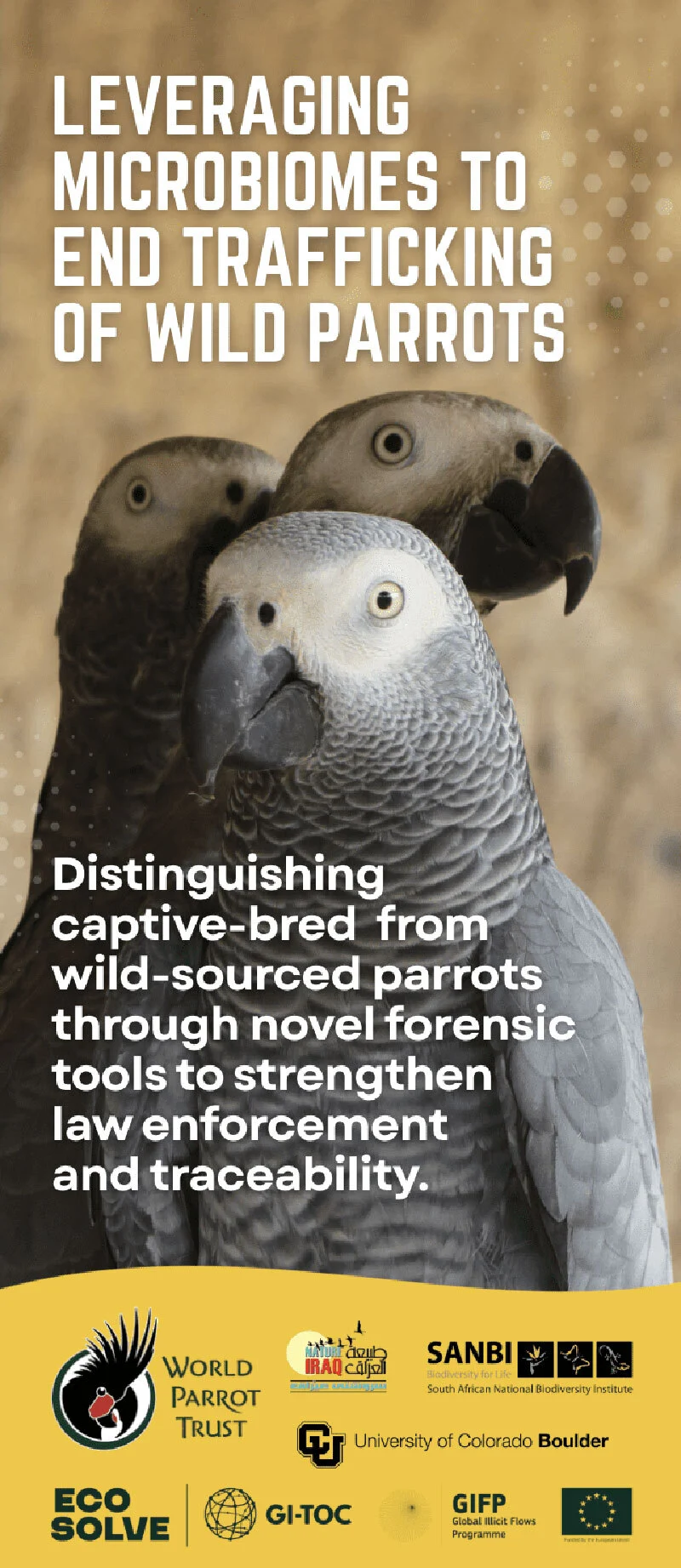
Groundbreaking research and investigative tools are now being profoundly powered by genomics, ushering in a new era for conservation efforts and the battle against illegal wildlife trade. The rapid advancement and sophistication of DNA sequencing technologies have enabled scientists to map entire genomes – the complete genetic blueprint of an organism – with unprecedented speed and accuracy. This capability has opened a crucial door, leading to the development of innovative tools that can precisely identify species, pinpoint individual organisms, and even map the complex genetic makeup of entire communities of organisms, a field known as metagenomics. These advancements are proving to be game-changers, particularly in the critical fight to protect endangered species from illicit trafficking.
Understanding the Genomic Revolution
From DNA to Genomics: A Paradigm Shift
At its core, DNA (deoxyribonucleic acid) is the fundamental molecule that carries the genetic instructions used in the growth, development, functioning, and reproduction of all known organisms. It is the raw information, a string of chemical bases (A, T, C, G) that dictates life. A genome, in turn, is the complete set of DNA within an organism, including all of its genes. For decades, scientists have studied specific genes or short sequences of DNA to understand genetic traits or relationships.
However, genomics represents a paradigm shift from this traditional approach. Instead of focusing on individual genes, genomics involves the comprehensive study of an organism’s entire genome, including the interactions between genes and their environment. This holistic view allows researchers to uncover much deeper insights into an organism’s biology, evolutionary history, and ecological relationships. The development of next-generation sequencing machines, capable of processing vast amounts of genetic material simultaneously, has been instrumental in making this comprehensive genomic analysis both feasible and increasingly affordable. This technological leap has transformed biology, medicine, and now, conservation, providing an unparalleled level of detail for forensic investigations.
Metagenomics: Unveiling Microbial Ecosystems
A particularly powerful branch of genomics, metagenomics, takes this analysis a step further by studying the genetic material directly from environmental samples, bypassing the need to culture individual organisms in a laboratory. This means scientists can analyze the DNA of entire communities of microbes, plants, and animals coexisting in a specific habitat. For conservation forensics, metagenomics offers an invaluable advantage: it allows for the profiling of complex microbial communities, such as those found in an animal’s gut.
These "gut microbiomes" are unique ecological fingerprints. They are heavily influenced by an animal’s diet, environment, geographical location, and overall health. A wild-caught parrot, for instance, will have a vastly different gut microbiome from one bred in captivity, even if they are the same species. The captive bird’s diet, exposure to different bacteria, and living conditions create a distinct microbial signature that can be differentiated from its wild counterpart. This distinction is precisely what forensic scientists are now leveraging to combat wildlife crime, providing objective, verifiable evidence of an animal’s origin.
The Scourge of Illegal Wildlife Trade
A Global Crisis with Devastating Impacts
The illegal wildlife trade stands as one of the largest transnational organized crimes, estimated to be worth billions of dollars annually, ranking alongside drug trafficking, human trafficking, and arms dealing. It poses an existential threat to countless species worldwide, driving many to the brink of extinction and severely disrupting delicate ecosystems. The demand for exotic pets, traditional medicine ingredients, luxury goods, and bushmeat fuels a brutal industry that decimates wild populations, often with profound consequences for biodiversity and ecological stability. According to reports from organizations like the United Nations Office on Drugs and Crime (UNODC) and the World Wildlife Fund (WWF), thousands of species are impacted, from pangolins and elephants to rhinos and a vast array of birds and reptiles.
The Convention on International Trade in Endangered Species of Wild Fauna and Flora (CITES) is an international agreement between governments designed to ensure that international trade in specimens of wild animals and plants does not threaten their survival. CITES regulates trade through a system of permits and certificates, categorizing species into Appendices based on their threat level. However, the sheer scale and complexity of legal trade routes often create loopholes that unscrupulous traffickers exploit, making enforcement incredibly challenging for regulatory bodies and customs officials worldwide.
The ‘Captive-Bred’ Loophole: A Trafficker’s Gambit
One of the most insidious tactics employed by wildlife traffickers is the exploitation of legal supply chains by falsely labeling wild-caught animals as "captive-bred." Many species are legally bred in captivity and traded internationally, often under less stringent CITES regulations (e.g., Appendix II rather than Appendix I, or even species not listed at all). This creates a perfect cover for illegally harvested wild animals. Traffickers capture birds from their natural habitats, transport them often under horrific conditions, and then attempt to "launder" them into the legal trade by claiming they were bred in a facility.
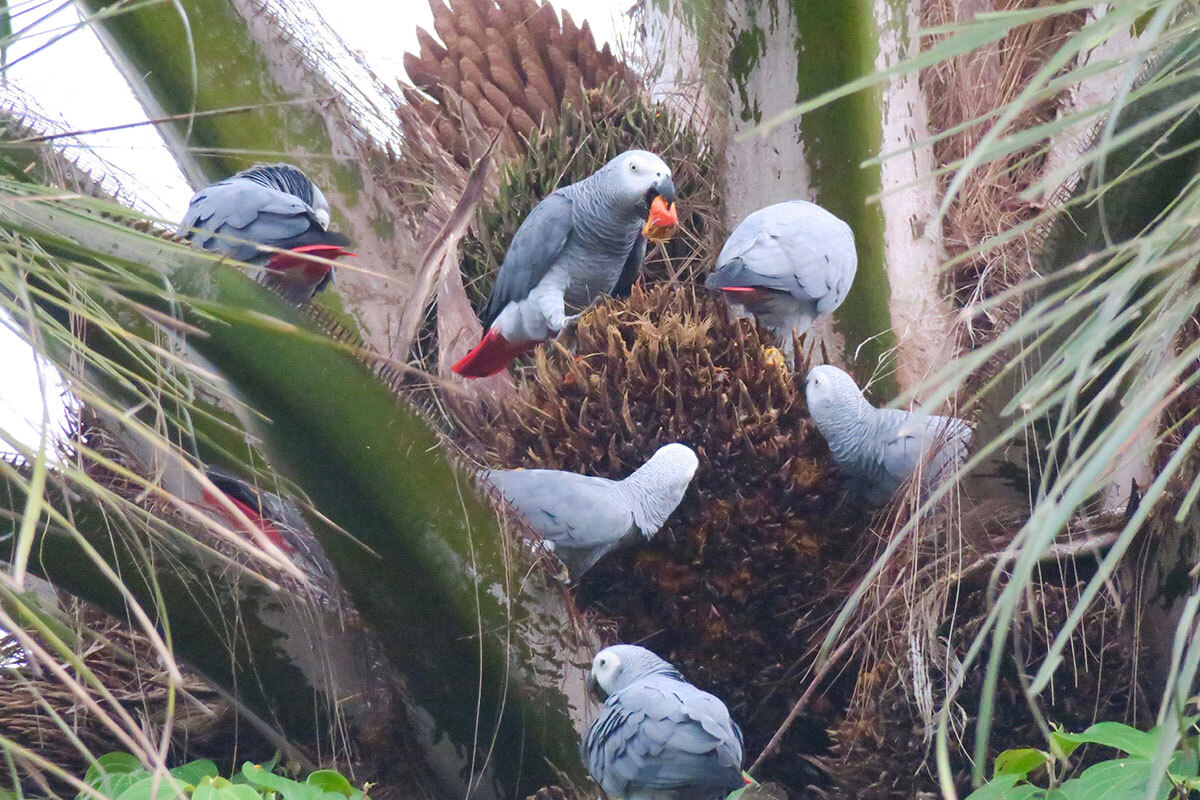
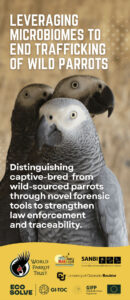
This practice is particularly prevalent with species like African Grey Parrots. These highly intelligent and charismatic birds are coveted as pets for their remarkable ability to mimic human speech. Their popularity has led to immense pressure on wild populations. Historically, millions of African Grey Parrots were captured from the wild for the pet trade. While CITES moved African Grey Parrots to Appendix I in 2016, effectively banning international commercial trade in wild-caught birds, the demand persists. This ban, while crucial, paradoxically incentivized the "captive-bred" loophole. The source article highlights a stark example: "Since 2020, more than 46,000 African grey parrots have been exported from South Africa as ‘captive-bred’." This figure is staggering and highly suspicious. Given typical breeding cycles and infrastructure, such a massive number of genuinely captive-bred parrots from a single country within a few years raises significant red flags, strongly suggesting widespread laundering of wild-caught birds. The lack of robust, verifiable methods to distinguish between wild and captive origins has historically hampered investigators, allowing this illicit trade to flourish.
African Grey Parrots: A Case Study in Exploitation
A Highly Sought-After Species Under Threat
African Grey Parrots (Psittacus erithacus) are native to the rainforests of Central and West Africa. They are renowned for their exceptional intelligence, problem-solving abilities, and uncanny capacity to imitate human speech and other sounds. These traits have made them one of the most popular pet birds globally, driving immense demand. Unfortunately, this popularity has come at a catastrophic cost to their wild populations.
Historically, the Democratic Republic of Congo (DRC) was a major source country for wild-caught African Greys, with tens of thousands exported annually. However, habitat destruction, poaching, and the pet trade have led to severe declines across their range. The IUCN Red List classifies the species as Endangered, reflecting rapid population reductions due to exploitation and habitat loss. The CITES Appendix I listing in 2016 was a desperate measure to provide the highest level of protection, prohibiting all international commercial trade in wild-caught specimens. Yet, the economic incentives for illegal trade remain powerful, pushing traffickers to find new routes and deceptive strategies.
Unmasking Deception: The South African Anomaly
The statistic cited – "more than 46,000 African grey parrots have been exported from South Africa as ‘captive-bred’ since 2020" – underscores the scale of the laundering problem. South Africa is not a natural range state for African Grey Parrots. While it does have legitimate captive breeding facilities, the sheer volume of claimed "captive-bred" exports from a non-native country raises serious questions about the true origin of these birds. Such numbers suggest a sophisticated operation designed to funnel birds, likely sourced illegally from Central African range states, through South Africa’s legal export channels, falsely re-classifying them as captive-bred to circumvent CITES regulations.
This practice not only undermines international conservation efforts but also creates a significant regulatory burden. Customs officials and CITES management authorities often lack the definitive tools needed to challenge these claims effectively. Traditional methods, such as examining leg bands or documentation, can be easily faked or manipulated by sophisticated trafficking networks. This is where the precision and objectivity of genomic tools become indispensable.
Genomics as a Forensic Weapon
Microbiome Profiling: A Unique Signature of Origin
The development of forensic tools utilizing gut microbiome profiling represents a monumental leap in the fight against this deception. The principle is elegant yet powerful: an animal’s gut microbiome – the collection of bacteria, fungi, and other microorganisms living in its digestive tract – is a dynamic ecosystem shaped by its environment and diet. A parrot living in a wild rainforest, consuming natural forage and exposed to indigenous microbes, will develop a vastly different gut microbiome compared to a parrot raised in a sterile aviary on commercial pellets.
Forensic scientists are building comprehensive databases of gut microbiome profiles from known wild populations and established captive breeding facilities. By taking non-invasive samples (e.g., fecal matter) from suspect birds, they can sequence the microbial DNA and compare the resulting profile to these reference databases. A strong match to a wild population profile, despite a "captive-bred" declaration, provides irrefutable scientific evidence of illegal origin. This method offers a level of certainty and specificity previously unattainable, moving beyond circumstantial evidence to direct biological proof.
Distinguishing Origins: Wild vs. Captive
This ability to distinguish definitively between wild-sourced and captive-bred parrots is critical for several reasons. Firstly, it provides law enforcement with concrete evidence to prosecute traffickers, leading to more successful convictions and harsher penalties. Secondly, it acts as a powerful deterrent, making it much riskier for criminals to attempt laundering. Thirdly, it empowers regulatory bodies to more effectively monitor legal supply chains, identifying and shutting down facilities that knowingly or unknowingly participate in the laundering process.
Dr. Rowan Martin, Director of the World Parrot Trust, has emphasized the urgency and importance of this research: "The scale of claimed captive-bred African Grey Parrot exports from non-range states is deeply alarming and strongly indicates a massive laundering operation. Traditional methods are simply not enough to stop this. Genomics, particularly microbiome profiling, offers us a robust, scientific means to verify the true origin of these birds and protect critically endangered wild populations."
Mapping Trafficking Networks
Beyond individual birds, metagenomics has the potential to help investigators map broader trafficking networks. By analyzing samples from multiple birds seized at different points along a supply chain, and identifying common microbial signatures, scientists can potentially trace routes, identify transit hubs, and even link different batches of illegally trafficked animals. This provides invaluable intelligence for disrupting organized crime syndicates that operate across international borders. The ability to connect seemingly disparate seizures through genetic evidence strengthens cases and allows for more coordinated international enforcement actions.
Impact on Law Enforcement and Policy
The integration of genomic tools into wildlife forensics has profound implications for law enforcement, judicial systems, and conservation policy.
Strengthening Legal Frameworks
The scientific rigor of genomic evidence, particularly DNA and microbiome profiling, can significantly strengthen legal cases against wildlife traffickers. Courts are increasingly recognizing the validity of such data, making it harder for defendants to dispute the origin of seized animals. This shift from reliance on often falsified paperwork to objective biological evidence empowers prosecutors and ensures that justice is served. It provides the definitive proof needed to move beyond suspicion to conviction, setting precedents that deter future illegal activities.
Proactive Monitoring and Deterrence
Genomics enables a move from reactive enforcement (seizing already trafficked animals) to more proactive monitoring and deterrence. By making it known that such advanced tools are in use, and that fraudulent "captive-bred" claims can be scientifically disproven, the risk-reward calculation for traffickers shifts dramatically. Regular, random genomic sampling of birds in the legal trade can serve as a powerful deterrent, discouraging attempts to launder wild-caught individuals. This proactive approach helps to safeguard wild populations before they are exploited.
Experts from CITES enforcement bodies have expressed optimism about these advancements. A representative, speaking on condition of anonymity, noted, "The genomics tools coming online are a game-changer for CITES enforcement. They give us the scientific ammunition we need to challenge fraudulent claims and provide concrete evidence for prosecutions, which is essential for upholding the Convention."
The Promise of Portable Genomics
Lab in Your Pocket: Revolutionizing Field Work
While traditional DNA sequencers have historically been large, expensive, and confined to specialized laboratories, a revolution is underway in portable genomics. Devices roughly the size of a USB flash drive, capable of real-time DNA sequencing, are rapidly evolving. These miniature sequencers represent a transformative leap for investigative work, especially in remote areas or at border crossings where rapid, on-site analysis is crucial.
The advantages are manifold:
- Speed: Near real-time results can inform immediate decisions, such as whether to detain a suspect or confiscate a shipment.
- Accessibility: Forensic analysis can be conducted directly in the field, reducing the logistical challenges and delays associated with sending samples to distant labs. This is particularly vital in countries with limited forensic infrastructure.
- Cost-Effectiveness: While initial investment might be present, the long-term cost savings in logistics and expedited processing can be significant.
- Empowerment: Local authorities, park rangers, and customs officials can be trained to use these devices, decentralizing forensic capabilities and enhancing frontline conservation efforts.
Imagine a customs officer at a remote border checkpoint, able to swab a parrot and, within hours, confirm its wild origin using a handheld device. This drastically reduces the window of opportunity for traffickers and increases the chances of interception and prosecution.
Decentralizing Forensic Analysis
This decentralization of forensic analysis is critical for global conservation. Many of the countries most affected by wildlife trafficking, particularly in Africa and Southeast Asia, often lack the high-tech laboratories and trained personnel necessary for advanced genetic analysis. Portable sequencers, coupled with user-friendly analytical software and cloud-based data sharing, can bridge this gap, equipping frontline conservationists with powerful investigative tools. Organizations like the World Parrot Trust are actively supporting research and development in this area, recognizing the immense potential to scale up detection efforts.
Challenges of Adoption
However, the widespread adoption of portable genomics is not without its challenges. Initial costs for devices and reagents, the need for robust training programs for personnel, the development of standardized protocols, and ensuring the legal admissibility of data generated by these new tools are all critical hurdles. Furthermore, the interpretation of complex genomic data still requires specialized expertise, meaning that while the sequencing itself might become easier, the analysis still needs to be rigorous and scientifically sound. International collaboration and investment in capacity building will be essential to overcome these obstacles.
Broader Horizons for Conservation
The application of genomics extends far beyond the plight of African Grey Parrots. This technology holds immense promise for protecting a vast array of species targeted by illegal trade and for broader ecological monitoring.
Beyond Parrots: Protecting Diverse Species
The methodology of origin verification through microbiome profiling or direct DNA analysis can be adapted for countless other species. Forensic genetic tools are already being developed and applied to:
- Pangolins: To identify species (all eight species are endangered) and geographic origin of scales seized from illegal trade.
- Elephants and Rhinos: To trace ivory and horn back to specific poaching hotspots and individual animals, aiding in identifying poaching syndicates.
- Marine Life: To identify illegally caught fish or shark fins by species and origin.
- Timber: To verify the species and geographic origin of illegally logged timber, combating deforestation.
The precision offered by genomics provides an unparalleled ability to combat all facets of the illegal wildlife trade, from sourcing to transit and destination markets.
Ecosystem Monitoring and Biodiversity
Furthermore, metagenomics offers broader applications for understanding and protecting biodiversity. Scientists can use environmental DNA (eDNA) – genetic material shed by organisms into their surroundings (water, soil, air) – to monitor species presence, detect invasive species, track disease outbreaks, and assess ecosystem health without ever directly observing or capturing the organisms. This non-invasive approach provides a comprehensive snapshot of biodiversity and ecological changes, enabling more informed conservation management strategies.
Conclusion
The convergence of advanced sequencing technologies and innovative genomic applications marks a pivotal moment in the fight for global wildlife conservation. The ability to precisely identify the origin of animals, particularly to differentiate between wild-caught and genuinely captive-bred individuals, provides an indispensable weapon against the deceptive tactics of illegal wildlife traffickers. The case of the African Grey Parrot, with its alarming export figures from South Africa, serves as a stark reminder of the urgent need for such tools.
Organizations like the World Parrot Trust, supported by partners such as Lafeber, are at the forefront of implementing these genomic solutions, focusing on microbiome profiling as a powerful forensic tool. By leveraging these scientific advancements, conservationists and law enforcement can slow the laundering of wild parrots through legal supply chains, protect high-risk species from extinction, and dismantle the criminal networks that profit from their exploitation. As portable genomic technologies continue to evolve, the prospect of a future where every customs officer or park ranger carries a "lab in their pocket" to defend biodiversity moves closer to reality, offering a beacon of hope for endangered species worldwide. The ongoing investment in genomic research, technological development, and international collaboration is not merely an academic pursuit; it is a vital investment in the future of our planet’s precious biodiversity.

