


The intricate dance of migratory birds across continents is a testament to nature’s enduring resilience and interconnectedness. These feathered travelers, navigating vast distances along established routes known as flyways, serve as living bridges between diverse ecosystems, linking landscapes, nations, and entire continents. Recognizing the critical importance of these journeys, a collaborative effort focused on safeguarding the African-Eurasian Flyway is underway, highlighting the vital work of conservationists on the front lines. This ambitious initiative, spearheaded by the RSPB (Royal Society for the Protection of Birds) in the UK, with crucial support from the Ecological Restoration Fund (ERF) and the Darwin Initiative, aims to protect migratory birds and their essential habitats along this immense migratory corridor, which spans from the Arctic to the southern tip of Africa.
The African-Eurasian Flyway: A Lifeline for Millions of Birds
The African-Eurasian Flyway is one of the world’s most significant migratory routes, supporting an estimated 200 million birds annually. This vast network encompasses a complex array of breeding grounds in Eurasia, crucial stopover sites across the Middle East and Africa, and vital non-breeding areas. The health and integrity of these habitats are paramount, as the loss or degradation of even a single critical site can have cascading negative impacts on bird populations across multiple countries. The ERF project’s focus on this flyway underscores a global commitment to understanding and mitigating the threats faced by these long-distance travelers.

Spotlight on Chia Lagoon: A Crucial Wetland Ecosystem in Malawi
Within this expansive flyway, the Wildlife and Environmental Society of Malawi (WESM), a dedicated BirdLife Partner, is undertaking vital conservation work at Chia Lagoon. Located in the Nkhotakota district of Malawi, Chia Lagoon has recently been recognized as a Key Biodiversity Area (KBA), a designation highlighting its exceptional ecological significance and its role within the global network of sites essential for biodiversity survival. Blessings Chingagwe, Programme Manager at WESM, is at the forefront of these conservation efforts, working to protect this crucial site for migratory waterbirds.
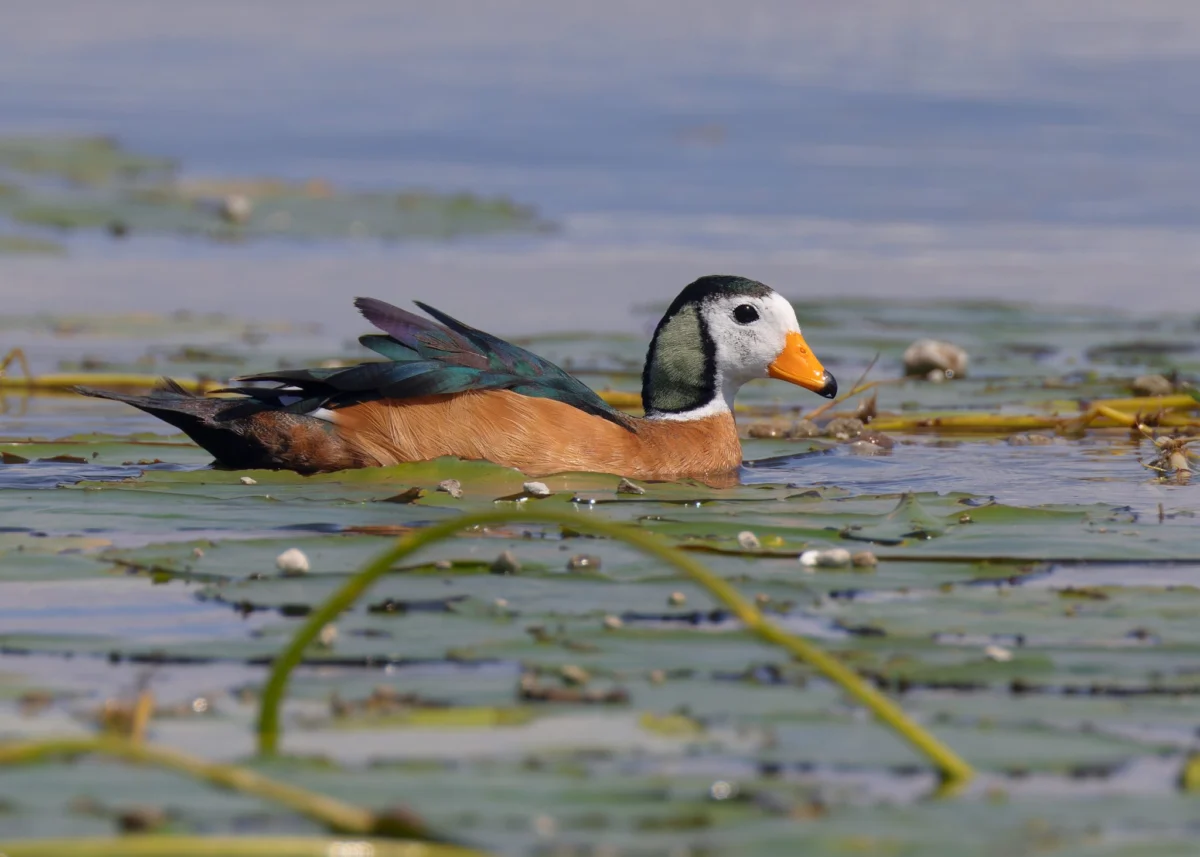
Chia Lagoon is a shallow freshwater wetland, characterized by a mosaic of open water, exposed mudflats that emerge with seasonal water level fluctuations, and seasonally flooded grasslands that transition into surrounding agricultural landscapes. These exposed mudflats are ecological powerhouses, teeming with invertebrates that form a vital food source for both migratory and resident waterbird species. The lagoon’s rich biodiversity includes notable species such as the Black Heron, Ring-necked Dove, Lesser Masked Weaver, African Jacana, and the diminutive African Pygmy-goose. For migratory birds, Chia Lagoon serves as a critical feeding ground, a vital resting point during their arduous journeys, and a safe refuge during the non-breeding season. Its ecological productivity and strategic location make it an indispensable link in the broader African-Eurasian Flyway network.
A Decade of Dedication: Building Momentum for Conservation
The conservation efforts at Chia Lagoon, bolstered by the ERF project, represent a culmination of sustained work. Over the past three years, with significant support from the Darwin Initiative, WESM has undertaken the first comprehensive biodiversity and ecological assessment of Chia Lagoon. This landmark study is particularly noteworthy as Chia Lagoon was an unprotected wetland before this initiative, underscoring the urgent need for such detailed assessments in overlooked yet ecologically vital areas.

The data gathered from this assessment has been instrumental in informing conservation strategies. WESM’s regular waterbird monitoring, conducted over more than two years, has revealed a promising increase in bird records since 2023. The initial dataset recorded 68 species, a figure that has now surpassed 110, indicating a potentially positive response to the conservation measures being implemented.
Empowering Communities: Local Stewardship for Global Impact
A cornerstone of WESM’s approach is the active engagement and empowerment of local communities. Recognizing that effective conservation is intrinsically linked to community buy-in and participation, WESM has established 18 bird hunting clubs. These clubs play a crucial role in fostering responsible practices, holding local hunters accountable for adhering to hunting quotas, target species, and approved methods. Furthermore, 12 members from these clubs have received specialized training for continuous monitoring and awareness-raising activities within their communities and among stakeholders. This localized approach ensures that conservation efforts are not only ecologically sound but also socially integrated and sustainable.
Beyond Chia Lagoon, WESM’s broader advocacy efforts have also yielded significant results. The organization has been instrumental in mobilizing local leaders, the Friends of Mulanje organization, and the broader community to voice their opposition to bauxite mining in the iconic Mulanje Mountain, a site of immense natural and cultural heritage. Mulhakho wa Alomwe, a prominent cultural group that directly benefits from Mulanje Mountain, has strongly opposed any mining ventures. The successful evacuation of miners from the mountain by local communities and the district council, even without direct intervention from NGOs or WESM, is seen as a testament to the growing power of local environmental activism, a success directly attributed to the project’s support from the ERF.

Addressing the Challenges: Navigating Complex Threats
Despite these successes, the work of conserving Chia Lagoon and its avian inhabitants is fraught with challenges. A central dilemma lies in balancing the imperative for wetland protection with the need to ensure tangible benefits for the local community. While the project’s primary focus is on birds, the intertwined nature of the ecosystem means that other activities, such as fisheries, can pose indirect threats, particularly concerning aquatic vegetation. The establishment of new docks and fishing activities within designated bird sanctuaries, which often coincide with fish sanctuaries, present a significant challenge to the lagoon’s ecological integrity.
Invasive alien species, notably Azolla and Water Hyacinth, also pose a considerable threat to the habitat. The removal of these aggressive plants is complicated by the presence of crocodiles, which pose a safety risk to human efforts. WESM is actively seeking feasible and safe methodologies for their eradication, a complex undertaking that requires careful planning and execution.
The Whiskered Tern: An Ambassador for Global Connectivity
When asked to identify a single species that best represents the African-Eurasian Flyway, Blessings Chingagwe unequivocally chooses the Whiskered Tern. This long-range migratory bird, arriving in Malawi with the December rains, embodies the essence of global connectivity. "If we are to protect the Whiskered Tern," Chingagwe explains, "we mean to protect every marsh, lake, river and wetland along its path. This is a perfect ambassador of the flyway because it knows no boundaries." The Whiskered Tern’s journey highlights how the fate of a small wetland in Malawi is intrinsically linked to the health of ecosystems thousands of kilometers away, emphasizing that the protection of this single species necessitates a commitment to safeguarding its entire migratory route.

Moments of Joy and Unexpected Discoveries in the Field
The work in the field is not without its moments of unexpected humor and unique encounters. Chingagwe recounts an amusing anecdote about a bird locally known as "Jane Tambala." Initially, the name sparked confusion, with the team diligently trying to identify the species, only to discover that "Jane Tambala" was, in fact, one of the participants in their monitoring activities. The mystery was solved when an African Jacana was later identified as the bird in question, leading to a lighthearted moment of local nomenclature meeting ornithological science.
Another common, and often humorous, occurrence involves the community’s perception of WESM’s work. When asked about their activities, passers-by frequently inquire if the team is "feeding" the birds or if they are involved in a "wild bird rearing project." This highlights a gap in understanding between conservation efforts focused on habitat protection and management, and a more direct, hands-on approach to animal care. Bridging this knowledge gap through continued community engagement is a crucial aspect of WESM’s mission.
A Beacon of Hope: Data, Awareness, and Future Aspirations
Despite the multifaceted challenges, Chingagwe expresses a profound sense of optimism. "What makes me optimistic is that we now have solid scientific data for the first time, along with growing community awareness," she states. The increasing understanding among local stakeholders regarding the value of their wetland resources is transforming conservation into a shared responsibility, offering genuine hope for long-term protection.

This growing local commitment has already yielded significant policy shifts. The District Council, influenced by the project’s findings and community engagement, has initiated discussions on developing a comprehensive management plan for the wetland ecosystem. Furthermore, the Department of National Parks and Wildlife, the focal point for the Convention on the Conservation of Migratory Species, has expressed interest in proposing Chia Lagoon as a Ramsar site, a designation that would bring international recognition and support for its conservation.
Looking Ahead: The Broader Impact and Legacy
The work undertaken by WESM, supported by the ERF and the Darwin Initiative, extends beyond the immediate protection of Chia Lagoon and its avian residents. It serves as a powerful model for flyway conservation, demonstrating the critical importance of:
- International Collaboration: Partnerships between organizations like RSPB and local BirdLife Partners are essential for addressing transboundary conservation challenges.
- Community Empowerment: Engaging local communities as active participants and stewards of their natural resources is fundamental to long-term success.
- Data-Driven Conservation: Comprehensive ecological assessments and ongoing monitoring provide the scientific foundation for effective conservation strategies.
- Advocacy and Policy Influence: Raising awareness and advocating for policy changes can lead to the formal protection of critical habitats.
The implications of this work are far-reaching. By safeguarding vital stopover sites like Chia Lagoon, conservationists are not only protecting individual species but also maintaining the intricate ecological web that supports global biodiversity. The success of these initiatives contributes to the health of the planet’s natural systems, ensuring that future generations can witness the awe-inspiring spectacle of migratory birds traversing the skies, a testament to the enduring power of nature and the dedication of those who protect it. The ERF’s commitment to rejuvenating degraded landscapes and promoting local environmental activism, coupled with the Darwin Initiative’s support for biodiversity research and conservation, provides a robust framework for continuing this vital work across the African-Eurasian Flyway and beyond.

