


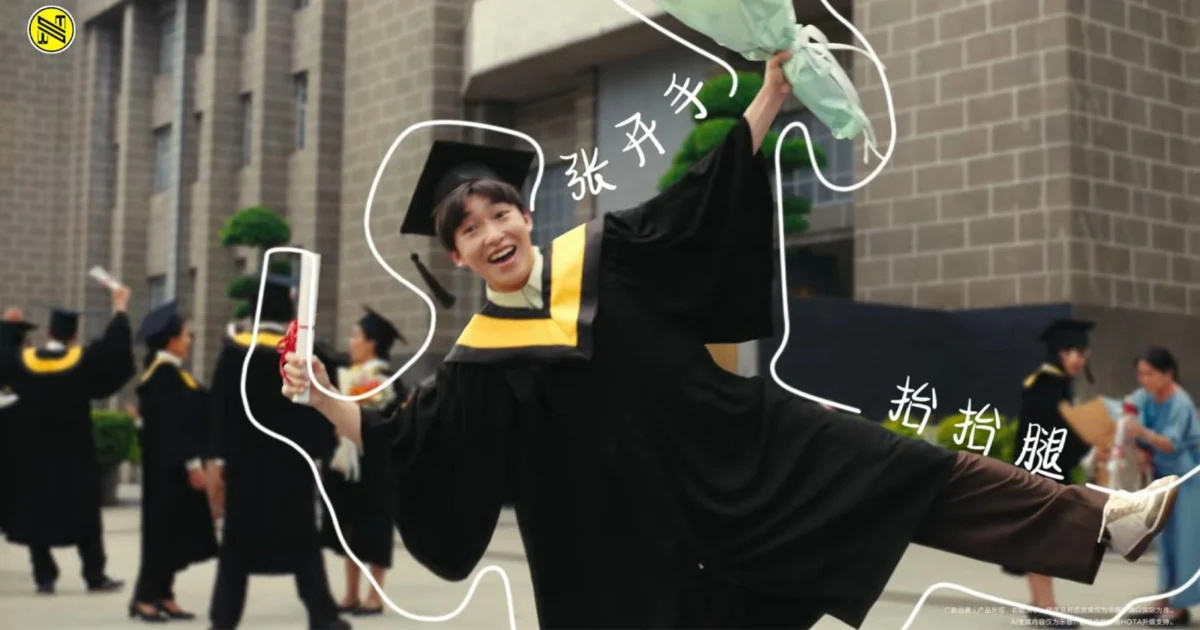
The global smartphone industry is witnessing a significant shift in the application of artificial intelligence, moving beyond background removal and image enhancement toward active creative direction. Huawei, the Chinese telecommunications and consumer electronics giant, has recently teased its upcoming flagship smartphone lineup, the Pura 90 series, highlighting a pioneering feature known as "AI Pose Suggestions." This functionality, designed to provide real-time guidance to photography subjects, marks a departure from traditional mobile camera features by integrating aesthetic coaching directly into the user interface. By offering augmented reality (AR) outlines that suggest specific postures and movements, Huawei aims to address a common pain point for amateur photographers and their subjects: the difficulty of achieving natural and visually appealing compositions.
The introduction of AI Pose Suggestions comes as Huawei continues to reposition its high-end smartphone portfolio. Earlier this year, the company rebranded its long-standing "P" series—famed for its photography-centric innovations—to the "Pura" brand. The Pura name, derived from the concept of purity and beauty, signifies a renewed focus on design and artistic expression. The Pura 90 series is the latest manifestation of this philosophy, blending high-end optical hardware with sophisticated software algorithms that seek to democratize professional-level portraiture.
The Evolution of the AI Pose Feature and Cultural Context
The promotional materials released by Huawei for the Pura 90 series feature a lighthearted take on contemporary photography habits, specifically addressing the ubiquity of the "V-sign" or peace sign in East Asian photography. For decades, the two-fingered gesture has been the default pose for millions of people across China, Japan, and South Korea. Historical records suggest the trend gained massive popularity in the early 1970s. While some attribute its rise to the American figure skater Janet Lynn during the 1972 Sapporo Winter Olympics, others point to a highly influential 1980s advertising campaign by Konica featuring the Japanese actor Jun Inoue. Regardless of its origin, the gesture has become so prevalent that it is often viewed as a photographic cliché.
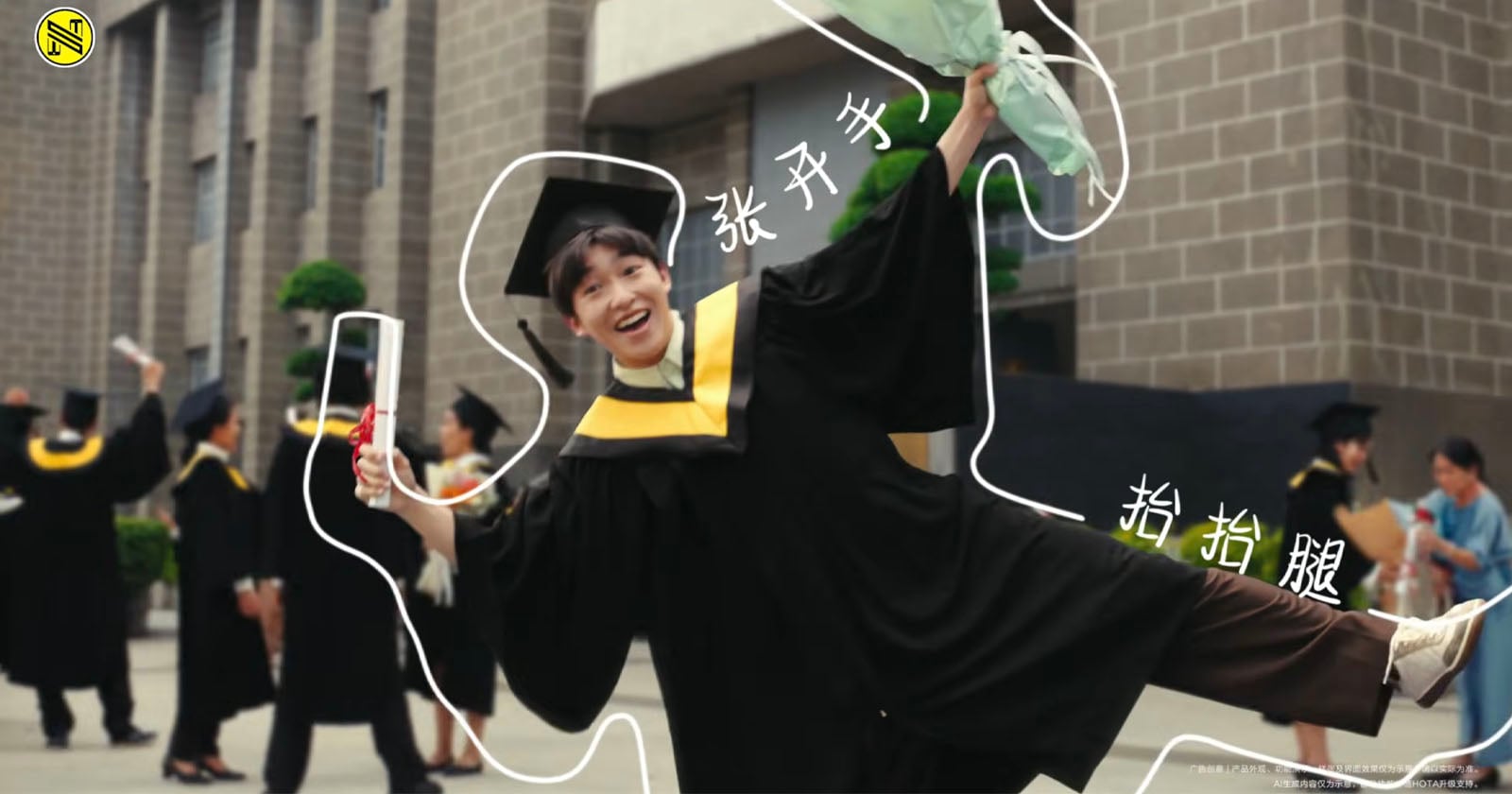
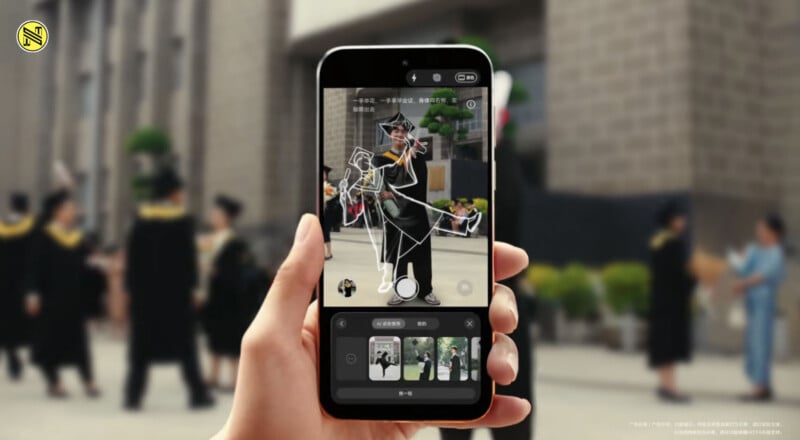
Huawei’s AI Pose Suggestions feature is positioned as a sophisticated alternative to these repetitive habits. When activated via a dedicated button within the Camera application, the software utilizes computer vision to analyze the scene and the subject. It then overlays a stylized drawing outline on the viewfinder, suggesting a variety of postures—such as a specific leg placement, a tilt of the head, or the positioning of arms—to create more dynamic and flattering shots. The narrator in the teaser video, translated from Chinese, emphasizes that "looking good is actually simple," suggesting that the AI acts as a digital creative director that bridges the gap between a casual snapshot and a professional photoshoot.
Technical Specifications and Hardware Innovations
While the AI Pose Suggestions feature serves as a unique selling point for the software suite, the hardware underlying the Pura 90 series is equally ambitious. According to industry reports and leaks, the Pura 90 Pro Max is expected to feature a groundbreaking 200-megapixel telephoto lens. This sensor is rumored to support up to 20x digital zoom while maintaining high levels of clarity, a feat that would place it at the top of the competitive mobile zoom category. The primary camera is expected to utilize a one-inch type sensor capable of producing 50-megapixel images, providing the high dynamic range and low-light performance necessary for professional-grade photography.
This focus on extreme hardware capability is a continuation of the innovations seen in the Pura 80 Ultra. The predecessor model gained international attention for its "lens-swapping" or retractable lens technology, which allowed the camera to maintain a large sensor and high-quality optics without a permanently protruding camera bump. The Pura 80 series also introduced a sophisticated moving prism system that allowed two telephoto lenses to share optical designs while providing different focal lengths, effectively offering both 3.7x and 9.4x optical zoom.
The Pura 90 series appears set to refine these mechanical innovations while leaning more heavily into the "XMAGE" imaging brand, which Huawei launched after its partnership with Leica concluded. XMAGE represents Huawei’s independent research and development in the field of optical systems, mechanical structures, and imaging technology. By combining these hardware advancements with AI-driven creative tools like Pose Suggestions, Huawei is attempting to create a comprehensive ecosystem where the device handles both the technical complexity of the light capture and the artistic complexity of the composition.
A Chronology of Huawei’s Photography Leadership
The development of the Pura 90 series should be viewed within the broader timeline of Huawei’s efforts to dominate the mobile imaging market despite significant geopolitical challenges.
In 2016, the launch of the Huawei P9 marked the beginning of a transformative era for the company, as it introduced the first dual-camera system co-engineered with Leica. This partnership helped establish Huawei as a leader in mobile photography. By 2018, the P20 Pro introduced the "Night Mode" that revolutionized low-light photography, and the P30 Pro in 2019 brought periscope zoom lenses to the mainstream.
Following the imposition of U.S. trade restrictions in 2019, which limited Huawei’s access to American-made chips and Google Mobile Services, the company shifted its focus toward self-reliance in both hardware (Kirin processors) and software (HarmonyOS). The rebranding of the P series to Pura in 2024 was a strategic move to signal a fresh start. The Pura 80 series demonstrated that Huawei could still produce world-class camera hardware using domestic supply chains. The upcoming Pura 90 series, scheduled for formal unveiling on April 20, represents the next step in this journey, proving that the company can continue to innovate in the AI space even as competitors like Samsung and Google release their own AI-centric devices.
The Competitive Landscape of AI in Mobile Imaging
The launch of the Pura 90 series occurs at a time when "AI" has become the primary marketing term for the smartphone industry. Samsung’s "Galaxy AI" and Google’s "Gemini" integration have set a high bar for what consumers expect from their devices. However, most current AI features in smartphones are reactive; they allow users to remove unwanted objects, move subjects within a frame after the photo is taken, or generate missing parts of an image.
Huawei’s AI Pose Suggestions represent a proactive approach to AI. Instead of fixing a bad photo after it has been taken, the technology attempts to ensure a good photo is taken in the first place. This distinction is significant for the broader photography industry. For years, professional photographers and educators have built businesses around teaching posing techniques—how to elongate the body, how to catch the light, and how to convey emotion through posture. By automating this knowledge, Huawei is effectively embedding decades of portraiture expertise into a consumer device.
Industry analysts suggest that this feature could have a profound impact on social media trends. As users adopt more varied and professional-looking poses guided by their phones, the visual language of platforms like Instagram, Douyin, and Xiaohongshu may evolve. It also raises questions about the future of photography education; if a smartphone can provide real-time coaching, the barrier to entry for high-quality portrait photography is lowered significantly.
Broader Implications and Market Expectations
The official unveiling of the Pura 90 series on April 20 is expected to provide more details on the availability and pricing of the devices. While Huawei’s market share in Western countries remains limited due to the absence of Google services and 5G licensing complexities, the company has seen a massive resurgence in the Chinese domestic market. The Pura 90 series is expected to be a major driver of growth, appealing to a consumer base that prioritizes camera quality and technological novelty.
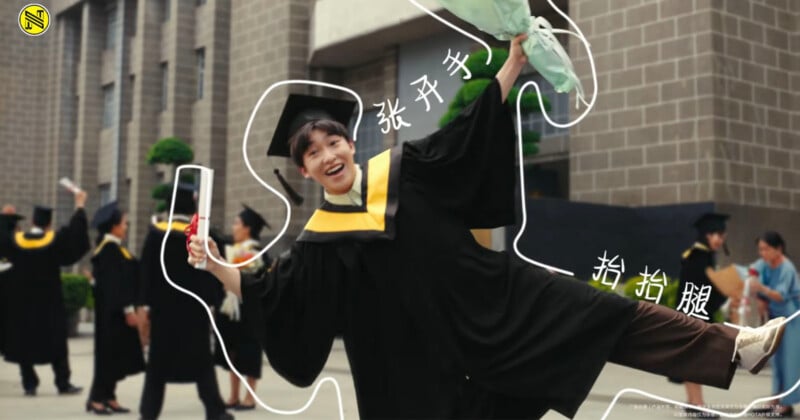
Furthermore, the Pura 90’s AI capabilities hint at a future where the smartphone acts as a mentor rather than just a tool. If the AI can suggest poses, it may soon suggest lighting adjustments, background changes, or even "direct" the subject to speak or move in specific ways for video content. This level of integration between AI and the creative process is likely to be the next major battlefield for smartphone manufacturers.
As the industry moves toward the April 20 launch, the focus remains on whether these AI features will be perceived as genuine innovations or mere gimmicks. However, given Huawei’s track record of introducing hardware features that eventually become industry standards—such as high-megapixel sensors and periscope zooms—the AI Pose Suggestions feature may very well be the precursor to a new era of "intelligent" photography. For now, the Pura 90 series stands as a testament to Huawei’s resilience and its commitment to pushing the boundaries of what is possible in the palm of a hand. By addressing the cultural habit of the V-sign and replacing it with a library of AI-driven aesthetic choices, Huawei is not just selling a phone; it is attempting to change how people present themselves to the world.

