


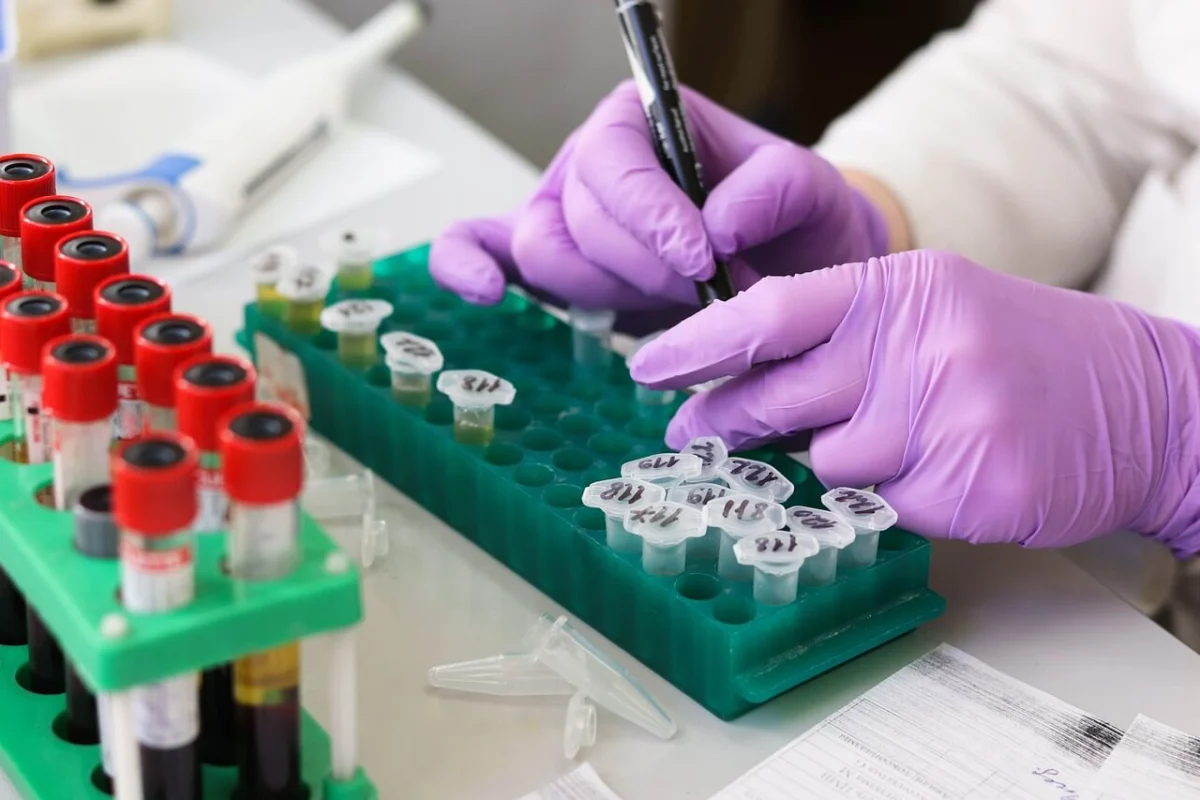
The United States National Institutes of Health (NIH) has officially recognized a multidisciplinary team, including scientists from People for the Ethical Treatment of Animals (PETA), with the prestigious NIH Replication Prize. This award acknowledges the group’s rigorous efforts to address one of the most persistent and costly hurdles in modern biomedical research: the inherent unreliability of animal-derived antibodies. By championing and validating "recombinant" or animal-free antibody technology, the team has provided a roadmap for resolving the "reproducibility crisis" that has long plagued the scientific community.
Antibodies are the workhorses of the laboratory. These proteins are essential for identifying and binding to specific molecules, such as viruses, bacteria, or cancer cells, allowing researchers to visualize and track biological processes. However, for decades, the production of these tools has relied on the immune systems of live animals. This process is not only ethically fraught but, as the NIH-recognized research demonstrates, scientifically flawed. The transition toward sequence-defined, recombinant antibodies represents a paradigm shift that promises to enhance the precision of global medical research while sparing millions of animals from laboratory use.
The Science of Unreliability: The Reproducibility Crisis
The core issue addressed by the award-winning team is the lack of consistency in antibodies harvested from animals. In traditional production, animals such as rabbits, mice, goats, and sheep are injected with a target antigen. Their bodies produce antibodies in response, which are then harvested from their blood or tissue. Because this process relies on a living biological system, no two batches are identical. Even antibodies taken from the same animal at different times can exhibit variations in binding affinity and specificity.
This biological "drift" has led to what many experts call a "colossal problem" in science. A landmark study cited by the PETA science group revealed that nearly one-third of commercially available antibodies do not perform as advertised; they either fail to bind to the intended target or stick to the wrong molecules entirely. When a researcher uses an unreliable antibody, the entire experiment can be invalidated. This results in "false positives," where a drug appears to work when it does not, or "false negatives," where a potential breakthrough is discarded due to a faulty detection tool.
The economic impact of this unreliability is staggering. Estimates suggest that billions of dollars in research funding are wasted annually on experiments that cannot be replicated due to poor-quality reagents. By winning the NIH Replication Prize, the PETA-led team has highlighted that the solution lies in moving away from animal models and toward synthetic, DNA-based production methods.
The Ethical Toll of Traditional Antibody Production
Beyond the scientific limitations, the production of animal-derived antibodies involves significant animal welfare concerns. Every year, millions of animals are utilized in this industry. These individuals are often kept in sterile, confined environments and subjected to repeated invasive procedures.
One of the most controversial methods involves the production of monoclonal antibodies via the "ascites" method. In this process, mice are injected with tumor cells to induce the growth of large fluid-filled tumors in their abdomens. This fluid, rich in antibodies, is then drained via needles. The procedure is known to cause immense physical distress, often leaving the animals unable to breathe, walk, or eat properly before they are eventually killed.
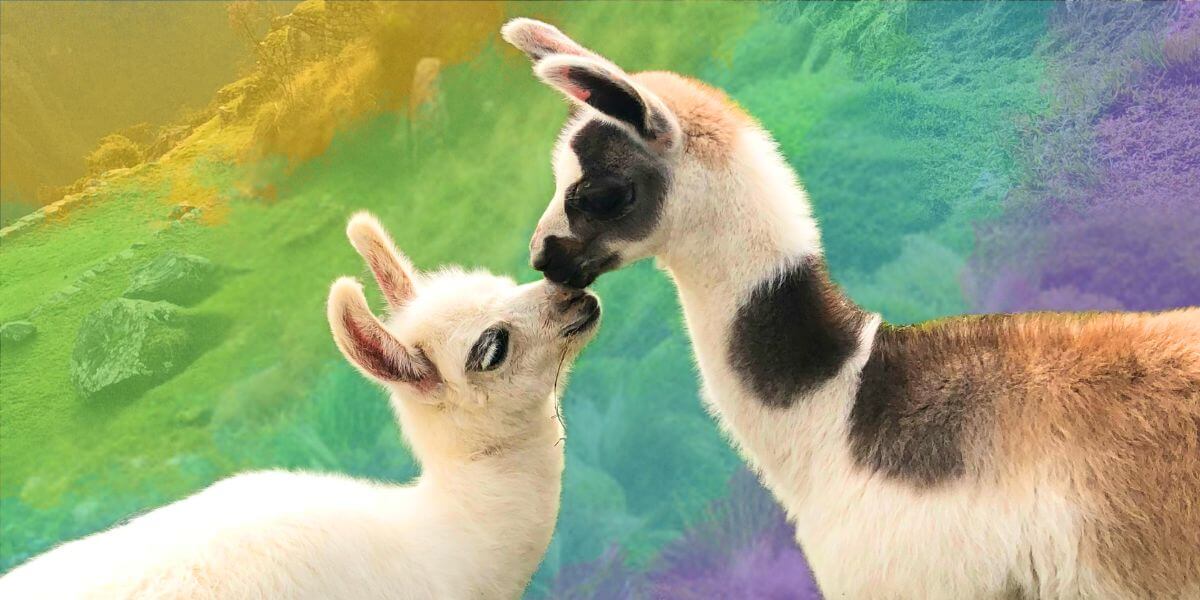
While some laboratories have moved toward less painful extraction methods, the fundamental reliance on animals remains a barrier to both ethical progress and scientific standardization. The species involved—ranging from small rodents to large mammals like horses and llamas—possess complex social and emotional lives that are fundamentally incompatible with the rigors of industrial antibody production.
Recombinant Technology: A Sequence-Defined Future
The alternative recognized by the NIH is recombinant antibody technology. Unlike traditional methods, recombinant antibodies are produced in a laboratory setting using known DNA sequences. These sequences are inserted into cell lines (such as yeast, bacteria, or mammalian cells) which then "manufacture" the antibodies according to a precise genetic blueprint.
The advantages of this technology are multifaceted:
- Infinite Reproducibility: Because the DNA sequence is known and stored, the antibody can be produced identically every time, forever. This eliminates batch-to-batch variation.
- High Specificity: Scientists can "engineer" the antibodies to have a much stronger and more specific grip on their targets than those produced naturally by an animal’s immune system.
- Speed and Scalability: Recombinant methods can often produce results faster than waiting for an animal’s immune response to mature.
- Animal-Free: No animals are used at any stage of the production process, aligning scientific practice with modern ethical standards.
The PETA scientists and their collaborators focused their efforts on three strategic avenues to ensure this technology becomes the industry standard: the creation of new high-quality non-animal antibodies, increasing market accessibility for these tools, and educating the next generation of researchers on their benefits.
Chronology of a Scientific Shift
The move toward animal-free antibodies has been gaining momentum for several years, driven by both ethical advocacy and a desperate need for better data.
In 2020, the European Union Reference Laboratory for alternatives to animal testing (EURL ECVAM) issued a strong recommendation stating that animals should no longer be used for antibody production and that recombinant alternatives should be the default. This was a pivotal moment that provided the regulatory backing needed for PETA and other scientific groups to push for change in the United States.
Following this, PETA scientists partnered with national agencies and industry experts to draft comprehensive plans for a large-scale transition. They published reviews showing that for the majority of commonly used animal-derived antibodies, high-quality recombinant replacements already exist on the market. The challenge was not the lack of technology, but a lack of awareness and a "status quo" bias within the scientific community.
The awarding of the NIH Replication Prize in May 2026 serves as a crowning achievement in this timeline. It signals that the highest levels of the U.S. medical establishment now recognize that animal-free science is not just an ethical preference, but a requirement for rigorous, reproducible research.

Supporting Data and Economic Implications
The shift to recombinant antibodies is supported by data demonstrating the high failure rates of traditional reagents. In the "Reproducibility Project: Cancer Biology," a massive effort to replicate high-impact cancer studies, researchers found that many experiments failed specifically because the antibodies used in the original studies were no longer available or the new batches performed differently.
From an economic perspective, the transition is equally compelling. The global research antibody market is valued at billions of dollars. By switching to sequence-defined recombinant antibodies, the scientific community can drastically reduce the $28 billion currently lost each year in the U.S. alone on irreproducible preclinical research. Furthermore, recombinant antibodies can be synthesized using "phage display" libraries—massive collections of billions of different antibody genes—which allow for the rapid identification of binders for almost any target, including those that are toxic or poorly immunogenic in animals.
Broader Impact and the Path Forward
The implications of this NIH award extend far beyond the walls of the laboratory. For patients awaiting new treatments, the use of more reliable research tools means that drug development pipelines will become more efficient. When the foundational science is built on a "rock" of reliable recombinant antibodies rather than the "sand" of variable animal-derived ones, the transition from the bench to the bedside is faster and more successful.
Regulatory bodies are also taking note. The U.S. Food and Drug Administration (FDA) has increasingly signaled its openness to non-animal testing methods through initiatives like the FDA Modernization Act 2.0. The validation provided by the NIH Replication Prize adds further weight to the argument that animal-derived reagents are an obsolete technology.
However, challenges remain. Many researchers continue to use animal-derived antibodies because they are familiar or because they have "always done it that way." PETA’s three-part strategy—development, accessibility, and education—is designed to dismantle these barriers. By providing scientists with the data and the resources to make the switch, they are ensuring that the transition is not just possible, but inevitable.
The recognition of PETA scientists by the NIH marks a significant moment in the history of science. It demonstrates that the goals of animal advocates and the goals of the scientific establishment are increasingly aligned: both seek a future where research is defined by precision, transparency, and the highest ethical standards. As recombinant technology continues to gain ground, the use of animals as "bioreactors" will likely be viewed as a primitive chapter in the history of medicine, replaced by a new era of sequence-defined, animal-free innovation.

