


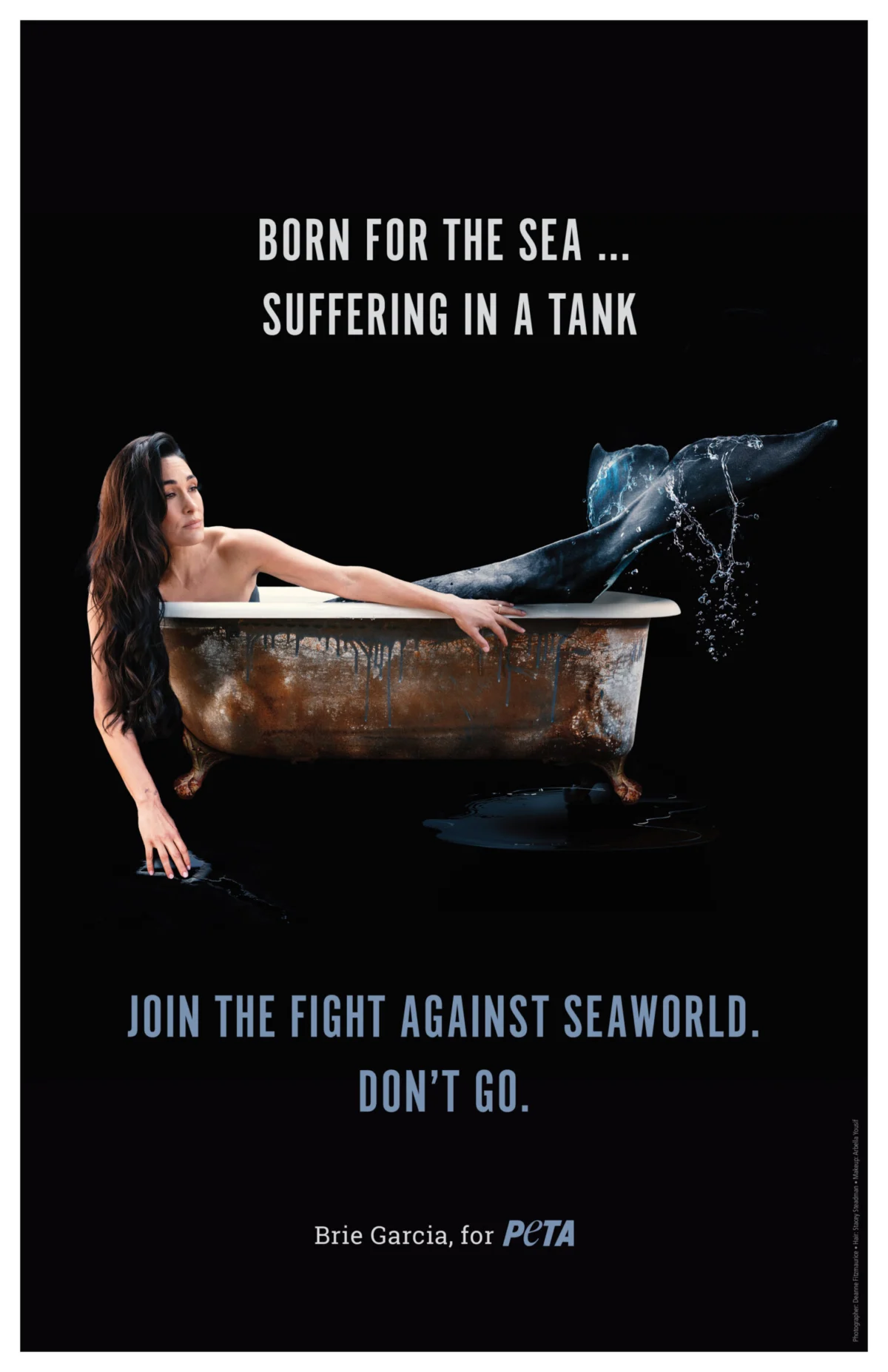
Professional wrestler and San Diego native Brie Garcia, known globally to millions of fans as Brie Bella, has officially partnered with People for the Ethical Treatment of Animals (PETA) to launch a high-profile advocacy campaign targeting the confinement of marine mammals at SeaWorld parks. The campaign, timed to coincide with the onset of the busy summer tourism season, features Garcia in a somber visual representation designed to highlight the disparity between the vast natural habitats of cetaceans and the restrictive concrete tanks found in marine amusement parks. Garcia’s involvement marks a significant escalation in the ongoing public relations and ethical debate surrounding the maintenance of orcas and dolphins in captivity for human entertainment.
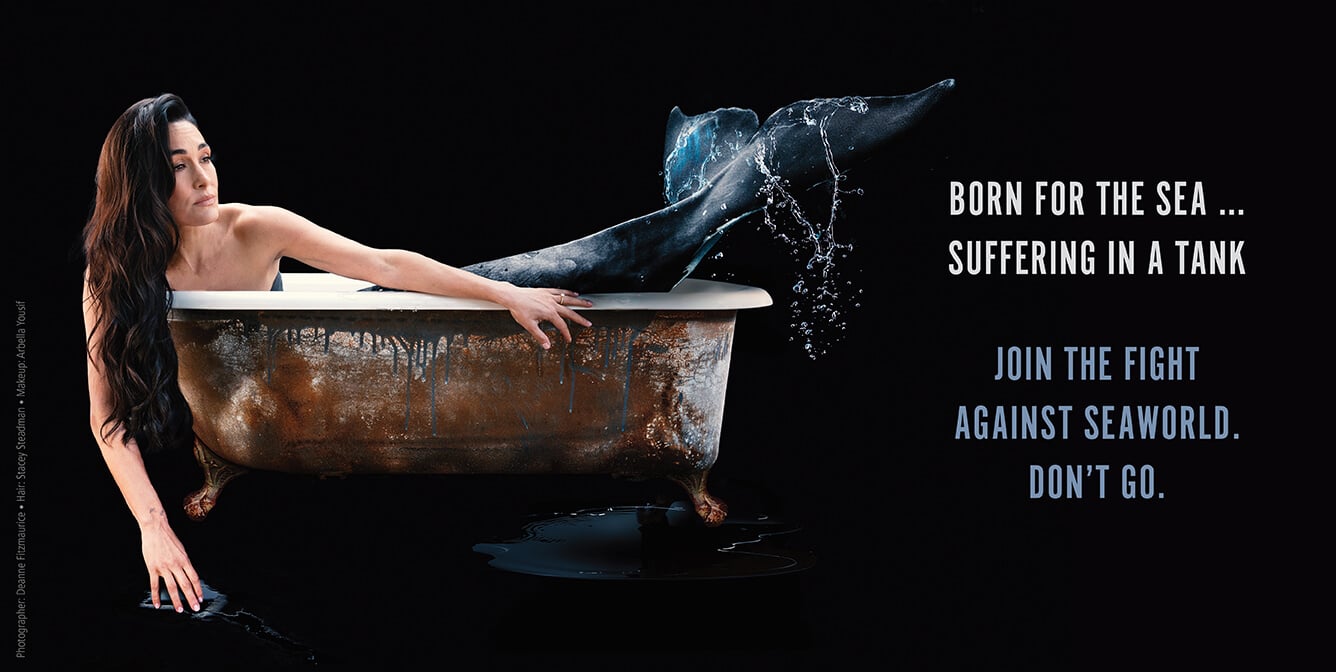
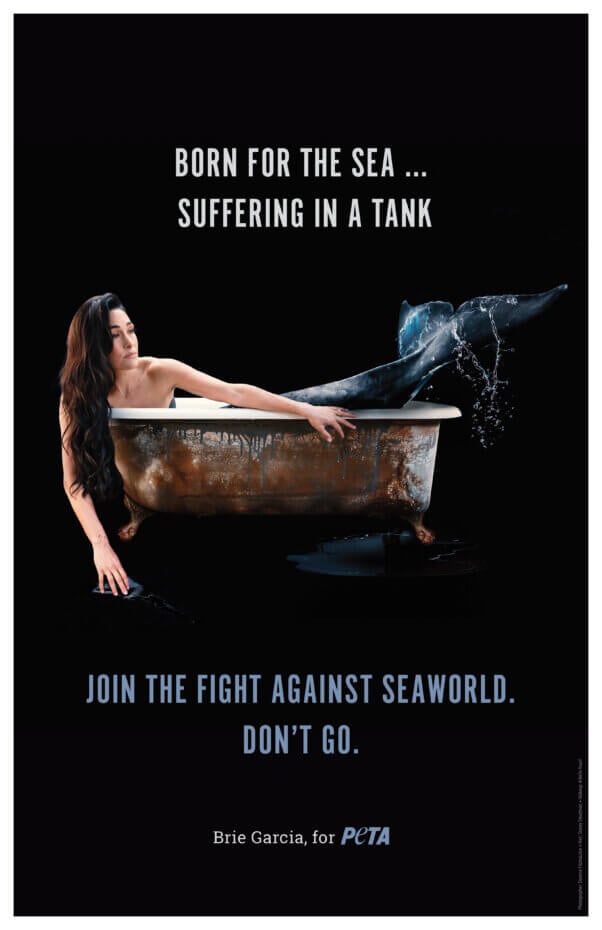
The centerpiece of the campaign is a striking visual of Garcia seated in a domestic bathtub, an image intended to serve as a metaphor for the cramped living conditions experienced by marine mammals. This visual rhetoric aims to humanize the plight of intelligent, emotionally complex animals that are denied the ability to engage in natural behaviors, such as swimming long distances or maintaining stable social structures. By leveraging her significant platform and her connection to San Diego—the home of SeaWorld’s flagship park—Garcia is calling on the public to boycott marine parks and demanding that the corporation transition its remaining animals to seaside sanctuaries.
Direct Confrontation at the Annual Shareholder Meeting
Beyond the visual campaign, Garcia took the unconventional step of participating in SeaWorld’s virtual annual meeting. Utilizing PETA’s status as a shareholder in the company, Garcia addressed the board of directors and executive leadership directly. Her inquiry was pointed, focusing on the long-term viability of the company’s current model: “When will SeaWorld stop breeding dolphins and send them to seaside sanctuaries, where they can thrive in a more natural environment?”
This direct engagement reflects a broader strategy employed by animal rights organizations to influence corporate policy from within. By addressing the leadership during an official governance event, Garcia and PETA are forcing a public record of the company’s response to animal welfare concerns. The question specifically targets the continued breeding of bottlenose dolphins and other small cetaceans, a practice that continues at SeaWorld despite the company’s 2016 decision to end its orca breeding program.
Background: The Evolution of Public Sentiment Toward Marine Captivity
The partnership between Garcia and PETA occurs against a backdrop of more than a decade of shifting public opinion regarding marine mammal captivity. The 2013 documentary Blackfish, which chronicled the life of the orca Tilikum and the inherent dangers and ethical failures of keeping apex predators in small tanks, served as a catalyst for this shift. Since the film’s release, SeaWorld has faced significant challenges, including declining attendance, the loss of major corporate sponsorships, and a series of legal and legislative hurdles.
In response to the "Blackfish Effect," California passed the Orca Protection and Safety Act in 2016, which effectively banned the captive breeding of orcas and prohibited their use for theatrical performances in the state. While SeaWorld San Diego complied by transitioning its orca shows to "educational encounters," the company has continued to breed other species, such as bottlenose dolphins and beluga whales. Garcia’s campaign argues that the ethical concerns applied to orcas—high intelligence, complex social bonds, and the need for vast roaming space—apply equally to all cetacean species currently held by the company.
Supporting Data: The Scale of Captivity at SeaWorld Parks
To support the campaign’s claims, PETA has released data regarding the current population of marine mammals across SeaWorld’s three domestic locations in San Diego, California; Orlando, Florida; and San Antonio, Texas. According to the organization, there are currently 16 orcas imprisoned across these facilities. This includes Corky, a northern resident orca captured in 1969, who currently holds the record as the longest-held captive orca in the world.
Furthermore, the scale of dolphin captivity is even more extensive. More than 130 dolphins are reportedly housed in just seven tanks across the three parks. In the wild, bottlenose dolphins are known to travel up to 60 miles per day and dive to depths of several hundred feet. In captivity, the limitations of concrete tanks prevent these natural movements, often leading to physical and psychological distress.
Scientific studies have frequently highlighted the phenomenon of "zoochosis" in captive marine mammals—repetitive, obsessive behaviors such as gnawing on the concrete edges of tanks or floating listlessly for hours (logging). These behaviors are often cited by veterinarians and marine biologists as evidence of the chronic stress caused by confinement. Additionally, captive orcas frequently exhibit collapsed dorsal fins, a condition rarely seen in the wild, which is attributed to a lack of water pressure from deep diving and a diet consisting primarily of thawed frozen fish.
The Proposed Solution: Seaside Sanctuaries
The core demand of Garcia’s campaign is the relocation of these animals to seaside sanctuaries. Unlike traditional marine parks, seaside sanctuaries are large, netted-off areas of the actual ocean, often located in sheltered bays or coves. These environments allow animals to remain under human care and receive necessary medical treatment while experiencing natural ocean currents, tides, and the presence of other marine life.
Proponents of sanctuaries, such as the Whale Sanctuary Project, argue that these facilities represent a middle ground for animals that cannot be fully released into the wild due to long-term captivity or health issues. In a sanctuary, dolphins and orcas would have significantly more room to swim and dive, and they would no longer be forced to perform for audiences.
However, the transition to sanctuaries presents logistical and financial challenges. SeaWorld has historically resisted these calls, arguing that the animals are better off in their current facilities where they receive world-class veterinary care. The company also points to its extensive rescue and rehabilitation program, which has assisted thousands of stranded or injured marine animals, as evidence of its commitment to conservation.
Corporate and Social Implications
The involvement of a high-profile celebrity like Brie Garcia is expected to resonate particularly with younger demographics and families, who constitute SeaWorld’s primary customer base. As a former WWE Divas Champion and a star of reality television programs like Total Bellas, Garcia commands a social media following in the millions. Her advocacy brings the issue of animal welfare to a mainstream audience that may not actively follow the work of animal rights organizations.
From a corporate perspective, the pressure to evolve remains high. In recent years, SeaWorld has attempted to diversify its offerings by investing heavily in high-speed rollercoasters and thrill rides, moving away from its original identity as an animal-centric theme park. This shift suggests that the company is aware of the long-term brand risk associated with animal captivity.
Market analysts suggest that the continued focus on animal welfare by figures like Garcia could further accelerate this transition. If public sentiment continues to sour on captive animal performances, the financial viability of maintaining large cetacean populations may eventually be outweighed by the costs of maintenance and the loss of ticket sales.
Legal and Global Context
The campaign also aligns with a global trend toward banning or restricting the captivity of marine mammals. Countries such as France and Canada have passed significant legislation in recent years to phase out the keeping of whales and dolphins for entertainment. In 2019, Canada passed Bill S-203, colloquially known as the "Free Willy" bill, which bans the breeding and new captivity of cetaceans.
In the United States, while federal laws like the Marine Mammal Protection Act (MMPA) regulate the care of these animals, the push for more restrictive state-level laws continues. Garcia’s campaign serves as a public-facing extension of these legal efforts, aiming to create a cultural environment where the confinement of intelligent marine life is no longer socially acceptable.
Conclusion: A Growing Movement for Change
The partnership between Brie Garcia and PETA represents a strategic effort to keep the issue of marine mammal captivity at the forefront of public discourse. By combining emotional appeals with corporate activism and scientific data, the campaign seeks to challenge the status quo of the marine park industry.
As the summer season begins, the "Bella Army" and the general public are being asked to consider the ethics of their vacation choices. Whether SeaWorld will eventually yield to the demand for seaside sanctuaries remains to be seen, but the continued advocacy of high-profile figures ensures that the debate over the "bathtub" conditions of captive dolphins and orcas will not fade away. For Garcia, the mission is clear: to use her voice for those who cannot speak for themselves, advocating for a future where these "intelligent, emotionally complex animals" are no longer viewed as props for entertainment, but as sentient beings deserving of a life that resembles their natural heritage.

