


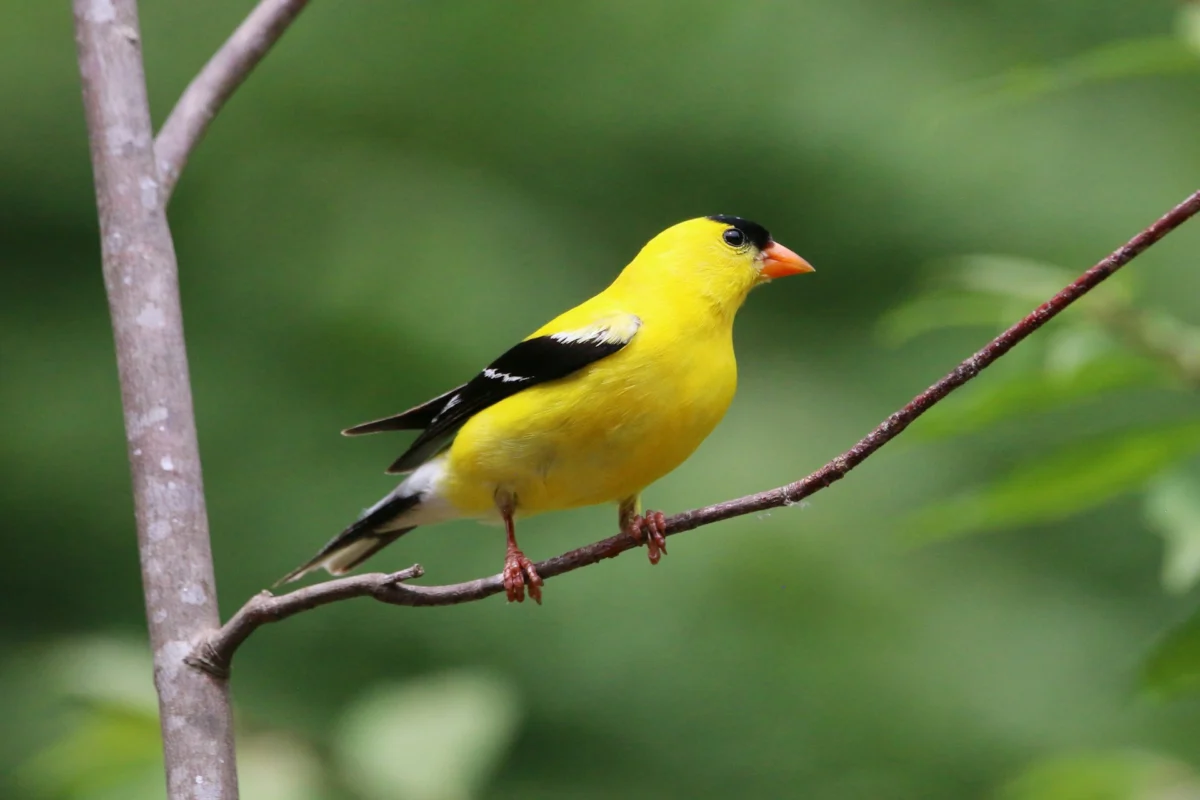
The American Goldfinch, a small songbird characterized by its brilliant yellow plumage and striking black and white wing markings, brings a vibrant splash of color and cheerful melody to any yard. While their presence is a delight year-round in some regions, attracting these lively birds to your outdoor space during the colder months requires specific strategies. This guide offers a detailed approach to creating a welcoming environment for Goldfinches throughout winter, delving into their dietary needs, habitat preferences, and behavioral patterns.
Understanding the American Goldfinch: A Year-Round Resident in Many Areas
For residents of the Northeastern United States, the American Goldfinch ( Spinus tristis ) is a familiar sight, gracing backyards across all seasons. This unique characteristic means that attracting them in winter is not about enticing a migratory species to stay, but rather about making your existing habitat exceptionally appealing and resource-rich during a time when natural food sources can become scarce. The key lies in understanding their preferences and providing consistent, high-quality provisions.
Five Essential Steps to Cultivate a Goldfinch Haven in Winter
Creating an inviting space for Goldfinches during winter is a multi-faceted endeavor that focuses on food, shelter, and water. By implementing these five key strategies, you can significantly increase your chances of observing these charming birds frequenting your yard.
Step 1: Curate a Seed-Centric Buffet
The dietary habits of American Goldfinches make them relatively easy to attract. Their primary food source consists of seeds, a resource that can be readily provided in a backyard setting. Unlike many other bird species that rely on insects or live feeds, Goldfinches’ seed-based diet simplifies the provisioning process.
The Preferred Pantry: Sunflower seeds are a universally popular choice for Goldfinches. However, their absolute favorite is often considered to be thistle seed, also known as Nyjer seed. This tiny, oil-rich seed is a powerhouse of nutrition for these small birds.
Presentation Matters: While thistle seed can be added to standard bird feeders, many bird enthusiasts opt for specialized thistle seed socks. These mesh bags allow Goldfinches to perch on the outside and extract the small seeds from between the fabric fibers. Observing this unique feeding behavior can be a particularly rewarding experience for birdwatchers.
Maintaining Freshness and Quality: In winter, moisture can become a significant challenge, leading to damp and unappealing seeds. It is crucial to ensure that the seeds offered are kept dry. Regularly checking and replacing uneaten food every three to four weeks guarantees that the offerings remain fresh and enticing. Beyond seeds, Goldfinches will also forage on the bark of young twigs and fresh tree buds, especially during periods when seeds are less accessible.
Step 2: Select the Ideal Bird Feeder
The type of bird feeder you choose plays a critical role in attracting Goldfinches and ensuring they can feed undisturbed.

Specialized Feeders for Finches: Feeders specifically designed for Goldfinches are often smaller in size, which naturally deters larger bird species. This creates a more exclusive dining experience for the finches, significantly increasing the likelihood of regular visits. Furthermore, the design of these feeders often mimics the way birds extract seeds in the wild, making your yard feel more natural and inviting.
Mesh and Tube Feeders: Mesh or tube feeders are particularly recommended for offering thistle seed. Their construction helps to keep the seeds dry, protecting them from the elements and maintaining their appeal to the birds. The small ports on these feeders are also perfectly sized for finches, further discouraging larger, less desirable visitors.
Step 3: Cultivate a Natural Landscape
Integrating native plants into your backyard landscape provides a natural food source and attractive habitat for Goldfinches, enhancing the overall appeal of your yard.
Seed-Bearing Powerhouses: Sunflowers are an excellent choice, not only for their ornamental value but also for the abundance of seeds they produce, which are a favorite of Goldfinches and other small songbirds. Asters and coneflowers are also highly attractive to finches and provide valuable seed heads throughout the fall and winter months.
The Allure of Thistle and More: Wild thistle is another plant that Goldfinches adore, especially for its seeds in early autumn. They will continue to visit these plants in winter, demonstrating remarkable precision in extracting the thin seeds. Beyond direct feeding, certain plants serve as crucial nesting materials. Cattails, dandelions, and milkweed provide downy fibers that Goldfinches use to construct their nests, adding another layer of attraction.
Avoiding Hazards: It is important to be mindful of plants that could pose a risk. For instance, burdock, with its numerous burrs, can easily entangle a Goldfinch, making it a plant to avoid in areas frequented by these birds.
Step 4: Establish a Secure Sanctuary
Beyond food and flora, creating a sense of safety and security is paramount to attracting and retaining Goldfinches in your yard.
Navigating Avian Social Dynamics: Goldfinches can be timid and may be intimidated by larger, more aggressive bird species. While smaller birds like Black-capped Chickadees and Chipping Sparrows are generally tolerated, larger birds such as Blue Jays can be a significant deterrent.
Strategic Feeder Placement: To mitigate conflicts, consider placing feeders at different heights and distances. Specialized feeders with small perches and narrow openings will naturally favor smaller birds like finches, while larger feeders can accommodate bigger species, creating a more harmonious environment for all.
The Appeal of Water Features: The inclusion of a birdbath or a small fountain can further enhance your yard’s attractiveness. Consistent access to water, especially during winter, is a significant draw for birds seeking to drink and bathe.
Step 5: Offer the Comfort of Warm Water
Providing a source of warm water during winter is a less common but highly effective strategy for attracting Goldfinches and other birds.

The Essential Role of Water: Birds require water not only for drinking but also for essential bathing, which helps maintain the cleanliness and insulation of their plumage. In winter, frozen water sources become unusable, making open water a scarce commodity.
A Lifeline in the Cold: Offering warmed water in a birdbath provides a vital resource that can significantly increase bird visits. This simple act of providing a consistent water source, especially when natural sources are frozen, can make your yard a preferred destination for Goldfinches and other feathered visitors throughout the coldest months.
Goldfinch Migration Patterns: A Tale of Two Continents
The migratory behavior of American Goldfinches varies significantly depending on their geographical location. In the Northeastern United States, populations are largely resident, meaning they do not undertake long-distance migrations and can be observed year-round. This makes consistent winter feeding strategies particularly effective in these areas.
However, Goldfinches inhabiting other parts of the North American continent exhibit migratory tendencies. These birds typically travel south to warmer climates for the winter, with some journeying as far as Mexico. Conversely, during the summer months, some Goldfinch populations may move northward, reaching as far as mid-Canada to take advantage of cooler temperatures and abundant breeding opportunities. Understanding these regional differences is crucial for birdwatchers aiming to attract them.
Seasonal Transformations: Goldfinch Appearance Through the Year
The American Goldfinch undergoes remarkable seasonal changes in appearance, particularly the males, which are most striking during the breeding season.
Summer Brilliance: In the summer, male Goldfinches are renowned for their brilliant, almost luminous yellow bodies, complemented by a distinct black cap atop their heads and black and white markings on their wings. This vibrant coloration is a key factor in attracting mates.
Winter Camouflage: As winter approaches, the male Goldfinches undergo a significant molt, their bright yellow plumage fading to a more subdued, mottled brown or buff color. This change serves as a form of camouflage, making them less conspicuous against the muted tones of the winter landscape and potentially aiding in predator evasion.
Female and Juvenile Plumage: Female Goldfinches generally exhibit a duller, more olive-yellow or brownish coloration year-round, lacking the prominent black cap of the breeding male. Juvenile birds resemble the females, often with even earthier tones. This can make distinguishing between sexes more challenging during the non-breeding season.
Understanding Goldfinch Behavior
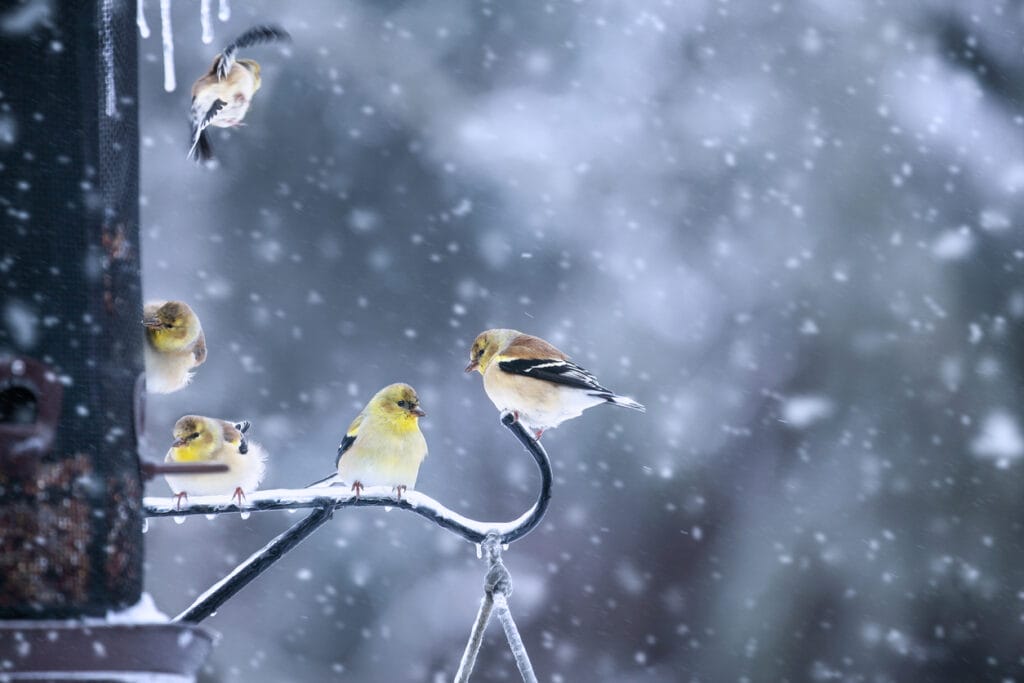
American Goldfinches, while not overtly shy, tend to exhibit cautious behavior, particularly around larger birds or potential human presence. However, their strong attraction to familiar food sources often overrides their natural apprehension.
Social Dynamics: They are generally comfortable foraging in the presence of other Goldfinches and similarly sized songbirds. This flocking behavior is common and can lead to delightful gatherings at feeders. It is important to note that these communal feeding events are less likely to occur during the late summer breeding period when birds are more focused on nesting and raising young.
Vocalization and Approach: Goldfinches are known for their distinctive vocalizations, a series of cheerful chirps and whistles that often precede their arrival. When approaching a new food source, they may exhibit a degree of nervousness, tweeting and hovering briefly before committing to feeding. This cautious approach is a natural survival instinct, allowing them to assess potential risks before settling in.
The Melodious Language of Goldfinches
The songs and calls of the American Goldfinch are a significant part of their appeal. Their vocalizations are often described as a melodic series of repetitive chirps and whistles, sometimes characterized as having an almost "robotic" quality. These cheerful sounds can be heard from a distance, signaling their presence and adding a lively soundtrack to the winter landscape. Their chatter in flight, especially when a flock is present, creates a symphony of natural sounds that can bring immense joy to any observer.
FAQ: Addressing Common Inquiries About Goldfinches
-
What is the difference between a yellow finch and a goldfinch?
While the term "yellow finch" might be used colloquially, there isn’t a distinct species officially named the "Yellow Finch" in the United States. The Yellow Warbler is a small, entirely yellow bird with reddish streaks on its breast. In contrast, the American Goldfinch, also bright yellow, is distinguished by the male’s characteristic black cap and black wing markings, particularly evident during the breeding season. -
What is the lifespan of a goldfinch bird?
In the wild, the American Goldfinch typically has a lifespan of 3 to 6 years. This can vary based on factors such as habitat quality, food availability, and predator presence. -
Are goldfinches always gold?
No, the vibrant gold coloration is primarily observed in male Goldfinches during the spring and summer breeding season as they seek mates. Outside of this period, and for females year-round, their plumage is a duller, more muted yellow-green or brownish hue, which aids in camouflage.
Conclusion: A Rewarding Endeavor for Bird Enthusiasts
Attracting American Goldfinches to your yard during winter is an achievable and deeply rewarding endeavor for any bird enthusiast. By providing their preferred seeds, utilizing appropriate feeders, cultivating a welcoming natural landscape, ensuring a safe environment, and offering the vital resource of warm water, you can transform your backyard into a consistent haven for these delightful birds. The minimal effort required to implement these strategies yields significant returns in terms of visual delight and the cheerful soundscape they bring. With a consistent commitment to these practices, your yard can become a sanctuary for Goldfinches not only in winter but throughout the year, fostering a deeper connection with the natural world.

