


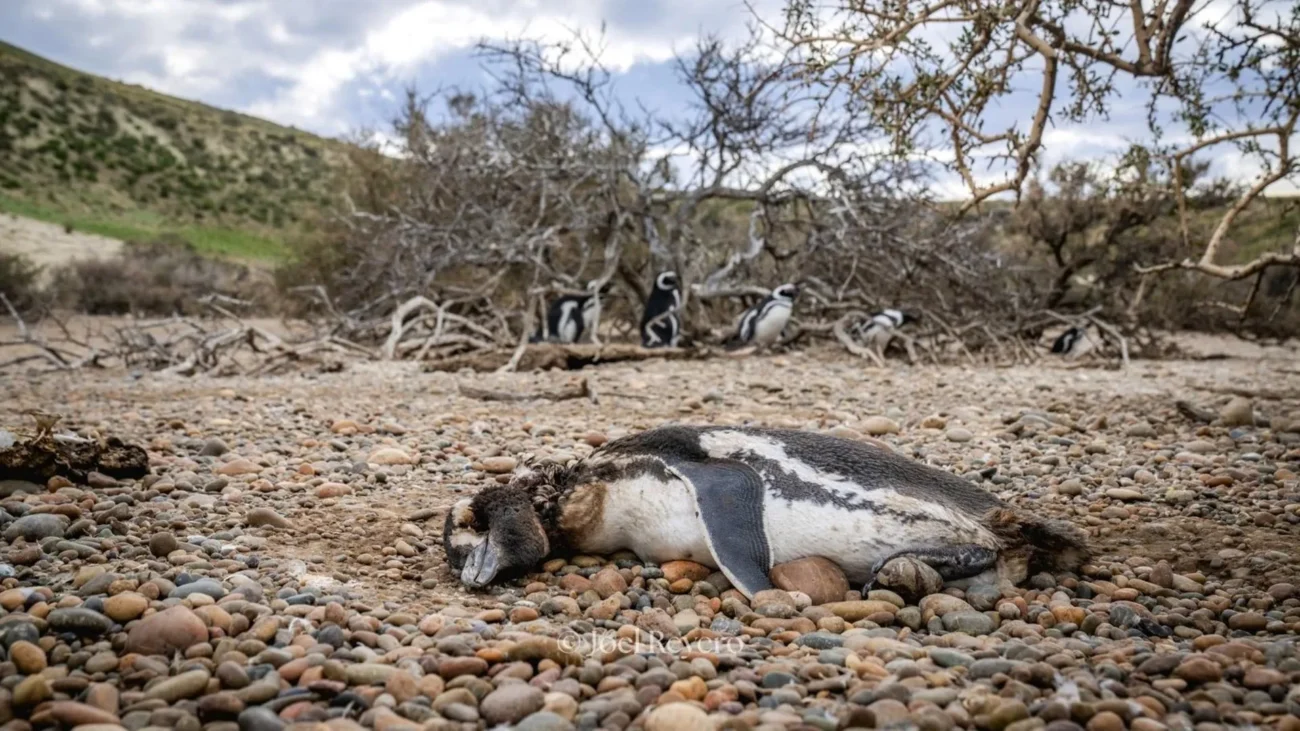
The windswept Patagonian coast of Argentina, once dominated by the quiet rhythms of cattle ranching, is now a stage for a complex conservation drama. Monte Leon National Park, a testament to the land’s recovery from decades of human alteration, faces a novel challenge: the return of apex predators, the majestic pumas, has introduced a new dynamic for the thriving colonies of Magellanic penguins. This emerging conflict, where the protection of one iconic species may inadvertently impact another, underscores the intricate and often unpredictable nature of ecological restoration in landscapes undergoing rapid change. The question at the heart of this situation is stark: how should conservation efforts prioritize species when their renewed presence creates unforeseen threats to one another?
The story of Monte Leon’s ecosystem is one of resilience and transformation. For over a century, the vast estancias of Patagonia were synonymous with extensive cattle ranching. This industry, while shaping the region’s economy and landscape, significantly altered its natural ecological processes. The introduction of non-native herbivores like cattle and sheep, coupled with fencing and the suppression of native predators, led to the displacement of many indigenous species and the simplification of food webs. The land bore the imprint of this intensive agricultural use, with many areas experiencing overgrazing and habitat degradation.
The turning point for Monte Leon, and for significant swathes of southern Argentina, came in 1990. A national decree aimed at revitalizing indigenous flora and fauna led to the phasing out of cattle ranching in many protected areas, including the region that would eventually become Monte Leon National Park, officially established in 2004. This pivotal policy shift marked the beginning of a deliberate effort to rewind the ecological clock, allowing native vegetation to regenerate and wildlife to reclaim its ancestral territories.
Pumas Reclaim Their Domain, Penguins Face a New Predator
As the vast ranches transitioned into protected landscapes, the consequences for the region’s wildlife began to unfold. Pumas ( Puma concolor ), the powerful and elusive big cats of the Americas, began to expand their range back into areas they had been largely absent from for generations. Their return, a celebrated triumph for conservationists focused on restoring predator populations, meant their ancient hunting grounds were once again their own.
Simultaneously, a different ecological story was playing out along the coastline. Magellanic penguins ( Spheniscus magellanicus ), renowned for their distinctive calls and charming waddle, had found a refuge on the mainland. For a considerable period, the absence of significant terrestrial predators had allowed them to establish large, vulnerable colonies on the Patagonian coast, moving inland from offshore islands. This expansion was a strategic adaptation to avoid predation at sea and on their traditional nesting grounds, offering a perceived safety from land-based threats.
However, the re-emergence of pumas on the mainland created an unprecedented ecological interaction. The penguins, having evolved for generations with minimal terrestrial carnivore threats, lacked the natural defenses and behavioral adaptations to evade a large, agile predator like the puma. This novel encounter transformed the penguins’ perceived safety into a new vulnerability, and for the first time in modern history, pumas began preying on these abundant seabirds.
Decades of Monitoring: Unraveling a Complex Predation Dynamic
The establishment of Monte Leon National Park in 2004 provided a crucial opportunity for scientific observation. Researchers from the Centro de Investigaciones de Puerto Deseado, affiliated with the Universidad Nacional de la Patagonia Austral, in collaboration with park rangers, initiated long-term monitoring of the penguin colonies. Their diligent work aimed to understand the ecological shifts occurring within this recovering landscape.
A significant phase of this monitoring occurred between 2007 and 2010. During this four-year period, the research team meticulously documented penguin carcasses directly attributable to puma attacks. These findings were instrumental in quantifying the scale of this new predatory pressure.
Recognizing the need for advanced analytical tools and broader scientific expertise, the research team forged a partnership with the prestigious Wildlife Conservation Research Unit (WildCRU) at Oxford University. This collaboration brought together local ecological knowledge with cutting-edge population modeling techniques to delve deeper into the implications of puma predation on the Magellanic penguin population.
Quantifying the Impact: Thousands of Penguins Fall Prey
The findings from this extensive monitoring and subsequent analysis were striking. Researchers employed carcass counts to estimate the number of adult penguins killed by pumas over the four-year study period. The numbers were substantial: an estimated more than 7,000 adult penguins were preyed upon. This figure represented approximately 7.6% of the estimated adult population of around 93,000 individuals at the time.
What further intrigued the scientists was the nature of the predation. A significant proportion of the penguin carcasses were found partially eaten or not consumed at all. This observation pointed towards a behavior that went beyond simple nutritional necessity.
Melisa Lera, a postgraduate student at WildCRU and lead author of the study, elaborated on this phenomenon. "The number of carcasses showing signs of predation we found in the colony is overwhelming," she stated. "And the fact that they were left uneaten means pumas were killing more penguins than they required for food. This is consistent with what ecologists describe as ‘surplus killing’." Lera drew a parallel to domestic cats, which, when presented with abundant or vulnerable prey, may hunt more birds than they intend to eat, often due to the ease of capture. "We needed to understand if the penguin colony’s persistence could be threatened due to this behavior," she added, highlighting the critical conservation question.
Population Models Reveal Nuances in Vulnerability
To assess the long-term implications of this "surplus killing" behavior, the research team applied sophisticated population models to their extensive data. These models are crucial tools in conservation, allowing scientists to project future population trends under various scenarios and identify the most significant drivers of population dynamics.
The results of these models offered a nuanced perspective. They indicated that puma predation alone was unlikely to drive the Monte Leon penguin colony to extinction. While the numbers of penguins killed were high, the models suggested that other factors played a far more critical role in the colony’s overall stability and future persistence.
The most influential factors identified were breeding success and the survival rate of juvenile penguins. The models projected extinction scenarios only under hypothetical conditions that combined extremely poor reproductive output – a maximum of one chick per pair – with a drastic decline in juvenile survival, where around 20% of young penguins failed to reach adulthood. In such dire hypothetical circumstances, increased puma predation would exacerbate the situation, but it would not be the primary causal agent of decline.
Dr. Jorgelina Marino, a co-author of the study also from WildCRU, emphasized the broader significance of these findings. "This study captures an emerging conservation challenge, where recovering carnivores are encountering novel prey," she commented. "Understanding how these dietary shifts affect both predators and prey is essential to inform conservation." Her statement underscores the growing recognition that as ecosystems recover, new ecological interactions emerge, requiring adaptive management strategies.
Broader Pressures: Climate Change and Emerging Threats
The critical role of breeding success and juvenile mortality in maintaining a healthy penguin population brings the spotlight to external environmental factors. The researchers strongly advocate for a deeper understanding of how environmental conditions influence penguin reproduction. Variables such as the availability of nutrients, the abundance and accessibility of food sources (primarily fish), and ambient temperatures are all known to be significantly impacted by climate change. These climatic shifts can have profound effects on the marine food web, which in turn dictates the success of penguin breeding seasons and the survival of their young.
The challenges observed at Monte Leon are not isolated incidents. Similar ecological shifts are being observed globally as land predators expand into previously inaccessible coastal environments. Mainland seabird colonies, which have often benefited from the historical absence of terrestrial predators, are becoming increasingly vulnerable.
Examples of these emerging threats abound:
- USA, Georgia Coast: Non-native feral hogs have become significant predators of loggerhead sea turtle eggs. These invasive animals, often introduced for hunting, disrupt nesting sites and decimate vulnerable eggs, posing a serious threat to the endangered sea turtle population.
- Eastern North America: Coyotes, highly adaptable canids, are increasingly expanding their range onto coastal barrier islands. This encroachment alters the delicate ecosystems of these islands, impacting native bird populations and other wildlife that have historically relied on these islands for refuge.
These parallel situations highlight a pattern: as human influence recedes from certain landscapes, allowing for natural processes to reassert themselves, new ecological pressures arise. The recovery of one species can create unforeseen challenges for others, particularly in ecosystems that have been heavily modified.
The Imperative of Continuous Monitoring and Adaptive Management
The findings from Monte Leon National Park serve as a potent reminder of the importance of sustained and comprehensive conservation efforts. The authors of the study strongly emphasize that ongoing monitoring is not merely an academic exercise but a critical tool for proactive conservation.
Early detection of population declines is paramount. By continuously tracking both puma and penguin populations, conservation managers can identify warning signs before irreversible ecological damage occurs. This allows for the implementation of timely and targeted interventions.
At Monte Leon National Park, the authorities are committed to this ongoing vigilance. They continue to meticulously track the dynamics of both puma and penguin populations, acknowledging the complex interplay of factors at play. This adaptive approach, informed by scientific data and responsive to changing ecological conditions, is essential for navigating the intricate consequences of ecosystem recovery. The goal is to foster a landscape where the resurgence of native predators and the flourishing of their prey can coexist, ensuring the long-term health and biodiversity of this remarkable Patagonian coastline. The delicate balance between predator and prey, once disrupted by human intervention, is now being painstakingly re-established, demanding careful observation and thoughtful management for generations to come.

