


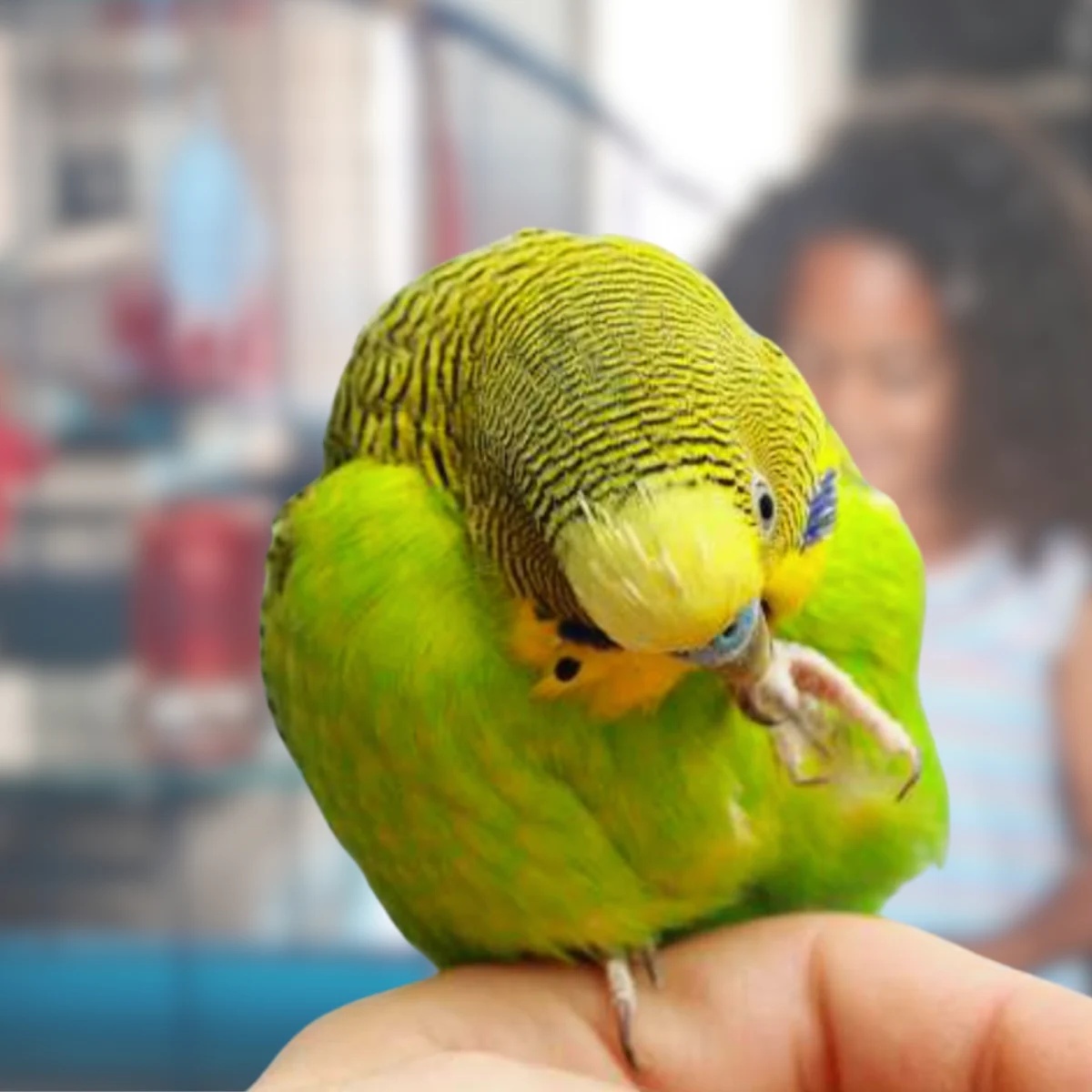
When a bird begins to chew its own feet, it signals a profound distress or underlying medical issue that demands immediate and serious attention from avian caregivers. This behavior, while less commonly reported than feather plucking, is often indicative of severe pain, irritation, psychological stress, or systemic illness, and can rapidly escalate into life-threatening conditions if left unaddressed. Unlike more superficial self-mutilation, foot chewing directly impacts the bird’s primary means of perching, mobility, and interaction with its environment, making even minor injuries prone to rapid deterioration and infection. The challenge lies in the fact that birds, as prey animals, instinctively hide signs of pain and weakness, often masking symptoms until a condition has become advanced. Therefore, bird owners must be vigilant "detectives" in observing subtle behavioral changes and understanding the critical steps required for emergency care and professional veterinary consultation.
Understanding the Behavior: Why Birds Self-Mutilate Their Feet
Bird foot chewing is not a mere quirk but a significant red flag pointing to a severe underlying problem. While precise statistics for foot chewing alone are scarce across all avian species, self-mutilation behaviors, including feather plucking and skin chewing, are recognized as significant welfare issues in captive birds. Avian experts and behavioral studies suggest that when birds engage in such extreme behaviors, something is profoundly amiss. It is crucial to differentiate this from normal preening or occasional, gentle nibbling. Persistent, aggressive, or injurious chewing of the feet warrants immediate concern.
The causes of self-mutilation in birds are multifaceted and can broadly be categorized into medical, environmental, and psychological factors.
- Medical Causes: These are often the primary drivers.
- Pododermatitis (Bumblefoot): A common bacterial infection and inflammation of the footpads, particularly in heavier birds or those on improper perches. It causes significant pain, leading to chewing.
- Arthritis or Gout: Degenerative joint diseases or metabolic conditions causing uric acid crystal deposition in joints can result in chronic pain, leading to the bird trying to alleviate discomfort by chewing.
- Trauma or Injury: Splinters, cuts, burns, or even minor abrasions can become severely painful and infected, prompting the bird to chew the affected area.
- Nerve Damage: Injury or disease affecting the nerves in the leg or foot can cause neuropathic pain, tingling, or numbness, which birds may try to "fix" by chewing.
- Infections: Fungal, bacterial, or parasitic infections (e.g., mites) on the feet can cause intense itching, irritation, and pain.
- Nutritional Deficiencies: A lack of essential vitamins (especially Vitamin A) or minerals can compromise skin and feather health, making feet more susceptible to irritation and infection.
- Systemic Illnesses: Kidney disease, liver issues, or other internal ailments can manifest as discomfort or pain in the extremities.
- Heavy Metal Toxicity: Exposure to lead, zinc, or other heavy metals can cause neurological damage and generalized pain, which may lead to self-mutilation.
- Masses or Tumors: Growths on the foot can cause discomfort and lead to chewing.
- Environmental Factors:
- Inadequate Perching: Incorrect perch sizes, materials (e.g., all dowel perches), or rough surfaces can lead to pressure sores and foot pain.
- Poor Cage Hygiene: A dirty cage or perches can harbor bacteria, leading to infections.
- Low Humidity: Dry skin can become itchy and flaky, especially in species originating from humid climates.
- Allergens or Irritants: Exposure to harsh cleaning chemicals, aerosols, or environmental irritants.
- Psychological Factors:
- Stress and Anxiety: Birds are highly sensitive creatures. Changes in environment, new pets, loud noises, lack of routine, or separation anxiety can induce severe stress.
- Boredom and Lack of Enrichment: Highly intelligent species, like Cockatoos and African Greys, require constant mental stimulation. Without it, they can develop obsessive-compulsive behaviors, including self-mutilation.
- Trauma: A past negative experience or persistent fear can manifest as self-injurious behavior.
- Species Predisposition: Certain species, such as Cockatoos, African Greys, and Eclectus parrots, are more commonly cited in cases of self-mutilation due to their complex psychological needs and sensitivities.
It is crucial to understand that foot chewing can escalate rapidly. Unlike feather plucking, which can be chronic but sometimes less immediately life-threatening, deep foot wounds can lead to severe infections, loss of digits, or even systemic sepsis within a short period. This behavior, therefore, constitutes a behavioral and medical emergency requiring prompt action.
Identifying the Severity: When to Act
Recognizing the signs of serious foot problems is paramount. Birds are masters at concealing pain, an evolutionary trait to avoid appearing vulnerable to predators. Therefore, owners must become adept at detecting subtle indicators of distress. While mild, transient foot nibbling might be part of normal preening, any sustained or injurious chewing is a cause for concern.
Owners should immediately look for the following critical signs:
- Bleeding or Open Wounds: Any visible blood, cuts, punctures, or raw, exposed flesh.
- Redness or Swelling: Inflammation around the foot, toes, or joints.
- Missing Nails or Scabby Spots: Indicates trauma or chronic irritation.
- Limping or Avoiding Pressure: The bird favoring one foot, shifting weight frequently, refusing to perch normally, or showing reluctance to bear weight on the affected limb.
- Changes in Droppings: May indicate systemic illness or stress.
- Changes in Appetite or Activity Level: Lethargy, reduced eating, or unusual quietness can signal significant pain or illness.
- Vocalization Changes: Excessive screaming, hissing, or unusual quietness.
- General Disheveled Appearance: Fluffed feathers, dull eyes, or poor feather condition.
If any of these signs are present, particularly in conjunction with observed chewing, it signals a serious emergency requiring immediate intervention.
Immediate First Aid: A Step-by-Step Guide for Owners
While not a substitute for professional veterinary care, immediate first aid can stabilize the bird, prevent further injury, and provide crucial time until professional help can be secured. This process requires a calm demeanor and gentle handling to minimize further stress to the already distressed bird.
Step 1: Clean the Foot and Calm Your Bird
The first priority is to stop any active bleeding and gently assess the injury.
- Gentle Restraint: Carefully and calmly approach your bird. Wrap it gently but securely in a soft towel, ensuring its wings are safely tucked in to prevent struggling and further injury. Speak in a soft, reassuring voice. Minimizing stress is critical as high-stress levels can exacerbate chewing.
- Stop Bleeding: For minor bleeding, apply gentle pressure with a clean gauze pad. If available, cornstarch or styptic powder (available at pet stores) can be applied to the bleeding area to help clot the blood. Avoid household items like flour or baking soda, which are not sterile.
- Initial Cleaning: Once bleeding is controlled, gently inspect both feet for injuries. Rinse the affected foot with warm, filtered water or a bird-safe saline solution. Avoid harsh antiseptics like undiluted hydrogen peroxide or alcohol, as these can damage delicate tissues and cause pain. A diluted povidone-iodine solution (mixed to the color of weak tea) or a chlorhexidine solution (as per veterinary instructions) can be used for disinfection if the wound is open, but only sparingly and with caution.
Step 2: DIY Salt Soak for Soothing Irritation
A warm salt soak can help reduce inflammation, clean minor wounds, and provide temporary relief.
- Preparation: Combine 1 cup of warm, filtered water with 1/8 teaspoon of plain, non-iodized sea salt. Ensure the water is comfortably warm, not hot. If available, adding 2 tablespoons of pure aloe vera juice (ensure it’s safe for ingestion and free of additives) can enhance antiseptic and soothing properties.
- Application: Gently dip the affected foot into the solution for 30-60 seconds. Observe your bird’s reaction; if it becomes highly distressed, do not force the soak. Instead, soak a soft cloth or cotton ball in the solution and gently dab the foot.
- Drying: After soaking, gently pat the foot dry with a clean, soft cloth. Avoid rubbing, which can irritate the skin.
- Frequency: This soak should be performed only once or twice a day to avoid over-softening the skin or causing excessive dryness. Crucially, prevent your bird from drinking the solution.
Step 3: Apply a Bird-Safe Topical Treatment
Once the foot is clean and dry, a safe topical agent can be applied to aid healing and provide a protective barrier.
- Approved Products:
- Pure Aloe Vera Gel: Ensure it is 100% pure aloe vera, free of lidocaine, benzocaine, alcohol, or other additives that can be toxic to birds. It has natural anti-inflammatory and healing properties.
- Vetericyn Spray: A widely recommended, bird-safe wound care spray that is non-toxic if ingested and aids in healing.
- Manuka Honey (Medical Grade): A small dab of medical-grade Manuka honey can be applied. It possesses strong antibacterial and anti-inflammatory properties. Ensure it is only a small amount and monitor to prevent excessive ingestion.
- Products to Avoid: Absolutely avoid human-grade topical creams like Neosporin (contains antibiotics not suitable for birds and can be toxic if ingested), hydrogen peroxide (damages tissue), rubbing alcohol (painful and drying), or any scented lotions or essential oils.
Step 4: Protect the Foot From Further Chewing
Preventing the bird from exacerbating the injury is vital for healing.
- Recovery Environment: Move your bird to a designated recovery cage or hospital cage. This cage should be smaller, easy to clean, and free of complex perches that might be difficult for an injured bird to navigate.
- Soft Perches: Replace traditional perches with soft-surfaced options. Flat perches, towel-wrapped perches, or veterinary-approved soft perches (e.g., vet wrap-covered PVC pipes) can reduce pressure on the feet.
- Temperature and Lighting: Keep the bird warm (around 80-85°F or 27-29°C) and the lighting dim to reduce stress and promote rest.
- Bird-Safe Collar: If the bird is relentlessly chewing despite other measures, a soft bird-safe recovery collar (e.g., a "donut" collar or soft e-collar designed for birds) may be necessary to block access to the foot. These should be fitted by a vet or with extreme caution to ensure proper breathing and eating.
The Critical Role of Veterinary Consultation
Even if immediate first aid appears to calm the chewing and the wound seems minor, professional avian veterinary care is non-negotiable. Self-treatment can mask underlying conditions or lead to complications. An avian vet can accurately diagnose the root cause and provide a comprehensive treatment plan.
Step 5: Understand Why Your Bird Is Biting Its Feet (The Detective Work)
While performing first aid, begin gathering information for your vet.
- Observation Log: Document everything you’ve noticed: when the chewing started, its frequency and intensity, any accompanying behavioral changes, changes in diet, environment, or routine.
- Environmental Scan: Consider any recent changes: new cage, new toys, new pets, loud noises, altered sleep patterns, changes in household dynamics.
- Species-Specific Tendencies: Be aware if your bird’s species is prone to self-mutilation (e.g., Cockatoos, African Greys).
This information will be invaluable to your avian vet in formulating a diagnosis.
Step 6: Make Habitat Tweaks That Support Healing
While waiting for a vet appointment, optimize the bird’s environment to support healing and reduce stress.
- Hygiene: Thoroughly clean and disinfect the main cage and all perches. This removes potential pathogens and irritants.
- Enrichment: Add new, stimulating enrichment toys to distract the bird from its feet and alleviate boredom. Ensure toys are safe and cannot cause further injury.
- Humidity: If your environment is dry, consider raising humidity slightly, especially for tropical species. A humidifier can help.
- Stress Reduction: Maintain a quiet, stable environment. Minimize loud noises, sudden movements, and interactions with other pets or unfamiliar people. Ensure adequate sleep (10-12 hours in a dark, quiet room).
Step 7: Call an Avian Vet + Summary Checklist
This is the most critical step. Do not delay in contacting a qualified avian veterinarian.
- Finding a Vet: Utilize resources like aav.org (Association of Avian Veterinarians) to locate a board-certified avian vet or an exotic animal veterinarian experienced with birds. If an avian specialist is unavailable, contact your nearest emergency veterinary clinic and inquire about their experience with birds.
- Prepare for the Appointment: Have your observation log ready. Be prepared to discuss your bird’s diet, cage setup, daily routine, and medical history.
Emergency Foot Chewing Checklist for Owners:
- Clean and inspect the foot gently.
- Stop any active bleeding.
- Administer a bird-safe salt soak or apply aloe vera (if tolerated).
- Apply a bird-safe topical treatment (Vetericyn, pure aloe, Manuka honey).
- Limit movement and reduce stress in a recovery cage.
- Consider a soft bird collar if chewing is relentless (under vet guidance).
- Book an avian vet appointment immediately.
Broader Implications for Avian Welfare
The phenomenon of bird foot chewing, and self-mutilation in general, underscores significant challenges in avian welfare and responsible pet ownership. Birds are complex creatures with intricate physical and psychological needs often underestimated by owners. The financial implications of avian veterinary care can also be substantial, ranging from hundreds to thousands of dollars for diagnostics, medications, and potential surgeries. This highlights the importance of financial preparedness and pet insurance for exotic animal owners.
Moreover, the prevalence of such behaviors points to a broader need for education on avian husbandry. Many captive birds are kept in environments that do not adequately meet their species-specific needs for diet, enrichment, social interaction, and mental stimulation. Animal welfare organizations and avian veterinarians continually advocate for greater awareness and education to prevent these distressing conditions. Early detection and intervention are not only crucial for the individual bird’s survival and quality of life but also serve as a stark reminder of the responsibilities inherent in keeping exotic pets.
In conclusion, a bird chewing its feet is a grave sign demanding immediate, calm, and informed action. While owners can provide vital emergency first aid, this must always be followed by prompt consultation with an avian veterinarian. A collaborative approach, combining diligent home care with professional medical expertise, offers the best chance for diagnosis, treatment, and a return to health for these vulnerable companions. The well-being of our feathered friends depends on our vigilance, understanding, and commitment to their comprehensive care.

