


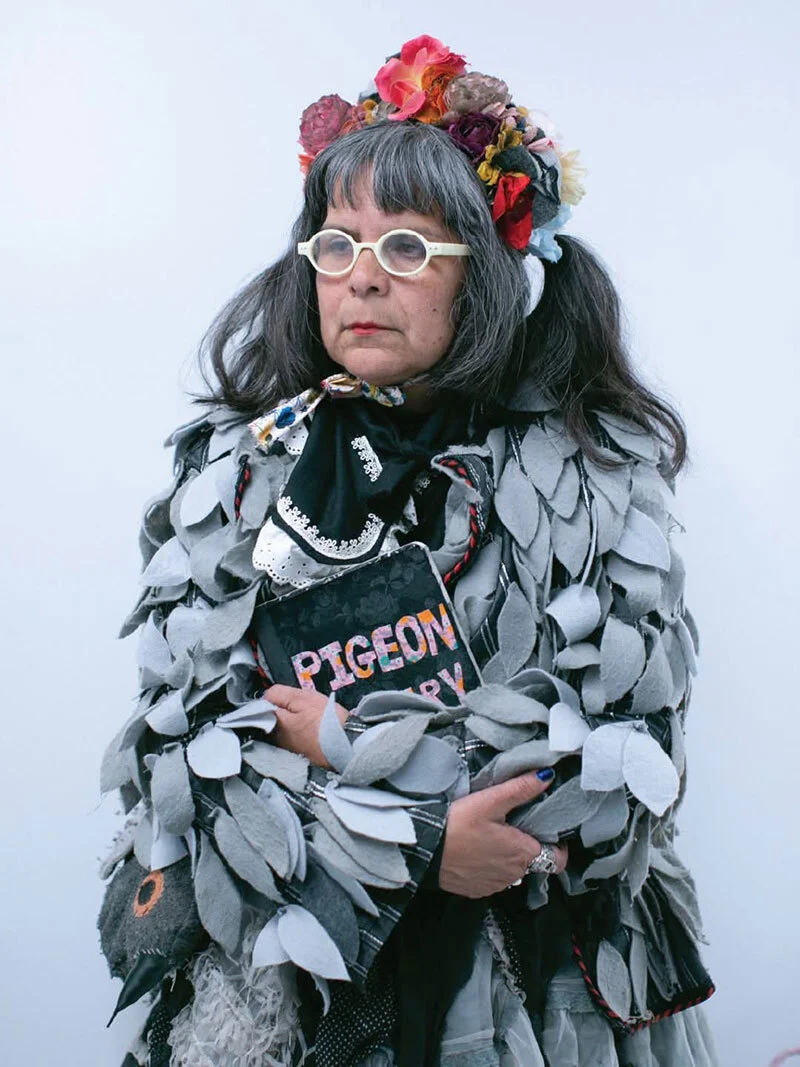
The vibrant tapestry of New York City, a crucible of creativity and diverse perspectives, continually births unique personalities who challenge conventional thought and spark dialogue through their art and activism. Among these compelling figures is Tina Piña Trachtenburg, an artist and performer widely recognized by her moniker, Mother Pigeon. Trachtenburg has emerged as a formidable voice for the city’s often-maligned pigeon population, leveraging a distinctive blend of street performance, music, and digital media to champion their welfare and combat a controversial practice: the capture of urban pigeons for live shooting events in Pennsylvania. Her impassioned advocacy, coupled with a captivating artistic output, casts a crucial spotlight on animal rights and the profound connection between urban wildlife and human compassion.
The Unseen Plight: Urban Pigeons and Live Shooting Practices
Pigeons, ubiquitous inhabitants of nearly every major city worldwide, often endure a complex relationship with their human co-dwellers. Frequently dismissed as "flying rats" or sources of nuisance, their ecological role, intelligence, and capacity for emotional depth are largely overlooked. However, for activists like Trachtenburg, these birds represent more than just a backdrop to urban life; they are sentient beings deserving of protection and respect. The specific focus of Mother Pigeon’s current campaign is a particularly disturbing practice: the systematic capture of New York City’s feral pigeons, which are then trafficked across state lines to Pennsylvania for use in live pigeon shoots.
These live shoots are events where participants, often in a competitive setting, aim to shoot pigeons released from traps. The practice, steeped in a controversial tradition, has long been a target for animal welfare organizations due to its inherent cruelty. Birds are often wounded rather than killed outright, leading to prolonged suffering, and many are simply left to die or are collected by "trapper boys" who dispatch them crudely. The ethics of using live animals as targets in sport are widely debated, drawing sharp criticism from animal rights advocates who decry it as a barbaric and unnecessary form of entertainment. Trachtenburg’s direct challenge to this practice underscores a broader movement seeking to reform animal welfare laws and foster greater empathy for all creatures, particularly those sharing our urban spaces.
To combat this specific form of exploitation, Trachtenburg has taken direct action within New York City. She has publicly offered a $300 reward for verifiable photographic or video evidence, complete with strong identification capabilities, of individuals capturing pigeons in Maria Hernandez Park, a known hotspot for such activity in Brooklyn. This reward serves not only as an incentive for community vigilance but also as a powerful statement, aiming to deter trappers by increasing their risk of exposure and potential legal repercussions. Her efforts are not isolated; they align with a growing legal and public outcry against such practices, reflecting a societal shift towards greater animal protection.
A Broader Legal Front: The Fight Against Live Pigeon Shoots
The legal battle against live pigeon shoots extends beyond the grassroots activism of individuals like Mother Pigeon. Esteemed legal organizations, such as the New York City Bar Association’s Animal Law Committee, have actively engaged in legislative efforts to prohibit these events. The committee’s support for H.B. 1097 (2025–2026 legislation) in Pennsylvania represents a significant, organized push to outlaw the use of live pigeons as targets in trap and block shooting events within the state. This legislative initiative seeks to amend Pennsylvania’s existing animal cruelty statutes to explicitly ban these practices, reflecting a legal recognition of the inherent cruelty involved.
The rationale behind such legislative efforts is multi-faceted. Proponents of H.B. 1097 argue that the practice constitutes gratuitous cruelty, inflicting unnecessary suffering on animals for sport. They highlight the public health risks associated with leaving injured birds in the environment and the ethical inconsistencies of allowing such practices in a society that increasingly values animal welfare. Opponents of the ban, primarily those involved in the shooting events, often cite tradition, the right to engage in recreational activities, and sometimes even a perceived need for population control, though animal welfare experts frequently dispute the effectiveness and ethics of live shoots for population management. The involvement of a major metropolitan bar association underscores the serious legal and ethical dimensions of this issue, moving it from a niche animal rights concern to a matter of public policy and legal reform.
The Evolution of Mother Pigeon: Art as a Vehicle for Activism
Tina Piña Trachtenburg’s journey into the public consciousness as Mother Pigeon is a testament to the transformative power of art in activism. Her persona is not merely a label but a carefully constructed artistic identity that amplifies her message and engages diverse audiences. Her work extends far beyond street protests, encompassing a multimedia approach that blends visual art, music, puppetry, and digital storytelling.
A significant facet of her artistic output is her YouTube channel, Mother Pigeon’s Impeckable Musical Puppet Show. Launched as a creative outlet and an educational tool, this channel features a series of ten distinct videos. Each episode stars hand puppets, notably Frankie the Pigeon and Max the Rat, who serve as charming and relatable avatars for her animal rights message. Through these characters, Trachtenburg explores themes of empathy, urban coexistence, and the often-overlooked lives of city animals in an accessible, engaging format. The production of these videos over a year-long period demonstrates a sustained commitment to her artistic vision and her advocacy.
Accompanying the puppet show, Trachtenburg has also released nine original songs, which are available on Bandcamp. These musical compositions further articulate her passion for animal welfare and the plight of pigeons, using melody and lyrics to convey emotional depth and intellectual arguments. The blend of visual storytelling with original music creates a holistic artistic experience that resonates with viewers and listeners, transcending language barriers and fostering a deeper connection to her cause. As a bonus, she has also shared a reading of her published book, further cementing her identity as a multifaceted artist whose creativity serves a higher purpose.
Digital Footprint and Community Engagement
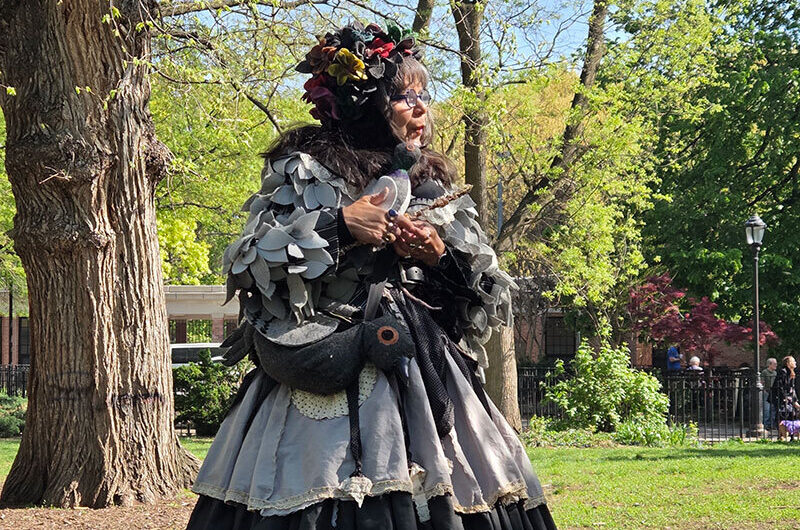
In the modern era, social media platforms have become indispensable tools for activists and artists seeking to disseminate their message and mobilize support. Tina Piña Trachtenburg has masterfully harnessed these digital avenues, cultivating a substantial online presence that extends her reach far beyond the streets of Brooklyn. Her Instagram account, @motherpigeonbrooklyn, boasts an impressive following of over 38,000 users, serving as a primary hub for her daily updates, visual documentation of her work, and direct engagement with her audience. With over a thousand posts, her Instagram feed offers a rich, chronological archive of her advocacy, artistic projects, and interactions with the urban environment.
Through Instagram, Trachtenburg shares compelling photographs and videos, often featuring the pigeons she encounters and cares for, alongside snippets of her street performances and behind-the-scenes glimpses of her puppet show. This constant stream of content not only keeps her followers informed but also builds a strong sense of community around her cause. Her interactions with followers often involve educational posts about pigeon behavior, debunking common myths, and urging vigilance against illegal trapping. The platform allows her to humanize pigeons, transforming them from anonymous city birds into individuals with distinct personalities, fostering empathy among a broad digital audience.
In addition to Instagram, Trachtenburg maintains a Facebook page, providing another channel for wider dissemination of her content and engagement with supporters. While Instagram appears to be her most active platform, Facebook serves as a complementary space for sharing longer-form updates, event announcements, and collaborative posts with other animal welfare groups. Her strategic use of these platforms demonstrates a keen understanding of digital communication, enabling her to build a global community of supporters who champion her message of compassion and animal rights.
A short YouTube video further encapsulates her personal connection to her work, allowing her to share, in her own words, the profound inspirations and motivations that drive her tireless efforts. This personal touch provides valuable insight into the heart behind Mother Pigeon, reinforcing the authenticity and conviction that underpin her public persona and advocacy.
The Broader Impact: Reshaping Perceptions and Inspiring Action
Tina Piña Trachtenburg’s work as Mother Pigeon represents more than just a localized protest against pigeon trapping; it embodies a broader movement to reshape public perception of urban wildlife and to galvanize action for animal rights. Her unique blend of artistic expression and direct activism serves as a powerful model for how creative endeavors can be integrated into social justice campaigns, making complex issues accessible and emotionally resonant for a wider audience.
One of the most significant implications of her work is its potential to challenge the ingrained negative stereotypes associated with pigeons. By showcasing their intelligence, their capacity for social interaction, and their often-overlooked beauty, Trachtenburg encourages a shift from disdain to appreciation. Her portrayal of Frankie the Pigeon and Max the Rat as sympathetic characters in her puppet show is a deliberate effort to foster empathy, particularly among younger audiences, who may grow up with a more nuanced understanding of urban ecosystems.
Furthermore, Mother Pigeon’s highly visible activism, particularly her reward offer in Maria Hernandez Park, highlights the vulnerability of urban animals to human exploitation and the responsibility of communities to protect them. Her efforts serve as a grassroots deterrent to illegal trapping, and by raising public awareness, she empowers local residents to become active participants in safeguarding their neighborhood wildlife. This community-led vigilance can be a powerful force against illicit activities that often operate in the shadows.
Her collaboration with established legal entities like the NYC Bar Association’s Animal Law Committee demonstrates the synergistic potential of combining direct action with legislative advocacy. While Trachtenburg’s efforts raise public consciousness and deter immediate threats, the legal framework provides the long-term solution needed to eradicate practices like live pigeon shoots entirely. Her work adds a vital public dimension to these legislative battles, demonstrating popular support for stricter animal welfare laws.
The digital footprint Trachtenburg has cultivated also underscores the evolving landscape of activism. Her thousands of followers are not merely passive observers; they represent a network of potential advocates, donors, and disseminators of information. In an age where digital virality can profoundly influence public opinion and political action, Mother Pigeon’s robust online presence positions her as a significant voice in the animal rights movement, capable of reaching and mobilizing a global audience.
Challenges and the Path Forward
Despite the growing support and increasing awareness, the fight against practices like live pigeon shoots and the broader struggle for urban animal welfare remain fraught with challenges. The deeply entrenched traditions associated with such events, coupled with economic motivations for trapping, present significant hurdles. Enforcement of existing laws, and the passage of new ones, require sustained pressure from activists, legal bodies, and the public.
For Mother Pigeon, the path forward involves continuing her artistic output, expanding her educational initiatives, and maintaining her vigilant presence in the community. Her unique ability to blend the whimsical with the serious allows her to approach difficult subjects with an engaging accessibility that traditional advocacy sometimes lacks. By continuing to humanize pigeons through her art and advocacy, Tina Piña Trachtenburg is not just protesting a cruel practice; she is actively fostering a more compassionate urban environment, one where all creatures, regardless of their size or perceived status, are afforded dignity and protection. Her work stands as a compelling testament to the power of an individual, armed with creativity and conviction, to effect meaningful change and inspire a deeper appreciation for the complex web of life that defines our cities.

