


The process of feather renewal, known as molting, is a fundamental biological event for all birds, critical for maintaining flight, insulation, and waterproofing. During this period, old, worn feathers are shed and replaced by new ones, often emerging as distinctive "pin feathers." While a natural and essential cycle, the appearance of these developing feathers can cause discomfort and concern for bird owners. This guide provides an in-depth exploration of pin feathers, offering insights into their biology, the stages of their development, methods for supporting avian comfort, and crucial distinctions from more serious health issues, drawing on established avian veterinary and behavioral expertise.
The Biology of Feather Renewal: What Are Pin Feathers?
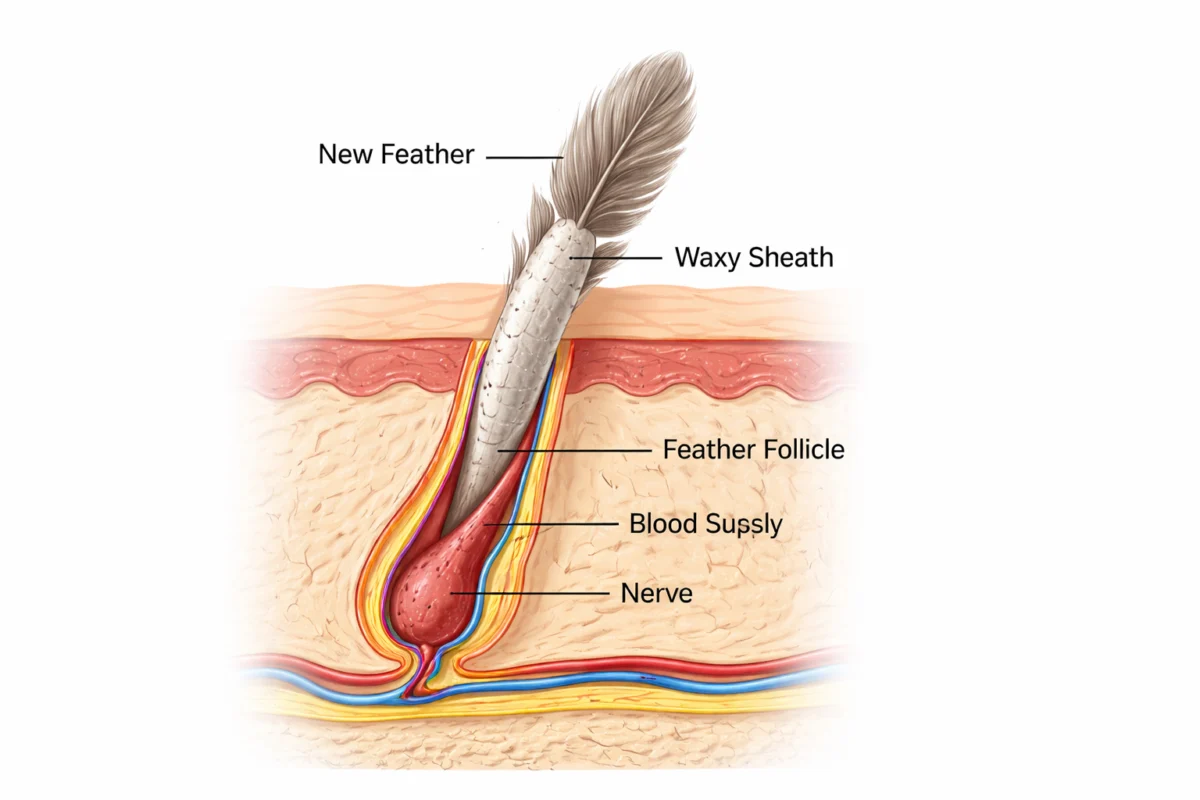
Pin feathers represent the initial growth stage of new feathers, a visible manifestation of the intricate biological process of molting. They are the avian equivalent of new hair growth in mammals, encased in a protective sheath as they emerge.
The Molting Process: A Natural Cycle
Molting is a cyclical event, varying in frequency and intensity among species and individual birds. Most captive birds undergo at least one significant molt annually, often influenced by photoperiod (light exposure), nutrition, and hormonal cycles. This process is metabolically demanding, requiring substantial energy and nutrient resources to produce entirely new plumage. The strategic shedding ensures that birds maintain optimal feather condition, replacing feathers that are damaged, worn, or have lost their structural integrity or insulating properties. A healthy molt indicates a bird’s overall well-being and robust physiological function.
Anatomy of a Pin Feather: Keratin Sheath and Vascularization
Each pin feather is essentially a developing feather rolled tightly within a waxy, keratinous sheath. This sheath, composed of the same protein as the feather itself, serves as a protective casing, safeguarding the delicate, growing feather structure from damage as it pushes through the skin. Initially, these sheaths are soft and often pale, appearing as small, spiky protrusions. Crucially, in their early stages of growth, pin feathers are still connected to a direct blood supply within the follicle. This vascular connection provides the necessary nutrients and oxygen for feather development. As the feather matures and extends, this blood supply gradually recedes, and the sheath dries out, becoming flaky and brittle.
Why Birds Appear "Spiky": Synchronized Growth
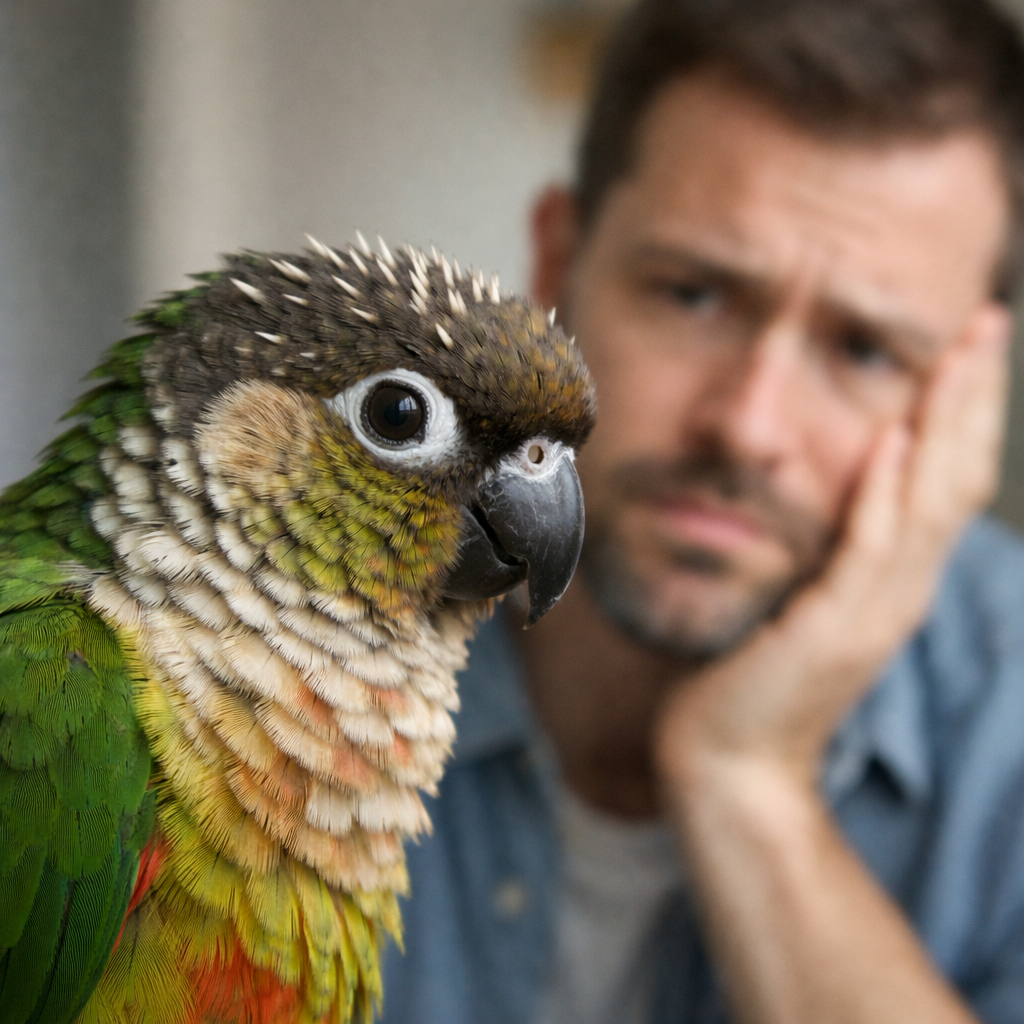
The sudden appearance of numerous pin feathers, particularly on the head and neck, is a common observation for bird owners. This "spiky" appearance results from the synchronized activation of feather follicles. Birds do not grow feathers one by one; instead, groups of follicles, often located in the same anatomical region, are stimulated to begin growth simultaneously during a molt. This coordinated growth ensures efficient replacement of plumage and can make a bird look unkempt or even bald in patches, despite being a normal part of the process. The sheer volume of new growth occurring concurrently can lead to localized skin irritation and sensitivity, even in the absence of medical issues.
Navigating the Discomfort: Stages of Pin Feather Development
The development of a pin feather is a dynamic process, evolving through distinct phases, each associated with specific sensations for the bird. Understanding these stages helps owners provide appropriate support.
Early Growth: The Tender Phase
In the initial stage, pin feathers are highly sensitive. The active blood supply within the developing feather shaft makes the surrounding skin and follicle tender. Any direct pressure, squeezing, or rough handling of these early-stage pin feathers can cause significant discomfort or pain to the bird. Owners may observe their bird being particularly sensitive to touch in areas with new growth, or exhibiting subtle signs of avoidance when approached. During this phase, the primary intervention for owners is gentle care and minimizing direct physical contact with these sensitive areas.
The Itchy Phase: Heightened Irritation
As the pin feather continues to grow and the keratin sheath begins to dry and separate from the maturing feather, it often triggers an intense itching sensation. This is the stage most commonly noticed by owners, as birds frequently increase self-preening, scratching, and rubbing against surfaces. This behavior, while potentially appearing aggressive or frantic, is typically a natural response to physical irritation rather than a behavioral problem. The drying sheath can feel tight or abrasive against the skin, prompting the bird to seek relief. Providing opportunities for bathing and access to appropriate preening aids can be particularly beneficial during this period.
The Release Phase: Maturation and Flaking
The final stage of pin feather development involves the complete drying and flaking away of the keratin sheath. Once the feather is fully mature beneath its protective casing, the sheath becomes brittle and easily dislodged. This allows the new feather to unfurl and settle into its final position. During this phase, fine white flakes, remnants of the shed keratin, are commonly observed around the bird’s cage or on the bird itself. The sensation of itchiness typically subsides as the feathers fully emerge, and the bird’s comfort level improves significantly. This stage marks the successful completion of the individual feather’s growth cycle.
Distinguishing Pin Feathers from Blood Feathers: Critical Avian Care
While all pin feathers contain a blood supply in their early stages, the term "blood feather" typically refers to larger, more mature feathers (often flight or tail feathers) that are still actively growing and retain a significant blood supply. The distinction is crucial due to the potential for serious complications if a blood feather is damaged.
Understanding the Vascular Connection
Every growing feather, regardless of its size, has a vascular connection to the bird’s body. This connection, located at the base of the feather shaft, supplies the necessary blood flow for cellular growth and keratinization. In smaller body feathers, this blood supply is relatively minor and recedes quickly as the feather matures. However, in larger primary flight or tail feathers, the blood vessel is considerably larger and remains active for a longer duration. These are the feathers commonly referred to as "blood feathers." They are typically thicker, darker at the base, and can be felt as more substantial under the skin.
The Risks of a Broken Blood Feather
If a blood feather is broken or damaged before its growth is complete and the blood supply has fully receded, it can lead to significant hemorrhage. Due to the larger vascular supply in these feathers, the bleeding can be profuse and sustained. For smaller avian species, even a seemingly minor amount of blood loss can quickly become life-threatening, leading to shock or severe weakness. The open shaft of a broken blood feather also presents a potential pathway for infection, further complicating the bird’s health. Owners must understand that a broken blood feather is a medical emergency requiring immediate attention.
Emergency Protocols: Managing Avian Hemorrhage
If a bird sustains a broken blood feather, prompt action is critical. The immediate goal is to control the bleeding. Applying steady, direct pressure to the bleeding shaft using a clean cloth or gauze for several minutes can often staunch the flow. Avian first-aid kits should ideally contain styptic powder or cornstarch, which can be applied to the bleeding site to aid in clotting. Once the bleeding appears to have stopped, continuous monitoring for at least 30-60 minutes is essential, as bleeding can sometimes restart.
Crucially, owners should never attempt to pull a blood feather themselves. Feather removal is an extremely painful procedure and, if done improperly, can worsen bleeding, cause significant trauma to the feather follicle, and potentially lead to permanent damage or abnormal feather growth in the future. Removal of a broken blood feather should only be performed by an avian veterinarian or a trained veterinary professional. These professionals possess the necessary tools, expertise, and understanding of avian anatomy to safely and effectively remove the feather, ensuring proper hemostasis and minimizing trauma.
Proactive Support for Molting Birds: Enhancing Comfort and Growth
Beyond reactive measures, a holistic approach to avian care during molt can significantly enhance a bird’s comfort and support healthy feather growth. This involves addressing environmental, nutritional, and psychological factors.
The Role of Humidity and Hydration
Humidity plays a pivotal role in softening the keratin sheaths of pin feathers, making them less abrasive and easier for the bird to preen open. In indoor environments, where ambient humidity is often much lower than a bird’s natural habitat, supplementation is frequently necessary. Regular bathing, whether through a shallow dish, misting with a spray bottle, or even shared showers with the owner, is highly beneficial. Bathing not only helps to soften the sheaths but also removes dander and promotes overall skin hygiene. Utilizing a humidifier in the bird’s living area can further contribute to a more comfortable environment during a molt. Adequate hydration through fresh, accessible water is also fundamental for metabolic processes supporting feather growth.
Nutritional Foundations for Healthy Feathers
Feather production is one of the most metabolically demanding processes a bird undergoes, requiring a robust supply of specific nutrients. Feathers are primarily composed of keratin, a protein rich in sulfur-containing amino acids such as methionine and cysteine. Therefore, a diet with high-quality, complete protein sources is paramount.
Beyond protein, essential vitamins and minerals are critical. Vitamin A is vital for healthy epithelial tissue (skin and feather follicles) and plays a role in keratin synthesis. Deficiencies can lead to abnormal feather development and skin issues. Vitamin E, a potent antioxidant, protects cellular structures during rapid growth and can support skin health. Omega fatty acids, particularly Omega-3s, are crucial for maintaining skin integrity, reducing inflammation, and contributing to the lustrous sheen of healthy feathers. Minerals like zinc and selenium are co-factors in numerous enzymatic reactions involved in protein synthesis and immune function, both of which are heightened during a molt. Commercial seed-only diets are notoriously deficient in these essential nutrients, often leading to prolonged, abnormal, or uncomfortable molts. A pelleted diet supplemented with fresh vegetables, fruits, and appropriate healthy fats (e.g., flaxseed, chia seeds) provides a more comprehensive nutritional profile. Research, such as that by Chen et al. (2020), underscores the critical link between specific nutrients and optimal feather growth and regeneration.
Environmental Enrichment and Stress Reduction
Stress can significantly impact a bird’s physiological processes, including molting. A stressed bird may experience a prolonged or incomplete molt, or even exhibit stress-induced behaviors like feather plucking, which can be exacerbated by the discomfort of pin feathers. Maintaining a stable, enriching environment is key. This includes predictable routines, appropriate cage size with varied perches, a balanced light-dark cycle (ideally 10-12 hours of darkness for most species), and access to foraging opportunities and toys. Reducing sudden loud noises or changes in routine can help mitigate stress during this sensitive period. A calm environment supports the bird’s natural healing and growth processes.
Owner Intervention: When and How to Safely Assist
While most birds are adept at managing their own pin feathers, there are circumstances where gentle, informed owner assistance can be beneficial.
Self-Preening vs. Assisted Preening
Birds primarily rely on their beaks and feet for self-preening, meticulously working to break open keratin sheaths and distribute preen oil. However, certain areas, particularly the head and neck, are difficult for a bird to reach on its own. This is why head pin feathers often appear to bother birds more, as they cannot relieve the itch or open the sheaths themselves. In these cases, a trusted owner may offer assistance.
Guidelines for Safe Assistance: What to Look For
Assistance should only be offered to birds that are comfortable with handling and exhibit clear signs of needing help. The pin feather must be visibly dry, flaky, and free of any dark coloration at the base, which would indicate an active blood supply. The bird’s body language is paramount: a bird leaning into your touch, puffing up, or presenting a specific area for preening is indicating acceptance. Gentle rolling of the sheath between two fingers (never squeezing or pulling) can help break it open. The goal is to mimic a bird’s natural preening action. If the sheath is still firm or the bird shows any sign of discomfort, stop immediately.
When to Avoid Intervention
Intervention is never mandatory; many experienced owners choose to rely solely on bathing and humidity. It is crucial to avoid helping if the pin feathers are still soft, tender, or show any sign of blood supply (darkness at the base). Forcing open an immature pin feather is painful and can damage the follicle. Owners should also refrain from assisting if their bird is stressed, fearful, or unwilling to be handled. Forcing interaction can erode trust and increase anxiety. Observing the bird’s cues and respecting its boundaries are essential for its well-being.
Recognizing Abnormalities: When to Seek Veterinary Care
While some discomfort during molting is normal, certain signs indicate that the process is no longer routine and warrants professional avian veterinary attention.
Differentiating Normal Discomfort from Medical Concerns
Normal pin feather irritation typically improves gradually as feathers emerge and sheaths shed. It may come in waves but does not escalate into constant, frantic behavior or cause skin damage. The appearance of new feathers should be consistent, and the skin beneath should appear healthy. Abnormalities, however, suggest underlying issues.
Signs Requiring Professional Avian Consultation
Owners should seek immediate veterinary care if they observe:
- Active Bleeding: Any persistent bleeding from a feather shaft, indicating a broken blood feather or other trauma.
- Rapidly Expanding Bald Areas: While some temporary patchiness is normal, rapidly growing bald spots, especially with irritated or open skin, are concerning.
- Obvious Feather Destruction: Beyond normal preening, if a bird is excessively chewing, pulling, or damaging its new feathers, it could be a sign of pain, severe itchiness, or behavioral plucking.
- Signs of Illness: Weakness, lethargy, loss of appetite, changes in droppings, or other general signs of illness combined with molting issues, indicate systemic problems.
- Skin Lesions: Open wounds, scabs, redness, swelling, or pustules on the skin underlying pin feathers are indicative of infection or other dermatological conditions.
- Chronic or Unresolved Itchiness: If itchiness persists intensely for an extended period, or escalates to self-mutilation, it suggests that the discomfort is beyond what is considered normal for a molt.
These symptoms suggest something more serious than routine molting discomfort and require a professional diagnosis and treatment plan from an avian or exotics veterinarian. Ignoring these signs can lead to chronic health problems, secondary infections, and significant distress for the bird.
The Broader Implications of Chronic Molt Issues
When molting becomes a chronic problem, or if associated discomfort leads to excessive self-preening or plucking, the implications extend beyond mere aesthetics. Chronic irritation can lead to skin infections, follicular damage, and even systemic stress, impacting the bird’s immune system and overall vitality. Prolonged or abnormal molts can signal underlying nutritional deficiencies, hormonal imbalances, or chronic disease. Addressing these issues proactively is crucial for the long-term health and well-being of the bird, preventing a cycle of discomfort and potential health degradation.
Expert Perspectives and Concluding Insights
The journey through a bird’s molt is a testament to the intricate wonders of avian biology and the critical role of informed pet ownership. Experts in avian health and behavior, such as licensed psychotherapist Diane Burroughs, LCSW, emphasize that understanding the nuances of pin feather development is fundamental to providing optimal care.
The Importance of Owner Education
As highlighted by avian behaviorists, an educated owner is the first line of defense against both misunderstanding normal physiological processes and recognizing early signs of distress. Knowing the stages of pin feather growth, the appropriate responses, and the clear indicators for veterinary intervention empowers owners to act confidently and effectively. This knowledge minimizes owner anxiety and, more importantly, reduces stress for the bird, fostering a healthier human-animal bond. The wealth of information available, often from reputable sources like veterinary manuals (Lightfoot, 2024; Lucas & Stettenheim, 1972) and specialized avian publications, underscores the scientific basis for recommended care practices.
Long-Term Feather Health and Bird Welfare
Ultimately, supporting a bird through a comfortable and efficient molt contributes significantly to its long-term welfare. Healthy feathers are not merely cosmetic; they are integral to a bird’s ability to regulate body temperature, fly effectively, protect itself from environmental elements, and even signal health and fitness to conspecifics. A holistic approach that integrates proper nutrition, environmental enrichment, stress reduction, and informed intervention during the molting process ensures that birds can navigate this essential life cycle with minimal discomfort and emerge with a full, healthy, and vibrant plumage, ready for the next phase of their lives.
Frequently Asked Questions (FAQ)
Is it too late to help if my bird already has itchy pin feathers?
No, it is never too late to provide comfort. While food changes won’t stop existing itchiness immediately, supporting skin and feather health with targeted nutrition (e.g., vitamin A, vitamin E, omega fatty acids) helps current feathers finish well and prepares the bird for healthier growth in future molts.
How long should pin-feather itchiness last?
Itchiness typically comes in waves, corresponding to the drying and breaking down of keratin sheaths, and gradually improves as feathers open. Persistent, escalating, or fixated itchiness suggests a potential problem requiring investigation.
Is it normal for head pin feathers to bother birds more?
Yes. Birds cannot preen their own heads or necks effectively, making pin feathers in these areas a common source of visible irritation. Gentle, safe assistance may be particularly helpful for these specific locations if the bird is receptive.
Can pin feathers turn into plucking?
Persistent, unrelieved irritation from pin feathers can contribute to a bird developing a fixation on plucking. Providing early comfort support helps reduce this risk by addressing the physical discomfort before it escalates into a behavioral pattern.
References
Chen, M.-J., Xie, W.-Y., Jiang, S.-G., Wang, X.-Q., Yan, H.-C., & Gao, C.-Q. (2020). Molecular signaling and nutritional regulation in the context of poultry feather growth and regeneration. Frontiers in Physiology, 10, Article 1609. https://doi.org/10.3389/fphys.2019.01609
Lightfoot, T. L. (2024, September). Skin and feather disorders of pet birds. In Merck Veterinary Manual. Merck & Co., Inc. https://www.merckvetmanual.com/bird-owners/disorders-and-diseases-of-birds/skin-and-feather-disorders-of-pet-birds
Lucas, A. M., & Stettenheim, P. R. (1972). Avian anatomy: Integument (Agriculture Handbook No. 362). U.S. Department of Agriculture. https://naldc.nal.usda.gov/catalog/CAT87209099
McGraw, K. J. (2006). Mechanics of carotenoid-based coloration. In G. E. Hill & K. J. McGraw (Eds.), Bird coloration, Vol. 1: Mechanisms and measurements (pp. 177–242). Harvard University Press.
Stettenheim, P. R. (2000). The integumentary morphology of modern birds—An overview. American Zoologist, 40(4), 461–477. https://doi.org/10.1093/icb/40.4.461

