


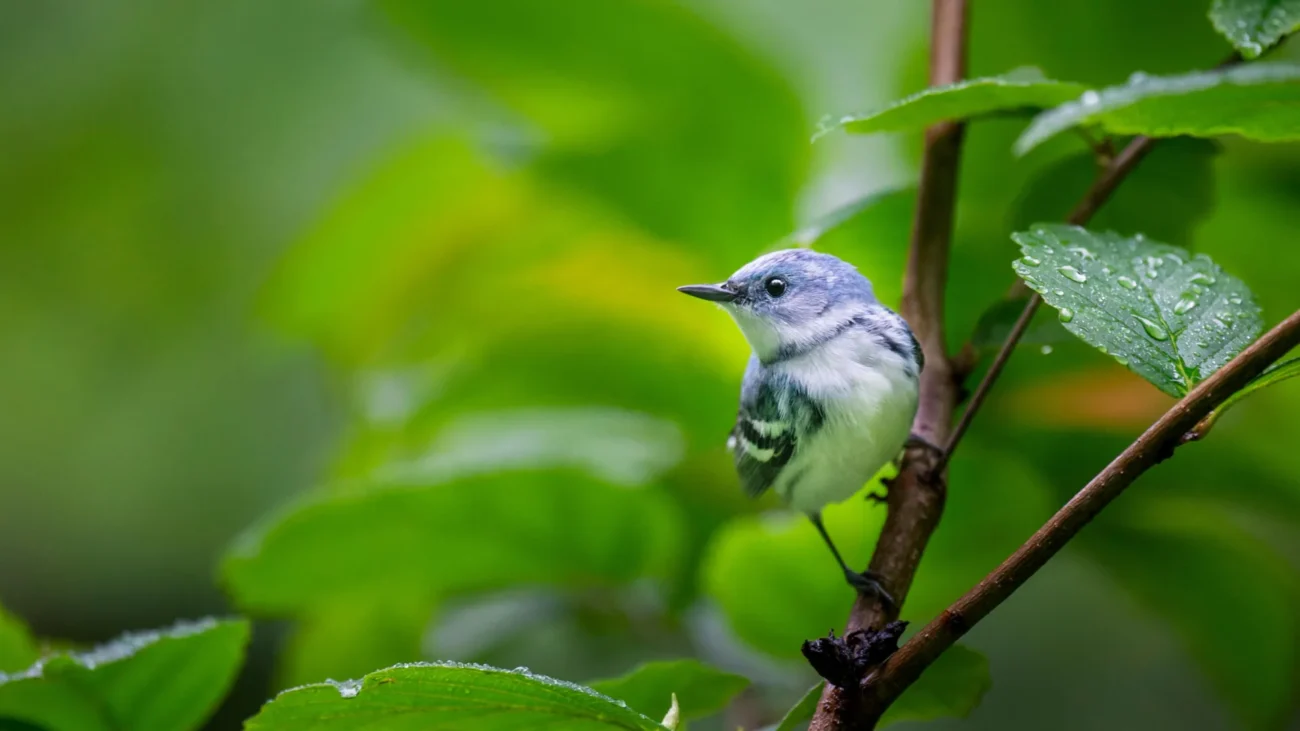
Every spring, the familiar melodies of Wood Thrushes and a dazzling array of warblers grace parks and backyards across eastern North America, signaling the return of warmer weather. These beloved avian visitors, however, spend the majority of their annual cycle far to the south, relying on the rich and often remote forest ecosystems of Central America for their survival through the non-breeding season. New research underscores the profound ecological significance of these southern havens, revealing them as indispensable to the continued existence of numerous migratory bird species that bridge the two continents.
A groundbreaking study, conducted collaboratively by the Wildlife Conservation Society (WCS) and the Cornell Lab of Ornithology (Cornell Lab), and published in the esteemed journal Biological Conservation, has illuminated the critical role of the Five Great Forests of Central America. This expansive ecological network, stretching from the southern reaches of Mexico down to northern Colombia, acts as a vital lifeline for a substantial portion of the global populations of many migratory bird species.
Leveraging an unprecedented volume of data, meticulously compiled through millions of bird sightings submitted to the Cornell Lab’s global eBird platform, researchers have meticulously charted weekly bird distributions. This sophisticated analysis revealed that these interconnected forest systems collectively provide essential habitat for an astonishing proportion of North America’s migratory bird populations. Specifically, the study indicates that between one-tenth and nearly one-half of the global populations of 40 distinct migratory species depend on these Central American forests. The gravity of this finding is amplified by the fact that many of these species are among those experiencing the most rapid population declines across North America.
"What transpires in Central America has a direct and undeniable impact on the birds that we cherish in the United States and Canada," stated Anna Lello-Smith, the lead author of the study and a distinguished conservation scientist at WCS. "These forests are far more than just untouched tropical wilderness; they represent the very heart of avian migration, providing sustenance and shelter for many of our birds for over half of the year. It is within these verdant landscapes that Wood Thrushes, Magnolia Warblers, and countless other species find the nourishment and refuge necessary to complete their arduous journey north and to once again fill our spring with their vibrant songs and spectacular colors."
Unveiling Concentrated Avian Diversity
The study’s findings present a compelling picture of intense avian concentration within these crucial forest regions. The Five Great Forests, comprising the Selva Maya, Moskitia, Indio Maíz-Tortuguero, La Amistad, and Darién, collectively form a vast ecological corridor. This contiguous expanse spans an area comparable in size to the U.S. state of Virginia, and its ecological importance extends beyond migratory songbirds to encompass iconic species such as jaguars, tapirs, and scarlet macaws. For birds undertaking migrations spanning thousands of miles annually, these forests serve as indispensable resting and wintering grounds, offering critical opportunities for recovery and refueling.
The sheer density of migratory birds congregating in these five forest areas is remarkable. Viviana Ruiz-Gutierrez, Director of Conservation Science at the Cornell Lab of Ornithology and a co-author of the study, emphasized this point: "Every autumn, billions of birds funnel south through the narrow land bridge of Central America. The concentration of migratory warblers, flycatchers, and vireos packed into these five forests is truly astounding. This means that every hectare of protected land within these regions safeguards a disproportionately large number of individual birds and species."
The Alarming Shadow of Deforestation
Despite their immense ecological value, these critical forest habitats are facing an existential threat: rapid and relentless deforestation. The primary driver of this destruction is increasingly cited as illegal cattle ranching, which has already decimated millions of acres across the region. The impact is starkly illustrated by the Moskitia region alone, where an estimated one-third of the forest cover has been lost in just the past two decades.
"If we allow the last great forests of Central America to vanish – and current trends suggest we are on that path – we will inevitably lose the birds that define the character of our eastern forests in North America," warned Jeremy Radachowsky, Regional Director for WCS’s Mesoamerica Program. "However, by actively supporting rural communities, national governments, and our dedicated conservation partners on the ground, we still possess the opportunity to alter this devastating trajectory."
Across Central America, Indigenous and local communities are at the forefront of conservation efforts. They are actively engaged in restoring degraded lands, implementing fire prevention strategies, and reviving traditional, bird-friendly livelihoods such as the sustainable cultivation of allspice and cacao. These communities often undertake these vital tasks at significant personal risk, yet their endeavors remain paramount to the preservation of the remaining forest habitats.
"Imagine the profound impact of connecting with these on-the-ground efforts," urged Ruiz-Gutierrez. "Through such collaborations, we can work together across the Americas to ensure the recovery and continued presence of our shared migratory bird populations."
Mapping the Intercontinental Avian Network
For many years, effective international conservation strategies have been hampered by a lack of precise data detailing how migratory birds connect diverse habitats and communities throughout their annual cycles. To address this critical knowledge gap and to foster more robust cross-border conservation initiatives, researchers have employed a sophisticated framework developed by Partners in Flight and the Cornell Lab. This framework allows for the mapping of "stewardship connections," identifying regions in North America where species that depend on the Five Great Forests for their non-breeding season gather to breed.
The results of this mapping exercise reveal a significant interdependence between the Five Great Forests and specific forest regions within North America. These "sister landscapes," linked by the presence of the same bird species at different points in their annual life cycle, include areas such as the Appalachian Mountains, the Mississippi River Delta, the Great Lakes region, New England, and the ecologically sensitive landscapes surrounding New York City.
A Call to Action: Protecting Forests for Avian Futures
In essence, the Five Great Forests of Central America function as the tropical counterparts to North America’s eastern forest ecosystems. They provide essential refuge for the same suite of forest-dwelling bird species, including Scarlet Tanagers, Kentucky Warblers, Golden-winged Warblers, and Broad-winged Hawks, during the months when these birds are absent from their northern breeding territories. The safeguarding of these crucial wintering and stopover habitats is therefore not merely an environmental consideration but a fundamental requirement for ensuring the continued return of these species to their breeding grounds each spring.
"Every hectare of forest we manage to protect in Central America generates cascading positive effects for both birds and human communities throughout the entire hemisphere," emphasized Lello-Smith. "The very forests that sustain our beloved thrushes and warblers also provide invaluable resources and ecological services to local populations. For those who delight in the annual return of birds to their gardens and local parks, we extend an invitation to explore and understand the tropical forests that serve as their primary home for much of the year – and to actively participate in their protection."
The implications of this research are far-reaching, highlighting a profound interconnectedness that transcends national borders. The continued degradation of Central American forests poses a direct threat to biodiversity across the Americas and impacts the ecological services that migratory birds provide, such as insect control and seed dispersal. The economic and cultural value of these birds, from ecotourism to their role in healthy ecosystems, is also at stake.
Conservationists are advocating for a multi-pronged approach that includes increased financial investment in protected areas, support for sustainable land-use practices in buffer zones surrounding these forests, and enhanced collaboration between governments, non-governmental organizations, and local communities. The success of these efforts hinges on recognizing the intrinsic link between the health of Central American forests and the vibrant avian populations that grace North American skies each spring. The study serves as a critical reminder that conservation efforts must adopt a hemispheric perspective, acknowledging that the fate of birds migrating thousands of miles is inextricably tied to the well-being of ecosystems at both ends of their journey.

