


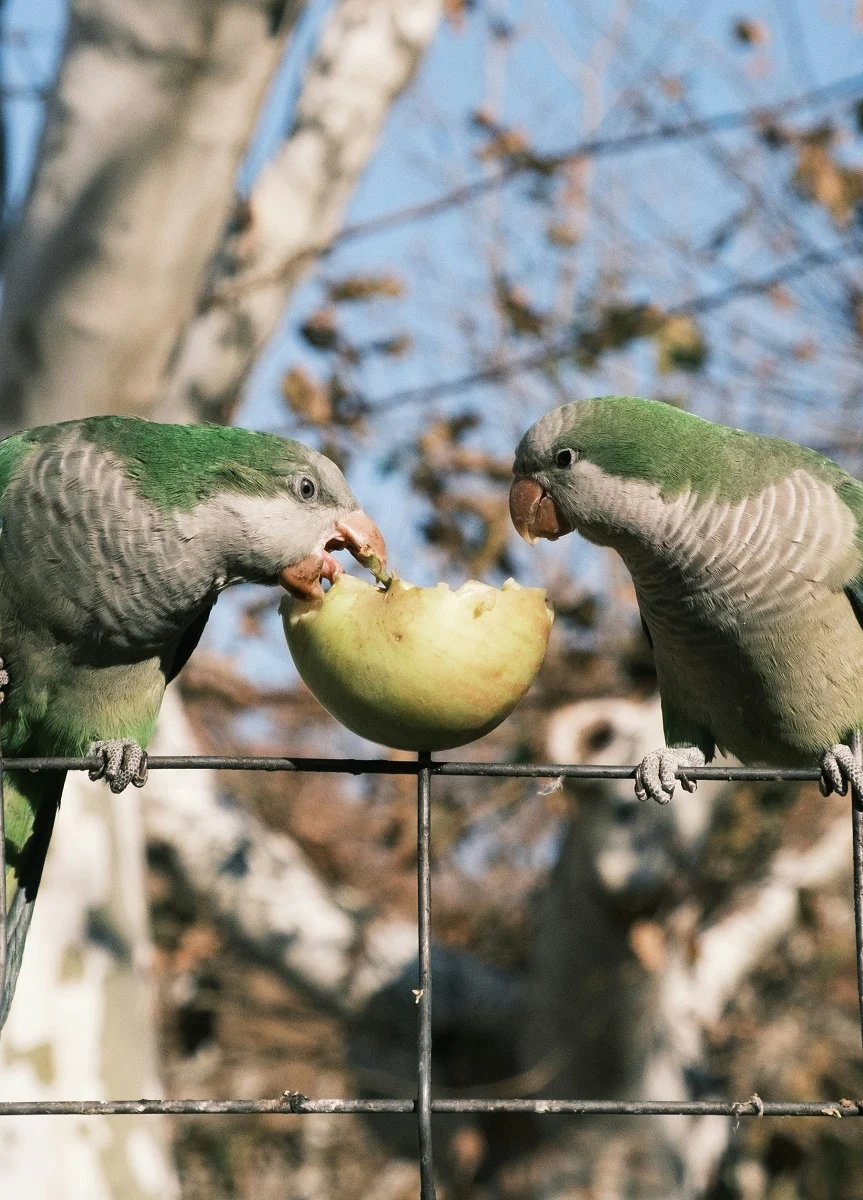
The Quaker parrot, scientifically known as Myiopsitta monachus, is a captivating South American parrot species that has earned a dual reputation: a beloved, cheerful companion animal for many and a formidable invasive species in numerous regions worldwide. This article delves into the multifaceted nature of these birds, exploring their natural history, biological characteristics, the complexities of their role as both pets and ecological disruptors, and the implications for conservation and responsible ownership.
Appearance and Distinctive Characteristics
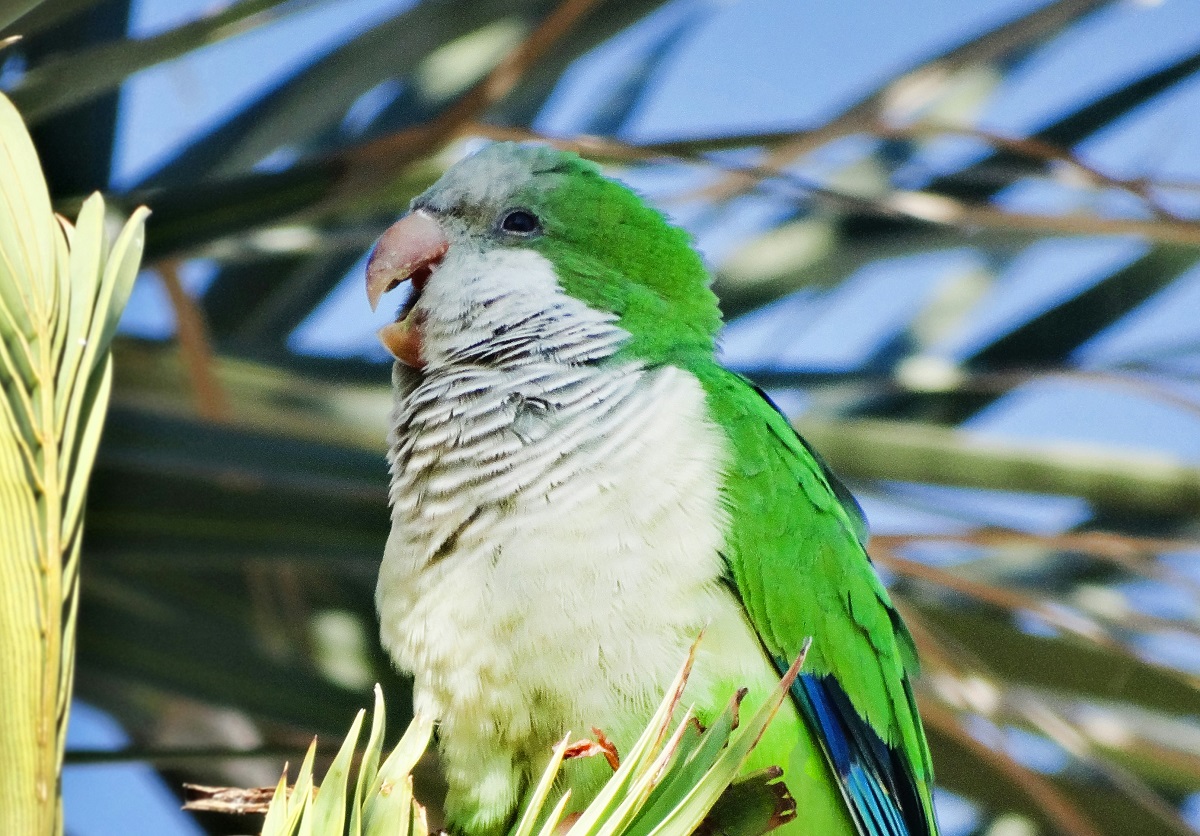
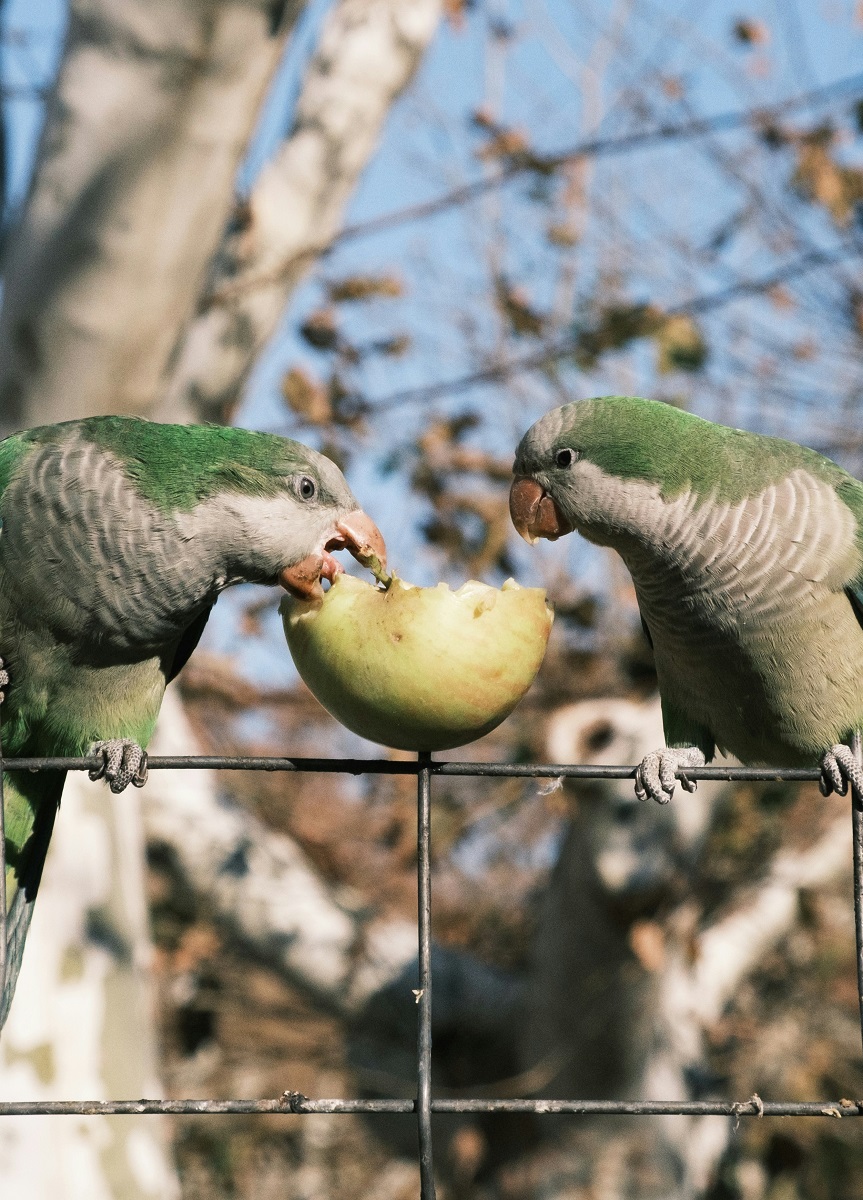
The Quaker parrot is a relatively small parrot, typically reaching an adult size of up to 13 inches (33 cm) in length and weighing around 140 grams (5 ounces). Wild specimens are easily identified by their striking mossy green backs, a contrasting grey front or "quaker" bib (from which one of their common names derives), vibrant blue flight feathers, and a distinct skin-colored beak. Their long, tapered tails contribute to their agile flight and balanced appearance.
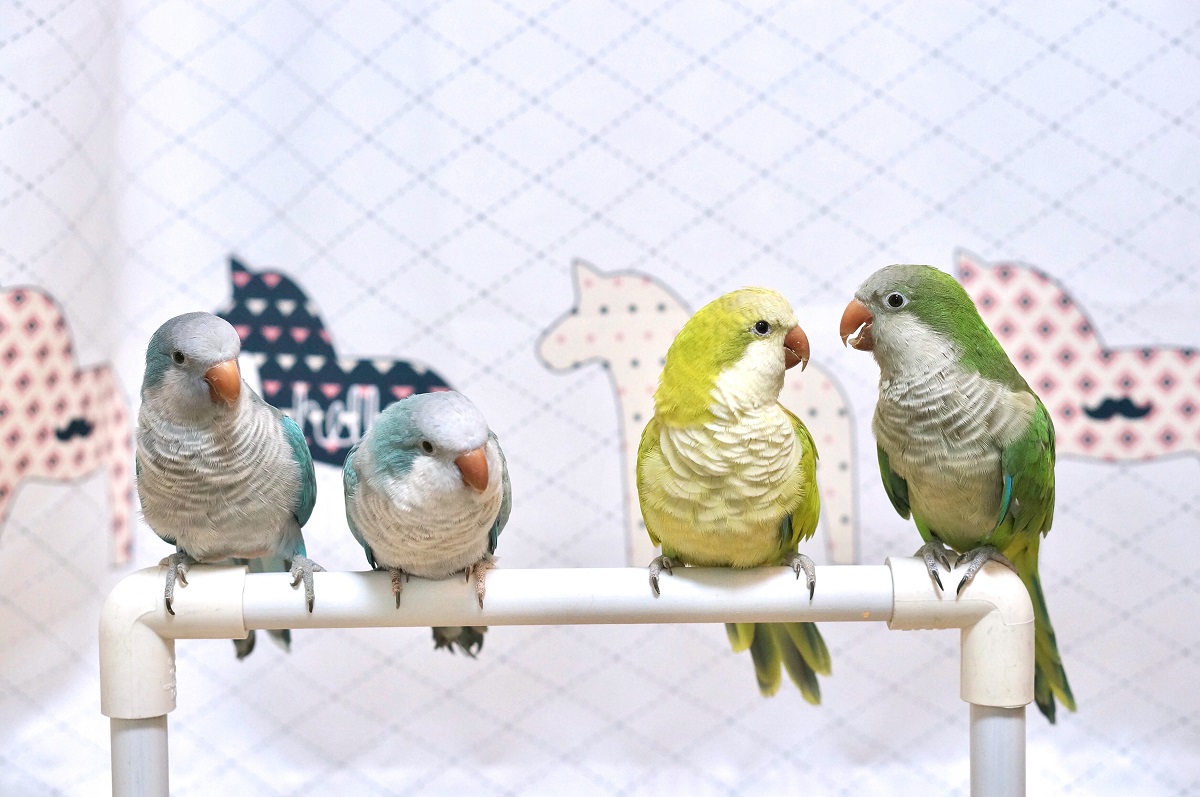
Through selective breeding in captivity, a remarkable array of color mutations, or "morphs," has been developed. Beyond the wild green, Quaker parrots can now be found in shades of blue, yellow (lutino), grey, white (albino), and various combinations, each adding to their appeal as pets. While female Quaker parrots are generally slightly smaller than males, this difference is often imperceptible visually, making DNA testing the most reliable method for sex determination.
Natural Habitat and Ecological Niche
Native to the lowlands of South America, Myiopsitta monachus primarily inhabits Argentina, extending into southern Brazil, eastern Bolivia, Paraguay, and all of Uruguay. This species thrives in elevations up to approximately 3,300 feet (1,000 meters), preferring varied landscapes from wooded and sparsely wooded areas to palm forests, savannahs, and even adapting readily to urban parks and agricultural zones.
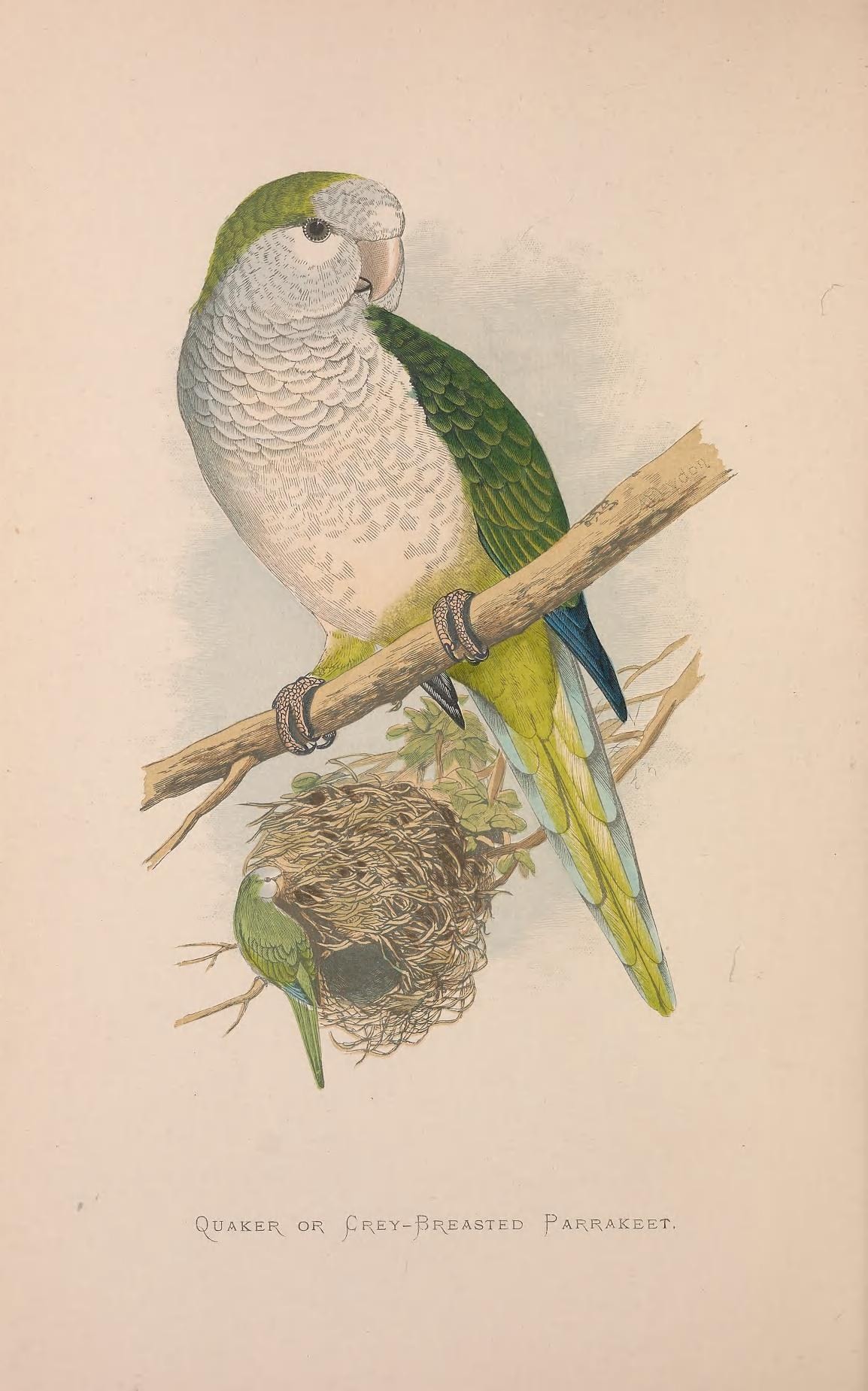
A unique characteristic of Quaker parrots in their natural environment is their communal nesting behavior. Unlike many other parrot species that nest in tree cavities, Quaker parrots construct elaborate, multi-chambered stick nests. These impressive structures, often built in trees or on human-made structures, can house multiple breeding pairs and even entire colonies, providing year-round shelter. This communal nesting strategy is a significant factor in their adaptability and success, both in their native range and as an invasive species.
Conservation Status and Adaptability
According to the IUCN Red List, Myiopsitta monachus is classified as a species of "Least Concern." This favorable conservation status is largely due to their remarkable adaptability. In many parts of their native range, Quaker parrots have paradoxically benefited from human activities. For instance, the widespread planting of Eucalyptus forests for paper pulp production has provided an abundance of new nesting sites. Similarly, the expansion of agriculture, particularly maize cultivation, has offered a rich and readily available food source, leading to local population increases.
However, it is crucial to note the contrasting fate of the only other species within the genus Myiopsitta, the Bolivian Monk Parakeet (M. luchsi). This closely related species is considered "Near Threatened," highlighting the delicate balance of ecological factors that can determine a species’ survival. The robust nature of M. monachus underscores its potential for rapid population growth and dispersal.
The Global Phenomenon: Quaker Parrots as Invasive Species
The Quaker parrot’s adaptability and intelligence, while beneficial in its native habitat, have made it one of the most successful and widespread invasive bird species globally. Self-sustaining feral populations have become established in numerous countries across North America, Europe, Asia, and the Middle East.
History and Mechanisms of Introduction:
The primary pathway for their global spread was the international pet trade. Between the 1960s and 1980s, large numbers of Quaker parrots were imported into countries like the United States and various European nations. Escapes from captivity, either accidental or intentional releases, led to the establishment of initial feral populations. Their ability to survive and thrive in diverse climates, often colder than their native South America, is attributed to their communal stick nests, which offer superior insulation and protection compared to cavity nests. Their broad diet, which includes seeds, fruits, and readily available agricultural crops or urban discarded food, further aids their survival.
Geographic Reach and Impact:
In the United States, significant feral populations exist in states such as Florida, Texas, Louisiana, New York, Connecticut, Illinois, and parts of the Pacific Northwest. European cities like Madrid, Barcelona, London, Brussels, and Rome also host thriving colonies. In these non-native environments, Quaker parrots pose several ecological and economic threats:
- Ecological Impact: They compete with native bird species for food and nesting sites. There are concerns about potential disease transmission to native wildlife or domestic poultry. Their aggressive nature can displace smaller, less assertive native birds.
- Economic Impact: Their large stick nests, often built on utility poles and electrical transformers, can cause power outages and fire hazards, leading to substantial repair costs for utility companies. They are also considered agricultural pests, capable of causing significant damage to fruit orchards and grain crops. In some regions, their loud flock calls are considered a nuisance by residents.
Legal Status and Management Strategies
The invasive potential of Quaker parrots has led to varying legal statuses across different jurisdictions. In several US states, including California, Pennsylvania, Kentucky, Georgia, and Wyoming, it is illegal to own, sell, or breed Quaker parrots. These bans are primarily enacted to prevent the establishment or further spread of feral populations and to mitigate the ecological and economic damage they can cause. Conversely, in states like New York, Connecticut, and Florida, where established populations already exist, ownership may be legal, albeit often with regulations on sale or release.
Management efforts for established feral populations are challenging and often controversial. Strategies include trapping, nest removal, and, in some cases, culling. Public awareness campaigns are also crucial to educate pet owners about the risks of releasing non-native species and to promote responsible ownership practices. Wildlife authorities face the ongoing task of balancing public perception, ethical considerations, and the imperative to protect native ecosystems.
Responsible Pet Ownership: Caring for a Quaker Parrot
Despite their invasive tendencies, Quaker parrots are sought after as pets due to their intelligence, playful nature, and talking ability. For the right owner, they can be engaging and affectionate companions, but their care requirements are substantial.
Dietary Needs:
A healthy diet is paramount for a long and happy life in captivity. A high-quality formulated pellet food should constitute the majority (approximately 80%) of a Quaker parrot’s diet, providing essential nutrients that seed-heavy diets lack. Supplementing pellets with a variety of fresh, bird-safe fruits (e.g., apples, berries, melon), vegetables (e.g., leafy greens, carrots, bell peppers), and sprouts is crucial. Toxic foods such as avocado, chocolate, caffeine, alcohol, onion, garlic, and fruit pits must be strictly avoided. Fresh water should always be available, along with a mineral block for essential trace elements.
Housing Requirements:
While not the largest parrots, Quakers require ample space. A minimum cage size of 30 inches (76 cm) wide is recommended, but larger is always better, especially if the bird will spend significant time confined. Horizontal space is often more critical than height, as parrots tend to utilize the upper portions of their cages. The cage should be equipped with a variety of natural wood perches of varying diameters to promote foot health, along with clean food and water bowls and a selection of stimulating toys.
Enrichment and Mental Stimulation:
Quaker parrots are highly intelligent and social animals that bore easily. Without sufficient mental and physical enrichment, they can develop behavioral issues such as screaming, feather plucking, or aggression. Owners must provide a diverse range of toys—chew toys, foraging toys, shreddable toys—and rotate them regularly to maintain interest. Daily supervised out-of-cage time is essential for exercise and exploration, ideally in a "bird-proofed" room free from hazards like open windows, toxic plants, or other pets. A parrot play gym can serve as a dedicated out-of-cage hangout spot. Crucially, single-kept Quakers require significant daily interaction and social bonding with their human companions to thrive emotionally. The innate nest-building instinct can be managed by providing appropriate, safe materials (like paper strips or untreated wood sticks) for them to manipulate, offering an outlet for this natural behavior.
Health and Veterinary Care:
With proper care, Quaker parrots can live for up to 30 years or more. Regular check-ups with an avian veterinarian are vital for preventive care and early detection of common health issues such as psittacosis, PBFD (Psittacine Beak and Feather Disease), fatty liver disease (often linked to poor diet), and respiratory infections. Owners should also be prepared for emergencies, knowing basic avian first aid and having their avian vet’s contact information readily accessible.
Temperament and Vocalizations
Quaker parrots are renowned for their confident, boisterous, and playful personalities. A well-socialized Quaker is often described as clownish and full of zest, though their energy can also translate into a highly chaotic presence. They form strong social bonds, often becoming very affectionate and cuddly with their chosen human companions. However, they can sometimes develop a strong attachment to a single person, potentially leading to territorial behavior or aggression towards other family members. Their intense territoriality extends to their cage, which they consider their personal domain, sometimes making routine tasks like cleaning or refilling food challenging.
The common name "Quaker" is derived from a literal behavior: younger birds, in particular, will flap their wings rapidly and "quake" their bodies when begging for food or attention.
While not among the loudest parrot species, Quakers are certainly not silent. They produce a steady stream of whistles, chirps, and can emit grating flock calls that can be quite piercing. Potential owners must assess their tolerance for noise before acquiring one. A content Quaker parrot may produce a soft "purring" sound and often grinds its beak, a common sign of relaxation in many parrot species.
Talking Ability:
Quaker parrots are recognized as "good talkers" among parrot species, capable of developing impressive vocabularies. Their voices are typically high-pitched and squeaky, but their strong motivation to mimic human speech and household sounds makes them proficient learners. Repetition and consistent interaction are key to teaching a Quaker parrot words, phrases, or even tunes. While they can imitate speech, it is important to remember that they are mimicking sounds and do not inherently understand the meaning of the words they utter.
Conclusion
The Quaker parrot presents a fascinating paradox: a charming, intelligent, and long-lived companion animal on one hand, and a highly successful, often problematic, invasive species on the other. Their adaptability, social complexity, and unique nesting behaviors have contributed to both their appeal as pets and their ecological impact outside their native range. Understanding the full spectrum of Myiopsitta monachus – from its natural history in South America to its global spread and the responsibilities of its ownership – is crucial for both conservation efforts and ensuring the well-being of these remarkable birds. Responsible pet ownership, including adherence to local regulations and a deep commitment to their demanding care, remains paramount in navigating the complex legacy of the Quaker parrot.

