


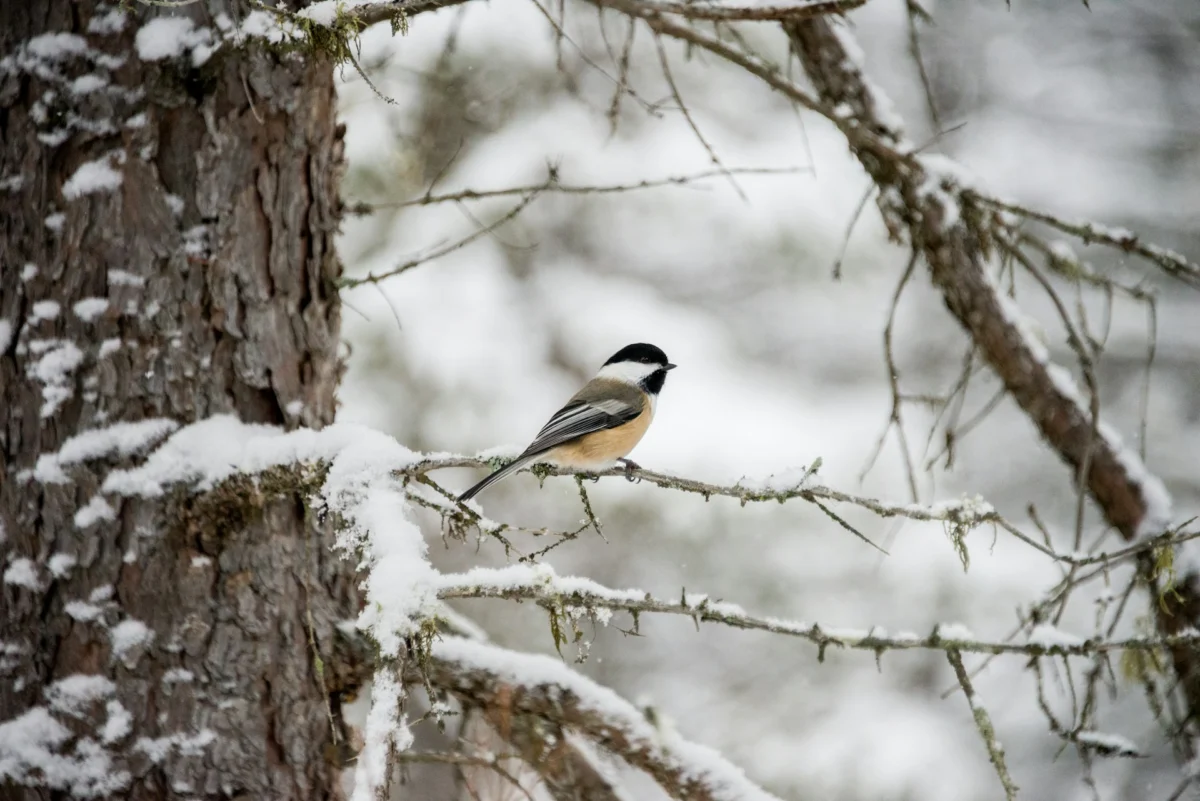
The countryside, often perceived as hushed and subdued during winter, reveals a hidden vibrancy as nature strips back its summer finery. Days shorten, and the landscape transforms, bringing birds into sharper focus. This season, particularly around Christmas, offers a unique window for observation, characterized by unhurried daylight and a reflective mood that allows for the appreciation of moments that might otherwise go unnoticed. This is not an itinerary for chasing rare species, but rather an invitation to seek out those brief, resonant encounters that define the winter birdwatching experience. From the comfort of a kitchen window to the crisp air of a frosty morning walk, or a quiet interlude between festive gatherings, twelve specific birdwatching moments stand out as particularly rewarding during this time of year.
The Enduring Presence of the Winter Robin
Few birds are as intrinsically linked with the Christmas season as the European Robin (Erithacus rubecula). However, their behaviour in winter diverges significantly from their more territorial and solitary spring counterparts. During the colder months, robins exhibit a remarkable boldness, often approaching within mere feet of human activity. Whether one is tending a garden, traversing woodland paths, or pausing by a hedgerow, these birds may appear with a disarming curiosity. This proximity is not born of festive friendliness, but rather a consequence of intense winter territoriality. With food resources dwindling, robins vigorously defend their chosen feeding grounds, and this defense can extend to humans who inadvertently disturb potential food sources, such as invertebrates hidden beneath the soil or leaf litter. This tenacious spirit makes the robin a constant and engaging companion throughout the winter months, a small splash of vibrant life against the muted tones of the season.

Dawn Chorus of the Geese: An Ancient Symphony
One of winter’s most evocative auditory experiences unfolds in the pre-dawn hours. On cold, crisp mornings, vast skeins of geese, including species such as Pink-footed Geese (Anser brachyrhynchus), Greylag Geese (Anser anser), and Greater White-fronted Geese (Anser albifrons), lift from their nocturnal roosts. Their powerful flight, often in well-defined V-formations, cuts across the pale, nascent sky. The calls of these migrating flocks carry with remarkable clarity in the still, cold air, resonating across open fields and estuaries. This natural spectacle transforms the first light of day into an experience that feels both ancient and deeply stirring, a reminder of the vast migratory journeys undertaken by these magnificent birds. The sheer volume of sound and the synchronized movement create a powerful impression, underscoring the resilience and migratory instincts of avian life during the leanest months.
The Ethereal Flight of the Barn Owl
The Barn Owl (Tyto alba) embodies the profound stillness that can characterize Christmas. As daylight wanes, their pale, ghost-like forms become visible, gliding with spectral precision over frost-rimmed fields. Their hunting flights are characterized by a low, slow quartering, a silent pursuit of the small mammals that become more accessible as winter thins the vegetation. The owl’s unhurried, almost suspended flight seems to momentarily halt time itself, offering a moment of serene contemplation amidst the natural world. This observation is particularly poignant as it highlights the owl’s adaptation to the winter environment, where its specialized hunting techniques are most effective. The success of these nocturnal predators is crucial for maintaining ecological balance, and witnessing their silent hunt is a profound experience.

Redwings: Harbingers of Winter’s Bounty
For many, the arrival of Redwings (Turdus iliacus) signals the true onset of winter. These migratory thrushes inject a dynamic presence into otherwise quiet landscapes. They are often observed descending en masse upon berry-laden trees, particularly Rowan trees (Sorbus aucuparia), their feeding frenzies a flurry of activity. At the slightest disturbance, they erupt into flight, their presence fleeting but impactful. Their high, thin "seep" calls are among the most characteristic and evocative sounds of the season. Redwings undertake significant migrations from Iceland and Scandinavia, arriving in large numbers to take advantage of abundant autumnal fruits. Their presence is a testament to the interconnectedness of ecosystems, with birds relying on food sources that have been carefully managed by natural processes. Observing their feeding habits and migratory patterns provides a tangible link to the broader avian world.
Key Observations for Redwings:

- Visual Cues: Look for sudden gatherings of thrushes in trees laden with berries.
- Habitat: These birds are commonly found in parks, churchyards, gardens, and along hedgerows.
- Associated Species: Fieldfares (Turdus pilaris) often accompany Redwings, forming mixed flocks that can be even more spectacular.
The Kingfisher: A Jewel in Winter’s Grey
In the muted, monochromatic palette of winter, the Kingfisher (Alcedo atthis) appears as an almost surreal splash of vibrant colour. Its electric blue plumage, set against the stark backdrop of bare branches, dark water, and overcast skies, is a breathtaking sight. Cold weather plays a crucial role in concentrating these birds along unfrozen stretches of water, making winter one of the most opportune times to spot a perched kingfisher. Patience and a keen eye are rewarded with a glimpse of this stunning avian jewel. Their presence signifies healthy aquatic ecosystems, as they rely on clear water and an abundance of small fish. The kingfisher’s habitat preference makes it an indicator species for the health of rivers and streams, underscoring the importance of conservation efforts in these environments.
Tips for Spotting Kingfishers:

- Preferred Perches: Look for low-hanging branches or posts situated directly over water.
- Ideal Locations: Streams, canals, and shaded sections of rivers are prime kingfisher territories.
- Observation Technique: Instead of rapid movement, adopt a strategy of quiet observation, stopping frequently to scan the water’s edge.
Long-Tailed Tits: A Living Garland in the Hedgerow
A winter hedgerow truly comes alive with the arrival of Long-Tailed Tits (Aegithalos caudatus). These small, social birds travel in family groups, their constant, soft, and excited contact calls creating a cheerful symphony as they meticulously forage along branches. Their appearance is often described as a rolling wave of tiny movement, a stark contrast to the stillness of the surrounding landscape. They are birds that thrive on togetherness, with siblings remaining in close proximity throughout the winter months. Observing their cooperative foraging and communication feels particularly fitting during the Christmas season, a time that often emphasizes family and community. Their mixed flocks, which may also include Goldcrests (Regulus regulus) and Treecreepers (Certhia familiaris), add further richness to the winter avian tapestry.
Identifying Long-Tailed Tits:

- Movement: Seek a dynamic, undulating movement through bushes and hedges.
- Vocalization: Listen for gentle, high-pitched, almost incessant chirping.
- Flock Dynamics: Pay attention to mixed flocks, as they often harbor other small, elusive species.
The Elusive Woodcock: A Surprise Flush from the Undergrowth
The Woodcock (Scolopax rusticola) holds the distinction of being one of Britain’s most secretive winter visitors. Christmas offers some of the most favourable opportunities to encounter this elusive bird, often through a startling and unexpected flush. A dusk walk along the edges of woodlands or dense thickets can suddenly trigger an explosive take-off. The woodcock’s distinctive zig-zagging flight pattern, accompanied by the whirring of its wings, is a thrilling, albeit brief, spectacle that never fails to quicken the pulse. Their cryptic camouflage makes them incredibly difficult to spot when stationary, but their presence is confirmed by their characteristic flight when disturbed. The increase in daylight hours during the lead-up to Christmas can make these twilight excursions more viable for observation.
Woodcock Encounters:

- Detection Method: Look for sudden, low-level eruptions from leaf litter or dense undergrowth.
- Optimal Time: Dusk is the most productive period for spotting woodcock.
- Seasonal Relevance: Winter marks the peak period for woodcock presence as they arrive from continental Europe.
Starlings at Sundown: A Mesmerizing Aerial Ballet
The spectacle of starling murmurations is arguably winter’s most breathtaking avian theatre. As daylight fades, vast congregations of thousands of starlings converge and twist in unison above their chosen roost sites. These aerial displays create constantly shifting, fluid shapes against the twilight sky, a mesmerizing ballet of coordinated movement. The sheer scale of these murmurations, particularly intensified by the colder weather, makes Christmas a reliably spectacular time to witness this phenomenon. The starlings’ collective behaviour is thought to serve multiple purposes, including predator deterrence and information sharing about feeding sites. The synchronized movements are believed to be a form of visual communication, with individual birds responding to the movements of their neighbours, creating a complex and beautiful emergent pattern.
Witnessing Murmurations:

- Timing: Arrive well before dusk to secure a good viewing spot, as the spectacle builds gradually.
- Locations: Prime viewing sites include reedbeds, open farmland, and even urban and suburban areas where large roosts can form.
- Anticipation: The initial gathering of smaller flocks often precedes the main murmurations, offering an early indication of the impending spectacle.
Goldfinches at the Feeder: A Cheerful Winter Gathering
Often overlooked as common garden visitors, Goldfinches (Carduelis carduelis) reveal their sociable nature during the winter months. Small, vibrant flocks congregate at bird feeders, their constant, tinkling calls creating a cheerful and persistent soundtrack to the garden. The striking contrast of their red faces and golden wing bars against the frost-laden branches and bare foliage adds a distinctly festive visual element. The hardiness of goldfinches allows them to thrive in colder conditions, and their reliance on seeds makes garden feeders an invaluable resource during winter. Their social structure, with flocks often forming around food sources, highlights the importance of community for survival in challenging environments.
Attracting Goldfinches:

- Preferred Food: Nyjer seed and sunflower hearts are particularly attractive to goldfinches.
- Observation Point: Look for active, vocal groups of birds at feeders.
- Seasonal Increase: Cold snaps often lead to increased visits to garden feeders as natural food sources become scarcer.
The Grey Wagtail: A Flash of Yellow by Running Water
Despite its name, the Grey Wagtail (Motacilla cinerea) brings an unexpected and delightful splash of colour to winter riverbanks. Their bright yellow underparts gleam as they energetically bob along weirs and fast-flowing streams. These birds are often found in surprisingly urban settings where the movement of water prevents it from freezing. Their constant tail-wagging is a distinctive characteristic, making them relatively easy to identify once spotted. The grey wagtail’s preference for flowing water means that even in colder climates, they can find suitable feeding grounds. Their presence along waterways serves as a positive indicator of water quality and habitat integrity.
Where to Find Grey Wagtails:

- Habitat: Look along the edges of streams, canals, and particularly near man-made structures like mills and bridges where water flow is altered.
- Behaviour: Observe for consistent, rapid tail-wagging as they forage for insects.
- Strategic Observation: Shaded sections of watercourses can be overlooked but are often favoured by these birds.
The Sparrowhawk: A Moment of Primal Tension
Few avian encounters can match the sudden, primal tension introduced by a Sparrowhawk (Accipiter nisus). One moment, garden feeders are alive with activity; the next, all movement freezes or erupts in a panic. Winter’s reduced cover and the congregation of small birds around feeding stations bring these agile predators into closer proximity to human habitations. The sparrowhawk’s sudden appearance is a fleeting but incredibly potent reminder of the raw, untamed nature that persists even in familiar surroundings. Their hunting strategy relies on speed and surprise, making their brief but dramatic interventions unforgettable. The hawk’s ability to navigate dense vegetation with incredible agility is a testament to its evolutionary adaptations for aerial pursuit.
Sparrowhawk Encounters:

- Flight Pattern: Observe for rapid, low-level flights, often darting through or just above cover.
- Indicators: A sudden silence among smaller birds or alarm calls can signal an approaching sparrowhawk.
- Impact: While brief, the sight of a sparrowhawk is profoundly impactful, a powerful symbol of the food chain in action.
The Christmas Walk Bird: A Personal Discovery
Every Christmas walk, whether a gentle stroll through local woodlands or an invigorating hike across open countryside, invariably offers a personal avian discovery. It’s not necessarily about spotting a rare species, but rather about noticing a bird that might have been overlooked on a less contemplative day. This could be a robust Mistle Thrush (Turdus viscivorus) calling from a bare, windswept tree, a striking Bullfinch (Pyrrhula pyrrhula) with its rosy breast nestled in a hedgerow, or a distinctive Brambling (Fringilla montifringilla) foraging amongst a flock of Chaffinches (Fringilla coelebs). The essence of these encounters lies not in their rarity, but in their timely presence and the sense of connection they foster. Christmas, with its gift of time and a quieter pace, fundamentally alters our perception, allowing us to truly see and appreciate the enduring life that surrounds us. This mindful observation transforms a simple walk into a rich exploration of the natural world, a gift in itself during the festive season.

