


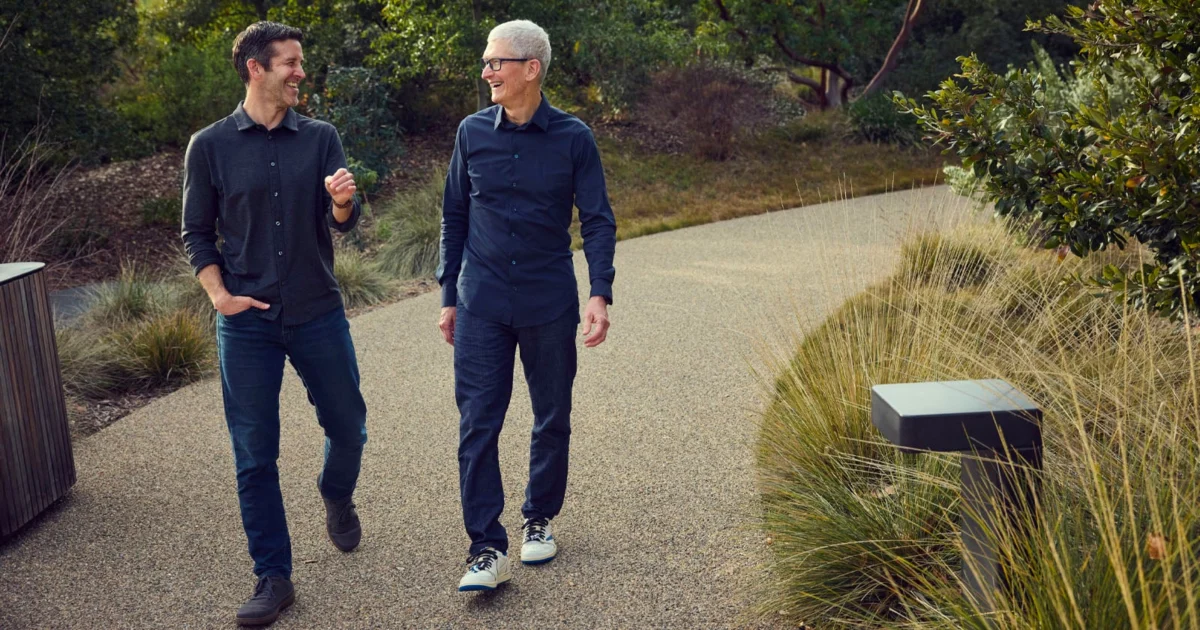
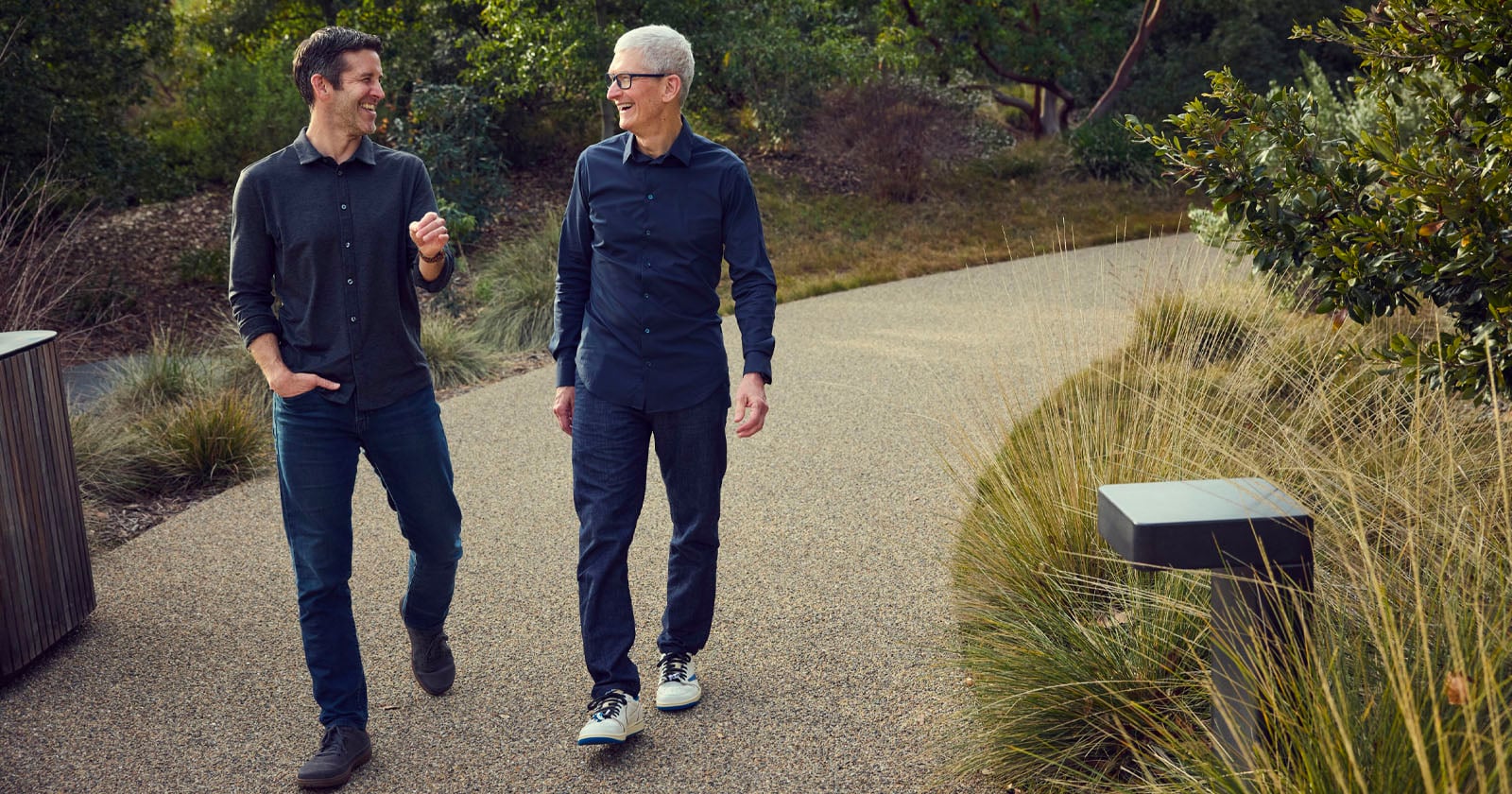
In a move that signals the end of a transformative era for the world’s most valuable technology company, Apple Inc. has announced that Tim Cook will step down as Chief Executive Officer on September 1. Cook, who has led the Cupertino-based giant since August 2011, will transition to the role of Executive Chairman of the Board. The company’s Board of Directors has unanimously appointed John Ternus, currently Apple’s Senior Vice President of Hardware Engineering, to succeed him as CEO.
The transition comes after a nearly 15-year tenure for Cook, who took the helm just weeks before the passing of Apple co-founder Steve Jobs. Under Cook’s leadership, Apple evolved from a premium computer and smartphone manufacturer into a global services and wearables powerhouse, reaching unprecedented financial milestones and expanding its ecosystem into the lives of billions. Cook will remain in his current capacity throughout the summer months to oversee the leadership handover, ensuring a seamless transition for the company’s internal operations and its global supply chain.
The Succession of John Ternus
John Ternus has long been viewed by industry analysts and Apple insiders as a frontrunner for the CEO position. A veteran of the company for over two decades, Ternus joined Apple’s Product Design team in 2001. His rise through the ranks has been characterized by a deep involvement in the engineering of Apple’s most iconic products. He was promoted to Vice President of Hardware Engineering in 2013 and joined the executive team as Senior Vice President in 2021, taking over the role previously held by Dan Riccio.
Ternus has been a visible figure in Apple’s public-facing strategy, frequently appearing in keynote presentations to introduce breakthroughs in the Mac, iPad, and iPhone lineups. Most notably, he was instrumental in the company’s historic transition from Intel processors to Apple Silicon, a move that redefined the performance and efficiency benchmarks of the personal computing industry.
In a statement following the announcement, Cook expressed absolute confidence in his successor. "John Ternus has the mind of an engineer, the soul of an innovator, and the heart to lead with integrity and with honor," Cook said. "He is a visionary whose contributions to Apple over 25 years are already too numerous to count, and he is without question the right person to lead Apple into the future."
Ternus, accepting the appointment, emphasized his commitment to the company’s foundational values. "I am profoundly grateful for this opportunity to carry Apple’s mission forward," Ternus stated. "Having spent almost my entire career at Apple, I have been lucky to have worked under Steve Jobs and to have had Tim Cook as my mentor. I am humbled to step into this role, and I promise to lead with the values and vision that have come to define this special place for half a century."
The Tim Cook Legacy: A Financial and Cultural Retrospective
When Tim Cook assumed the CEO role in 2011, Apple was a highly successful company with a market capitalization of approximately $350 billion. Critics at the time questioned whether an "operations expert" could maintain the creative spark ignited by Steve Jobs. Over the subsequent decade and a half, Cook silenced skeptics by overseeing a period of growth unparalleled in corporate history.
Under Cook’s watch, Apple’s market valuation soared, eventually surpassing the $3 trillion mark. He successfully diversified the company’s revenue streams, reducing its heavy reliance on iPhone hardware sales by building a massive Services division that includes the App Store, iCloud, Apple Music, and Apple TV+. Furthermore, he oversaw the launch of entirely new product categories, most notably the Apple Watch and AirPods, which now dominate the wearables market.
Cook’s tenure was also defined by a shift toward social responsibility and environmental sustainability. He spearheaded the "Apple 2030" initiative, a bold commitment to make the company’s entire supply chain and product life cycle carbon neutral by the end of the decade. Additionally, he became a prominent advocate for user privacy, frequently clashing with other tech giants and regulatory bodies to position privacy as a "fundamental human right."
Timeline of Apple’s Leadership and Ternus’s Career
To understand the weight of this transition, it is necessary to look at the chronological progression of both the company and its incoming leader:
- 1998: Tim Cook joins Apple as Senior Vice President for Worldwide Operations.
- 2001: John Ternus joins Apple’s Product Design team.
- August 2011: Steve Jobs resigns as CEO; Tim Cook is named his successor.
- 2013: John Ternus is promoted to Vice President of Hardware Engineering.
- 2014: Apple launches the Apple Watch, the first major new product category under Cook.
- 2020: Apple announces the transition to Apple Silicon, a project heavily managed by Ternus’s engineering team.
- 2021: Ternus is elevated to the Executive Team as Senior Vice President of Hardware Engineering.
- 2024: Apple launches Vision Pro, marking the company’s entry into spatial computing.
- 2026: Tim Cook announces his departure as CEO, effective September 1; John Ternus is named successor.
Market and Industry Reactions
The announcement of a leadership change at Apple invariably sends ripples through the global economy. Early reactions from Wall Street suggest a "cautiously optimistic" outlook. Analysts note that by choosing an internal candidate like Ternus, Apple is signaling stability and continuity rather than a radical shift in direction.
"Tim Cook’s greatest achievement might be the institutionalization of Apple," said one senior technology analyst. "He turned a company that was dependent on the genius of one man into a self-sustaining engine of innovation and operational excellence. John Ternus is a product of that engine. He understands the culture, the design language, and the engineering rigor that makes Apple unique."
However, Ternus will face immediate challenges. The smartphone market has reached a point of saturation in many regions, and Apple is under increasing pressure to lead in the field of Artificial Intelligence (AI). While the company recently integrated "Apple Intelligence" across its platforms, the pace of innovation in generative AI remains a primary concern for investors. Furthermore, Ternus will need to navigate escalating antitrust scrutiny in both the United States and the European Union, where Apple’s "walled garden" ecosystem is being challenged by regulators.
Engineering the Future: What to Expect Under Ternus
As a hardware engineer by trade, Ternus is expected to bring a product-centric focus to the CEO office. While Cook was known for his mastery of the supply chain and logistics, Ternus is deeply embedded in the "how" and "why" of Apple’s physical devices. This could signal a renewed emphasis on hardware breakthroughs and the refinement of emerging technologies like Foldables or further advancements in Spatial Computing.
The transition to Executive Chairman for Tim Cook mirrors the path taken by many successful tech founders and long-term CEOs. In this role, Cook is expected to remain involved in high-level strategy, government relations, and the oversight of the company’s broader social and environmental goals. This allows Ternus to focus on the day-to-day operations and product roadmap while still having access to Cook’s institutional knowledge and diplomatic expertise.
Global Impact and Operational Continuity
Apple’s influence extends far beyond the consumer electronics sector. With a supply chain that spans dozens of countries and supports millions of jobs, any change at the top is a matter of geopolitical significance. Ternus inherits a company that has increasingly diversified its manufacturing base, moving portions of production to India and Vietnam to mitigate risks associated with over-reliance on a single region.
Internal memos circulated within Apple Park suggest that the mood is one of "reflective celebration." Employees have been encouraged to recognize Cook’s contributions while looking forward to the "next chapter" under Ternus. The September 1 effective date is strategically timed, occurring just before the company’s traditional autumn product launches, where Ternus is expected to make his first appearance as the sitting CEO.
As the tech industry watches closely, the consensus remains that Apple has prepared for this moment for years. The "Cook era" will be remembered as the period when Apple became a titan of industry, while the "Ternus era" will likely be defined by how the company integrates intelligence and immersion into the next generation of human-computer interaction. For now, the transition represents a passing of the torch from a leader who built the world’s most successful business to a leader who helped build the products that made that success possible.

