


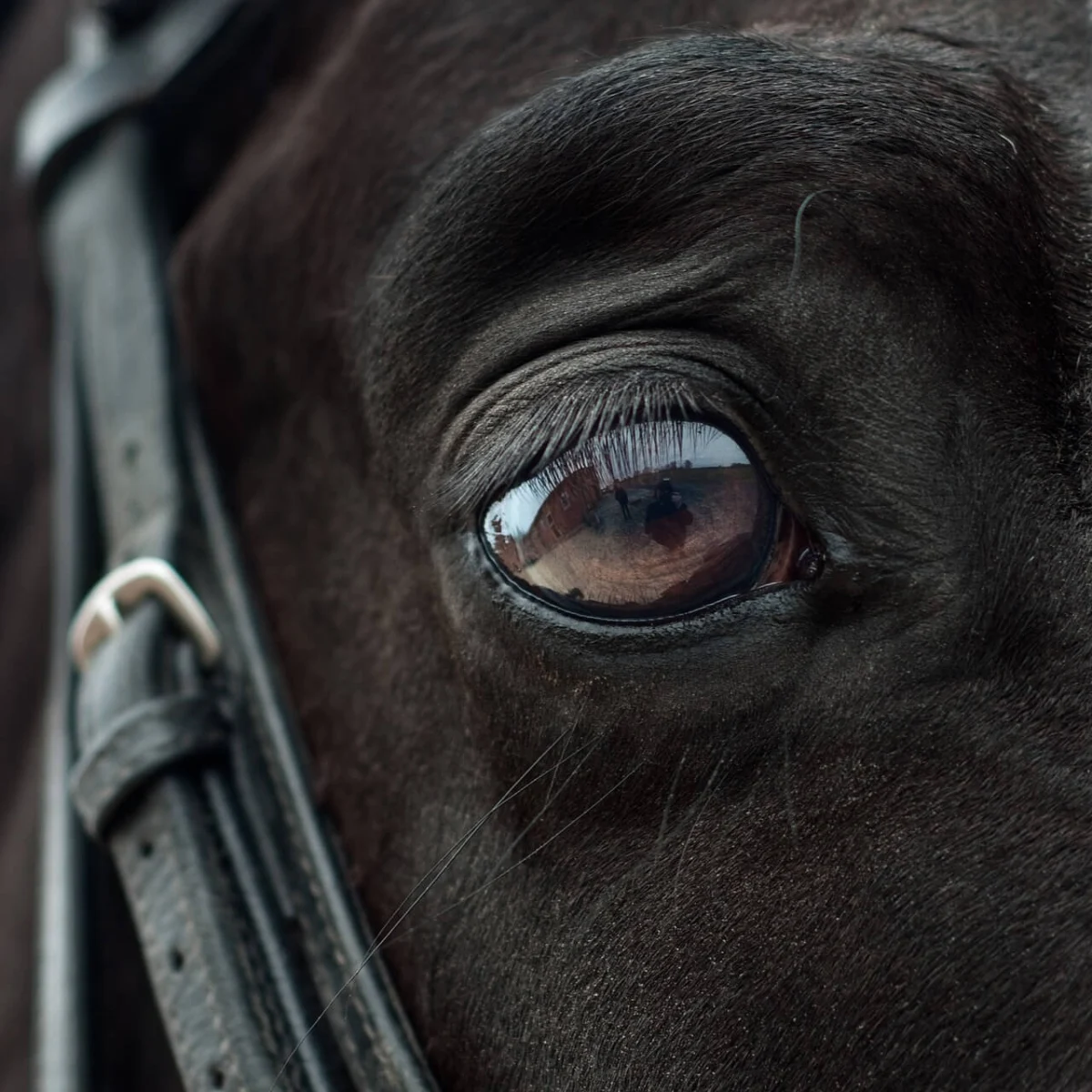
The tranquil evening in Gaston, South Carolina, was shattered on April 18, 2026, when a celebratory rodeo event at Rancho El Eden devolved into a scene of mass panic. At least six individuals sustained significant injuries and were transported to local trauma centers after a horse stampede, reportedly ignited by the use of pyrotechnics, surged through the spectator areas and confined enclosures. The incident has reignited a fierce national debate regarding the safety protocols of rural sporting events and the physiological impact of loud noises on livestock in high-stress environments.
The event, which had drawn a significant crowd from across Lexington County, was intended to be a showcase of traditional horsemanship and community gathering. However, witnesses report that the atmosphere shifted instantaneously when fireworks were discharged near the holding pens. The sudden auditory and visual assault triggered an instinctive flight response in the horses, causing them to breach temporary barriers and collide with attendees who had little time to seek cover.
Chronology of the Gaston Stampede
The proceedings at Rancho El Eden began in the late afternoon, with various equestrian demonstrations and livestock competitions. According to local law enforcement and event schedules, the program was slated to conclude with a celebratory display. At approximately 9:15 p.m., the first series of fireworks was launched.
Eyewitness accounts suggest that the horses, already sensitized by the noise of the crowd and the physical demands of the rodeo, reacted with immediate distress. Within seconds, a group of horses broke through a section of the perimeter fencing. The resulting stampede lasted less than five minutes but left a trail of destruction. Emergency services were dispatched at 9:22 p.m., with Lexington County EMS and Gaston Fire Department units arriving shortly thereafter to find a chaotic scene of injured bystanders and loose animals.
First responders prioritized triage for the six most severely injured attendees. Reports from the scene indicated a range of injuries consistent with a stampede, including blunt force trauma, lacerations from splintered fencing, and internal injuries resulting from being trampled. By 10:00 p.m., the site was secured, and the remaining animals were rounded up by ranch hands and local volunteers, though the emotional toll on the community remained palpable.
Medical Response and Patient Status
The six victims were transported to regional medical facilities, including Lexington Medical Center and Prisma Health Richland Hospital. While the identities of the injured have been withheld pending family notifications, hospital spokespersons confirmed that three individuals were in stable condition, while two others remained in critical care due to the severity of their crush-related injuries. One minor was among those treated for non-life-threatening contusions and released the following morning.
Medical professionals specializing in emergency trauma note that injuries sustained during animal stampedes are particularly complex. "When a 1,200-pound animal is in a state of panic, the kinetic energy involved in a collision is immense," stated Dr. Marcus Thorne, an emergency medicine consultant. "We often see a combination of skeletal fractures and soft tissue damage that requires multi-disciplinary surgical intervention."
The Physiological Impact of Fireworks on Equines
The Gaston incident highlights a well-documented but often overlooked conflict between human entertainment and animal physiology. Horses are "precocial" prey animals, meaning they are born with highly developed senses and an innate drive to flee from perceived threats. Their hearing is significantly more sensitive than that of humans, capable of detecting high-frequency sounds and distant vibrations that precede an actual event.
Veterinary behaviorists explain that the explosive sound of fireworks, coupled with the unpredictable flashes of light, creates a "sensory overload" for equines. In a confined rodeo environment, where the animals are already experiencing elevated cortisol levels due to the presence of large crowds and physical exertion, the addition of pyrotechnics can serve as a catalyst for a full-scale panic response.
"For a horse, a firework is not a celebration; it is an explosion indicating an immediate threat to life," explained Dr. Elena Vance, a specialist in equine behavior. "In a stampede, the ‘herd mentality’ takes over. If one horse bolts, the others follow instinctively, regardless of obstacles or the presence of humans. This is a physiological certainty, not an accidental behavior."
Comparative Analysis: A History of Rodeo Incidents
The tragedy at Rancho El Eden is not an isolated occurrence in the world of livestock entertainment. Industry critics and safety advocates point to a string of similar incidents that suggest a systemic issue with safety regulations at non-sanctioned or smaller-scale rodeo events.
In 2024, the Riding on Faith Rodeo Summer Series in Bandera, Texas, saw a fatal encounter when a bull rider was thrown and subsequently trampled, leading to his death. These incidents often highlight the inherent risks involved when humans and large, stressed animals interact in close quarters. Data from the National Institute for Occupational Safety and Health (NIOSH) indicates that animal-related injuries are a leading cause of morbidity in rural entertainment sectors, yet the specific combination of fireworks and livestock remains largely unregulated at the local level in many states.
In South Carolina, while there are general safety guidelines for public gatherings, specific ordinances regarding the proximity of pyrotechnics to livestock enclosures are often left to the discretion of event organizers. The Gaston incident may prompt a legislative review of these standards to prevent future occurrences.
Broader Implications for Public Safety and Animal Welfare
The fallout from the Gaston stampede extends beyond the immediate physical injuries. It has sparked a broader conversation about the ethics of using animals in entertainment and the responsibility of organizers to mitigate known risks.
Animal welfare organizations, including PETA, have long advocated for the cessation of rodeos, citing the use of "hot shots" (electric prods) and aggressive spurs to induce bucking as evidence of inherent cruelty. However, the safety argument is gaining traction among a wider demographic. The Gaston incident demonstrates that animal welfare and human safety are inextricably linked; when the well-being of the animal is compromised by environmental stressors like fireworks, the safety of the public is also placed in jeopardy.
Furthermore, the impact of fireworks on other vulnerable populations has become a focal point of the discussion. Veterans suffering from Post-Traumatic Stress Disorder (PTSD) and individuals with sensory processing disorders often find the sudden, explosive noise of fireworks to be debilitating. Local advocacy groups in Lexington County are now calling for a transition toward "silent fireworks" or laser light shows, which provide visual entertainment without the auditory triggers that cause distress to both humans and animals.
Official Responses and Potential Investigations
The Lexington County Sheriff’s Department has initiated a preliminary investigation into the events at Rancho El Eden. Investigators are expected to review the permits issued for the fireworks display and determine whether the pyrotechnic team adhered to safety distances required by state law.
"We are currently gathering statements from witnesses and reviewing any available video footage to determine the exact sequence of events," said a department spokesperson. "Our primary focus is determining if there was a breach of safety protocols that led to this unfortunate incident."
Representatives for Rancho El Eden have expressed their regret over the injuries but have yet to release a detailed statement regarding their internal safety reviews or future plans for the venue. In the interim, community members have organized support funds for the victims, and several local livestock associations have called for a "safety summit" to discuss the implementation of stricter guidelines for the use of loud noises during equestrian events.
Conclusion: The Path Forward for Rural Entertainment
As Gaston recovers from the shock of the April 18 stampede, the event serves as a stark reminder of the volatility of nature when placed under duress. The intersection of tradition, entertainment, and safety is a complex landscape, particularly in regions where rodeos are a deeply ingrained cultural staple.
The data gathered from this incident—ranging from the medical outcomes of the injured to the behavioral analysis of the panicked horses—will likely inform future policy. Whether through increased regulation of pyrotechnics, enhanced barrier requirements, or a shift in the types of entertainment offered, the goal remains the same: ensuring that community celebrations do not result in preventable tragedies.
For now, the focus remains on the recovery of the six individuals hospitalized. Their journey toward healing will undoubtedly be shadowed by the memory of a night when a celebration turned into a desperate scramble for survival, leaving a lasting mark on the Gaston community and the broader conversation on the coexistence of human festivities and animal welfare.

