


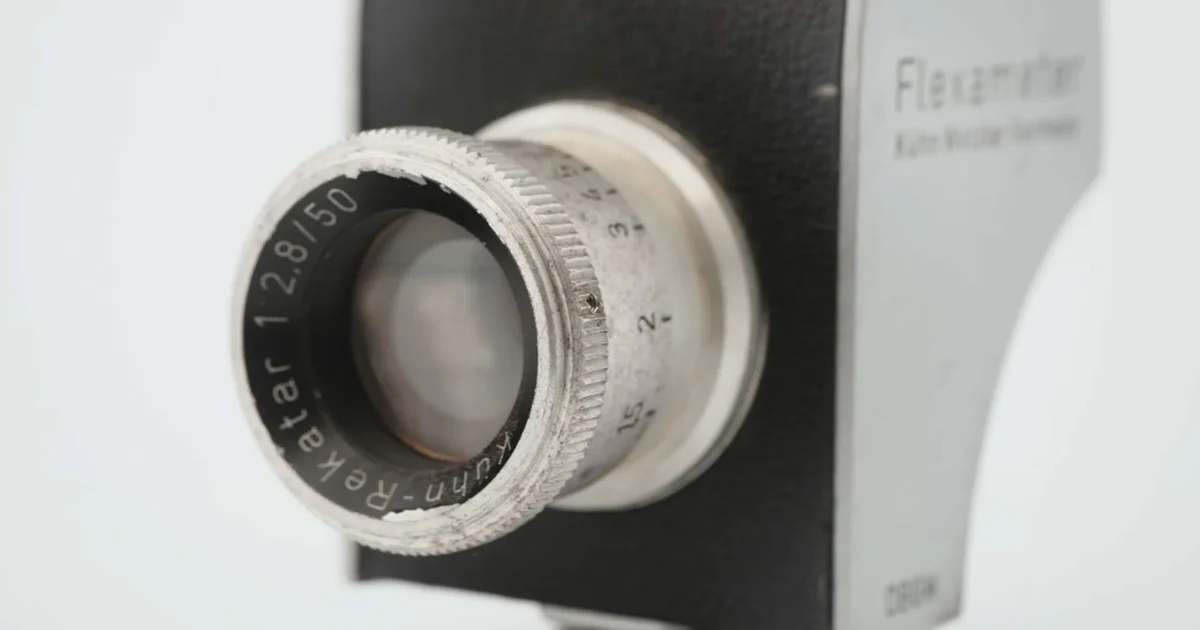
The evolution of 35mm photography is often viewed through the lens of major camera releases, yet the history of the medium is equally defined by the ingenious accessories that solved the practical limitations of early hardware. Before the integration of coupled rangefinders became the industry standard, photographers using the revolutionary Leica cameras of the 1920s and early 1930s faced a significant hurdle: achieving precise focus. While Oskar Barnack’s invention had successfully miniaturized the camera, the early models relied heavily on scale focusing, which required photographers to estimate distances or use external measuring devices. Into this technological gap stepped the Kühn Flexameter, a sophisticated waist-level viewfinder and focusing aid that remains a testament to the precision engineering of the interwar period.
The Genesis of the Flexameter: A Family Legacy of Innovation
The Kühn Flexameter was not merely a third-party add-on; it was a product born from the very heart of the German optical industry. The device was manufactured by Kühn, a company established by Kurt Kühn and his wife, Elsie Leitz-Kühn. Elsie was the daughter of Ernst Leitz II, the visionary president of the Leitz company who had greenlit the production of the first Leica cameras. This familial connection ensured that the Flexameter was designed with an intimate understanding of the Leica’s ergonomics and optical requirements.
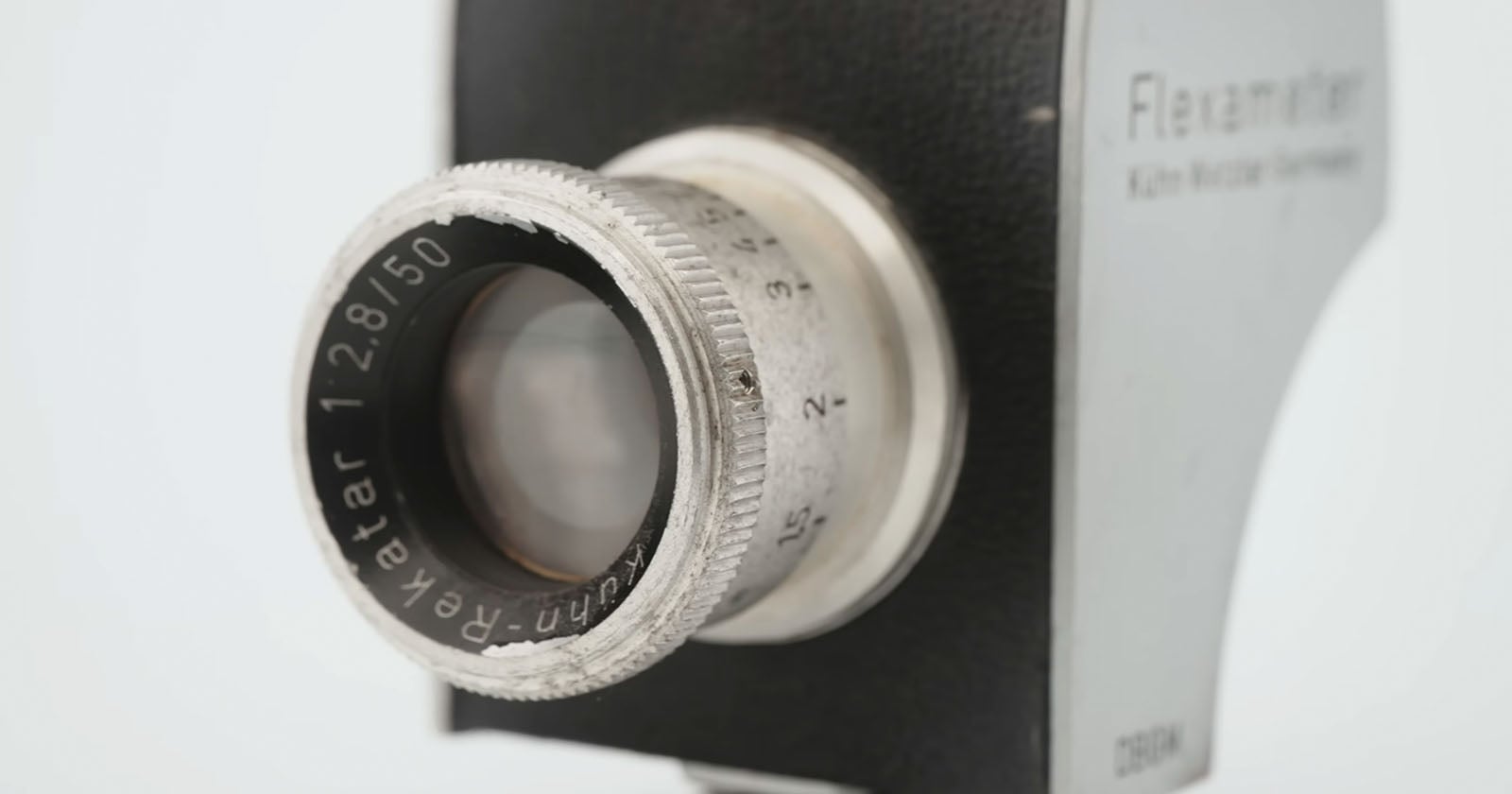
The invention of the Flexameter, dating back approximately 94 years to the early 1930s, arrived at a pivotal moment in photographic history. As the Leica I (Model A) and Leica Standard gained popularity, the demand for more accurate focusing methods grew. While Leica would eventually solve this problem internally with the launch of the Leica II (Model D) in 1932—the first 35mm camera with a built-in coupled rangefinder—the Flexameter provided an elegant, high-performance solution for those using uncoupled systems.
Technical Engineering and Operational Workflow
The Flexameter is distinguished from simpler viewfinders by its inclusion of a dedicated, focusable lens. Unlike basic "brilliant" finders that merely offered a preview of the frame, the Flexameter functioned as a secondary optical system. It featured a high-quality Dewatar f/2.8 50mm lens, which was engineered to provide a 1:1 focusing experience.
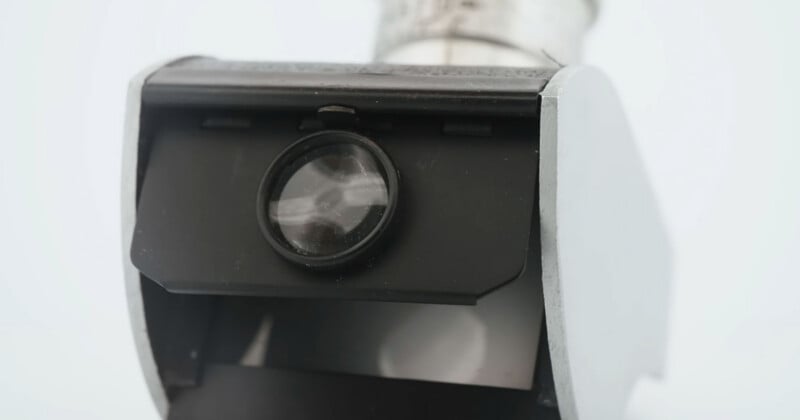
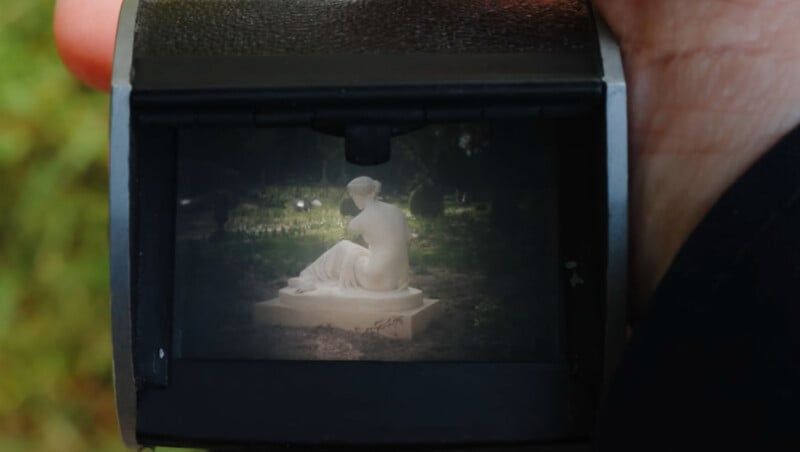
The operational workflow of the Flexameter was a multi-step process that required both patience and precision. The device was mounted onto the camera’s accessory shoe. The photographer would look down into the waist-level viewfinder, which presented a bright, clear image on a ground-glass screen. By rotating the focus ring on the Flexameter’s lens, the photographer could visually confirm when the subject was in sharp focus.
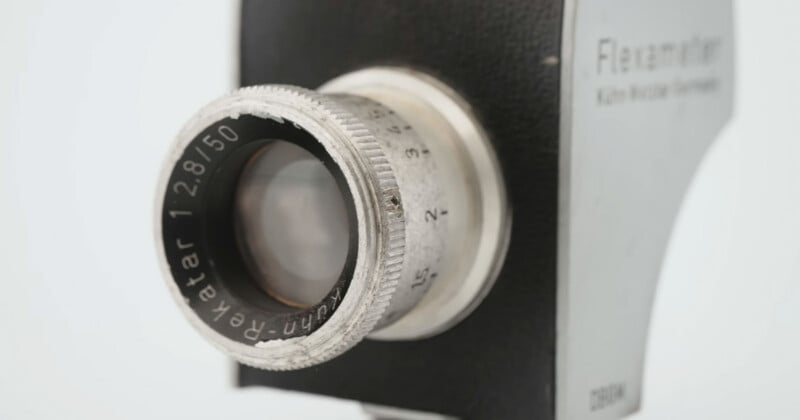
Once the image in the Flexameter was crisp, the photographer would read the distance value indicated on the Flexameter’s focus scale. This value would then be manually transferred to the focus ring of the camera’s actual taking lens. While this process was slower than modern autofocus or even coupled rangefinders, it offered a level of accuracy for close-up work and wide-aperture portraiture that was otherwise difficult to achieve with scale focusing.
Historical Context: The Leitz Family and the Leica Freedom Train
The story of the Flexameter is inseparable from the broader history of the Leitz family, whose contributions extended far beyond the realm of optics. Ernst Leitz II and Elsie Leitz-Kühn are remembered today not only for their cameras but for their humanitarian efforts during the rise of the Third Reich.
In a period of escalating persecution, the Leitz family organized what has become known as the "Leica Freedom Train." This clandestine operation involved assigning Jewish employees, family members, and even acquaintances to overseas offices in the United States, Hong Kong, France, and Britain. By designating these individuals as "sales representatives" or technical experts, the Leitz family provided them with the necessary visas and travel arrangements to escape Nazi Germany.
Elsie Leitz-Kühn played a significant role in these efforts and was eventually imprisoned by the Gestapo in 1943 for her activities, which included helping Jewish women cross the border into Switzerland and providing financial support to the families of those who had been arrested. The Flexameter, therefore, stands as a mechanical artifact from a family that prioritized human life and ethical responsibility alongside technological advancement.
The Chronology of 35mm Focusing Technology
To understand the impact of the Flexameter, one must examine the timeline of focusing technology within the Leica ecosystem:
- 1913–1914: Oskar Barnack develops the "Ur-Leica," proving the viability of 35mm cinema film for still photography.
- 1925: The Leica I (Model A) is introduced at the Leipzig Spring Fair. It features a fixed lens and no internal focusing aid, requiring users to estimate distance.
- 1930: The Leica I (Model C) introduces interchangeable lenses using the Leica Thread Mount (LTM), increasing the need for precise focusing across different focal lengths.
- 1930–1931: The Kühn Flexameter is introduced to the market, offering a 1:1 waist-level focusing solution for uncoupled Leica bodies.
- 1932: Leica releases the Model II (Model D), featuring a built-in rangefinder coupled to the lens’s focusing mechanism. This marks the beginning of the end for external focusing accessories like the Flexameter.
- 1954: The Leica M3 is released, introducing the integrated bright-line viewfinder and rangefinder that defined the modern M-series.
Modern Rediscovery: Mathieu Stern’s Visual Analysis
The Flexameter has recently resurfaced in the consciousness of the photographic community thanks to the work of experimental photographer Mathieu Stern. Known for his "weird lens" reviews and historical explorations, Stern recently showcased the Flexameter, highlighting its unique engineering and visual characteristics.
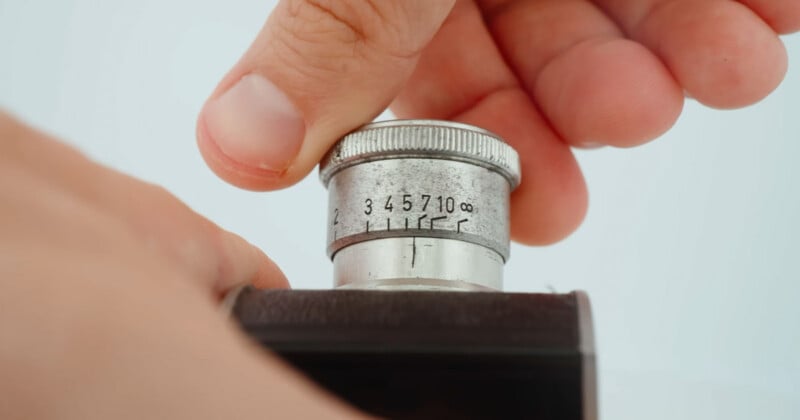
What makes Stern’s analysis particularly valuable is his ability to capture the "point of view" of the Flexameter using modern digital cinema cameras. By rigging a camera to film through the Flexameter’s viewfinder, Stern has allowed modern audiences to see exactly what a photographer in 1931 would have seen. The images revealed a surprisingly bright and sharp ground-glass view, characterized by the distinct subject separation afforded by the f/2.8 Dewatar lens.
Stern noted that while the Flexameter was designed with the Leica in mind, its use of a universal cold-shoe mount makes it compatible with a wide array of vintage cameras. This versatility allowed it to serve as a high-end upgrade for various "folder" cameras and early 35mm competitors that lacked sophisticated viewfinders.
Analysis of Implications: The Evolution of the User Interface
The Flexameter represents an important stage in the evolution of the camera’s "user interface." In the early days of photography, the act of "seeing" and the act of "capturing" were often decoupled. View cameras required the photographer to compose on a ground glass, then insert a film plate, losing the live view in the process.
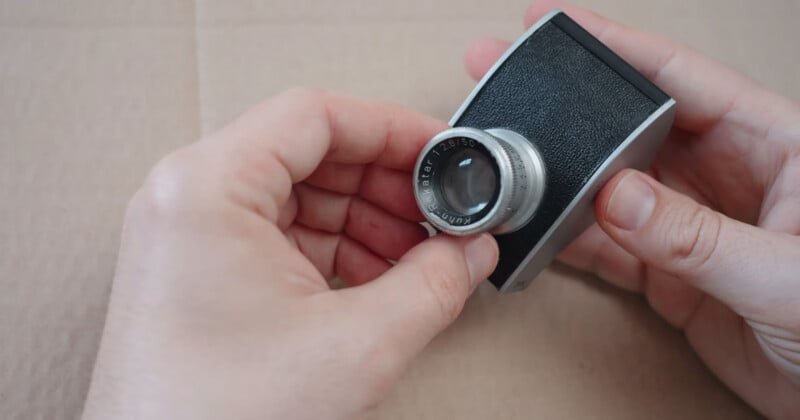
The Flexameter attempted to bring the "Twin Lens Reflex" (TLR) experience—popularized by cameras like the Rolleiflex—to the 35mm format. By providing a continuous live view through a matched lens, it gave photographers more confidence in their compositions and their focus. However, the requirement to manually transfer settings between two different lenses was a bottleneck. The eventual triumph of the coupled rangefinder, and later the Single Lens Reflex (SLR) pentaprism, was driven by the need to unify these two actions into a single, seamless motion.
The Market for High-End Accessories in the 1930s
The existence of the Flexameter also sheds light on the economic landscape of 1930s photography. During this era, a Leica camera was a luxury item, often costing several months’ wages for a skilled worker. Owners were willing to invest in high-quality accessories to maximize the utility of their cameras.
The Kühn company positioned the Flexameter as a premium tool for serious amateurs and professionals. It was particularly favored for macro photography and portraiture, where the shallow depth of field made scale focusing nearly impossible. The fact that the device was built with such high-grade materials—chrome-plated brass and precision-ground glass—indicates that it was intended to last as long as the camera itself.
Legacy and Historical Significance
Today, the Kühn Flexameter is a rare collector’s item, often found in the cabinets of Leica enthusiasts rather than in the field. Its practical utility has been superseded by nearly a century of innovation, from the split-image rangefinder to modern eye-tracking autofocus. Yet, it remains a "clever relic," as Mathieu Stern describes it.
The Flexameter is a physical reminder of a time when photographic challenges were solved through mechanical ingenuity rather than software algorithms. It stands as a bridge between the era of "guessing" focus and the era of "seeing" focus. Furthermore, its connection to the Leitz family ensures that it is remembered not just as a piece of brass and glass, but as a part of a larger story of human courage and industrial excellence.
As camera technology continues to move toward total automation, the Flexameter serves as a poignant reminder of the tactile, deliberate nature of early 20th-century photography. It required the photographer to be an active participant in the physics of light, calculating distances and visualizing depth in a way that modern technology has largely rendered invisible. For those who study the history of the craft, the Flexameter remains one of the most unique and brilliantly engineered solutions to ever sit atop a camera.

