


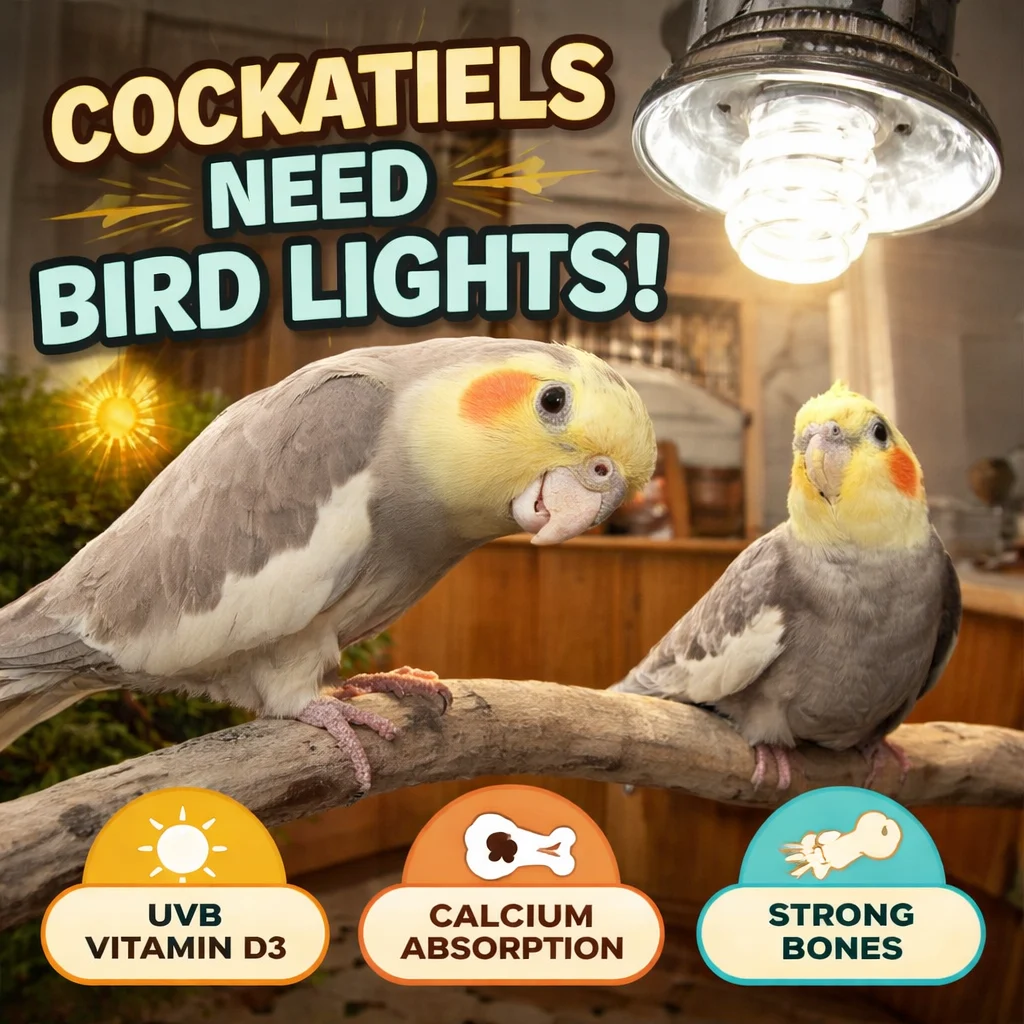
For millions of households worldwide, pet birds represent cherished companions, bringing vibrancy and melody into indoor spaces. However, a widespread and often overlooked aspect of their care—proper lighting—poses a significant challenge to their long-term health and well-being. Despite seemingly bright home environments, the vast majority of indoor birds are deprived of essential ultraviolet B (UVB) radiation, a critical component for metabolic processes, leading to a silent epidemic of Vitamin D3 deficiency and associated health complications.
The Unseen Imperative: Why UVB is Non-Negotiable for Avian Health
The fundamental principle underpinning the necessity of UVB lighting for birds is their unique physiological mechanism for synthesizing Vitamin D3. Unlike mammals who can absorb some dietary Vitamin D3 directly, most avian species, especially psittacines (parrots) and passerines (songbirds), primarily rely on a photoreaction in their skin. When UVB light penetrates the unfeathered skin (e.g., around the eyes, cere, and legs), it converts a precursor molecule, 7-dehydrocholesterol, into pre-vitamin D3. This pre-vitamin D3 is then isomerized by heat and further metabolized in the liver and kidneys into calcitriol, the active form of Vitamin D3.
Calcitriol is indispensable for calcium homeostasis. It regulates calcium and phosphorus absorption from the gut, facilitating their deposition into bones, and plays a crucial role in nerve and muscle function, immune response, and eggshell formation in laying hens. Without adequate UVB exposure, this vital pathway is interrupted, rendering even a calcium-rich diet largely ineffective, as the body cannot properly absorb and utilize the mineral.
The Deceptive Brightness of Indoor Environments
A common misconception among bird owners is that a brightly lit room or proximity to a window provides sufficient light for their avian companions. This is factually incorrect. Standard window glass, whether single or double-paned, acts as an almost complete barrier to UVB radiation, filtering out 90-99% of these crucial wavelengths. Consequently, a bird perched directly in front of a sunlit window receives virtually no therapeutic UVB. Similarly, typical incandescent, fluorescent, or LED household lighting, while providing visible light, emits negligible to zero UVB. These artificial light sources are primarily designed for human visual comfort and do not replicate the specific spectral requirements for avian physiological processes.
The full spectrum of natural sunlight includes UVA, UVB, and UVC. While UVC is harmful and filtered by Earth’s atmosphere, UVA (320-400 nm) is important for avian vision, mood regulation, and reproductive behavior. However, it is the UVB spectrum (290-320 nm) that is critical for Vitamin D3 synthesis. Indoor birds, therefore, exist in a perpetual state of "light starvation" in the UVB range, irrespective of how visually bright their surroundings may appear to human eyes.
A Chronology of Decline: The Progression of Vitamin D3 Deficiency
The absence of adequate UVB does not manifest in immediate, dramatic symptoms. Instead, Vitamin D3 deficiency often progresses insidiously, with early signs being subtle and easily misinterpreted, until more severe and debilitating conditions emerge. Avian veterinarians widely acknowledge that birds, as prey animals, possess an innate instinct to mask weakness or illness, making early detection particularly challenging for owners.
-
Early Stages (Months): Subtle Behavioral and Physical Changes
- Reduced Activity and Lethargy: Birds may become less playful, energetic, or vocal.
- Mood Fluctuations: Increased irritability, anxiety, or apparent depression, often attributed to other factors.
- Dull Plumage: Feathers may lose their vibrant sheen, appearing duller or more brittle, indicating compromised keratin synthesis.
- Weakened Grip: A subtle but important sign, as calcium is vital for muscle contraction and bone strength. Owners might notice difficulty perching or a less secure grasp.
- Suboptimal Immune Function: While not immediately visible, a compromised immune system makes birds more susceptible to infections.
-
Intermediate Stages (Several Months to a Year): Emerging Clinical Signs
- Uncoordinated Flight: Calcium’s role in muscle and nerve function means its deficiency can impair motor skills, leading to clumsy or hesitant flight.
- Reproductive Issues: For breeding birds, this can manifest as soft-shelled eggs, egg binding (a life-threatening condition where an egg gets stuck in the oviduct), or reduced fertility. Calcium is paramount for eggshell formation and muscle contractions during laying.
- Beak and Nail Abnormalities: Overgrowth or brittleness of the beak and nails can sometimes be linked to mineral imbalances.
-
Advanced Stages (Over a Year): Severe and Life-Threatening Conditions
- Metabolic Bone Disease (MBD): This is the most severe and common consequence of chronic Vitamin D3 and calcium deficiency. Bones become decalcified, brittle, and prone to fractures. Symptoms include lameness, pathological fractures (fractures occurring with minimal trauma), and skeletal deformities (e.g., bowed legs, spinal curvature).
- Hypocalcemic Seizures/Tremors: Severe calcium depletion can lead to neurological dysfunction, causing tremors, muscle spasms, and life-threatening seizures.
- Organ Dysfunction: Long-term mineral imbalance can strain kidneys and other organs involved in calcium metabolism.
- Growth Retardation: Young birds suffering from deficiency may exhibit stunted growth and permanent skeletal abnormalities.
It is crucial for owners to understand that by the time overt symptoms like falling, tremors, or egg-binding become apparent, the underlying deficiency has likely been developing for many months, making intervention more challenging and the prognosis potentially guarded. This underscores the preventive nature of appropriate UVB lighting.
Scientific Consensus and Expert Recommendations
Leading avian veterinarians and scientific bodies globally have long advocated for the provision of species-appropriate UVB lighting for all indoor pet birds. The American Veterinary Medical Association (AVMA) and various avian specialty groups emphasize that simulating natural environmental conditions, including light spectrum, is fundamental to comprehensive avian care. Dr. Greg J. Harrison, a renowned avian veterinarian, frequently highlighted the critical role of light in his extensive research and practice, linking its absence to a myriad of health issues. Research published in journals like the Journal of Avian Medicine and Surgery consistently reinforces the scientific basis for UVB’s necessity in avian physiology.
Studies indicate that captive birds without adequate UVB exposure are significantly more prone to conditions such as Metabolic Bone Disease, hypocalcemia, and reproductive disorders compared to those provided with appropriate lighting. For instance, populations of captive African Grey Parrots, a species particularly susceptible to hypocalcemia, have shown marked improvement in calcium metabolism and overall health when provided with supplemental UVB. This collective expert consensus is not speculative but is rooted in decades of clinical observation, physiological research, and successful outcomes in avian medicine.
Implementing Safe and Effective UVB Lighting: A Practical Guide
While the necessity of UVB is clear, its incorrect application can pose risks. The key lies in understanding the principles of "distance, duration, and proper fixture type" to mimic natural sun exposure safely and effectively.
-
Choosing the Right Bulb:
- Type: Look for "full-spectrum" or "UVB-emitting" fluorescent tube bulbs or compact fluorescent lamps (CFLs) specifically designed for reptiles or birds. Mercury vapor bulbs are also an option for larger enclosures, providing both heat and UVB, but require careful placement due to higher output. Avoid bulbs marketed simply as "full-spectrum" that do not specify UVB output, as many only provide UVA and visible light.
- Output: Bulbs come in various UVB percentages (e.g., 5.0%, 10.0%). The appropriate percentage depends on the bird’s species and the distance the bulb will be from the bird. Species from arid, high-UV environments (e.g., cockatiels, budgies) may require higher output or closer placement than those from forest canopies (e.g., African Greys, Amazons).
- Flicker-Free: Opt for bulbs with high-frequency ballasts (often electronic) to eliminate the visible flicker that some birds can perceive, which can be stressful.
-
Proper Placement and Distance:
- Above the Cage: The bulb should be positioned directly above the bird’s primary perching area, not to the side, to ensure optimal penetration.
- Unobstructed: Ensure there is no glass or plastic between the bulb and the bird, as these materials block UVB. The cage top should also not impede the light.
- Optimal Distance: This is critical. For most fluorescent tube bulbs, a distance of 6 to 18 inches (approximately 15-45 cm) from the bird’s head is generally recommended. Refer to the manufacturer’s guidelines, as output varies significantly between brands and bulb types. For mercury vapor bulbs, this distance will be greater, often 18-36 inches, due to their higher intensity. The goal is to provide a "basking zone" where the bird can choose to absorb UVB.
- Shaded Areas: Always ensure there are areas within the cage where the bird can retreat from the direct light if it chooses, mimicking natural sun exposure where birds can seek shade.
-
Duration and Scheduling:
- Daily Exposure: Limit UVB exposure to short, daily sessions, typically 1 to 3 hours. This duration is sufficient to facilitate Vitamin D3 synthesis without risking overexposure.
- Timer Use: Utilizing an automatic timer is highly recommended. This ensures consistent daily exposure and prevents accidental overexposure if an owner forgets to turn the light off. It also helps regulate the bird’s circadian rhythm.
-
Bulb Replacement:
- UVB Degradation: UVB bulbs lose their UVB output long before their visible light output diminishes. Most manufacturers recommend replacing fluorescent UVB bulbs every 6 to 12 months, even if they still appear to be working. Mercury vapor bulbs generally have a longer UVB lifespan but should also be replaced according to manufacturer guidelines. Mark the replacement date on the bulb or fixture.
Monitoring Health and Recognizing Improvement
Improvements in a bird’s health following the introduction of proper UVB lighting are typically gradual, reflecting the slow process of physiological restoration rather than an immediate "flip of a switch." Owners should observe for positive changes over several weeks to months:
- Enhanced Energy and Activity: A noticeable increase in playfulness, foraging behavior, and vocalization.
- Improved Mood and Temperament: Reduced irritability, less anxiety, and a more stable, content demeanor.
- Vibrant Plumage: Feathers may appear brighter, healthier, and exhibit their true species-specific coloration.
- Stronger Grip and Coordination: More confident perching, improved balance, and smoother, more coordinated flight.
- Increased Appetite: Better overall health often translates to a healthier appetite.
Any concerns about a bird’s health should always be directed to an avian veterinarian, who can provide tailored advice and conduct diagnostic tests if needed.
Beyond the Bulb: A Holistic Approach to Avian Wellness
While UVB lighting is a critical component, it is important to remember that it is one piece of a larger puzzle for optimal avian health. A holistic approach encompasses:
- Balanced Nutrition: A high-quality, species-appropriate diet rich in fresh vegetables, fruits, and a good quality pelleted diet, with seeds offered sparingly as treats.
- Environmental Enrichment: Providing toys, foraging opportunities, and opportunities for exercise to stimulate physical and mental well-being.
- Social Interaction: Regular, positive interaction with owners or other compatible birds.
- Appropriate Cage Size and Setup: A spacious cage with varied perches and safe materials.
- Regular Veterinary Check-ups: Routine examinations with an avian veterinarian are essential for early detection and prevention of health issues.
Conclusion: A Call for Greater Awareness and Responsible Pet Ownership
The evidence is clear and overwhelming: UVB lighting is not merely an accessory but a fundamental requirement for the health and welfare of most indoor pet birds. The silent suffering caused by Vitamin D3 deficiency, manifesting as skeletal deformities, neurological disorders, and reproductive failures, is entirely preventable. By understanding the science, recognizing the subtle signs of deficiency, and implementing proper lighting protocols, bird owners can significantly enhance the quality of life, longevity, and overall vitality of their feathered companions. This commitment to providing a truly species-appropriate environment represents a cornerstone of responsible pet ownership and a testament to the profound bond shared with these remarkable creatures. As avian medicine continues to advance, the emphasis on replicating natural environmental conditions, including the critical spectrum of light, will only grow stronger, guiding owners toward a more informed and compassionate standard of care.

