


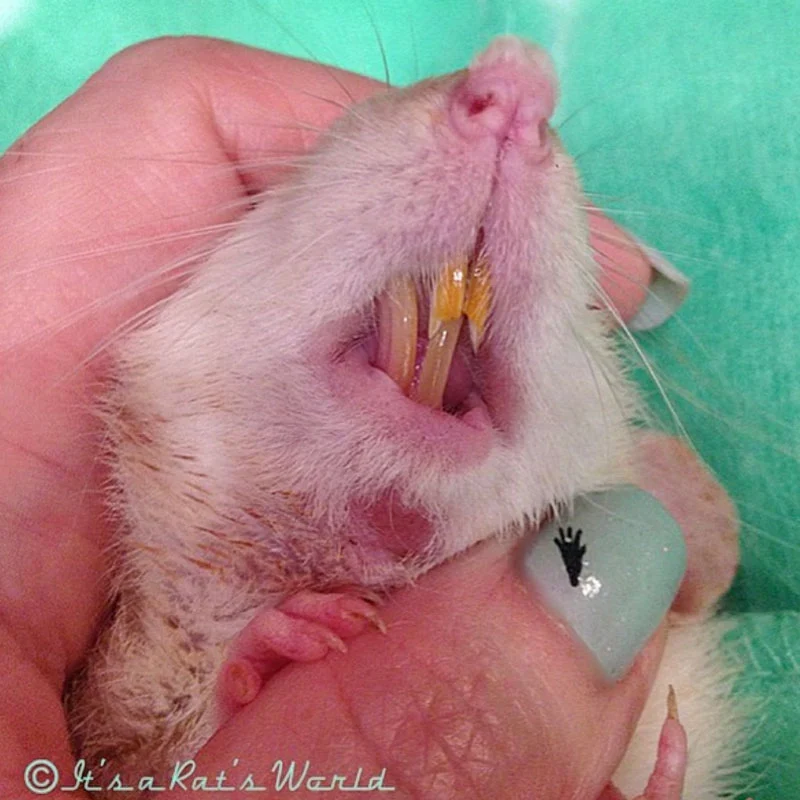
Rats, like all rodents, possess a distinctive dental characteristic that sets them apart from the animal kingdom: continuously growing incisors. This perpetual growth, a fascinating adaptation for gnawing and survival, also presents unique challenges for pet owners, necessitating a thorough understanding of their dental health. This article delves into the intricacies of rat dentition, exploring their anatomy, common issues, and proactive care strategies to ensure the well-being of these intelligent creatures.
The Science Behind Rat Incisors
The most striking feature of a rat’s dentition is its incisors, the prominent front teeth. Unlike the deciduous "baby" teeth of many mammals, which are later replaced by permanent adult teeth, rats possess only one set of teeth throughout their lives. These incisors, both upper and lower, are open-rooted, meaning they grow continuously from the base. This constant growth is essential for their survival, allowing them to gnaw through tough materials, process food, and maintain their teeth’s length and sharpness.

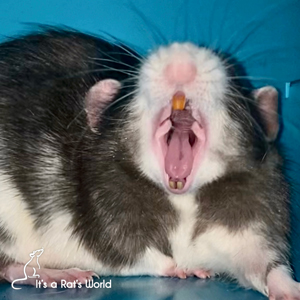
A healthy adult rat’s incisors exhibit a distinct coloration. The upper incisors typically present a dark orangey-yellow hue, while the lower incisors are a lighter yellow. Any significant change in this coloration, such as a sudden lightening or whitening, can be a critical indicator of an underlying health issue, warranting immediate veterinary attention.
Rats have a total of 16 teeth: four incisors and 12 molars. The incisors erupt first, appearing around 8-9 days of age, and are primarily used for gnawing. The molars, located at the back of the mouth, begin erupting around day 19, with the final set coming in between 35-40 days. These molars are responsible for grinding food into smaller particles before swallowing.
Fascinating Facts About Rat Dentition
Beyond their continuous growth, rat teeth are a source of several intriguing biological facts:
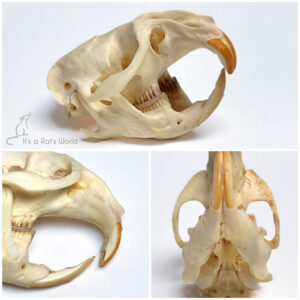
- Two Types of Teeth: Rats possess only two types of teeth: incisors and molars. This contrasts with many other mammals that have incisors, canines, premolars, and molars.
- Lifelong Dentition: Rats do not have a set of deciduous teeth. The teeth they are born with are the teeth they will have for their entire lives.
- Eruption Timeline: Incisors erupt early in life, around 8-9 days old, while molars begin to appear later, with the first set erupting around 19 days and the last by 35-40 days.
- Coloration as a Health Indicator: Healthy adult rat incisors are not white. The upper incisors are typically orangey-yellow, and the lower incisors are yellow. A shift to white or lighter colors can signal health problems.
- Cheek Skin Flaps: Behind the incisors, rats have specialized flaps of cheek skin. These folds serve to block the molars and prevent the ingestion of unwanted debris during gnawing.
- Natural Wear and Bruxing: Rats naturally wear down their incisors through gnawing and a behavior known as "bruxing." This process, involving the grinding of teeth, maintains their optimal length and sharpness. The differential hardness between the front enamel and the back dentin contributes to a sharp, beveled edge.
- Cavity Resistance: Due to the continuous growth and wear, rats are remarkably resistant to dental cavities. By the time a cavity could potentially form, the affected tooth surface is typically worn away.
- Independent Lower Jaw Movement: Rats possess two independent lower jaw bones connected by a flexible joint. This allows their lower incisors to separate and rotate slightly, aiding in sharpening and enhancing their gnawing capabilities.
- The Phenomenon of Eye Boggling: The powerful jaw muscles used for gnawing and bruxing are so forceful that they can cause a rat’s eyes to vibrate, a behavior known as "eye boggling." This is a testament to the strength and mechanics of their jaw structure.
Dispelling Common Rat Tooth Myths
Several misconceptions surrounding rat dental care have persisted for years. It is crucial to address these to ensure owners provide appropriate care:
- Myth: Rats require hard foods or specific chew toys to wear down their teeth.
Fact: Rats have evolved specialized jaw structures and behaviors, such as gnawing and bruxing, to naturally maintain their incisor length. Unless there is a diagnosed misalignment (malocclusion), providing specialized chew items is generally unnecessary. Their natural diet and behaviors are sufficient for wear. - Myth: Rats can chew through any material, including steel.
Fact: While rats possess formidable gnawing capabilities, allowing them to breach materials like brick, cement, and aluminum, they are incapable of chewing through steel. Their dental strength, though impressive, has its limits.
The Dangers of Malocclusion
The most significant dental health concern for pet rats is malocclusion, a condition where the upper and lower teeth become misaligned. This misalignment disrupts the natural wear process, leading to potentially severe consequences.
Causes of Malocclusion:
- Trauma and Injury: Falls, accidents, or being stepped on can cause jaw misalignment or even break an incisor. A fractured incisor can disrupt the even wear of the remaining teeth, leading to uneven growth.
- Oral Abscesses, Cysts, or Tumors: Growths or infections near the jaw can alter tooth alignment. Conversely, malocclusion itself can predispose a rat to developing oral abscesses or cysts as teeth rub against the gums incorrectly.
- Genetic Predisposition: Some rats are genetically predisposed to malocclusion, meaning it can occur without any apparent external cause. In such cases, management and treatment are the only options.
Consequences of Untreated Malocclusion:
The primary danger of malocclusion is overgrown teeth. If left unchecked, incisors can grow so long that they curl, puncture the roof of the mouth, or even penetrate the eye socket. This can lead to:
- Infection: Punctured tissues are highly susceptible to bacterial infections.
- Pain and Discomfort: Overgrown or misaligned teeth can cause significant pain, affecting the rat’s ability to eat and move comfortably.
- Starvation: As teeth become too long or sharp, a rat may find it impossible to grasp, chew, or swallow food, leading to malnutrition and starvation.
- Death: In severe, untreated cases, the complications arising from malocclusion can be fatal.
Malocclusion can also manifest as one set of incisors wearing down the other set excessively, leaving them as short, uneven stumps. This can impair the rat’s ability to eat and prevent the proper wear of the opposing teeth.

Proactive Measures to Minimize Risk and Detect Issues
While not all cases of malocclusion are preventable, owners can take proactive steps to reduce the risk and detect problems early:
- Safe Housing: Preventing falls and injuries is paramount. Avoid allowing rats to roam unsupervised on high surfaces like tables or beds. Secure enclosures that prevent escapes can also minimize the risk of accidents.
- Dietary Considerations: While specialized chew toys aren’t essential for healthy teeth, a varied diet that includes some harder, textured foods can contribute to overall dental health and provide enrichment.
- Regular Visual Inspections: Owners should conduct weekly or bi-weekly visual examinations of their rat’s mouth. Look for:
- Sores, infections, or redness of the gums.
- Even wear and alignment of incisors.
- Cracks, chips, or breaks in the teeth.
- Teeth that appear to be growing to a sharp point or at an unnatural angle.
- Monitoring Eating Habits: A sudden decrease in appetite, refusal of favorite treats, or difficulty chewing can be early indicators of dental pain or malocclusion.
- Observing for Signs of Discomfort: Drooling, rubbing the face against surfaces, or apparent changes in behavior can signal mouth pain.
Veterinary Intervention: Teeth Trimming and Management
When malocclusion is diagnosed, veterinary intervention is necessary. Teeth trimming, often performed by a veterinarian using a Dremel tool or specialized clippers, is a common treatment. Due to the rat’s natural tendency to squirm, light anesthesia may be required for the procedure to ensure the safety of both the rat and the veterinarian.
In some instances, a veterinarian may instruct owners on how to perform at-home trimmings. However, this is a challenging task that requires significant skill and a calm, cooperative rat, as improper trimming can lead to further injury.

For many rats with malocclusion, teeth trimming is not a one-time fix but a lifelong management strategy. The act of trimming teeth can paradoxically stimulate faster growth, requiring increasingly frequent interventions. For example, a rat that initially needs trims monthly might require them every two weeks or even weekly as the condition progresses.
Preparing for Rat Dental Care
Understanding the unique dental anatomy of rats and the potential risks associated with malocclusion empowers pet owners to provide optimal care. While the exact causes of malocclusion can be varied and sometimes unknown, proactive monitoring, prompt veterinary consultation, and diligent management are key to ensuring a rat’s quality of life. By staying informed and vigilant, owners can help their beloved companions navigate the challenges of their ever-growing teeth and maintain their health and happiness.

