


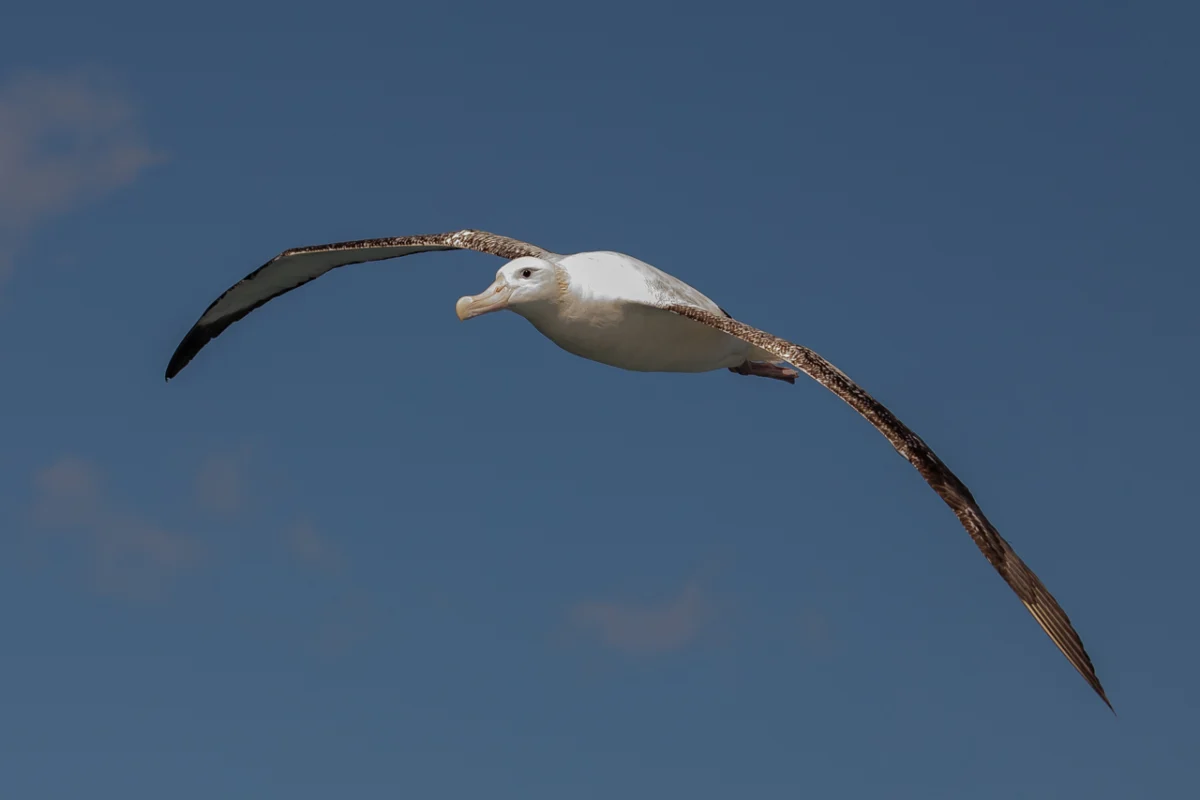
When a truly immense bird takes flight, the world below often stills. Conversations halt, heads invariably tilt upwards, and for a fleeting moment, all eyes are drawn to the heavens. The sheer scale of their wings, stretching impossibly wide and moving with a languid grace, can transform these creatures from mere animals into living aircraft, testaments to evolutionary mastery. Wingspan, the distance from one wingtip to the other, is one of nature’s most dramatic measurements. It is a fundamental indicator of a bird’s lifestyle, its migratory capabilities, and its unparalleled command of the air. The largest wingspans are the exclusive domain of soaring specialists, species that harness wind currents for hours with minimal exertion, their flight a ballet of energy efficiency. This article delves into the lives and adaptations of these aerial titans, exploring the biological marvels that allow them to conquer the skies.
The Masters of Soaring: Understanding the Aerodynamics of Grandeur
The impressive wingspans of these avian giants are not merely a matter of size; they are intricately linked to their primary mode of locomotion: soaring. Unlike smaller birds that rely on rapid wing beats for propulsion, these large flyers have evolved to exploit atmospheric energy. This strategy is crucial for their survival, particularly for species that undertake extensive migrations or spend vast amounts of time foraging over oceans or vast terrestrial landscapes.
Wing Loading and Energy Efficiency:
At its core, the evolution of large wingspans is an elegant solution to the challenges of weight and energy expenditure in flight. Wing loading refers to the ratio of a bird’s weight to its wing area. Birds with lower wing loading can fly more efficiently, especially at slower speeds, and require less energy to stay aloft. For the largest birds, the physics of flight presents a significant hurdle: as size increases, weight grows disproportionately faster than muscle strength. Continuous flapping for a creature as massive as an albatross or condor would be an unsustainable drain on its metabolic resources.

Dynamic Soaring vs. Thermal Soaring:
Nature has provided two primary blueprints for large-winged birds to overcome this limitation, leading to the distinct aerodynamic designs observed in the world’s largest flyers.
-
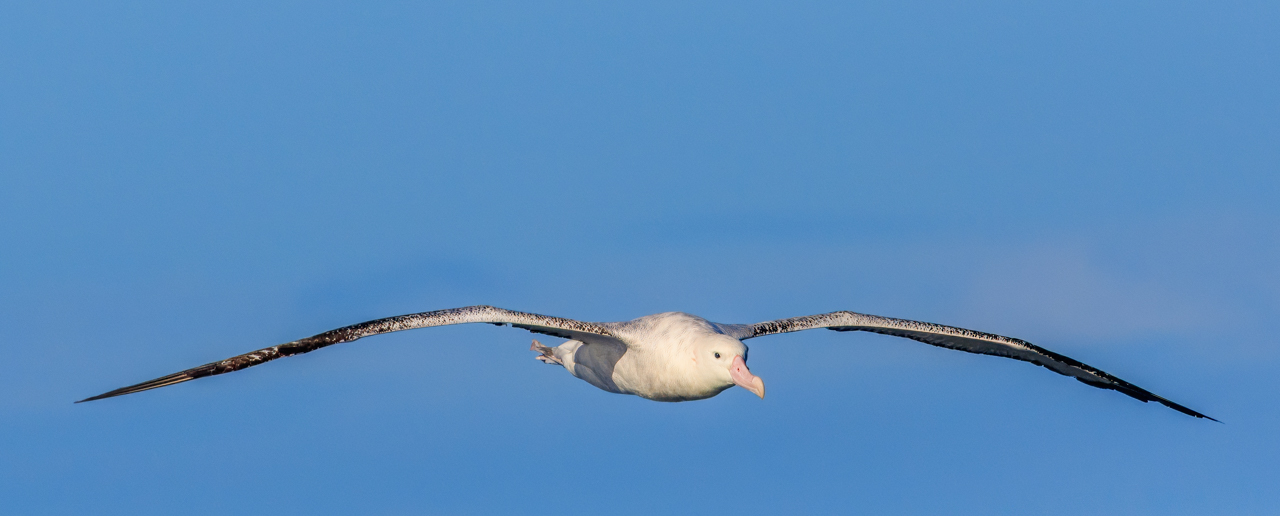
Dynamic Soaring: This technique is the hallmark of oceanic birds like albatrosses. It involves utilizing the wind gradient above the ocean’s surface. Birds fly at different altitudes where wind speeds vary. By descending into slower air near the water and then ascending into faster air higher up, they can generate forward momentum with minimal flapping. Their wings, long and narrow with a high aspect ratio (meaning they are much longer than they are wide, akin to a glider’s wings), are perfectly engineered to minimize drag and maximize lift in these wind-rich environments. This allows them to cover thousands of miles across the open ocean, often without flapping their wings for hours on end, expending less energy than they would by remaining stationary on land.
-
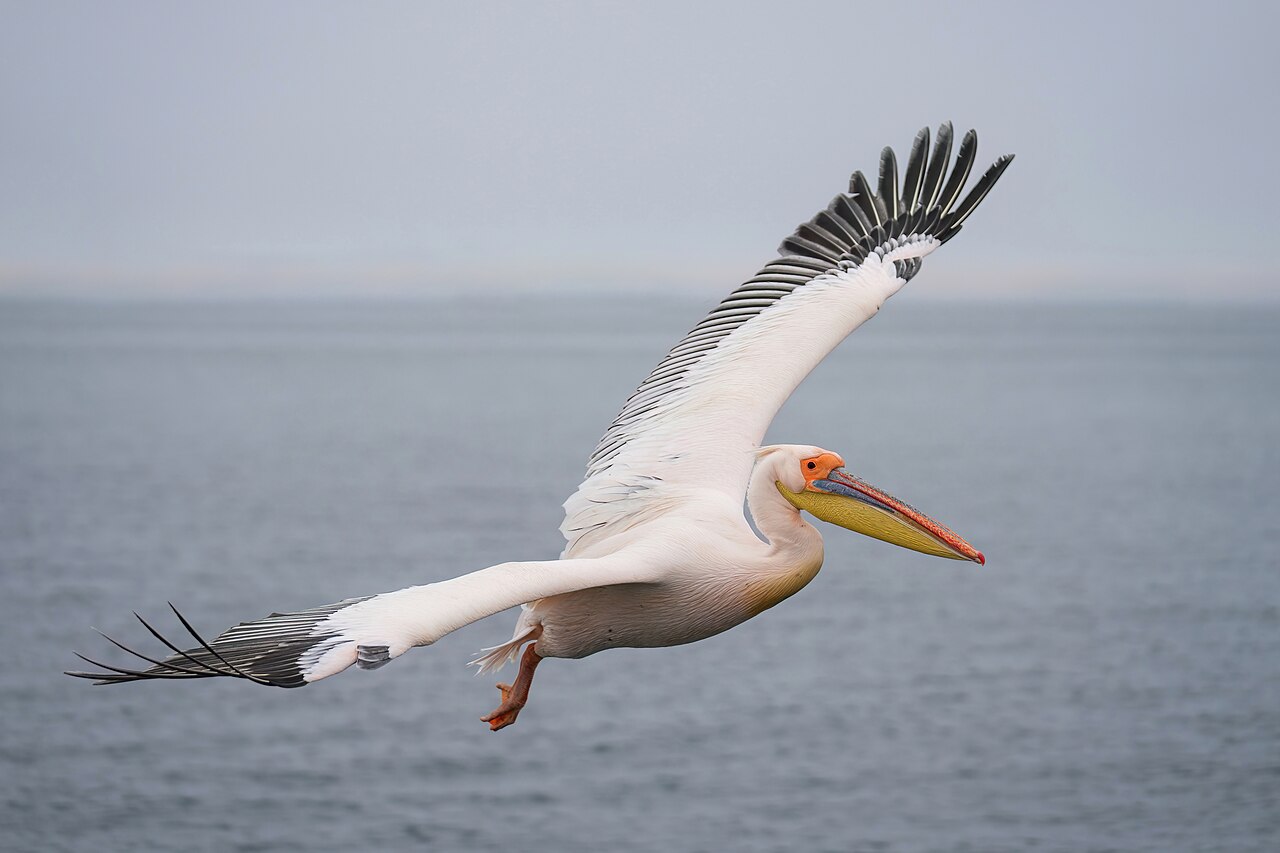
Thermal Soaring: Birds inhabiting terrestrial environments, such as condors and many pelicans, often employ thermal soaring. This method relies on rising columns of warm air, known as thermals, which are generated by solar heating of the ground. These broad-winged birds, with their relatively shorter and wider wings (a lower aspect ratio), are adept at catching these updrafts. The broad surface area provides significant lift, allowing them to ascend to great altitudes with minimal effort. The "slotted" or "fingered" primary feathers at the tips of their wings play a crucial role, acting like adjustable winglets on an aircraft. These allow for fine-tuning of airflow, reducing turbulence and enabling precise maneuvering within the often unpredictable mountain updrafts. This strategy is vital for covering vast distances in search of carrion or foraging grounds.
The Aerial Aristocracy: A Closer Look at the Giants
The following birds represent the pinnacle of avian aerial engineering, boasting wingspans that inspire awe and underscore the remarkable diversity of life on Earth.
Wandering Albatross (Diomedea exulans)
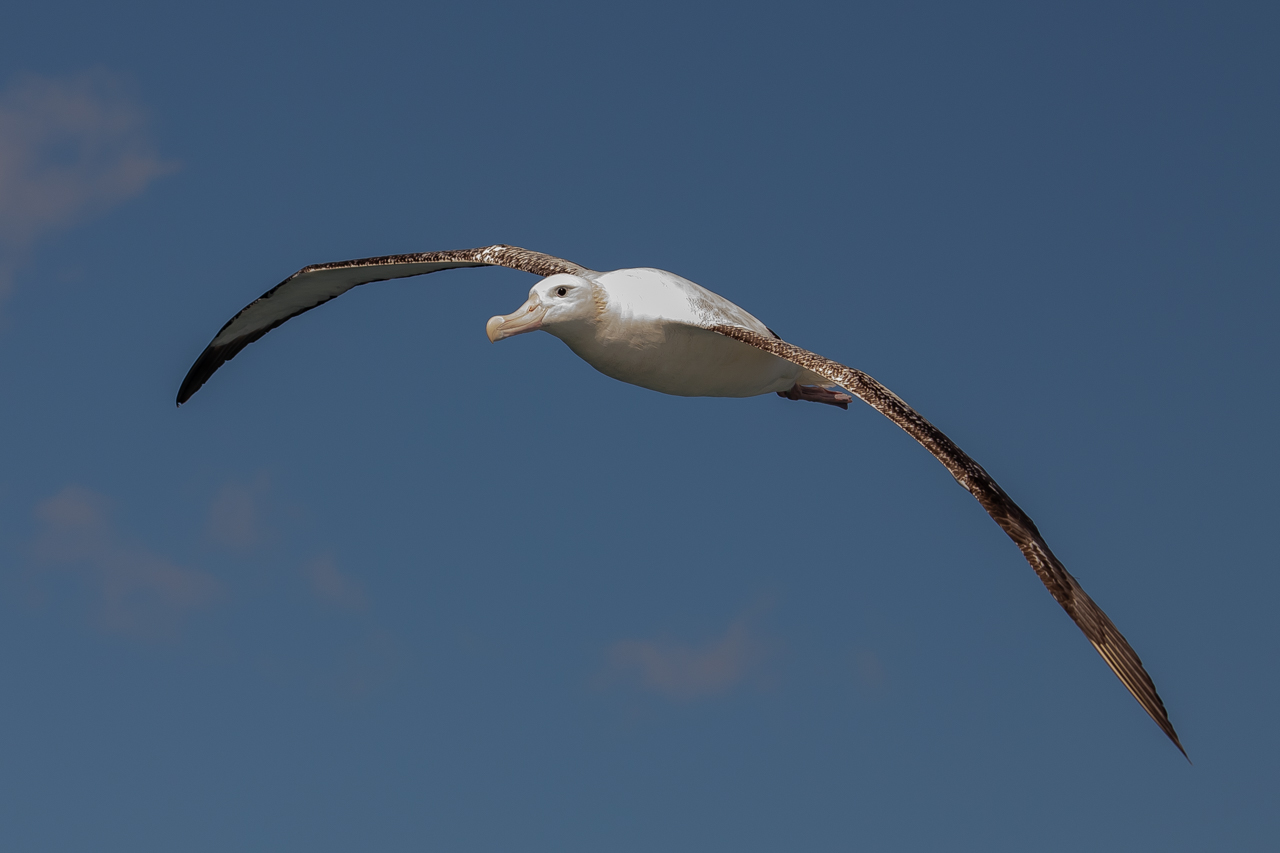
The undisputed heavyweight champion of the skies in terms of sheer wingspan is the Wandering Albatross. These magnificent seabirds possess the largest wingspan of any living bird, with adults typically measuring between 2.5 to 3.5 meters (8 to 11 feet) from tip to tip. Exceptional individuals have been recorded with even greater spans, solidifying their status as avian giants. Their wings are exceptionally long and narrow, a design feature known as a high aspect ratio. This aerodynamic configuration is a testament to their mastery of dynamic soaring, allowing them to glide effortlessly for hundreds, if not thousands, of miles over the vast expanses of the Southern Ocean with astonishingly little flapping. This energy-efficient flight is crucial for their survival, as they spend the majority of their lives at sea, returning to land only to breed. Their diet consists primarily of squid, fish, and krill, which they locate by gliding low over the ocean surface. The breeding cycle of the Wandering Albatross is also remarkably long, with chicks taking almost a year to fledge, and adults often breeding only every two years, highlighting the immense energetic investment required for reproduction.
Great White Pelican (Pelecanus onocrotalus)
A true behemoth of wetlands and coastal regions, the Great White Pelican rivals the great albatrosses in its expansive wingspan. Typically ranging from 2.3 to 3.6 meters (approximately 7.5 to 11.8 feet), its wings provide a massive surface area perfectly adapted for thermal soaring. Unlike the slender, blade-like wings of the albatross, the pelican’s wings are broad and feature characteristic "slotted" tips. This broad design is essential for generating the lift required to support its considerable body weight, which can reach up to 15 kilograms (33 pounds). The ability to soar on thermals allows them to conserve energy during long-distance migrations and while foraging for their primary food source: fish. Their distinctive pouch, used for scooping up prey, also necessitates strong wings for efficient flight, especially when carrying a significant catch back to their nesting colonies. Great White Pelicans are highly social birds, often nesting in large colonies and undertaking synchronized flights, creating a breathtaking spectacle against the sky. Their populations are found across parts of Europe, Asia, and Africa, inhabiting large lakes, river deltas, and coastal areas.

Southern Royal Albatross (Diomedea epomophora)
A close relative of the Wandering Albatross, the Southern Royal Albatross is another titan of the Southern Ocean, often considered its only true rival in terms of wingspan. Its magnificent wings typically measure between 2.9 to 3.3 meters (9.5 to 11 feet), providing the necessary surface area for effortless gliding across the notorious "Roaring Forties" and "Furious Fifties" latitudes. Structurally, its wings are similar to those of the Wandering Albatross – long, thin, and stiff – but the Southern Royal Albatross is often observed to be slightly sturdier in build. These wings function as high-performance sails. By locking their wing joints with a specialized "tendon lock," they can remain airborne for extended periods without expending muscular energy, effectively becoming living gliders that harness the powerful Antarctic gales. Their preference for the open ocean means they have a more restricted breeding range, primarily nesting on subantarctic islands such as Campbell Island and the Snares Islands off the coast of New Zealand.
Andean Condor (Vultur gryphus)
Holding the distinction of the largest wingspan among birds of prey, the Andean Condor is a symbol of the rugged Andes Mountains. Its wingspan can reach an impressive 2.7 to 3.2 meters (8.9 to 10.5 feet). Unlike the slender wings of the albatross, the condor’s wings are exceptionally broad and rectangular, optimized for maximum lift rather than high-speed gliding. At the wingtips are deep, finger-like primary feathers that the bird can adjust individually. This remarkable adaptation allows it to navigate the tricky, unpredictable updrafts of the Andean mountain ranges with precision. This enormous surface area is critical for supporting its considerable weight, making it one of the world’s heaviest flying birds. Condors can soar for hours, covering over 100 miles without a single flap, as they scan the rugged terrain below for carrion, their primary food source. The Andean Condor plays a vital ecological role as a scavenger, helping to clean up carcasses and prevent the spread of disease. Their conservation status is a significant concern, with populations declining due to habitat loss, poisoning from lead ammunition, and human persecution.

California Condor (Gymnogyps californianus)
As the largest land bird in North America, the California Condor boasts a formidable wingspan, reaching up to 2.7 to 3.0 meters (about 9 to 10 feet). Its wing architecture is similar to its Andean cousin, featuring exceptionally broad and "drag-resistant" wings. The long, flexible primary feathers at the tips fan out like fingers, expertly catching even the slightest updraft of warm air. Given their substantial weight, often between 18 to 25 pounds (8 to 11 kg), this massive wingspan is a biological necessity. It enables them to soar to altitudes of 15,000 feet and travel up to 150 miles in a single day while searching for food. Their silhouette against the sky is a distinctive, steady, soaring "plank," a testament to their design for extended gliding with minimal flapping. The California Condor faced near extinction in the late 20th century, with only a handful of individuals remaining in the wild. Intensive captive breeding programs and reintroduction efforts have led to a slow but encouraging recovery, showcasing the power of dedicated conservation initiatives.
Dalmatian Pelican (Pelecanus crispus)
The Dalmatian Pelican holds the title for the largest and heaviest of all pelican species, possessing a wingspan that is truly gargantuan. Its wings typically stretch between 2.7 to 3.5 meters (8.9 to 11.5 feet), placing it in a neck-and-neck competition with the Wandering Albatross for the widest reach in the avian world. These wings are incredibly broad and powerful, designed to lift a body that can weigh up to 15 kilograms (33 lbs). Unlike the Great White Pelican, which exhibits black primary feathers that create a distinct contrast, the Dalmatian Pelican’s wings appear more uniform in flight, with silvery-grey undersides. This gives their massive silhouette an almost ghostly appearance as they soar over the lakes and deltas of Eurasia, their primary habitat. Dalmatian Pelicans are a vital part of their wetland ecosystems, feeding on fish and playing a role in maintaining the health of these environments. Like many large water birds, they face threats from habitat degradation, pollution, and disturbance.

The Two Blueprints of Big Wings: Gliders vs. Lifters
While all these giants are masters of soaring, they achieve this through two distinct aerodynamic designs:
-
The Gliders (Albatrosses): These birds utilize High Aspect Ratio wings. Characterized by their extreme length relative to their width, these wings are akin to those of a sailplane. This design minimizes drag and is perfectly suited for the high-speed, consistent winds encountered over the open ocean, enabling efficient dynamic soaring.

-
The Lifters (Condors and Pelicans): These birds employ Low Aspect Ratio wings. These wings are shorter and broader, designed to provide maximum lift at slower speeds, crucial for catching thermals. The distinctive "fingered" primary feathers at their tips act much like the winglets on modern aircraft, reducing turbulence and allowing for precise maneuvering within narrow updrafts.
Wingspan Versus Weight: A Matter of Specialization
An interesting observation in the world of large-winged birds is that the bird with the largest wingspan is not always the heaviest. For instance, some species of bustards and swans can outweigh many albatrosses, yet possess significantly shorter wingspans. Conversely, albatrosses achieve extraordinary lengths without being particularly massive in body. This disparity highlights the difference in their ecological niches and flight strategies. It is analogous to the distinction between a glider plane, designed for long-distance, efficient flight with minimal power, and a cargo aircraft, built for carrying heavy loads but requiring more power for sustained flight. Each design is a product of specific evolutionary pressures and environmental adaptations.

The Broader Impact: A Shift in Perspective
Encountering these colossal birds in their natural habitat can be a profoundly transformative experience. It often leads to a recalibration of one’s understanding of the sky, shifting from perceiving it as an empty void to recognizing it as a complex, three-dimensional habitat. The sheer size and grace of these avian giants underscore the intricate engineering that allows them to harness invisible rivers of air. Whether observed soaring above stormy seas, vast African lakes, or dramatic American canyons, they serve as powerful reminders of the immense scale and diversity of the living world.
Final Thoughts: Nature’s Masterpieces of Aerial Endurance
Birds with the largest wingspans are specialists in grandeur and endurance. They have effectively traded raw speed and immediate maneuverability for unparalleled efficiency and the ability to traverse vast distances with remarkable energy conservation. These long-distance champions of the planet are living testaments to the power of natural selection. The next time a vast silhouette drifts high overhead, take a moment to appreciate the marvel. It could be an albatross that has circumnavigated oceans, or a condor reclaiming ancient skies. Regardless, one is witnessing one of nature’s most awe-inspiring achievements: the art of flight on wings wider than a car, a testament to millions of years of evolutionary refinement.

