


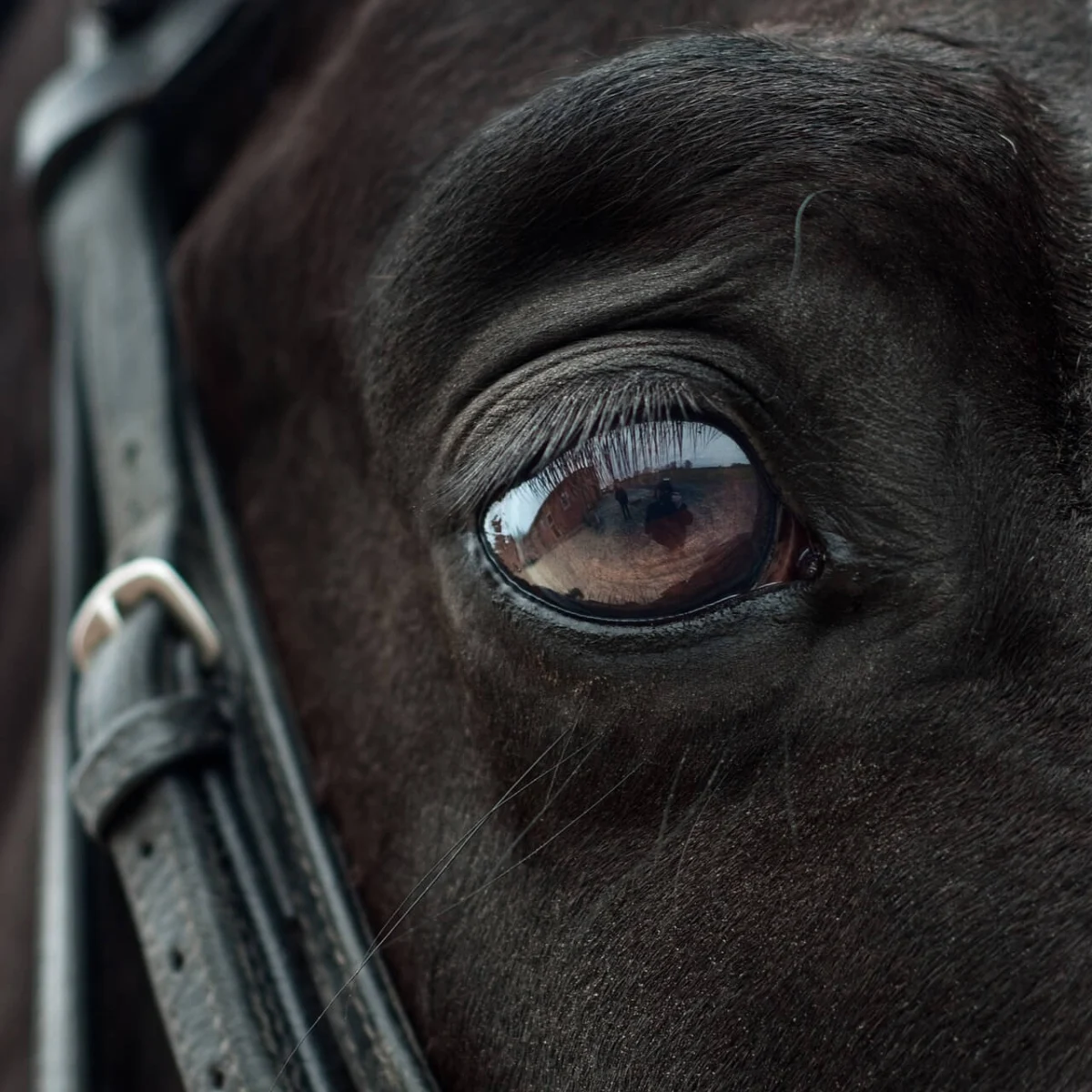
Emergency services in Gaston, South Carolina, responded to a mass casualty incident on the evening of April 18, 2026, after a horse stampede at Rancho El Eden left at least six people with significant injuries. The incident, which occurred during a scheduled rodeo event, was reportedly triggered by the use of pyrotechnics in close proximity to the animals, leading to a breakdown in containment and a subsequent surge of panicked livestock into the spectator areas. Medical teams transported the injured to nearby trauma centers, while local authorities launched an investigation into the safety protocols maintained by the event organizers.
The chaos erupted during a segment of the program that featured both livestock and entertainment displays. Witnesses reported that the ignition of fireworks created a series of sudden, high-decibel explosions and bright flashes, which immediately startled several horses within the arena and staging areas. The resulting stampede saw animals breaching temporary barriers, causing attendees to flee in multiple directions to avoid being trampled. The incident has renewed the national debate regarding the safety of combining explosive entertainment with high-stress animal exhibitions.
Chronology of the Gaston Rodeo Incident
The event at Rancho El Eden was part of a weekend-long celebration of regional rodeo culture, attracting hundreds of spectators from across the state. According to preliminary reports from the Lexington County Sheriff’s Department, the atmosphere was festive until approximately 9:15 p.m., when the pyrotechnic display commenced.
Eyewitness accounts suggest that the horses, already in a state of heightened arousal common in competitive environments, reacted viscerally to the first series of blasts. Within seconds, a group of horses broke through a section of the perimeter fencing. The resulting surge into the crowd created a bottleneck at the exit points, where the majority of the injuries occurred. First responders arrived on the scene within minutes of the initial 911 calls, establishing a triage area to assess those who had been struck by animals or injured in the ensuing crush of the crowd.
Of the six individuals hospitalized, two were reported to be in critical condition due to blunt force trauma, while the others sustained non-life-threatening injuries, including lacerations and bone fractures. Local veterinary teams were also called to the site to assess the welfare of the livestock involved in the stampede, several of whom reportedly suffered minor injuries during the breach of the fencing.
The Physiological Impact of Fireworks on Livestock
The incident in Gaston highlights a well-documented but often overlooked conflict between traditional entertainment and animal biology. Horses are "prey animals" with a highly developed "flight-or-fight" response. Their survival instincts are geared toward rapid movement away from sudden, loud noises and unfamiliar visual stimuli.
Veterinary experts note that horses possess a range of hearing that is significantly more sensitive than that of humans. The explosive sound of fireworks, which can reach levels of 150 to 175 decibels, is frequently perceived by horses as a direct physical threat. When confined in an arena setting, the inability to flee to a perceived "safe zone" can escalate a horse’s stress levels into a state of blind panic. In such a state, the animals may disregard physical barriers, leading to the type of structural failure seen at Rancho El Eden.
Furthermore, the "herd effect" plays a critical role in these disasters. If one or two lead animals react to a stimulus by bolting, the rest of the group is likely to follow suit regardless of the presence of humans or obstacles. This collective movement generates massive kinetic energy, making it nearly impossible for handlers to regain control once a stampede has been initiated.
Safety Standards and Regulatory Oversight in Rodeo Events
The Gaston stampede is not an isolated occurrence in the world of animal-based entertainment. The rodeo industry has long faced scrutiny over its safety records for both human participants and animals. While organizations like the Professional Rodeo Cowboys Association (PRCA) have established specific safety guidelines for sanctioned events, many independent or local rodeos operate under less stringent oversight.
Data from the past decade suggests that rodeo-related injuries are a persistent concern. In 2024, a high-profile incident at the Riding on Faith Rodeo Summer Series in Bandera, Texas, resulted in the death of a rider after he was thrown and trampled by a bull. Such fatalities, while relatively rare among spectators, underscore the inherent risks of livestock handling. However, the introduction of fireworks into these environments is increasingly viewed by safety analysts as an unnecessary variable that compounds existing risks.
Legal experts suggest that the Gaston incident may lead to significant liability claims against the organizers of Rancho El Eden. The primary focus of upcoming investigations will likely be whether the use of fireworks constituted "gross negligence" given the known temperament of horses. Many municipalities across the United States have begun to implement stricter ordinances regarding the proximity of pyrotechnics to livestock barns and equestrian centers to prevent exactly this type of catastrophe.
Broader Implications for Animal Welfare and Public Safety
The fallout from the Gaston incident extends beyond the immediate medical concerns of the victims. Advocacy groups have seized upon the event as evidence that the rodeo industry requires a fundamental shift in how it manages animal welfare. Critics argue that practices such as the use of electric "hot shots" or aggressive spurring to induce bucking already push animals to their psychological limits, making them more susceptible to panicking when external triggers like fireworks are introduced.
Beyond the animal welfare perspective, there is a growing conversation regarding the impact of fireworks on various vulnerable populations. The sudden, explosive sounds that triggered the horse stampede are the same triggers that can cause severe distress for military veterans suffering from Post-Traumatic Stress Disorder (PTSD) and survivors of gun violence. The Gaston incident serves as a multi-layered case study in how public entertainment choices can have unintended, cascading consequences for community safety and mental health.
Economic and Cultural Repercussions
For small towns like Gaston, rodeo events are often significant economic drivers, bringing in tourism revenue and supporting local vendors. However, the negative publicity associated with a mass-casualty event can have a chilling effect on future attendance. Sponsors, often local businesses or national agricultural brands, are increasingly sensitive to being associated with events that result in human injury or perceived animal cruelty.
In the wake of the April 18 incident, several regional animal rights organizations have called for a moratorium on rodeos that include pyrotechnic displays. There is also a push for the adoption of "silent fireworks" or laser light shows, which provide the visual spectacle of traditional fireworks without the auditory triggers that cause livestock to stampede.
Conclusion and Future Outlook
As the investigation into the Rancho El Eden stampede continues, the focus remains on the six individuals recovering in the hospital. The incident has provided a stark reminder of the volatility inherent in animal-based entertainment. While proponents of the rodeo tradition argue that these events are a vital part of American heritage, the Gaston disaster suggests that heritage must be balanced with modern safety science and a deeper understanding of animal behavior.
Moving forward, regulatory bodies in South Carolina may consider new legislation to mandate minimum safety buffers between pyrotechnic launch sites and animal enclosures. For now, the events of April 18 serve as a cautionary tale for organizers nationwide: the combination of high-stress animal environments and explosive entertainment is a volatile mix that can, in a matter of seconds, turn a community celebration into a tragedy.
The conversation regarding the future of rodeos is likely to intensify, with a focus on whether the industry can adapt to 21st-century safety expectations or if the risks inherent in forcing livestock into high-stimulus environments are becoming too great for the public to accept. For the survivors of the Gaston stampede, the road to recovery will be long, but the impact of the event on the regulation of animal entertainment may be felt for years to come.

