


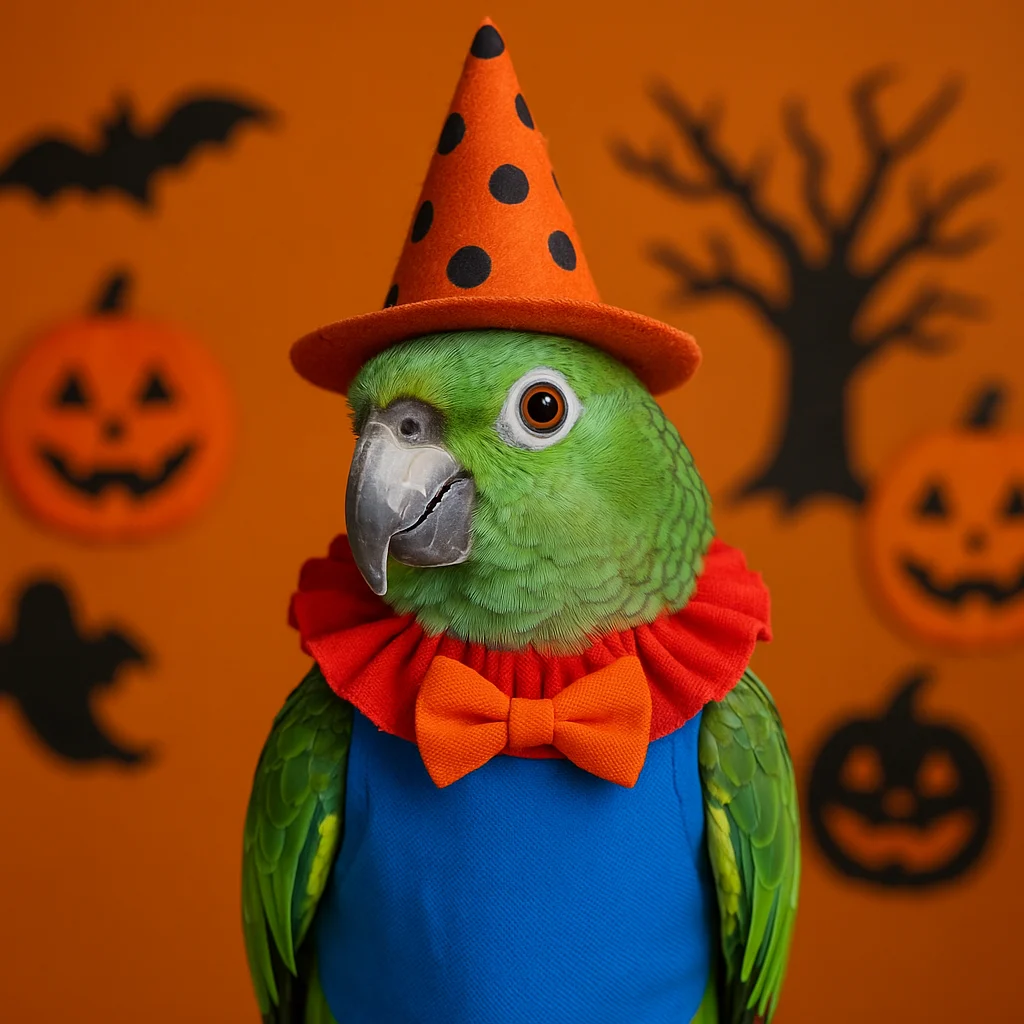
As October 31st approaches, households across the globe prepare for Halloween, a night synonymous with spooky decorations, costumed revelers, and the incessant ring of doorbells. While a source of amusement and tradition for humans, this festive chaos can transform into a harrowing experience for our feathered companions. For birds, whose senses are acutely tuned to their environment, the sudden shifts in sights, sounds, and routines associated with Halloween can trigger profound stress and anxiety. This article, drawing on insights from avian behavior and veterinary science, provides an in-depth guide to protecting pet birds from the potential traumas of the holiday, ensuring their comfort and safety.
The Avian Perspective: Why Halloween is a Fright Night for Feathered Friends
Halloween, with its ancient origins rooted in Celtic harvest festivals and rituals, has evolved into a modern celebration characterized by vibrant, often startling, sensory input. From elaborate home displays featuring flashing lights and animatronics to the continuous stream of trick-or-treaters and the accompanying cacophony of laughter, shouts, and doorbell chimes, the holiday profoundly disrupts the tranquil predictability that birds thrive on. Birds, particularly parrots, are creatures of habit, relying on consistent routines and a stable environment for their sense of security. Any deviation from this norm can be perceived as a threat, triggering their innate "flight or fight" response.
Research in avian physiology highlights that birds possess a highly sensitive auditory system, often perceiving sounds at frequencies and intensities beyond human detection. What might be a moderate noise level for a human can be overwhelmingly loud or even physically painful for a bird. Similarly, their keen eyesight, adapted for detecting predators in the wild, makes them acutely aware of subtle changes in their surroundings. A familiar human figure in an unfamiliar costume or mask can instantly be interpreted as a potential predator, eliciting fear and defensive behaviors. This biological predisposition to react strongly to perceived threats is why Halloween’s festivities can lead to elevated stress hormones, such as corticosterone, manifesting in behaviors like screaming, biting, hiding, or even feather plucking. The good news, however, is that with forethought and strategic planning, pet owners can significantly mitigate these stressors, turning a potentially terrifying night into a calm, cozy, and scare-free experience for their avian companions.
Navigating the Sensory Onslaught: Practical Strategies for a Calm Evening
Effective management of Halloween-related stress for birds requires a proactive approach, often beginning hours before the first trick-or-treater arrives. A chronological breakdown of preventative measures can help ensure comprehensive protection throughout the evening.
I. Pre-Dusk Preparation (Early Afternoon): Establishing a Safe Haven
The foundation of a stress-free Halloween for your bird lies in establishing a designated "safe haven" well in advance of the evening’s activities. This involves more than just covering a cage; it’s about creating an environment of profound tranquility. Ideally, this safe space should be an interior room, away from the front door, windows, and any areas where Halloween revelry might occur. Consider a spare bedroom, a quiet office, or even a large closet, ensuring it is well-ventilated and at a comfortable temperature.
- Relocation: Move your bird’s cage to this designated quiet room during the early afternoon, allowing them time to acclimate before the chaos begins. This pre-emptive move prevents the added stress of being relocated amidst rising noise levels.
- Sound Buffering: Once in the safe room, employ robust sound-buffering techniques. Close all windows and doors tightly. Heavy curtains or blackout blinds can help muffle external sounds and block out the visual stimuli of outdoor decorations and trick-or-treaters.
- Ambient Sound Creation: Introduce a source of calming, consistent ambient sound. White noise machines, set to a low, steady hum, or a fan can effectively mask the jarring sounds of doorbells, shouts, and spooky soundtracks. Alternatively, playing classical music, specifically compositions known to have a calming effect on animals, or nature sounds (such as gentle rain or distant forest sounds) can provide a soothing auditory backdrop. The goal is to create an auditory "bubble" that isolates your bird from the external commotion.
- Early Bedtime Routine: For birds accustomed to a specific bedtime, initiating this routine earlier than usual on Halloween night is crucial. Covering the cage with a dark, breathable cover helps signal bedtime, reinforces their sense of security, and further reduces visual and auditory stimulation. Ensure the cover is loose enough for proper air circulation.
II. During Trick-or-Treating (Dusk to Early Evening): Managing Peak Activity
As trick-or-treating peaks, typically between late afternoon and early evening, the strategies employed should focus on maintaining the isolation and calm established earlier.
- Doorbell Management: If possible, disable your doorbell or place a sign asking visitors to knock gently. The sudden, shrill ring of a doorbell is a significant trigger for many birds.
- Minimizing Human Traffic: Ensure that the quiet room remains off-limits to guests or family members who are actively participating in Halloween festivities. The less disruption to the bird’s secluded space, the better.
- Observation, Not Interaction: Resist the urge to check on your bird frequently or interact with them during peak activity. While well-intentioned, constant checking can inadvertently reinforce their anxiety. Instead, allow them to settle into their quiet space undisturbed. If you must check, do so discreetly and calmly, avoiding sudden movements or loud noises.
III. Post-Festivity Wind-Down (Late Evening): Ensuring Uninterrupted Rest
Even after the last trick-or-treater has departed, the environment outside may still be unsettled. Maintaining the bird’s quiet space is vital for ensuring they achieve their required 12-14 hours of uninterrupted sleep.
- Sustained Quiet: Keep the bird’s room quiet and dark for the remainder of the night. Avoid loud television, conversations, or sudden movements near their space.
- Delayed Reintegration: Consider keeping your bird in their quiet room until the following morning. Reintroducing them to their usual environment too soon, especially if the house is still settling from the festivities, could undo the night’s calming efforts.
A. Mitigating Auditory Distress: Beyond Basic Soundproofing
Birds’ hearing is exceptionally acute, with some species able to detect frequencies ranging from 200 Hz to 10 kHz, often with greater sensitivity than humans at certain ranges. This means that sounds that are merely background noise to us can be genuinely overwhelming for them.
- Layered Sound Reduction: Beyond closing windows, consider adding extra layers of sound absorption. Placing blankets or towels along the bottom of the door to the bird’s room can block sound seepage. Arranging furniture strategically against walls can also help dampen vibrations and sound waves.
- The Power of Predictability: Birds thrive on predictable soundscapes. When introducing white noise or calming music, ensure it’s a consistent, gentle presence, rather than intermittent bursts.
- Responding to Fear vs. Rewarding Calm: A common mistake owners make is rushing to comfort a screaming or visibly distressed bird. While natural, this can inadvertently reinforce the fearful behavior, teaching the bird that making noise elicits attention. Instead, it is more effective to reward moments of calm. When your bird is quiet, offer a gentle word of praise or a small, healthy treat. This positive reinforcement builds resilience and teaches them that quiet behavior is rewarded.
B. Protecting Circadian Rhythms: The Importance of Uninterrupted Sleep
Sleep is not merely a period of rest for birds; it is a critical physiological process essential for immune function, cognitive processing, and hormonal regulation. Parrots, in particular, require 12-14 hours of uninterrupted darkness to maintain their health and well-being. Disrupted sleep can lead to a cascade of negative effects.
- Behavioral Consequences: Sleep-deprived birds often exhibit irritability, aggression, increased screaming, or nipping. They may also develop stress-related behaviors like feather plucking or pacing.
- Physiological Impact: Chronic sleep deprivation can weaken a bird’s immune system, making them more susceptible to illness. It can also disrupt metabolic processes and contribute to chronic stress.
- Strategies for Sleep Protection: The early cage covering and dark, quiet room are paramount. Utilizing blackout curtains or a heavy, opaque cage cover can create the necessary dark environment. Consistency in their bedtime routine, even on holidays, reinforces their natural circadian rhythm, which is vital for overall health.
Visual Triggers and Social Dynamics: Managing Costumes and Company
Beyond auditory assaults, Halloween presents a significant visual challenge for birds, particularly regarding costumes and unfamiliar faces.
A. The Threat of the Unfamiliar: Costumes and Masks
A bird’s keen eyesight, with its ability to detect subtle movements and colors, is a double-edged sword during Halloween. While crucial for survival in the wild, it makes them highly sensitive to alterations in their familiar environment.
- Perception of Predators: Masks, elaborate hats, wigs, and face paint can fundamentally alter the appearance of even a trusted human, transforming them into a perceived predator. Birds are instinctively wary of large, unfamiliar shapes and direct eye contact, both of which can be exaggerated by costumes.
- Maintaining Distance: The most effective strategy is to keep your bird completely separated from any costumed individuals. This means ensuring they are in their quiet room, away from the main areas where guests or trick-or-treaters will be present. If guests are visiting, communicate your bird’s needs clearly, explaining why direct interaction or even proximity is not advisable.
- No Photo Opportunities: While the idea of a bird in a tiny costume for a social media post might seem charming to humans, it is intensely stressful for the bird. Costumes can restrict movement, interfere with breathing, and cause significant anxiety. Avian veterinarians and behaviorists universally advise against dressing up birds. Such activities prioritize human amusement over avian welfare.
B. Social Interactions and Boundaries
For multi-pet households or those hosting parties, managing the flow of human and pet traffic is critical.
- Clear Communication: If you have guests, clearly communicate the boundaries regarding your bird’s space. Explain that for their well-being, the bird needs to remain undisturbed.
- Minimizing Guest Access: If possible, configure your home to direct guest traffic away from the bird’s designated quiet room. Use physical barriers like baby gates if necessary to ensure no accidental intrusions.
- Post-Event Reintroduction: Once the festivities have completely concluded and the household has returned to normal, reintroduce your bird gradually to their usual environment. Observe their behavior for any lingering signs of stress and provide extra comfort and reassurance if needed.
Holistic Wellness: Supporting Your Bird’s Resilience
Beyond environmental modifications, a holistic approach to avian wellness can further bolster your bird’s resilience against holiday stress.
A. Enrichment and Distraction
Engaging a bird’s natural instincts for foraging and play can be a powerful tool for distraction and stress reduction.
- Pre-emptive Foraging: Before the Halloween activities begin, offer your bird a favorite foraging toy packed with delicious, healthy treats. The act of problem-solving and the reward of food can keep their minds occupied and reduce their focus on external stressors. Examples include puzzle toys, shreddable toys, or a foraging tray with hidden nuts and seeds.
- Novelty in a Safe Space: While keeping routines normal is key, introducing a new, engaging toy within their safe room can provide positive distraction. Ensure it’s something they can interact with independently and safely.
B. Natural Calming Aids and Supplements
For some birds, particularly those prone to anxiety, natural calming aids can provide additional support. These should always be used under the guidance of an avian veterinarian.
- Vet-Approved Formulas: Products such as L-Theanine supplements, certain herbal extracts (e.g., chamomile, passionflower, valerian root – specifically formulated for birds), or proprietary calming blends (like UnRuffledRx™ Calming Formula, as mentioned in the original context) can help take the edge off anxiety. These often work by promoting relaxation without sedation.
- Topical Support: Aloe vera bird spray, when used as directed, can sometimes offer a soothing effect, particularly for birds prone to feather-picking due to stress. It’s important to use avian-specific products and consult a vet for proper application.
- Consult Your Avian Vet: Emphasize that any supplement or calming aid should be discussed with an avian veterinarian to ensure it is safe, appropriate for the specific bird’s species and health status, and correctly dosed. Self-medicating can be dangerous.
C. Nutritional Support: Safe Treats and Toxic Avoidance
Halloween brings an abundance of human treats, many of which are highly toxic to birds.
- Absolute Prohibition of Human Candy: Chocolate, artificial sweeteners (especially xylitol), excessive sugar, and many other ingredients found in human Halloween candy are dangerous, often fatally so, for birds. Even small amounts can cause severe health issues, including cardiac arrest, liver failure, and neurological damage.
- Safe Alternatives: Instead of human candy, offer your bird safe, nutritious treats. Plain, unsalted nuts like almonds or walnuts (in moderation), unsweetened dried fruits (e.g., raisins, cranberries), or fresh, bird-safe vegetables (e.g., bell peppers, carrots, leafy greens) are excellent choices. These provide enrichment and a positive association with their quiet, safe space.
Expert Insights and Broader Implications
Avian veterinarians and behaviorists consistently emphasize the importance of proactive, preventative care during holidays like Halloween. Dr. Sarah Johnson, an avian veterinarian at the Exotic Pet Medical Center (a hypothetical example), states, "The ‘flight’ response in birds is hardwired. While we can’t eliminate every trigger, we can create environments that buffer them from the most intense stressors. Planning ahead is not just about comfort; it’s about preventing acute and chronic stress that can have long-term health consequences." Animal welfare organizations also highlight that responsible pet ownership extends to understanding and accommodating the unique needs of exotic pets, especially during culturally significant events that can be overwhelming for them.
The broader implication of neglecting a bird’s well-being during stressful events is not merely temporary discomfort. Repeated or intense stress can lead to a weakened immune system, making birds more susceptible to infections. It can exacerbate underlying health conditions, trigger severe behavioral problems such as chronic screaming, aggression, or self-mutilation (feather plucking), and ultimately diminish their quality of life. Understanding and respecting their species-specific needs fosters a stronger human-animal bond built on trust and empathy.
Conclusion: A Call for Compassionate Celebration
Halloween doesn’t have to be a source of terror for your feathered family members. With a little foresight, a commitment to creating quiet spaces, and a consistent routine, you can transform fright night into a peaceful evening for your parrot or other avian companion. The strategies outlined—from early cage covering and sound buffering to providing enriching distractions and safe treats—are simple yet profoundly effective. By prioritizing your bird’s calm and predictability, you’re not just managing a single evening; you’re contributing to their overall health, happiness, and reinforcing the trust that forms the bedrock of your relationship. Let’s make this Halloween a testament to compassionate pet ownership, demonstrating that a "calm-not-carved" approach to avian care is always the best treat.

