


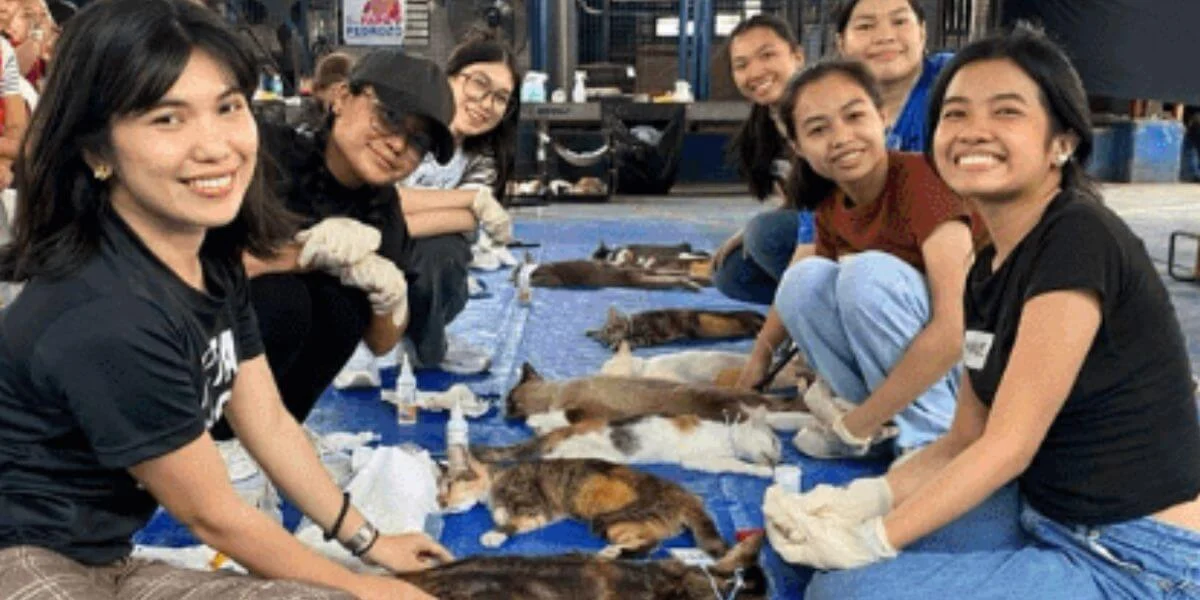
In the early hours of dawn across various municipalities in the Philippines, local basketball courts undergo a radical metamorphosis. Typically the center of community recreation and athletic competition, these concrete arenas are being repurposed as makeshift operating theaters. The usual sounds of bouncing balls and cheering crowds are replaced by the rhythmic hum of medical equipment and the focused whispers of veterinary teams. This initiative, led by the organization Ampon Alaga in partnership with People for the Ethical Treatment of Animals (PETA) and Biyaya Animal Care, represents a critical intervention in the nation’s ongoing animal welfare crisis. By bringing high-quality veterinary services directly to impoverished neighborhoods, the program addresses the systemic barriers that prevent millions of animals from receiving essential care.
The necessity of these field clinics is underscored by the sheer volume of stray and neglected animals in the Philippines. In urban centers like Manila and rural provinces alike, the population of "askals" (street dogs) and "puspins" (street cats) continues to grow at a rate that far outpaces the capacity of traditional shelters. Without access to affordable sterilization and medical treatment, these animals often suffer from preventable diseases, malnutrition, and the consequences of overpopulation. The Ampon Alaga initiative, whose name translates to "adopt care," seeks to break this cycle by providing free services to families who would otherwise be unable to afford them.
The Case of Gusion: A Microcosm of Resilience and Urgency
One of the most poignant examples of the program’s impact is the story of Gusion, a cat who arrived at a field clinic in a state of extreme distress. Gusion had been the victim of a senseless act of violence, struck by a drunk passerby. The trauma resulted in a severely injured, bulging eye that caused the animal immense pain and put him at risk of a fatal infection. In a standard clinical setting, the cost of specialized ophthalmic surgery would be prohibitive for most low-income pet owners.
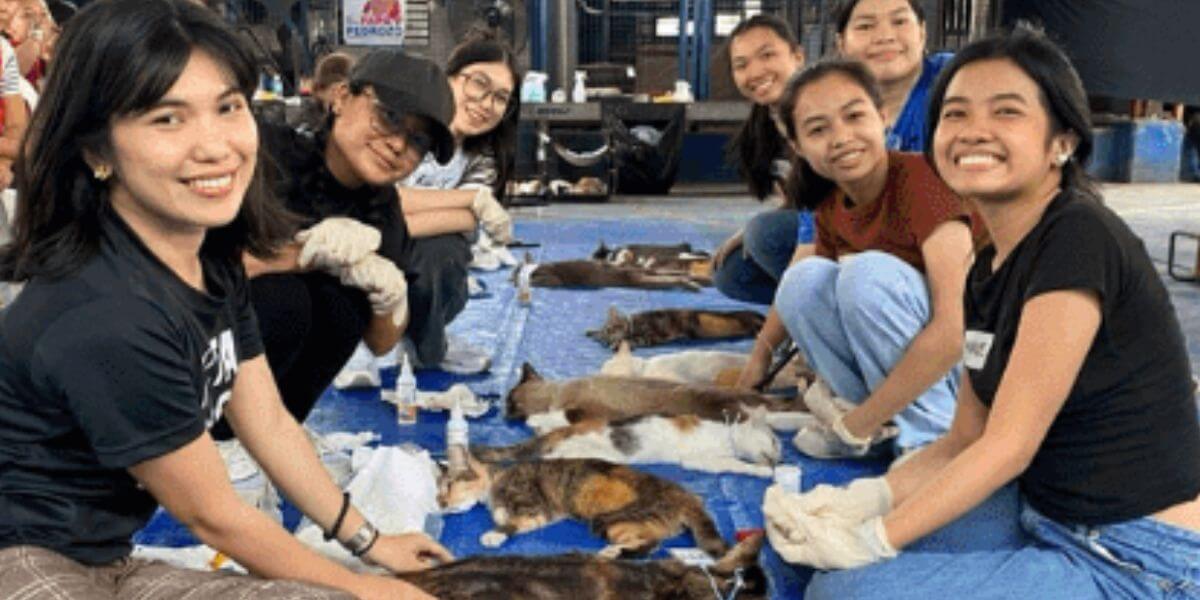
At the Ampon Alaga field clinic, however, the veterinary team mobilized immediately. Performing a delicate dual procedure, surgeons successfully neutered Gusion while simultaneously removing the damaged eye. The operation required precise coordination; as the surgery progressed, team members were dispatched to a local pharmacy to procure specific post-operative medications that were not immediately on hand. This level of rapid-response care, provided entirely free of charge on a community basketball court, illustrates the "battlefield medicine" approach required to save lives in underserved regions. Gusion’s recovery serves as a testament to the viability of mobile veterinary units in managing complex medical cases.
Logistical Framework: From Sports Arenas to Sterile Environments
The transformation of public spaces into temporary clinics is a logistical feat that requires cooperation between non-governmental organizations (NGOs) and local government units (LGUs). Community basketball courts are chosen for their accessibility, large floor plans, and central locations within barangays (neighborhoods). By securing the support of local officials, Ampon Alaga ensures that the clinics are recognized as legitimate public health services.
The operational day begins long before sunrise. Families often travel significant distances on foot or via tricycle, carrying their pets in improvised crates or baskets. The demand is so high that queues frequently form at 3:00 AM or 4:00 AM. Each animal processed through the clinic receives a comprehensive suite of services, including:
- Sterilization: Spaying and neutering are the cornerstones of the program, aimed at humanely reducing the stray population.
- Vaccination: Anti-rabies shots are a priority, aligning with the Philippine government’s goal of a rabies-free nation.
- Parasite Control: Deworming and flea/tick treatments are administered to improve the animal’s overall health and prevent zoonotic diseases.
- Wound Care and Consultation: Veterinarians address immediate injuries and provide guidance to owners on long-term pet maintenance.
Statistical Milestone: The 2025 Impact Report
The year 2025 marked a significant turning point for the PETA-supported Ampon Alaga team. According to internal data and field reports, the initiative achieved a milestone by spaying or neutering 9,250 cats and dogs during field clinics alone. This figure represents more than just a medical statistic; it reflects the prevention of tens of thousands of future animals being born into lives of hardship and neglect.
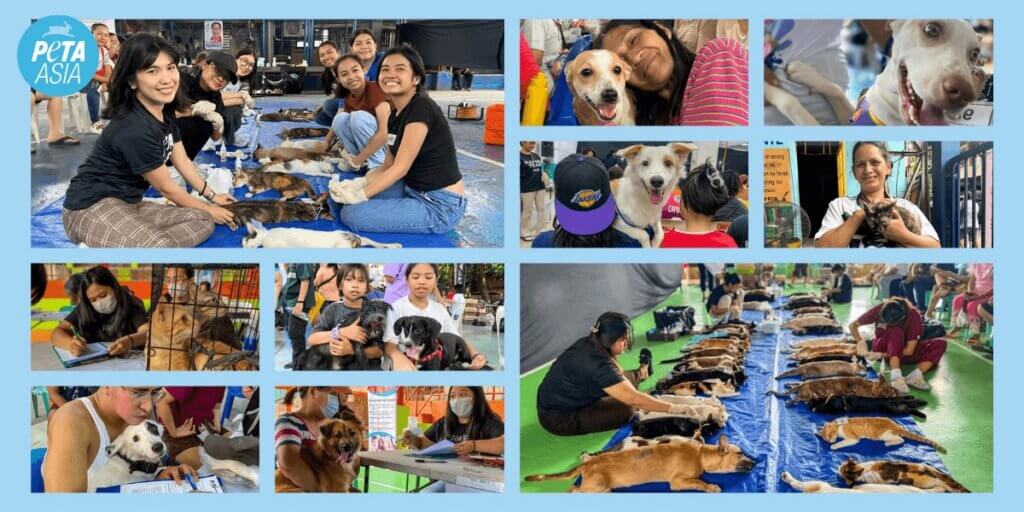
Beyond the centralized field clinics, the team implemented a "door-to-door" transport program. This specialized service reached 245 cats and dogs belonging to guardians who were physically or financially unable to travel to the pop-up sites. By removing the barrier of transportation, the program ensures that the most vulnerable segments of the population—such as the elderly and the disabled—are not excluded from animal welfare services.
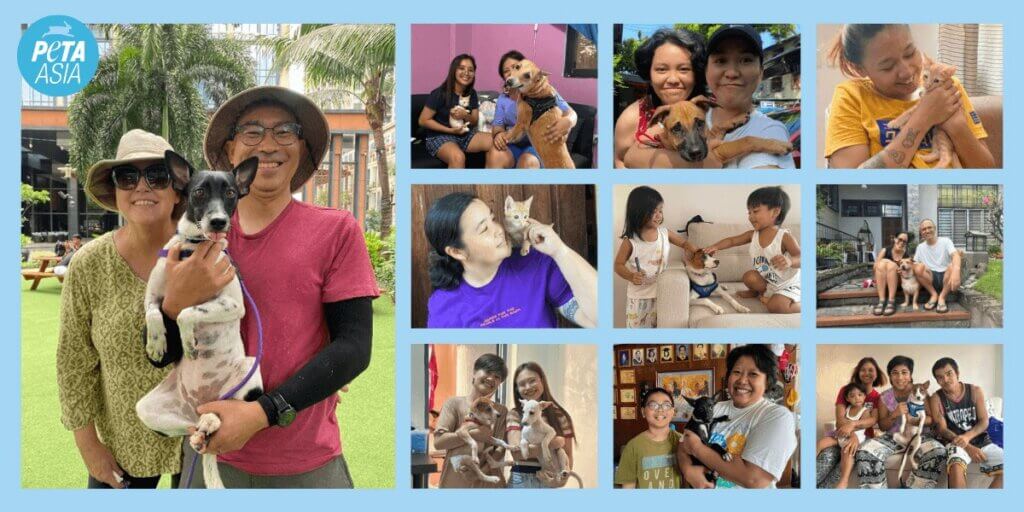
Additionally, the program’s rescue and adoption arm has shown steady growth. In 2025, 106 animals were successfully rehabilitated and placed in permanent, loving homes. Unlike many "quick-fix" adoption programs, Ampon Alaga emphasizes careful placement and follow-up support to ensure the long-term success of each adoption, thereby reducing the likelihood of animals being returned to the streets.
Socio-Economic Barriers and the Human-Animal Bond
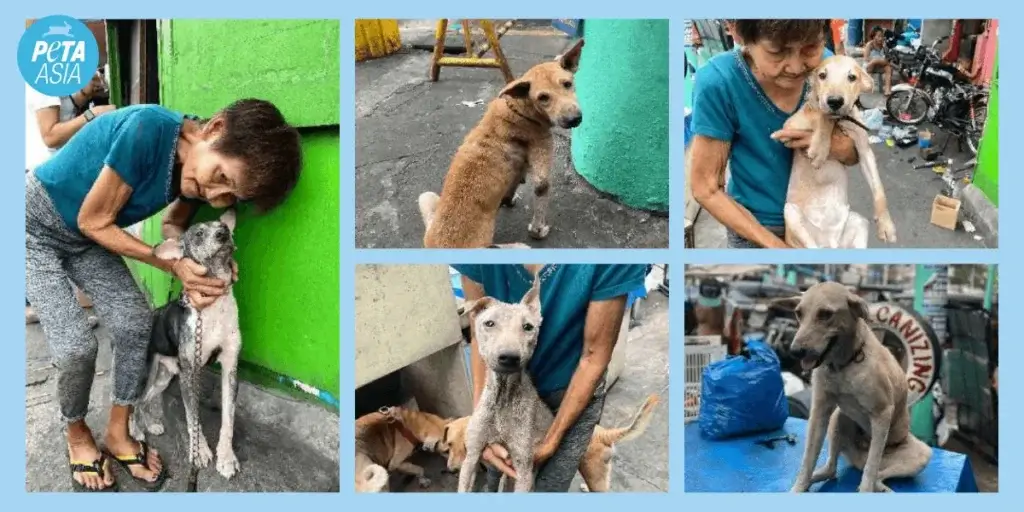
The work of Ampon Alaga frequently intersects with the realities of extreme poverty. A notable case involved Nanay Corazon Pingol, an elderly resident of Tondo, one of the most densely populated and impoverished districts in Manila. Nanay Corazon made the arduous journey to a field clinic accompanied by four dogs: Ryza, Choichoi, Annie, and Abby. For an elderly individual living on a limited income, the cost of private veterinary care for four animals is an impossibility.
The presence of people like Nanay Corazon at these clinics highlights the deep emotional bond between the Filipino people and their companion animals, regardless of economic status. Many families prioritize the well-being of their pets even when their own resources are scarce. By providing free sterilization and medical care, Ampon Alaga supports the stability of these households, preventing the financial strain that often leads to the abandonment of pets.
Disaster Response and Wildlife Preservation
The Philippines is one of the most disaster-prone countries in the world, frequently battered by typhoons, volcanic eruptions, and floods. In the aftermath of such events, animals are often the "forgotten victims," left behind in the rush to evacuate or perishing due to a lack of clean water and food. Ampon Alaga has expanded its mandate to include disaster relief, deploying teams to provide emergency medical supplies and food to companion animals in hit zones.
Furthermore, the team’s expertise is occasionally called upon for wildlife intervention. In a country rich in biodiversity but plagued by illegal wildlife trafficking and habitat loss, Ampon Alaga assists in the rescue of threatened species. These animals are treated and, whenever possible, returned to protected natural habitats, contributing to the broader effort of environmental conservation in the archipelago.
The Role of PETA’s Global Compassion Fund
The success of the Ampon Alaga initiative is inextricably linked to the PETA Global Compassion Fund. This fund serves as a financial and logistical backbone for animal welfare projects in regions where local resources are insufficient to meet the scale of the problem. The fund’s reach is international, supporting diverse interventions such as:
- Mexico: Funding massive spay/neuter campaigns in communities with high densities of roaming dogs.
- Ukraine: Providing critical support for the evacuation of animals from active combat zones and sustaining shelters in war-torn regions.
- Philippines: Sustaining the mobile clinic infrastructure and emergency response capabilities of Ampon Alaga.
This global perspective allows for the sharing of best practices and the efficient allocation of donor contributions to the areas of greatest need. The collaboration between PETA and local Philippine entities demonstrates a successful model of international aid being channeled through grassroots organizations that possess deep cultural and geographical knowledge.
Analysis of Long-Term Implications
The impact of the Ampon Alaga field clinics extends beyond individual animal health. From a public health perspective, the mass sterilization and vaccination of domestic animals are essential for controlling the spread of rabies, a significant concern in the Philippines. By reducing the number of stray animals, the program also decreases the incidence of animal-related accidents and the contamination of public spaces.
Economically, the "prevention-first" approach is far more cost-effective than the alternative. The cost of managing a massive stray population through municipal pounds and culling programs is a significant burden on local taxpayers. In contrast, investing in sterilization programs like those run by Ampon Alaga addresses the root cause of the problem, leading to a gradual and humane reduction in the stray population over time.
Furthermore, the visibility of these clinics on community basketball courts serves an educational purpose. It fosters a culture of responsible pet ownership and compassion. When community members see their neighbors bringing pets for care and witness the professional treatment provided by the veterinary teams, it challenges the normalization of animal neglect and promotes a more empathetic societal outlook.
As Ampon Alaga looks toward the future, the goal remains the expansion of these services to even more remote and underserved provinces. The success of 2025 has provided a blueprint for how mobile veterinary care can be scaled. However, the sustainability of the program continues to rely on international support and local cooperation. In the silence of the dawn on a Philippine basketball court, the work continues—one surgery, one vaccination, and one life at a time.

