


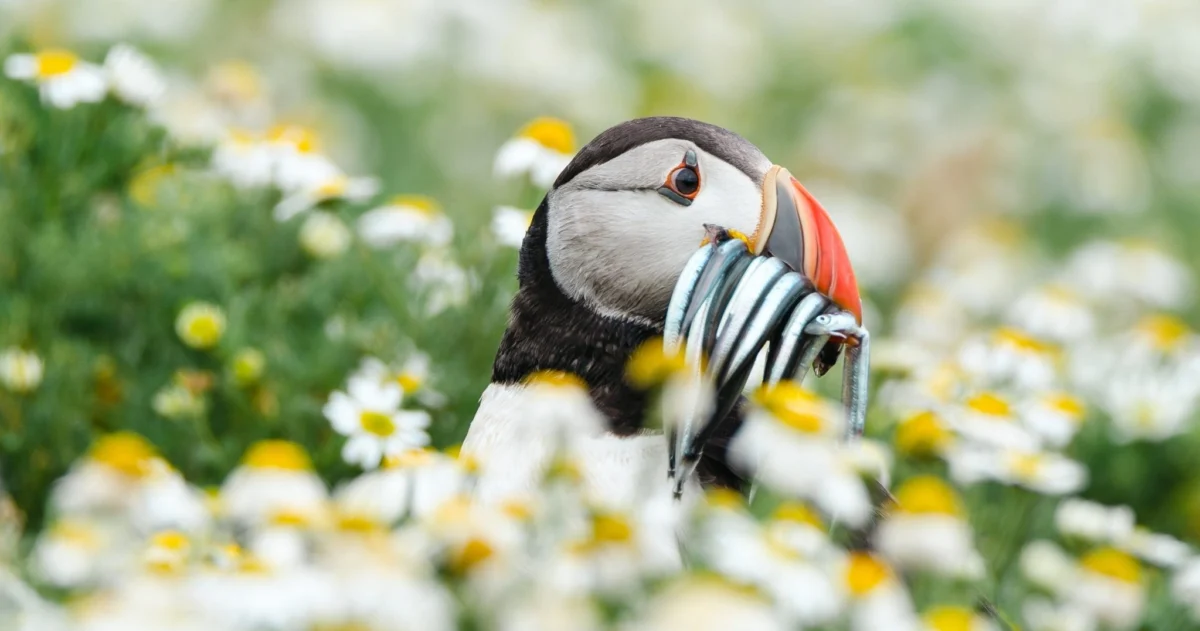
The once vibrant spectacle of Atlantic Puffins returning to European coastlines this spring is shadowed by a grim reality, as an unprecedented seabird "wreck" has decimated their numbers. This winter’s devastating event, which saw over 38,000 seabirds, including hundreds of iconic Puffins, wash ashore dead or dying along the coasts of Spain, Portugal, France, and the United Kingdom, marks the most severe incident of its kind in a decade. Conservationists are sounding the alarm, warning that this tragedy, exacerbated by increasingly extreme weather, could have profound and long-lasting consequences for already vulnerable seabird populations across the continent.
A Devastating Winter for Europe’s Seabirds
Atlantic Puffins ( Fratercula arctica ), renowned for their striking crimson beaks and distinctive calls, are a beloved symbol of Europe’s wild Atlantic shores. These remarkable birds spend the majority of their lives at sea, navigating the vast ocean for up to eight months at a time, only returning to land between April and August to breed. This annual migration, a vital part of their life cycle, has this year become a perilous journey, ending in tragedy for thousands.
The scale of the loss is staggering. Reports from the winter months detailed a horrific scenario: over 38,000 seabirds were discovered stranded and deceased along the Atlantic coasts of Spain, Portugal, and France. In Cornwall, UK, hundreds of dead Puffins were found washed ashore, a stark contrast to the mere two recorded in the previous year. This grim discovery transformed what should have been a winter wonderland into a scene of ecological devastation.
Understanding the Seabird Wreck Phenomenon
Seabird wrecks are a recognized, albeit distressing, natural phenomenon. They occur when severe winter storms, far out at sea, exhaust and starve large numbers of seabirds that spend their non-breeding seasons in the open ocean. These birds rely heavily on their keen eyesight to hunt for fish in clear waters. However, turbulent seas, often a consequence of intense storms, make foraging incredibly difficult. After enduring prolonged periods at sea with limited food resources, many birds become too exhausted and starved to make the arduous journey back to land, ultimately succumbing to the elements.
The most recent comparable event was the 2013-14 wreck, which saw over 54,000 seabirds reported dead across European Atlantic coastlines, with Puffins being the most severely affected species. While current figures are alarming, experts believe the true death toll is likely much higher, as countless birds perish at sea and their remains never reach the shore, leaving their fate unknown. This year’s event is considered the largest seabird wreck in Europe in the past ten years, with reports of deceased birds spanning thousands of miles of coastline.
The Growing Impact of Climate Change
While seabird wrecks are a natural occurrence, scientific consensus points to climate change as a significant factor amplifying their frequency and severity. Warming ocean temperatures are contributing to more intense and frequent extreme weather events. These escalating storms create increasingly challenging conditions for seabirds, pushing their resilience to the limit. If these intensifying weather patterns persist, they could push seabird populations beyond their capacity to cope and recover.
Antonio Vulcano, Senior Marine Conservation Officer at BirdLife Europe and Central Asia, emphasized this critical point. "In Europe, threats to seabirds are worsening every year," Vulcano stated. "At the same time, seabird populations in the region are declining, and recovery can take a long time. Puffins, an iconic species of the northern seas, are no exception. Stormy weather in the Atlantic during this winter has caused huge numbers of Puffins and other seabirds to wash up dead on Spanish, Portuguese, French, and UK shores."
A Cumulative Crisis: Beyond Storms
Vulcano further elaborated on the multifaceted threats facing seabirds, highlighting that the recent wreck is not an isolated incident but rather an exacerbation of existing pressures. "This adds to an already long list of threats, such as food shortages due to overfishing, bycatch in fishing gears, predation at breeding colonies by invasive alien species, and poorly planned offshore wind developments," he explained. "It is crucial to focus on the cumulative effects of these several threats on seabird populations. Only by addressing the full range of threats can we help them to bounce back, by reducing pressures before it is too late."
Contributing Factors to Seabird Decline:
- Overfishing: Depletion of fish stocks, the primary food source for many seabirds, due to unsustainable fishing practices.
- Bycatch: Accidental entanglement of seabirds in fishing gear, leading to drowning and injury.
- Invasive Species: Predation by introduced species at crucial breeding colonies, impacting chick survival.
- Habitat Degradation: Disturbance and loss of nesting sites due to poorly planned coastal and offshore developments.
- Pollution: Plastic pollution and chemical contaminants in marine environments pose significant health risks.
Implications for the Breeding Season and Beyond
The devastating losses of this winter are poised to have significant repercussions for the upcoming breeding season. A diminished population of adult Puffins means that many of their key breeding grounds, including Bempton Cliffs, Skomer Island, the Farne Islands, the Isle of May, and St. Kilda in the UK, are likely to see a dramatic reduction in the number of breeding pairs. This decline in reproductive success could further exacerbate the downward trend in seabird populations.
The sheer scale of this year’s losses serves as a stark and painful reminder of the fragility of marine life. European seabird populations are already in a precarious state, and their protection has become a matter of urgent necessity for their very survival. The long-term viability of species like the Atlantic Puffin hinges on immediate and concerted conservation efforts.
A Glimmer of Hope: Conservation Efforts and Future Actions
Despite the grim outlook, the situation is not entirely without hope. Dedicated local shelters and environmental organizations, such as the Wildlife Trust, are working tirelessly to rescue and rehabilitate as many stranded seabirds as possible. Their efforts provide a critical lifeline for individual birds and contribute to the broader understanding of the challenges these species face.
As Puffins begin their return to nesting cliffs this spring, the coming months will be a crucial test. The success of their breeding season will depend not only on the vagaries of the weather but, more importantly, on the choices made by humans on land and at sea. Strengthening the protection of marine ecosystems, promoting sustainable fishing practices, and ensuring responsible planning of offshore developments are vital steps that can significantly alleviate the pressures on seabird populations.
The tragic events of this winter’s wreck underscore a fundamental truth: the fate of Europe’s beloved Puffins and countless other seabird species is intrinsically linked to the health of our oceans. By implementing the right actions – from reducing pollution and combating overfishing to mitigating the impacts of climate change – we can make a tangible difference and offer these magnificent creatures a fighting chance for survival and recovery. The time for decisive action is now, before these iconic seabirds are pushed beyond the point of no return.

