



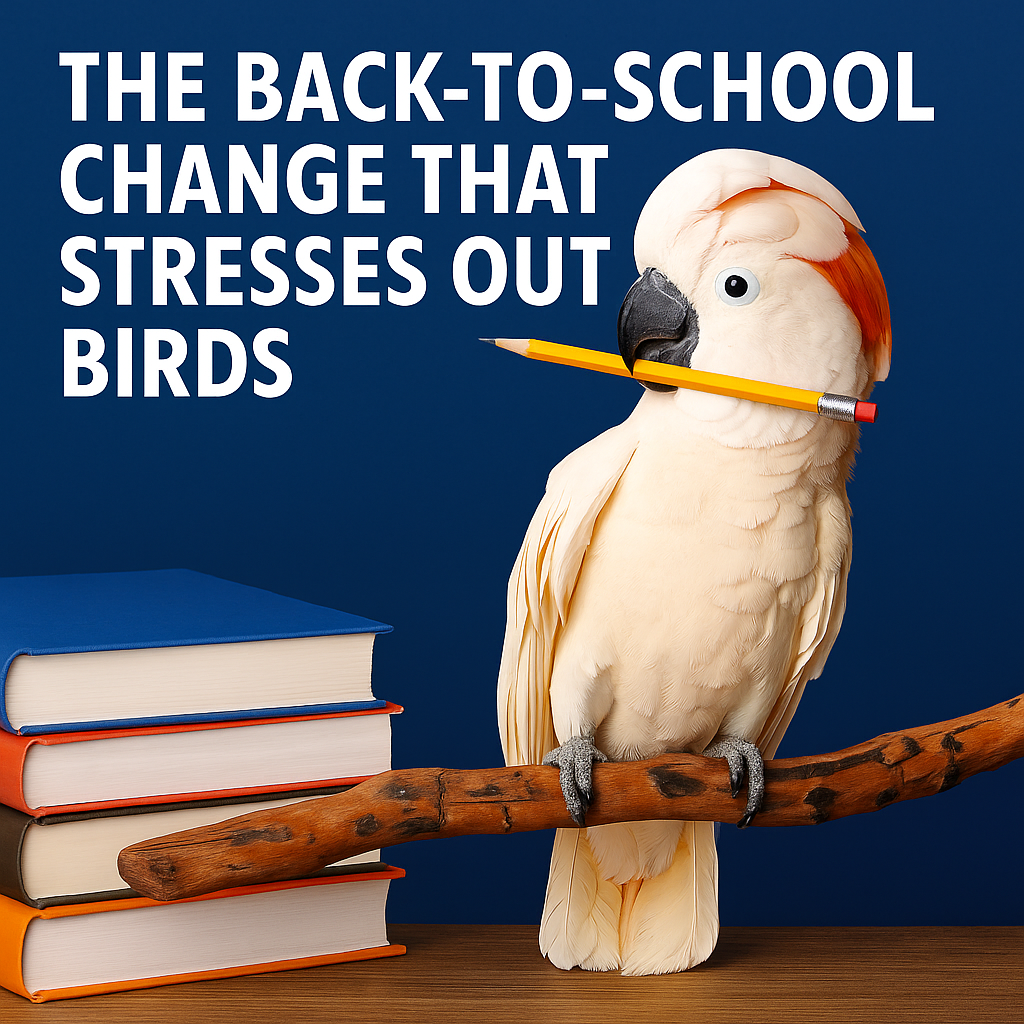
As summer winds down and the academic year commences, households across the nation undergo significant shifts in their daily routines. While families focus on school supplies, class schedules, and new extracurricular activities, a less obvious member of the household often experiences profound stress: the pet bird. These highly intelligent and routine-dependent creatures thrive on predictability, and any sudden alteration to their environment, from the morning cacophony to prolonged periods of silence, can trigger anxiety and behavioral issues. Understanding the intricate psychology of avian companions is crucial for mitigating these seasonal stresses and ensuring their continued well-being.
The Avian Predisposition to Routine: A Scientific Perspective
Birds, particularly parrots, possess complex cognitive abilities comparable to a human toddler, including object permanence, problem-solving skills, and a strong sense of self-awareness. However, their evolutionary history as prey animals means they are acutely attuned to their surroundings, relying heavily on consistent environmental cues for safety and survival. In the wild, predictable patterns of light, sound, and the presence of their flock signify security. Within a domestic setting, this translates into a deep reliance on the human "flock’s" schedule.
Avian psychology research indicates that consistency in feeding times, social interaction, sleep cycles, and environmental stimulation contributes directly to a bird’s emotional stability. Disruptions to this rhythm can elevate stress hormones like corticosterone, leading to physiological and psychological distress. Dr. Irene Pepperberg’s groundbreaking work with Alex the African Grey parrot, for instance, demonstrated not only impressive cognitive capabilities but also the bird’s sensitivity to subtle changes in her research routine, highlighting the deep-seated need for predictability even in highly intelligent birds.
The "Back-to-School" Catalyst: A World Upended
The transition from the relaxed, often activity-filled summer months to the structured school year represents a seismic shift for a pet bird. During summer, birds often enjoy extended periods of interaction, constant background noise, and a steady human presence. Children, in particular, may spend more time near the bird’s cage, offering chatter, treats, or even supervised out-of-cage time.
Come autumn, the mornings transform from leisurely wake-ups into a flurry of activity: slamming doors, rushed breakfasts, the clatter of backpacks, and urgent goodbyes. This sudden surge of high-energy noise is often followed by prolonged periods of near silence as the house empties for the day. For a bird accustomed to a vibrant, interactive home, this abrupt change can be profoundly disorienting. The "soundtrack" of their day changes overnight, from consistent human presence to an unnerving quiet, punctuated by the sudden return of the "flock" in the afternoon. This shift in the sensory landscape, from visual stimulation to auditory cues, registers as a significant alteration in their perceived safety and social environment.
Observable Stress Indicators: Recognizing the Warning Signs
Birds are masters of camouflage, an evolutionary trait that protects them from predators by masking weakness or illness. Consequently, pet owners may not immediately recognize signs of stress until they become pronounced. However, attentive observation can reveal subtle cues that indicate a bird is struggling with routine changes.
Common behavioral manifestations of stress include:
- Increased Vocalization: Excessive screaming, repetitive squawking, or an unusual pattern of contact calls, particularly when alone.
- Decreased Vocalization: Conversely, a sudden withdrawal into silence, where a normally chatty bird becomes unusually quiet, can also be a red flag.
- Feather Plucking or Mutilation: One of the most severe and distressing signs, where a bird compulsively pulls out or damages its own feathers, often driven by anxiety or boredom.
- Changes in Appetite: Skipping meals, reduced food intake, or a sudden disinterest in favorite treats.
- Sleep Pattern Disturbances: Prolonged napping during the day, difficulty settling at night, or altered sleep schedules.
- Pacing and Repetitive Behaviors: Obsessive pacing inside the cage, head-bobbing, or other stereotypic movements that indicate underlying anxiety.
- Aggression or Fear: Uncharacteristic biting, lunging, or increased skittishness towards familiar people or objects.
- Separation Anxiety: Manifesting as extreme clinginess upon the owner’s return, or distress behaviors when the owner prepares to leave. This can also include destructive behaviors like tearing up cage liners or destroying toys in the owner’s absence.
- Disinterest in Enrichment: Ignoring toys, foraging puzzles, or previously enjoyed activities. An African Grey owner, as cited in the original content, noted their bird abandoning a favorite foraging game, illustrating how even subtle shifts can impact engagement.
These symptoms are not exhaustive, and individual birds may exhibit unique stress responses. The key for owners is to notice any deviation from their bird’s normal demeanor and behavior.
Expert Perspectives and Community Observations
Avian veterinarians and certified parrot behaviorists frequently encounter cases of stress-related behaviors during periods of significant household change. Diane Burroughs, LCSW, an expert in avian behavior with over 30 years of experience, emphasizes the importance of understanding the bird’s perspective. "They thrive on predictability," Burroughs states, "and sudden shifts can leave them stressed or confused." Her work, which applies principles of psychotherapy and Applied Behavior Analysis (ABA) to avian care, highlights that what humans perceive as minor adjustments can be monumental for a bird. Her contributions to the field, including features in the Journal of Avian Medicine and Surgery and presentations at ExoticsCon, underscore the scientific rigor applied to understanding and managing avian stress.
Online communities, such as Reddit’s r/parrots, various bird forums, and platforms like Quora and YouTube, serve as informal support networks where pet parents frequently share similar struggles. Recurring themes include posts asking, "Why is my parrot screaming so much since school started?" or "My bird seems so withdrawn now that I’m back at work." These anecdotal accounts corroborate the professional consensus: the back-to-school transition is a widespread challenge for avian companions and their human caregivers. The collective wisdom often points to "patience" as a critical component of adjustment, acknowledging that birds need time and consistent support to adapt.
Health and Behavioral Implications of Unmanaged Stress

Chronic stress in birds can have far-reaching implications beyond immediate behavioral changes. Physiologically, sustained elevated stress hormones can suppress the immune system, making birds more susceptible to illness and infection. This compromises their overall health and vitality, potentially leading to more frequent veterinary visits and increased healthcare costs.
Behaviorally, unaddressed stress can entrench undesirable habits. Feather plucking, for example, can become a self-perpetuating cycle, leading to skin irritation, infection, and permanent feather follicle damage. Aggression and fear responses can erode the human-animal bond, making interaction difficult and potentially leading to birds being rehomed. The long-term impact on a bird’s quality of life can be severe, transforming a once vibrant companion into a perpetually anxious or withdrawn animal. Addressing these issues proactively is not just about convenience for the owner; it is a fundamental aspect of responsible pet ownership and animal welfare.
Proactive Mitigation Strategies: Smoothing the Transition
Fortunately, there are numerous strategies owners can employ to help their feathered friends navigate periods of routine change with greater ease. These strategies focus on establishing new predictable patterns, providing enrichment, and offering reassurance.
- Gradual Schedule Adjustments: Instead of an abrupt shift, begin transitioning your bird’s routine weeks before the actual change. If school starts on a Monday, gradually adjust wake-up times, feeding schedules, and interaction periods by 15-30 minutes each day over the preceding two weeks. This allows the bird to slowly acclimate to the new rhythm, minimizing shock.
- Maintain Core Routines: Even amidst general household chaos, strive to keep certain aspects of your bird’s day highly consistent. Wake-up times (when the cage cover comes off), feeding schedules, and lights-out rituals should remain as predictable as possible. These anchors provide a sense of security.
- Verbal Cues and Reassurance: Birds are highly attuned to human tone and language. A calm, consistent phrase like "I’ll be back soon" spoken before leaving can become a comforting cue, signaling that your departure is temporary. Upon return, a similar phrase can reinforce the idea that you always come back.
- Enriching the Environment: A busy, stimulated bird is a less anxious bird.
- Sensory Enrichment: Provide a variety of background sounds during your absence. Soft music, nature soundscapes, or even "bird TV" (videos specifically designed for birds, often featuring other birds or calming visuals) can help fill the silence. A two-way security camera not only allows owners to monitor their bird but also enables remote interaction, such as speaking to the bird, offering reassurance.
- Physical and Cognitive Enrichment: Rotate toys frequently to maintain novelty. Introduce new foraging puzzles daily, encouraging independent problem-solving and mental engagement. Different textures for chewing and shredding also provide valuable outlets for natural behaviors.
- Dedicated Reconnection Time: Upon returning home, dedicate quality, focused time to your bird. This isn’t just "hanging out"; it’s about active engagement. Offer a training session, introduce a new toy, or provide supervised out-of-cage time. This reinforces your bond and helps the bird associate your return with positive interactions, rather than merely ending a period of loneliness.
- Consider Calming Aids: For birds exhibiting significant anxiety, bird-safe calming products can offer supplementary support. These might include natural supplements designed to reduce stress, or specific environmental tools. Such aids should always be discussed with an avian veterinarian to ensure safety and appropriateness for your specific bird. Diane Burroughs’ UnRuffledRx parrot wellness products are an example of vet-trusted supplements designed for this purpose.
Long-Term Well-being and Owner Responsibility
The back-to-school period is merely one example of how life’s inevitable changes can impact a pet bird. Moving homes, new family members, or even changes in work schedules can all trigger similar stress responses. Therefore, the strategies employed during the back-to-school transition are valuable lessons for lifelong avian care.
Owners must remain observant, continually tuning into their bird’s subtle cues. A bird cannot verbalize its distress in human language, making the owner’s ability to interpret behavioral shifts paramount. Consistent, patient effort in establishing and maintaining predictable routines, coupled with a rich and stimulating environment, forms the cornerstone of a bird’s emotional and physical health.
In conclusion, the start of a new school year, while a time of anticipation for many families, can be a period of significant stress for pet birds. Their inherent need for predictability, rooted in their evolutionary biology, makes them particularly vulnerable to disruptions in household routines. By understanding the science behind avian stress, recognizing warning signs, and proactively implementing strategies for gradual transition, enrichment, and reassurance, owners can significantly ease their feathered companions’ adjustment. This commitment to their well-being ensures that pet birds remain cherished, healthy, and happy members of the family, thriving alongside their human flock through all of life’s transitions.

